
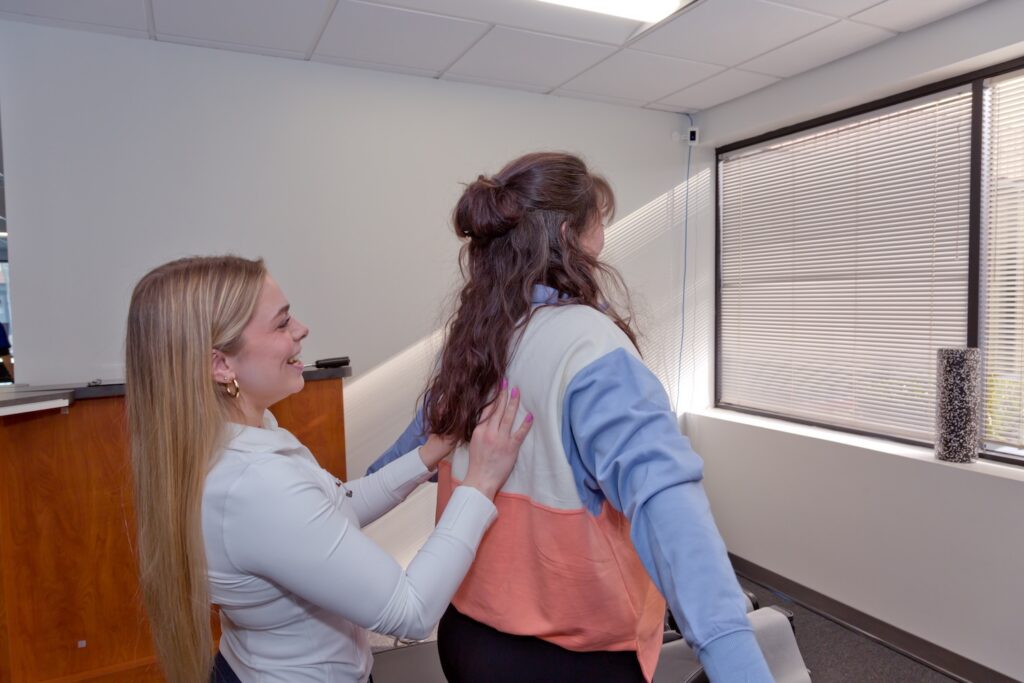

If back pain has been slowing you down here in Columbia, you’re not alone. As a chiropractor at Living Wellness Chiropractic, I see every day how a strong, well-coordinated core can change someone’s comfort and confidence—at work, at the gym, or simply walking around Lake Murray. In this article, I’ll explain how core strength supports your spine, the exercises I routinely recommend to patients, and how chiropractic care provides the foundation that makes these exercises safer and more effective.
What do we mean by “core” and why does it matter? Your core is more than your abs. It’s a team of deep and surface muscles that work together to stabilize your spine, protect discs and joints, and transfer power to your arms and legs. When that team is strong and coordinated, your back feels supported throughout your day.
Table of Contents
Why Core Strength Matters for a Healthy Back
Your spine is strong and flexible, but it relies on muscles for day-to-day support. The “core” includes the diaphragm (breathing muscle), pelvic floor, deep abdominals (like the transverse abdominis), multifidi along your spine, obliques, glutes, and even the lats. These muscles work together to hold a neutral spinal position, share loads evenly, and reduce excess strain on discs and joints.
When the core is undertrained or out of sync, other tissues compensate. That can show up as stiffness after sitting, soreness after yardwork, or recurring “tweaks” after workouts. Strengthening the core improves how you move, how long you can sit or stand comfortably, and how resilient your back feels under stress.
The Biomechanics Made Simple
Two principles help most people move with less pain:
- Neutral spine. This is your natural spinal alignment—not rigidly straight, but with gentle curves. A neutral spine helps your discs and joints share forces safely. You don’t need to hold a military posture; you just want to avoid extremes while you bend, lift, and twist.
- 360° pressure. Think of a gentle “brace” around your midsection. As you inhale low and slow, your ribcage and belly expand, and you lightly tighten your abdominals—as if zipping up snug jeans—without holding your breath. This creates a supportive “airbelt” that stabilizes your spine for everyday tasks.
Together, neutral spine and 360° pressure reduce strain while you move. This is the foundation of nearly every safe core exercise we teach in the clinic.
Common Core-Training Mistakes (and Simple Fixes)
Lots of people work hard on their core yet still struggle with back discomfort. Often, small form issues get in the way. Here are corrections we coach at Living Wellness Chiropractic:
| Common Mistake | Simple Fix |
|---|---|
| Holding your breath during effort | Breathe continuously; use slow nasal inhales and steady exhales while bracing lightly |
| Hollowing the belly (sucking in) instead of bracing | Gently tighten the abdominals all around the waist, like cinching a belt—not just pulling the belly button in |
| Letting the low back arch or flatten excessively | Find neutral: small natural curve, ribs stacked over pelvis, chin slightly tucked |
| Powering through pain | Back off to an easier version; exercises should feel challenging but not sharp or radiating |
| Skipping glute training | Include bridges and hip-hinge patterns—strong glutes unload the low back |
How Chiropractic Care Fits In—Our Process at Living Wellness Chiropractic
Chiropractic is the frontline, conservative approach for spine-related pain and movement problems. At Living Wellness Chiropractic in Columbia, we start with a detailed history and exam to understand how your back moves, which joints are stiff, and which muscles are underactive or overworking. Hands-on chiropractic adjustments help restore joint mobility and alignment, which often reduces pain and makes your core training more effective.
Research suggests that spinal manipulation and exercise are helpful components of noninvasive care for low back pain. We build your plan around those pillars—precise adjustments plus targeted, teachable exercises you can do at home. This approach supports your body’s natural healing and reduces reliance on passive care over time. For context, national guidelines recognize spinal manipulation and exercise as options within conservative care for back pain.
References:
- American College of Physicians—Noninvasive Treatments for Low Back Pain
- NCCIH—Spinal Manipulation: What You Need to Know
Our typical visit flow looks like this: assess, adjust, retrain movement, then progress. You leave with a clear home plan and practical tips for work, workouts, and daily life—so your improvement continues between visits.
Foundational Core Exercises for Back Pain Relief and Resilience
These are staple movements we often teach in our Columbia clinic. They’re gentle, scalable, and designed to build control first, then strength. Move without rushing. If anything feels sharp, tingling, or radiating, stop and let us evaluate.
1) Diaphragmatic Breathing with Light Brace
Why it helps: Coordinates the breathing muscle (diaphragm) with your abdominals and pelvic floor—your core’s natural “pressure system.”
How to: Lie on your back with knees bent and feet flat. One hand on your belly, one on your side ribs. Inhale through your nose, feeling your belly and ribs expand; exhale slowly through pursed lips while lightly tightening your abdominals 360° around your waist. Aim for 4–6 slow breaths.
2) Pelvic Tilt to Neutral
Why it helps: Teaches you to find and feel neutral spine, reducing strain while you move.
How to: On your back with knees bent, gently tilt your pelvis to press the low back toward the floor, then roll the pelvis the other way to create a small arch. Settle in the middle—that’s your neutral. Breathe and hold 10–15 seconds; repeat 6–8 times.
3) Marching Brace
Why it helps: Trains your abs to stabilize the spine while your legs move—perfect prep for walking, standing, and daily activities.
How to: In neutral spine, create a gentle brace. Lift one foot a few inches, lower with control, then switch. Keep breathing and keep the pelvis steady. Do 8–10 slow marches per side.
4) Dead Bug (Beginner to Intermediate)
Why it helps: Builds cross-body coordination and anterior core strength without stressing the low back.
How to: On your back, hips and knees at 90°, arms up. Brace gently. Slowly lower your right arm and left leg toward the floor without arching the back; return and switch sides. Start with a smaller range; progress as control improves. Do 5–8 reps per side.
5) Bird Dog
Why it helps: Strengthens the deep spinal stabilizers (multifidi) and teaches hip and shoulder control.
How to: Start on hands and knees, spine neutral. Brace gently. Extend one leg straight back and the opposite arm forward. Pause 2–3 seconds without shifting or sagging, then switch. Do 5–8 reps per side.
6) Side Plank (Knees Bent to Full)
Why it helps: Trains lateral core muscles that protect the low back during bending, carrying, and rotating.
How to: Lie on your side, elbow under shoulder. For the easier version, bend knees and lift hips, forming a straight line from shoulder to knee. Hold 10–20 seconds with easy breathing. Progress to legs straight as you get stronger.
7) Glute Bridge
Why it helps: Strong glutes take load off the lumbar spine, support the sacroiliac joints, and improve posture.
How to: On your back with knees bent, brace lightly and press through heels to lift hips until shoulders–hips–knees align. Pause, lower slowly. Keep ribs down; avoid arching. Do 8–12 reps.
8) Hip Hinge Pattern (Training for Safe Lifts)
Why it helps: Teaches you to bend at the hips while keeping your spine neutral—useful for picking up groceries, kids, or yard tools.
How to: Stand tall, soft knees. Tip your hips back like you’re closing a car door with your backside. Keep your spine neutral and shins nearly vertical. Return by driving through your heels and squeezing your glutes. Practice 8–10 smooth reps before adding weight.
How often? Many patients do well with 10–15 minutes most days. Consistency beats intensity. Your plan may vary, and we’ll personalize it when we see you.
Progressing Safely Over Time
Progress happens when you challenge the body just enough and recover well. A simple way to advance your routine:
- Week 1–2: Master breathing, pelvic tilt, and marching brace. Short holds, low reps, no pain.
- Week 3–4: Add dead bug and bird dog. Gradually increase reps or hold times while maintaining perfect form.
- Week 5–6: Introduce side planks and build glute bridges. Begin practicing the hip hinge daily, then use it for light household lifting.
- Beyond: Progress to longer side plank holds, single-leg bridge variations, or light resistance as tolerated. We’ll guide your progressions in the clinic based on your goals—whether that’s pain-free gardening, walking the Riverwalk, or getting back to the gym.
Everyday Habits That Protect Your Back
Small changes add up. Around Columbia—between commutes, yardwork, and weekend hikes—these habits keep your spine happy:
- At your desk: Set your screen at eye level, keep feet flat, and elbows near your sides. Every 30–45 minutes, stand and take 3–4 slow breaths while lightly bracing—this refreshes your core and posture.
- During lifts: Hinge at the hips, keep the load close, and exhale on exertion. Don’t twist while lifting; pivot with your feet.
- While walking: Let your arms swing naturally and stand tall—your core and glutes will engage automatically.
- Sleep setup: Side sleepers often feel better with a pillow between the knees; back sleepers may like a small pillow under the knees to reduce tension.
- Heat and humidity: In our Midlands climate, stay hydrated—muscles and discs respond better when you’re not dehydrated.
When to See a Chiropractor in Columbia
Chiropractic care is appropriate when you want a hands-on, movement-focused, noninvasive plan for back pain, stiffness, or recurring flare-ups. If pain has lasted more than a week or two, keeps returning, or limits your daily activities, let us evaluate you. We’ll identify what’s driving your pain, adjust what’s restricted, and tailor your exercises.
Seek prompt medical attention if you notice any of the following red flags:
- New or worsening numbness, tingling, or weakness in a leg
- Changes in bowel or bladder control
- Fever, unexplained weight loss, or pain after significant trauma
- History of cancer with new, persistent back pain
As primary spine care providers, chiropractors are trained to screen for these signs and will refer you to the appropriate medical specialist whenever needed.
Myths and Facts About Core Training and Back Pain
- Myth: “Sit-ups are the best way to strengthen your core.”
- Fact: Traditional sit-ups can overload the neck and back for many people. Safer, more functional options—like dead bugs, bird dogs, and planks—build stability without excessive strain.
- Myth: “If an exercise doesn’t hurt, it isn’t working.”
- Fact: Good core training targets the right muscles with steady breathing and control. You should feel effort, not sharp pain or pinching.
- Myth: “I need a strong back to start exercising.”
- Fact: Gentle, well-coached movement is part of how you build a stronger, healthier back. We scale exercises so you can start safely—no matter your current level.
- Myth: “Chiropractic is just adjustments.”
- Fact: At Living Wellness Chiropractic, adjustments are the foundation, and we pair them with targeted exercises, movement retraining, and practical coaching for long-term results.
Final Thoughts for Our Columbia Community
Whether you’re commuting along I-26, rucking at Fort Jackson, or exploring Congaree National Park, your core is your built-in back support system. Chiropractic care lays the groundwork by restoring motion and reducing irritation, and the right exercises teach your body to stay strong and stable between visits.
If you’re in Columbia and your back has been giving you trouble, we’re here to help you move with confidence again. Our team at Living Wellness Chiropractic will meet you where you are and guide you step by step.
FAQs
How often should I do core exercises for back pain?
Most people do well with 10–15 minutes a day, 4–6 days a week. Consistency matters more than intensity. We’ll personalize a plan for your schedule and goals.
What’s the best exercise to relieve lower back pain fast?
There’s no one-size-fits-all move, but diaphragmatic breathing with a light brace and the bird dog are gentle starting points. If pain persists, get evaluated so your plan targets the right issues.
Are sit-ups or crunches bad for back pain?
They’re often not the best choice, especially during a flare. Exercises like dead bugs, side planks, and bridges build stability with less strain.
How long until I notice results?
Many patients start to feel improvement within 2–4 weeks of consistent work, especially when paired with chiropractic adjustments. Your timeline may vary based on history and activity level.
Can I do these exercises if I have sciatica?
Some moves can help, but sciatica varies. A proper exam is important to identify the source and tailor your routine safely.
Do I need imaging before starting chiropractic care or exercises?
Not usually. We rely on a thorough history and exam first. If red flags or specific concerns arise, we’ll refer for imaging.
TL;DR
- Stronger, better-coordinated core muscles help stabilize your spine and reduce back pain.
- Chiropractic adjustments plus targeted exercises are a frontline, noninvasive approach supported by guidelines for many back pain cases.
- Start with breathing, neutral spine, and gentle stability moves like dead bugs, bird dogs, and bridges.
- Progress gradually; focus on form, steady breathing, and pain-free control.
- If pain persists or red flags appear, get a professional evaluation—our Columbia team is ready to help.