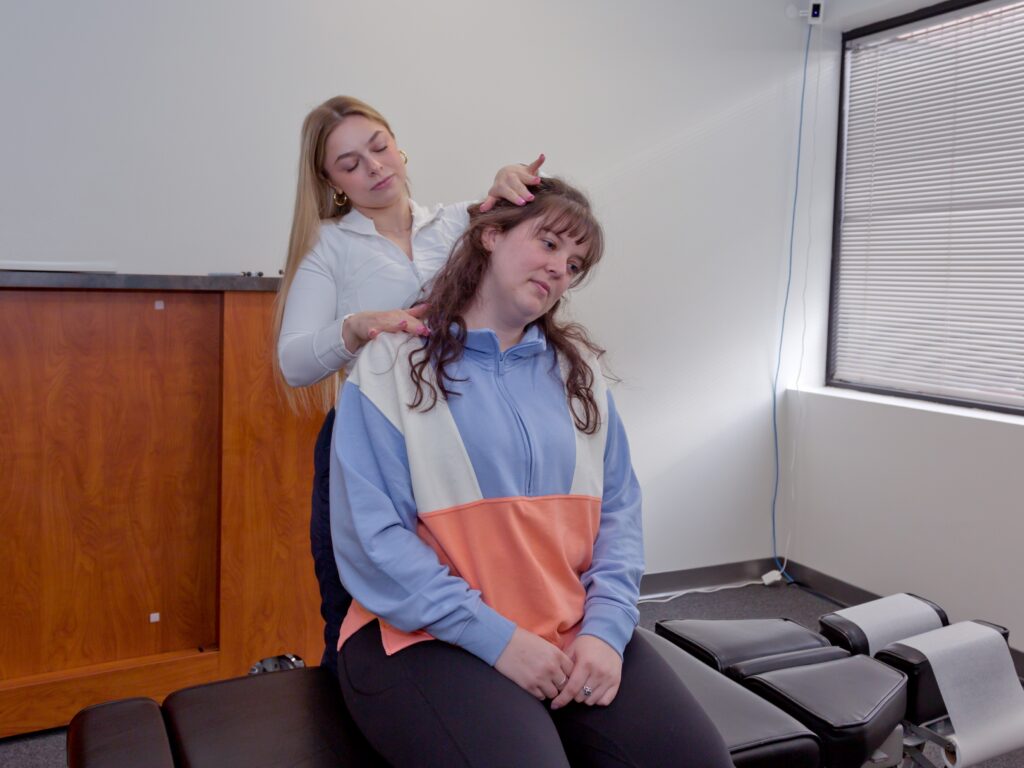

As an athlete, you understand that recovery is just as essential as your training regimen. Prioritizing quality sleep, scheduling regular rest days, and incorporating active recovery techniques can lead to significant improvements in your performance. However, there’s so much more you can do to enhance your recovery, and that’s where chiropractic care comes in.
Chiropractic care focuses on the health of your spine and nervous system, which plays a crucial role in your overall well-being. Regular chiropractic adjustments can help align your spine, reduce pain, and improve your body’s ability to heal naturally. This can lead to faster recovery times and a reduced risk of injury, allowing you to get back to doing what you love sooner.
In addition to chiropractic care, optimizing your nutrition and hydration is key. Eating a balanced diet rich in whole foods can fuel your body and promote healing. Remember to stay hydrated as well; proper hydration supports muscle function and recovery.
You can also incorporate active recovery techniques such as gentle stretching, yoga, or low-impact exercises that keep your body moving without putting too much strain on it. These practices not only enhance recovery but also improve flexibility and strength.
Lastly, consider scheduling regular chiropractic visits as part of your recovery routine. A chiropractor can provide personalized advice and adjustments tailored to your specific needs, helping you maintain optimal health and performance.
By focusing on these holistic methods, including chiropractic care, you can transform your recovery routine and support your body’s natural healing abilities. Embrace these strategies to elevate your athletic performance and enjoy a healthier, pain-free life!
Prioritize Sleep and Rest Days
Prioritize Sleep and Rest Days for Optimal Health
As a chiropractor, I want to emphasize the importance of prioritizing sleep and rest days for your overall health and wellness. While it might be tempting to push through fatigue, allowing your body the necessary time to recover is crucial.
Your body works hard to repair muscles and restore energy levels, and sleep is a vital part of this healing process. Skipping rest can lead to decreased performance and a higher risk of injury, which we definitely want to avoid.
Aim for 7-9 hours of quality sleep each night to support your recovery. To create a sleep-friendly environment, consider dimming the lights, minimizing noise, and keeping your room at a comfortable, cool temperature. These small adjustments can significantly enhance your sleep quality.
Incorporating regular rest days into your training routine is equally important. These days provide your muscles with the opportunity to recuperate and adapt.
Always listen to your body—if you’re feeling worn out or achy, don’t hesitate to take a day off. Rest isn’t a sign of weakness; it’s a necessary part of maintaining your health.
Balancing intense workouts with adequate rest will help you return stronger and more focused. Remember, recovery isn’t just a luxury; it’s an essential component of your wellness journey. By prioritizing sleep and rest, you can enhance your overall performance and well-being.
Additionally, consider incorporating chiropractic care into your routine. Regular adjustments can help align your spine, improve your body’s function, and alleviate pain, promoting a smoother recovery process. This natural approach to wellness can support your body’s ability to heal and perform at its best.
Incorporate Active Recovery Techniques
Incorporating active recovery techniques is a fantastic way to enhance your overall health and wellness, especially when it comes to spinal health.
As a chiropractor, I can assure you that engaging in light exercises, along with stretching and mobility sessions, can significantly aid in your body’s recovery while keeping it active and engaged.
Active recovery doesn’t just help your muscles bounce back; it also supports your spine’s alignment and flexibility.
By practicing gentle movements, you promote blood flow to your muscles and joints, which accelerates healing.
This is especially beneficial if you’re recovering from an adjustment or have been experiencing discomfort.
Here are some practical tips to incorporate active recovery into your routine:
1. Gentle Stretching: Incorporate daily stretching focused on your back, neck, and limbs.
Simple stretches can relieve tension and improve your range of motion.
2. Low-Impact Activities: Activities like walking, swimming, or cycling are excellent for keeping your body moving without putting too much strain on your spine.
3. Mind Your Posture: Whether you’re sitting at a desk or standing, maintaining good posture is crucial.
Regularly check in with yourself and adjust your posture to protect your spine.
4. Stay Hydrated: Proper hydration supports muscle function and recovery.
Make sure you’re drinking enough water throughout the day.
5. Listen to Your Body: Pay attention to how your body feels.
If you experience discomfort, it’s important to rest or consult with your chiropractor for personalized advice.
By adopting these active recovery techniques, not only will you aid in muscle recovery, but you’ll also support your spinal health, leading to a more balanced and healthier life.
Light Exercise Benefits
Engaging in light exercise can significantly enhance your recovery process, making it an essential component of any athlete’s routine. Activities like walking, cycling, or swimming at a low intensity can improve blood circulation, which is crucial for delivering nutrients to your muscles.
This increased circulation not only helps flush out lactic acid and other toxins that build up after intense workouts but also promotes overall wellness.
Incorporating light exercise into your routine can reduce muscle stiffness and soreness, making it easier for you to return to your training. It complements chiropractic care beautifully, as regular adjustments can help align your spine and improve your body’s ability to heal naturally.
By supporting your body’s natural healing processes, chiropractic care enhances the benefits of light exercise, helping you achieve optimal health without relying on medications or invasive procedures.
Remember to keep the intensity low; the goal is to feel refreshed, not fatigued. These sessions can be a delightful part of your recovery strategy, so enjoy them! Here are a few tips to help you get the most out of your light exercise routine:
- Listen to Your Body: Pay attention to how you feel during and after your exercise. If you experience pain, it’s important to consult your chiropractor for guidance.
- Stay Hydrated: Drinking water before, during, and after your light exercise can aid in recovery and overall health.
- Stretch It Out: Incorporate gentle stretches before and after your exercise to improve flexibility and reduce the risk of injury.
- Consistency is Key: Make light exercise a regular part of your routine to reap the full benefits over time.
Stretching and Mobility Sessions
Light exercise is an excellent starting point for your recovery journey, but incorporating stretching and mobility sessions can significantly enhance your routine.
These sessions are essential for increasing flexibility, reducing muscle tension, and improving your overall movement quality. Before you work out, consider doing some dynamic stretches to prepare your muscles. After your exercise, static stretches can help your body recover more effectively.
Foam rolling is another great addition to your routine; it helps improve blood flow and can alleviate soreness, which is crucial for maintaining a healthy spine.
Activities like yoga or Pilates not only enhance your mobility but also strengthen your core, providing a comprehensive approach to your recovery.
As a chiropractor, I recommend aiming for at least two stretching and mobility sessions each week, focusing on areas that feel tight or overworked. By prioritizing these practices alongside regular chiropractic care, you can promote faster recovery and improve your performance in future workouts and competitions.
Utilize Compression Therapy
As a local chiropractor, I want to share how utilizing compression therapy can significantly support your recovery and overall wellness. Many athletes and fitness enthusiasts have found that wearing compression garments can enhance their healing process, and I believe this is a valuable tool you can incorporate into your routine.
Compression garments work by improving blood circulation and reducing muscle soreness. This means that after an intense workout or competition, you can experience less discomfort and quicker recovery. By increasing blood flow, these garments help deliver essential oxygen and nutrients to your muscles, which promotes healing naturally.
You have a variety of options when it comes to compression therapy, such as sleeves, stockings, or even full-body suits. Choose the type that best fits your needs and lifestyle. For the best results, consider wearing these garments during and after your training sessions.
In addition to improved circulation, you may notice a reduction in swelling and inflammation, allowing you to return to your training routine sooner. The snug fit of compression garments can also provide a comforting sensation, which can make your recovery feel more pleasant.
While compression therapy can be a fantastic addition to your recovery strategy, remember that chiropractic care is essential for achieving optimal health. Regular chiropractic adjustments can help align your spine, improve your overall function, and enhance your body’s natural ability to heal. Together with compression therapy, chiropractic care can support your journey toward a healthier, pain-free life.
Explore Cryotherapy and Cold Water Immersion
When it comes to speeding up recovery and enhancing your overall wellness, two popular options are cryotherapy and cold water immersion. Both methods can be beneficial, but it’s essential to remember that chiropractic care remains one of the most effective approaches to achieving optimal health and natural healing.
Cryotherapy involves exposing your body to extremely cold temperatures, often through the use of nitrogen gas. This can help reduce inflammation, alleviate muscle soreness, and support your recovery process. Many people report feeling rejuvenated after just a few minutes in a cryotherapy chamber. However, while this method can offer temporary relief, addressing the root causes of discomfort through chiropractic adjustments can lead to lasting improvements in your health.
On the other hand, cold water immersion, commonly known as ice baths, entails submerging yourself in cold water for a specific time. This practice can help constrict blood vessels, reduce swelling, and flush out toxins. Once you exit the cold water, your body warms up, promoting increased blood flow and nutrient delivery to your muscles.
While cold water immersion can be refreshing, working with a chiropractor can help ensure your spine is aligned, which plays a crucial role in your overall recovery and wellness.
Both cryotherapy and cold water immersion have their fans, but it’s worth trying them out to see how they affect your body. However, always keep in mind that chiropractic care focuses on holistic healing and addressing the underlying issues that contribute to pain and discomfort. By incorporating chiropractic adjustments into your recovery routine, you can experience quicker bounce-back times and improved performance in a natural, drug-free way.
For general wellness, remember to stay hydrated, maintain a balanced diet, and prioritize rest and recovery. These simple tips, combined with regular chiropractic care, can help you achieve and maintain optimal health.
Maintain Proper Nutrition and Hydration
To recover effectively and perform at your best, it’s crucial to maintain proper nutrition and hydration, which can greatly complement your chiropractic care. Your body needs the right fuel to repair muscles, replenish energy stores, and support overall recovery.
A balanced diet rich in carbohydrates, proteins, and healthy fats is essential. Carbs provide the energy you need for your workouts, while protein helps rebuild muscle tissue. Don’t overlook healthy fats; they’re important for hormone regulation and overall well-being.
Hydration is equally vital. Dehydration can lead to fatigue, decreased performance, and longer recovery times. Make it a habit to drink water consistently throughout the day, not just during workouts. Electrolyte-rich drinks can be beneficial during intense training sessions to replace lost minerals. Listen to your body; if you’re feeling thirsty, it’s time to hydrate.
Implement Stretching and Mobility Exercises
Stretching and mobility exercises are essential for your recovery process and overall wellness. As a local chiropractor, I want to emphasize how these routines can enhance your flexibility, improve your spinal health, and significantly reduce the risk of injury.
By incorporating these exercises into your daily routine, you can promote natural healing and support a healthier lifestyle.
The benefits of stretching and mobility exercises extend beyond just flexibility. They help maintain proper alignment of the spine and joints, which is crucial for optimal health.
Improved mobility can lead to better posture and reduced strain on your muscles and ligaments, ultimately decreasing discomfort and pain.
Here are some effective routines to consider:
- Neck Rolls: Gently roll your head in a circular motion to relieve tension in the neck and upper back.
- Shoulder Shrugs: Raise your shoulders towards your ears and then relax them down. This helps alleviate stress and promotes better spinal alignment.
- Cat-Cow Stretch: While on all fours, alternate between arching your back (cat) and sinking your belly towards the floor (cow) to enhance spinal flexibility.
- Hamstring Stretch: While seated, extend one leg out and reach towards your toes. This helps improve flexibility in your lower back and legs.
- Hip Openers: Sitting cross-legged or in a butterfly position can open up the hips, which is important for maintaining a healthy pelvis and spine.
Timing is also crucial when incorporating these exercises into your routine. Consider doing them after your chiropractic adjustments to maximize the benefits, as your body will be more receptive to movement and flexibility.
Additionally, performing these exercises in the morning can set a positive tone for your day, while doing them in the evening can help relax your body and mind before sleep.
Remember, consistent practice is key to reaping the full benefits of stretching and mobility exercises. If you’re unsure about which routines are best for you, don’t hesitate to reach out to your chiropractor for personalized recommendations.
Together, we can create a plan that supports your journey toward pain relief and natural wellness.
Benefits of Stretching
Incorporating stretching and mobility exercises into your daily routine can significantly enhance both your recovery and overall performance. Stretching improves your flexibility, enabling your muscles to move through a broader range of motion. This can lead to better athletic performance, as your body becomes more efficient at executing movements. Additionally, regular stretching can help reduce muscle tension, which can alleviate soreness after intense workouts.
As a chiropractor, I want to emphasize that stretching also plays a crucial role in injury prevention. By promoting better alignment in your body, you can reduce the risk of strains and other injuries. Stretching enhances blood circulation, which delivers essential nutrients to your muscles and speeds up recovery.
Here are some simple tips to incorporate stretching into your routine effectively:
- Set a Routine: Dedicate specific times each day for stretching, whether it’s in the morning, during breaks, or after workouts.
- Focus on Breathing: As you stretch, remember to breathe deeply. This helps relax your muscles and enhances the effectiveness of the stretch.
- Listen to Your Body: Pay attention to how your body feels during stretching. If you experience pain, ease off the stretch and try a gentler approach.
- Incorporate Chiropractic Care: Regular visits to a chiropractor can help align your spine and improve your overall flexibility and mobility, enhancing the benefits of your stretching routine.
By dedicating time to stretching and considering chiropractic care, you’re not just maintaining your body; you’re actively investing in your long-term health and wellness.
Mobility Routine Suggestions
Building on the benefits of stretching, incorporating a mobility routine can significantly enhance your recovery and overall performance, all while supporting your spinal health.
Start with dynamic stretches like leg swings and arm circles to prepare your muscles and joints for activity, ensuring your spine is well-aligned and ready for movement.
Foam rolling is another excellent addition, as it targets tight areas in your muscles, helping to promote blood flow and ease tension, which can be beneficial for maintaining a healthy spine.
After your workouts, focus on static stretches, holding each position for 15-30 seconds to enhance flexibility and support the structural integrity of your spine.
Don’t forget to include mobility drills such as hip openers and thoracic rotations. These exercises help improve joint range and function, which can alleviate strain on your spine and enhance your overall mobility.
Aim for a well-rounded routine that addresses all major muscle groups, paying special attention to areas that support your back.
By committing to these exercises regularly, you’ll not only recover faster but also enhance your athletic performance and reduce the risk of injury.
Remember, chiropractic care can complement your mobility routine by addressing any underlying issues and ensuring that your spine is functioning optimally.
Prioritizing these natural methods can lead to a healthier, pain-free lifestyle.
Timing and Frequency
To truly harness the benefits of stretching and mobility exercises, it’s vital to consider how and when you incorporate them into your routine. As a chiropractor, I believe that integrating these practices into your day can significantly enhance your overall well-being and support your spinal health.
Start by dedicating at least 10-15 minutes to dynamic stretching before your workout. This approach promotes blood flow to the muscles you’ll be using and prepares your body for physical activity. Focus on the muscle groups that will be engaged, and remember that warming up can help prevent injuries and keep your spine in alignment.
After your workout, don’t skip the important step of post-exercise recovery. Spend another 10-15 minutes on static stretches and mobility exercises. This not only encourages flexibility but also aids in reducing muscle soreness and tension. Stretching helps maintain a healthy range of motion in your joints, which is crucial for overall mobility and spinal health.
Consistency is key! Aim to incorporate these practices several times a week. By establishing a regular routine, you can improve your physical performance and promote quicker recovery, keeping your body strong and ready for whatever challenges lie ahead.
Consider Massage and Manual Therapy
As a chiropractor, I want to emphasize the importance of incorporating massage and manual therapy into your recovery routine to enhance your overall health and performance. While many athletes prioritize training and nutrition, these therapeutic techniques can significantly support your journey to optimal wellness.
Massage therapy helps relieve muscle tension and soreness, allowing your body to recover more efficiently. By improving circulation and promoting relaxation, regular massages can help you maintain peak performance levels. Similarly, manual therapy—such as chiropractic adjustments—plays a crucial role in improving joint mobility and reducing pain, which is essential for preventing injuries.
It’s important to listen to your body. If you notice any tightness or discomfort, don’t hesitate to seek help from a qualified chiropractor. They can provide you with personalized care that addresses your specific needs and helps you achieve better health naturally.
In addition to the physical benefits, integrating these therapies into your routine can also enhance your mental well-being. They offer stress relief and improve focus, which are vital for both athletic performance and daily life.
Here are some simple tips to incorporate into your wellness routine:
- Schedule regular chiropractic adjustments to keep your spine aligned and functioning optimally.
- Pair your chiropractic care with massages to enhance muscle recovery and relaxation.
- Stay aware of your body’s signals; if something doesn’t feel right, consult with your chiropractor for guidance.
Conclusion
Incorporating these recovery strategies can significantly enhance your athletic performance and overall well-being, especially when you prioritize chiropractic care. By focusing on natural healing and spinal health, you can accelerate your recovery process.
Start with quality sleep, as it is essential for your body to repair and rejuvenate. Embrace active recovery, which can involve gentle movements and stretches that keep your body engaged without overexerting it. Techniques like chiropractic adjustments can help realign your spine, reducing tension and promoting better mobility.
Don’t overlook proper nutrition and hydration; fueling your body with the right nutrients and staying well-hydrated supports your recovery. Incorporating mobility exercises into your routine can keep your joints flexible and your muscles strong.
Regular chiropractic care, including massage and manual therapy, plays a vital role in reducing soreness and maintaining proper alignment. These treatments not only alleviate pain but also enhance your body’s natural ability to heal itself.
Commit to these practices, including chiropractic care, and you’ll notice a positive difference in your performance on the field or court. Embrace a healthier lifestyle through natural methods, and you’ll be well on your way to achieving optimal health and wellness!