
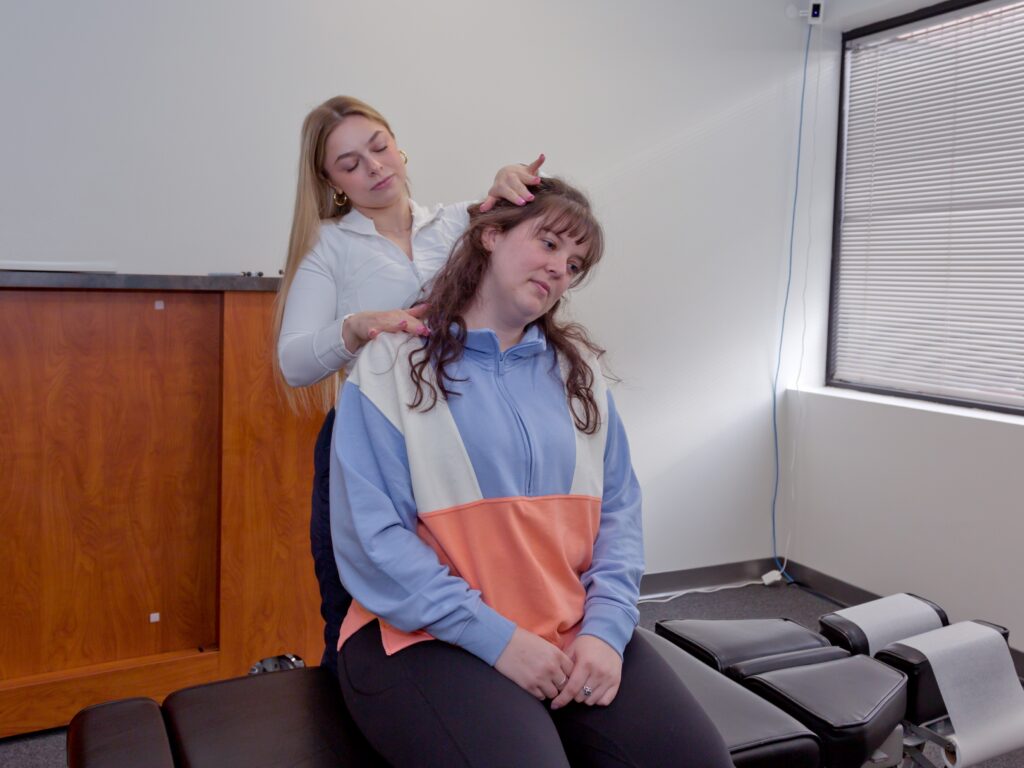

Neck pain is one of those conditions that can sneak up on you. Maybe it started as a dull ache after a long day at your desk, or perhaps you woke up one morning with a stiff neck that just wouldn’t loosen up. Whatever the cause, neck pain affects your ability to work, sleep, and enjoy daily activities. If you’re dealing with persistent neck discomfort here in Columbia, MD, you’re not alone—and you have options beyond just waiting it out or reaching for pain medication. Chiropractic adjustments offer a safe, non-invasive approach that addresses the underlying mechanical issues contributing to neck pain, helping many patients find meaningful relief and improved function.
What are chiropractic adjustments for neck pain? Chiropractic adjustments for neck pain are precise, controlled movements applied to the cervical spine (neck) to restore proper alignment, reduce joint restrictions, and improve nervous system communication. These adjustments help reduce inflammation, decrease muscle tension, and restore mobility to areas that have become stiff or misaligned.
Table of Contents
- Understanding Neck Pain and Its Impact
- Common Causes of Neck Pain
- How Chiropractic Adjustments Work for Neck Pain
- Key Benefits of Chiropractic Care for Neck Pain
- What to Expect During Neck Adjustments
- Complementary Approaches to Neck Pain Relief
- When to See a Chiropractor for Neck Pain
- Myths vs. Facts About Neck Adjustments
- Final Thoughts
Understanding Neck Pain and Its Impact
Your neck supports the weight of your head—roughly 10 to 12 pounds—while allowing you to turn, tilt, and nod throughout the day. The cervical spine consists of seven small vertebrae stacked on top of each other, separated by discs and supported by muscles, ligaments, and tendons. When any part of this complex system becomes irritated, strained, or misaligned, you experience neck pain.
Neck pain can range from a minor annoyance to a debilitating condition that radiates into your shoulders, upper back, or even down your arms. Many people in Columbia find that neck pain interferes with their ability to drive safely, look at computer screens comfortably, or get restful sleep. According to research published in the Global Burden of Disease studies, neck pain is among the leading causes of disability worldwide. The good news is that most cases of mechanical neck pain respond well to conservative care approaches like chiropractic treatment.
The impact extends beyond physical discomfort. Chronic neck pain affects mood, concentration, and quality of life. When you’re constantly aware of tension or stiffness in your neck, it’s harder to focus on work tasks, enjoy time with family, or participate in activities you love. Addressing neck pain early with appropriate care can prevent it from becoming a long-term problem.
Common Causes of Neck Pain
Understanding what causes neck pain helps you recognize patterns in your own life and take preventive steps. At Living Wellness Chiropractic, we see patients with neck pain stemming from various sources, often a combination of factors working together.
Poor Posture and Forward Head Position
One of the most common culprits we see here in Columbia is prolonged sitting with poor posture. When you sit at a desk, look down at your phone, or lean forward toward a computer screen, your head moves forward from its natural position over your shoulders. For every inch your head moves forward, it can add up to 10 additional pounds of stress on your neck muscles and spine. Over time, this postural stress creates muscle imbalances, joint restrictions, and chronic neck pain.
Whiplash and Trauma
Auto accidents, even minor fender-benders, can cause whiplash injuries where the head is suddenly jerked forward and backward. This rapid movement strains the soft tissues of the neck and can create misalignments in the cervical vertebrae. Sports injuries, falls, and other trauma can produce similar effects. Sometimes symptoms don’t appear immediately after an accident, developing gradually over days or weeks.
Repetitive Strain and Overuse
Certain occupations and activities place repetitive stress on the neck. Holding a phone between your ear and shoulder, sleeping in awkward positions, carrying heavy bags on one shoulder, or performing repetitive movements at work can all contribute to neck strain. Over time, these seemingly minor stresses accumulate and lead to chronic discomfort.
Muscle Tension and Stress
Emotional stress often manifests physically in the neck and shoulders. When you’re stressed, anxious, or tense, you unconsciously tighten the muscles in your upper body. This protective response, when sustained over time, creates trigger points, muscle fatigue, and pain. Many patients don’t realize how much their stress levels contribute to their physical neck symptoms until they begin addressing both.
Degenerative Changes
As we age, the structures in our neck naturally undergo changes. Discs lose some hydration, cartilage wears down, and bone spurs may develop. These degenerative changes, sometimes called cervical spondylosis or arthritis, can contribute to stiffness and discomfort. While we can’t reverse aging, chiropractic care can help maintain better function and reduce pain associated with these changes.
How Chiropractic Adjustments Work for Neck Pain
Chiropractic adjustments, also called spinal manipulations, are precise techniques designed to restore proper movement and alignment to joints that have become restricted or misaligned. When applied to the neck, these adjustments target specific vertebrae to improve joint function, reduce nerve irritation, and allow surrounding muscles to relax.
The adjustment itself involves a controlled, quick force applied to a joint in a specific direction. You might hear a popping or cracking sound during the adjustment—this is simply gas bubbles being released from the joint fluid, similar to cracking your knuckles. The sound doesn’t indicate that anything is breaking or that the adjustment is more effective.
The Biomechanical Effect
When a neck joint becomes restricted or misaligned, it doesn’t move through its full range of motion properly. This restriction causes surrounding joints to compensate by moving too much, creating an imbalanced system. The muscles around the affected area tighten protectively, and inflammation may develop. A chiropractic adjustment restores normal movement to the restricted joint, allowing the entire region to function more efficiently.
The Neurological Component
Your nervous system controls and coordinates everything in your body, and the spine houses the spinal cord—the main communication highway between your brain and body. When joints in the neck become restricted or misaligned, they can interfere with normal nerve function. This interference may contribute to pain signals, muscle tension, and altered movement patterns. Chiropractic adjustments help restore proper nervous system communication by reducing mechanical stress on neural structures.
The Inflammatory Response
Research suggests that chiropractic adjustments may influence inflammatory processes in the body. By restoring proper joint mechanics and reducing tissue stress, adjustments can help decrease local inflammation around affected joints and soft tissues. This anti-inflammatory effect contributes to pain reduction and improved healing.
Key Benefits of Chiropractic Care for Neck Pain
Patients at Living Wellness Chiropractic in Columbia often report multiple benefits from chiropractic care for their neck pain. Here are the most significant advantages you can expect:
Natural Pain Relief Without Medication
Chiropractic adjustments offer a drug-free approach to pain management. Rather than masking symptoms with medication, adjustments address mechanical dysfunctions contributing to your pain. Many patients find they can reduce or eliminate their reliance on pain medications once their neck function improves. This is particularly valuable for those concerned about medication side effects or long-term use of pain relievers.
Improved Range of Motion and Flexibility
When neck joints become restricted, you lose the ability to turn your head fully, look up and down comfortably, or tilt your head to the side without pain. Chiropractic adjustments restore mobility to these restricted joints, allowing you to move your neck through its full range of motion again. Patients often notice they can check their blind spots while driving more easily, look over their shoulder without discomfort, or turn to face people during conversations without restriction.
Reduced Muscle Tension and Spasm
Tight, knotted muscles in the neck and shoulders often accompany joint restrictions. When the underlying joint problem is addressed through adjustments, the muscles no longer need to work as hard to protect the area. This allows them to relax naturally. Many patients experience significant reduction in muscle tension, trigger points, and that heavy, tight feeling across the shoulders and base of the skull.
Better Posture and Body Awareness
As your neck alignment improves and pain decreases, you naturally adopt better postures. You become more aware of your body position throughout the day and find it easier to maintain proper alignment. This improved posture reduces ongoing stress on your neck and helps prevent future problems. At Living Wellness Chiropractic, we also provide postural education to help you maintain these benefits between visits.
Improved Sleep Quality
Neck pain frequently interferes with sleep. You might struggle to find a comfortable sleeping position, wake up multiple times during the night, or wake with increased stiffness and pain. As chiropractic care reduces your neck pain and improves function, many patients report sleeping better and waking more refreshed. Better sleep, in turn, supports your body’s natural healing processes.
Enhanced Overall Function and Quality of Life
When your neck isn’t constantly bothering you, you can focus on what matters—your work, your family, your hobbies, and your goals. Patients often tell us that getting relief from chronic neck pain has improved their mood, energy levels, and ability to participate in activities they’d been avoiding. This holistic improvement in quality of life is one of the most rewarding aspects of chiropractic care.
Prevention of Chronic Problems
Addressing neck pain early and maintaining good spinal health can help prevent acute problems from becoming chronic conditions. Regular chiropractic care helps keep your neck joints mobile, your muscles balanced, and your nervous system functioning optimally. This preventive approach is far preferable to waiting until pain becomes severe or disabling.
What to Expect During Neck Adjustments
If you’ve never received chiropractic care before, you might feel uncertain about what happens during a neck adjustment. At Living Wellness Chiropractic in Columbia, MD, we prioritize clear communication and your comfort throughout the process.
Your First Visit
Your initial appointment begins with a thorough consultation and examination. We’ll discuss your neck pain history, when it started, what makes it better or worse, and how it affects your daily life. We’ll perform orthopedic and neurological tests to assess your neck’s range of motion, muscle strength, reflexes, and sensation. This comprehensive evaluation helps us understand your specific condition and determine if chiropractic care is appropriate for you.
The Adjustment Process
During the adjustment, you’ll typically lie on a specialized chiropractic table. The chiropractor will position your head and neck precisely, then deliver a quick, controlled thrust to the targeted vertebra. The entire adjustment takes only seconds, though you may receive adjustments to multiple areas during a visit. Most patients find the experience comfortable and often feel immediate relief or increased mobility.
Techniques We Use
Chiropractors use various techniques for neck adjustments, and at Living Wellness Chiropractic, we tailor our approach to your specific needs and comfort level. Some techniques involve manual adjustments with the doctor’s hands, while others use specialized instruments that deliver gentler, low-force adjustments. If you have concerns about the traditional “cracking” adjustment, we can discuss alternative approaches that may be more suitable for you.
After Your Adjustment
Immediately after an adjustment, you might feel relief, increased mobility, or a sense of relaxation. Some patients experience mild soreness similar to post-exercise muscle fatigue, which typically resolves within a day or two. We’ll provide specific recommendations for activity modification, home care, and when to schedule your next visit based on your individual needs.
Complementary Approaches to Neck Pain Relief
While chiropractic adjustments form the foundation of care for many neck pain patients, we often incorporate complementary approaches to enhance your results and support long-term wellness.
Therapeutic Exercises and Stretches
Specific exercises can strengthen the muscles that support your neck, improve flexibility, and reinforce proper movement patterns. We may teach you gentle stretches to perform at home, strengthening exercises for weak muscles, or mobility drills to maintain the improvements gained through adjustments. These exercises empower you to take an active role in your recovery.
Ergonomic Modifications
Many neck pain cases improve dramatically when patients modify their work and home environments. This might include adjusting your computer monitor height, changing your desk chair, improving your sleeping setup, or modifying how you use your smartphone. Small ergonomic changes can significantly reduce daily stress on your neck.
Soft Tissue Therapy
Techniques like massage therapy, trigger point therapy, or instrument-assisted soft tissue mobilization can complement spinal adjustments by addressing muscle tension, scar tissue, and fascial restrictions. These therapies help prepare tissues for adjustments and maintain improvements between visits.
Lifestyle and Wellness Counseling
Factors like stress management, adequate hydration, proper nutrition, and regular physical activity all influence your body’s ability to heal and maintain optimal function. We provide guidance on lifestyle factors that support your neck health and overall wellness.
When to See a Chiropractor for Neck Pain
Not all neck pain requires immediate professional attention, but knowing when to seek care can prevent minor issues from becoming major problems. Consider scheduling an appointment at Living Wellness Chiropractic if you experience any of the following:
Your neck pain persists for more than a few days despite rest and home care measures. Occasional minor neck stiffness that resolves quickly may not need professional intervention, but pain that lingers suggests an underlying issue that could benefit from evaluation and treatment.
You experience recurring neck pain episodes. If your neck pain keeps coming back, even if it resolves temporarily, this pattern indicates a mechanical problem that needs to be addressed rather than just managed symptomatically.
Your pain radiates into your shoulders, arms, or hands. Radiating symptoms suggest nerve involvement and warrant professional assessment. While this doesn’t necessarily indicate a serious problem, it’s important to identify the cause and address it appropriately.
Your neck pain follows an injury or accident. Even if your symptoms seem mild after a car accident, fall, or sports injury, it’s wise to get evaluated. Some whiplash and trauma-related injuries worsen over time without proper care.
You notice numbness, tingling, or weakness. These neurological symptoms should always be evaluated by a healthcare professional to determine their cause and appropriate treatment.
Your neck pain interferes with daily activities, work, or sleep. When pain affects your quality of life, it’s time to seek help rather than continuing to suffer or relying solely on pain medications.
Red Flags That Require Medical Evaluation
While most neck pain is mechanical and responds well to chiropractic care, certain symptoms warrant immediate medical attention. Seek emergency care if you experience severe neck pain after trauma, progressive weakness in arms or legs, loss of bladder or bowel control, severe headache with fever and stiff neck, or pain accompanied by unexplained weight loss. These symptoms are rare but could indicate conditions requiring medical intervention.
| Chiropractic-Appropriate Neck Pain | Red Flag Symptoms (Medical Referral) |
|---|---|
| Mechanical pain worse with movement | Constant, unrelenting pain unaffected by position |
| Gradual onset or after known injury | Severe trauma with progressive neurological loss |
| Pain improves with rest or position changes | Pain with fever, unexplained weight loss, or night sweats |
| Stiffness and reduced range of motion | Severe, progressive weakness in multiple limbs |
| Muscle tension and occasional radiating discomfort | Loss of bowel or bladder control with neck pain |
Myths vs. Facts About Neck Adjustments
Myth: Neck Adjustments Are Dangerous
Fact: When performed by a licensed chiropractor, neck adjustments are remarkably safe. Research published in journals like Spine has found serious adverse events from cervical manipulation to be extremely rare—far less common than risks associated with long-term use of common pain medications. Chiropractors receive extensive training in spinal biomechanics and adjustment techniques, and we carefully screen patients to ensure care is appropriate and safe for their specific condition.
Myth: Once You Start Chiropractic Care, You Have to Keep Going Forever
Fact: The frequency and duration of chiropractic care depends on your specific condition, goals, and response to treatment. Some patients achieve their goals in just a few visits, while others with chronic conditions benefit from ongoing maintenance care. You’re always in control of your care decisions, and at Living Wellness Chiropractic, we respect your preferences and work with you to create a care plan that fits your needs and lifestyle.
Myth: The Popping Sound During an Adjustment Means Bones Are Cracking
Fact: The audible pop or crack you might hear during a neck adjustment is simply gas bubbles being released from the joint fluid—a process called cavitation. It’s the same phenomenon that occurs when you crack your knuckles. The sound doesn’t indicate bones grinding or breaking, nor does it determine whether the adjustment was effective. Some effective adjustments produce no sound at all.
Myth: You Should Only See a Chiropractor When You’re in Pain
Fact: While many people first visit a chiropractor because of pain, chiropractic care also plays a valuable role in maintaining spinal health and preventing problems. Just as you visit the dentist before you have a cavity, periodic chiropractic evaluations and adjustments can help identify and address minor restrictions before they develop into painful conditions. Many of our Columbia patients continue with occasional maintenance visits even after their initial complaint resolves because they feel better and function more optimally.
Myth: Chiropractic Adjustments Just Provide Temporary Relief
Fact: While individual responses vary, chiropractic care addresses underlying mechanical dysfunctions rather than just masking symptoms temporarily. When combined with appropriate exercises, ergonomic modifications, and lifestyle changes, chiropractic adjustments can provide lasting improvements. Many patients experience long-term relief and improved function that extends well beyond their active treatment period, especially when they incorporate preventive strategies we discuss.
Final Thoughts
Living with neck pain doesn’t have to be your normal. Whether your discomfort started recently or you’ve been dealing with chronic neck problems for months or years, chiropractic care offers a safe, effective, drug-free approach to finding relief and restoring function. At Living Wellness Chiropractic here in Columbia, MD, we’re committed to helping our community members understand their neck pain, address the underlying causes, and achieve lasting wellness.
Neck pain affects more than just your neck—it impacts your ability to work comfortably, sleep soundly, and enjoy daily activities with your family and friends. By addressing the mechanical dysfunctions contributing to your pain through precise chiropractic adjustments and comprehensive supportive care, you can experience meaningful improvements in both your symptoms and your quality of life.
If you’re struggling with neck pain and wondering whether chiropractic care might be right for you, we encourage you to reach out. Every patient’s situation is unique, and we take the time to understand your specific concerns, thoroughly evaluate your condition, and develop an individualized care plan designed around your needs and goals. You deserve to live without constant neck discomfort, and we’re here to help you achieve that goal right here in Columbia, Maryland.
Frequently Asked Questions
How long does it take for chiropractic adjustments to relieve neck pain?
Response times vary based on the severity and duration of your condition. Some patients experience immediate relief after their first adjustment, while others with chronic or more complex issues may require several weeks of care to see significant improvement. Most patients notice positive changes within the first few visits, with continued improvement over the course of care.
Are chiropractic adjustments covered by insurance for neck pain?
Many insurance plans do cover chiropractic care for neck pain, though coverage varies by plan. We recommend checking with your insurance provider about your specific benefits, including copays, deductibles, and visit limits. Our office can also help you understand your coverage and discuss payment options.
Can I adjust my own neck at home?
It’s not advisable to try to adjust your own neck. Chiropractic adjustments are precise, controlled movements applied in specific directions to particular joints. Self-manipulation lacks this precision and can potentially cause injury or worsen existing problems. Instead, focus on gentle stretches and exercises recommended by your chiropractor, and schedule adjustments with a trained professional.
What’s the difference between a chiropractic adjustment and a massage for neck pain?
While both can be beneficial, they address different aspects of neck problems. Massage therapy primarily works with soft tissues—muscles, tendons, and fascia—to reduce tension and improve circulation. Chiropractic adjustments specifically target joint mechanics and alignment in the spine, restoring proper movement to restricted joints. Many patients benefit from both approaches used together.
Will my neck pain come back after chiropractic treatment ends?
Your long-term results depend on several factors, including the underlying cause of your pain, how well you maintain good posture and ergonomics, whether you continue with recommended exercises, and whether you address contributing lifestyle factors. While some conditions resolve completely with treatment, others may benefit from periodic maintenance care. We’ll work with you to develop strategies for maintaining your improvements and preventing recurrence.
Is chiropractic care safe for neck pain if I have arthritis?
Yes, chiropractic care can be safe and beneficial for people with neck arthritis when appropriate techniques are used. In fact, maintaining joint mobility through gentle adjustments may help slow degenerative changes and reduce pain associated with arthritis. Your chiropractor will modify techniques based on your specific condition and always work within your comfort level. We’ll perform a thorough evaluation to ensure care is appropriate for your individual situation.
TL;DR – Key Takeaways
- Chiropractic adjustments provide drug-free, non-invasive relief for neck pain by addressing underlying mechanical dysfunctions in the cervical spine
- Benefits include natural pain relief, improved range of motion, reduced muscle tension, better posture, enhanced sleep quality, and improved overall quality of life
- Most neck pain stems from poor posture, trauma, repetitive strain, muscle tension, or degenerative changes—all of which can be addressed with appropriate chiropractic care
- When performed by licensed professionals, neck adjustments are safe and effective, with serious adverse events being extremely rare
- Combining chiropractic adjustments with exercises, ergonomic modifications, and lifestyle changes produces the best long-term results for neck pain relief