
Back pain is one of the most common reasons people seek care — and if you’re dealing with it right now, you’re definitely not alone. Here in Columbia, MD, many patients walk through our doors at Living Wellness Chiropractic feeling frustrated, confused, and sometimes a little worried about what’s causing their discomfort. The good news is that most back pain has identifiable causes, and once you understand what’s driving your symptoms, you’re already one step closer to feeling better. This article walks you through the top causes of back pain, what your body might be telling you, and how conservative chiropractic care can help you get back to living well.
What causes back pain? Back pain refers to discomfort, stiffness, or pain anywhere along the spine — from the neck and upper back down through the lower back. It can range from a dull, constant ache to a sharp, sudden sensation. In most cases, back pain stems from mechanical issues involving the muscles, joints, discs, or nerves of the spine rather than a serious underlying disease.
- Poor Posture and Prolonged Sitting
- Muscle Strains and Ligament Sprains
- Disc Problems: Bulges, Herniations, and Degeneration
- Spinal Misalignment and Joint Dysfunction
- A Sedentary Lifestyle and Weak Core Muscles
- How Chiropractic Care Can Help
- Practical Tips for a Healthier Back
- When to See a Chiropractor
- Myths vs. Facts About Back Pain
- Final Thoughts from Living Wellness Chiropractic
Poor Posture and Prolonged Sitting
If there’s one cause of back pain that Dr. Connor Reed sees consistently across patients of all ages here in Columbia, MD, it’s the effect of poor posture combined with long hours of sitting. We live in a screen-centric world. Most of us spend hours each day hunched over a desk, looking down at a phone, or slumping on a couch — and those habits quietly add up over time.
When you sit for extended periods, especially with poor posture, the natural curvature of your spine starts to change. The muscles in your lower back become overloaded and fatigued while the muscles in your core and glutes weaken from underuse. This imbalance places excessive pressure on the spinal discs and joints, often leading to chronic low back pain, mid-back tension, and even neck discomfort.
What makes this cause particularly tricky is that the damage tends to be gradual. Many patients don’t realize their posture is a problem until they’re already experiencing significant pain. The spine is remarkably adaptable — but it has limits. Over months and years of poor alignment, those limits get tested.
Muscle Strains and Ligament Sprains
Muscle strains and ligament sprains are among the most frequent causes of acute back pain. These injuries happen when the muscles or connective tissue surrounding the spine are overstretched or torn — often during everyday activities people don’t think twice about.
Lifting a heavy object with improper form is one of the most classic culprits. Bending at the waist instead of the knees, twisting while lifting, or simply underestimating the weight of something can all cause sudden, sharp back pain. But strains don’t always happen during dramatic moments. Something as simple as sneezing, bending to pick up a pen, or sleeping in an awkward position can trigger a strain if the supporting muscles are already tight or fatigued.
Sprains, on the other hand, involve the ligaments — the tough bands of tissue that connect bone to bone around the spinal joints. They typically result from sudden movements or falls. Both strains and sprains usually resolve with time and proper care, but without addressing the underlying tension and movement patterns, they have a tendency to become recurring problems.
Disc Problems: Bulges, Herniations, and Degeneration
The discs that sit between your vertebrae act like shock absorbers for the spine. They’re filled with a gel-like material and surrounded by a tough outer ring. Under the right (or wrong) circumstances, those discs can become a significant source of back pain.
A bulging disc occurs when the outer wall of the disc pushes outward but stays intact. A herniated disc (sometimes called a slipped disc) happens when that outer wall cracks and the inner material pushes through — which can irritate or compress nearby nerves. When this happens in the lower back, it can cause radiating pain, tingling, or numbness down the leg, a condition known as sciatica.
Disc degeneration is a natural part of aging, but it can be accelerated by lifestyle factors like poor posture, repetitive strain, smoking, or lack of movement. As discs lose hydration and height over the years, the spine becomes less flexible and more prone to pain. Dr. Connor Reed at Living Wellness Chiropractic in Columbia, MD, frequently works with patients managing disc-related back pain through gentle, non-invasive care designed to relieve pressure and restore function.
Spinal Misalignment and Joint Dysfunction
Chiropractors refer to spinal misalignments — sometimes called subluxations — as areas where the vertebrae are not moving or positioned optimally. When spinal joints become restricted or misaligned, they can irritate surrounding nerves, strain nearby muscles, and disrupt the body’s normal movement patterns. This can produce localized back pain, stiffness, and reduced range of motion.
Spinal joint dysfunction can develop gradually due to repetitive stress, poor posture, or old injuries that were never fully rehabilitated. It can also occur following car accidents, sports injuries, or even high-stress periods where muscle tension becomes chronic. The important thing to understand is that the spine and nervous system are deeply interconnected. When joints aren’t moving the way they should, the signals traveling through your nervous system can be affected — which may contribute to pain, muscle tightness, and even reduced function in areas beyond the spine.
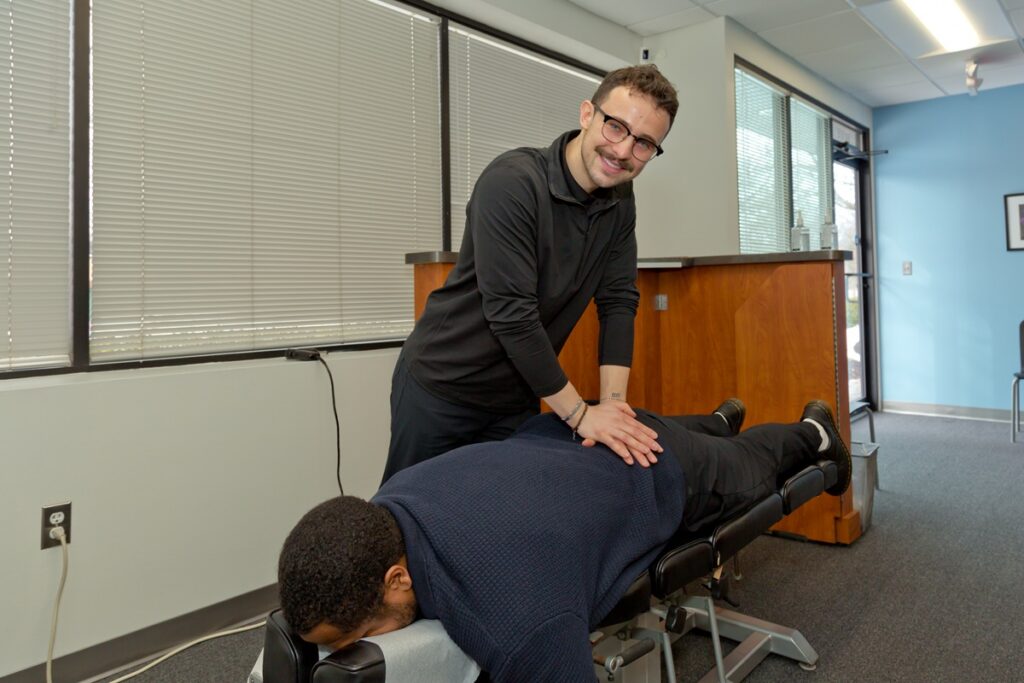
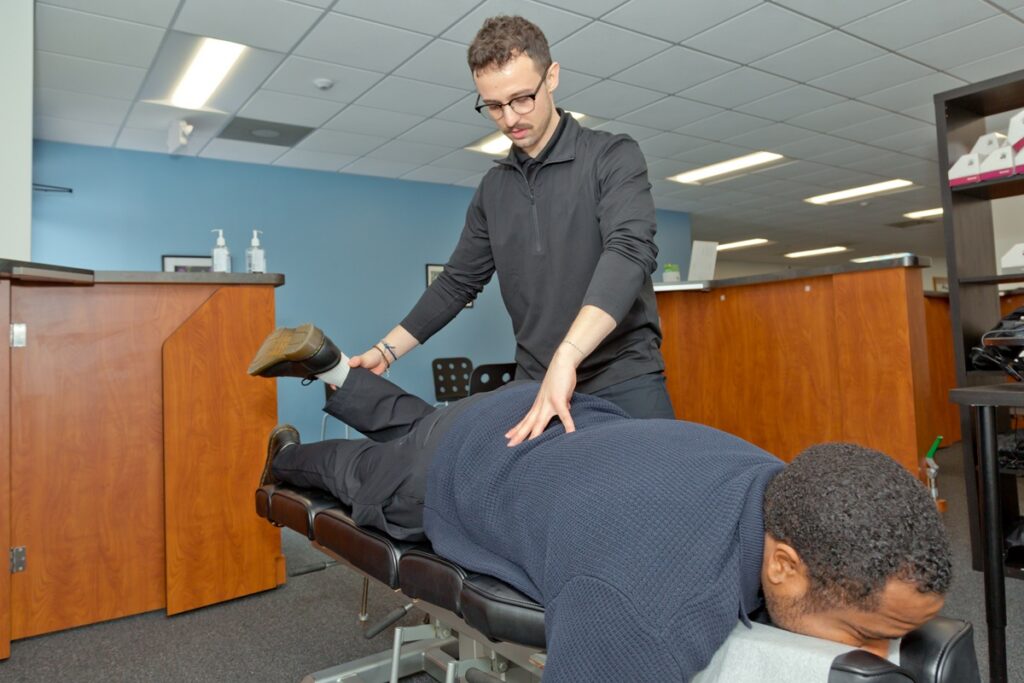
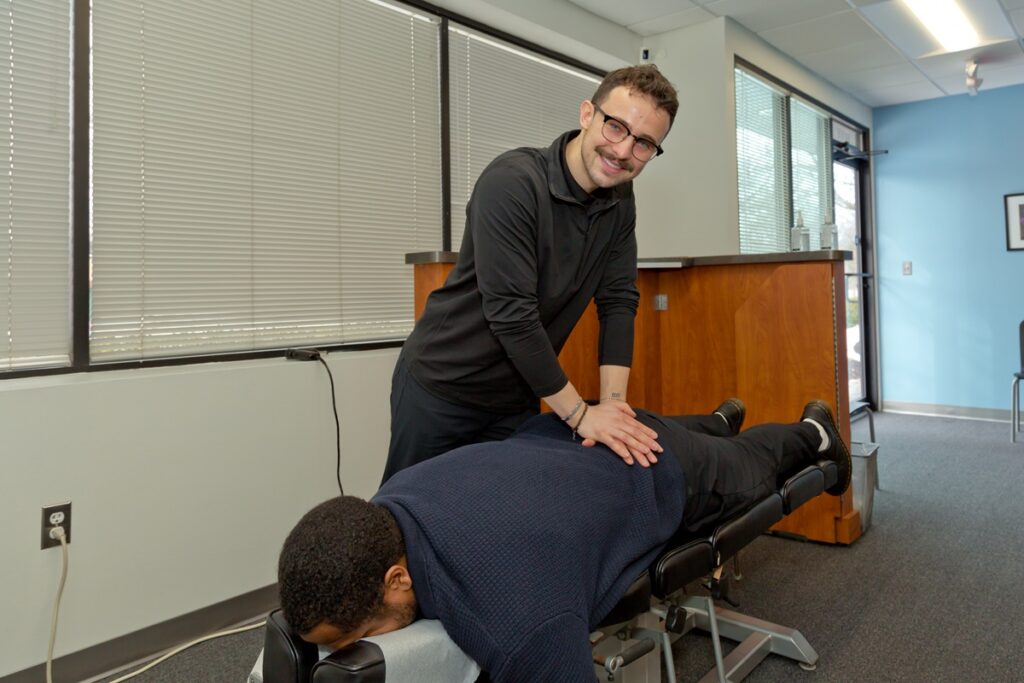
This is precisely the kind of issue chiropractic care is designed to identify and address. Through careful assessment, Dr. Connor Reed can pinpoint areas of joint dysfunction and use targeted chiropractic adjustments to restore proper motion and reduce nervous system irritation.
A Sedentary Lifestyle and Weak Core Muscles
The human spine was built for movement. It thrives when we walk, stretch, lift, rotate, and use our bodies regularly. But modern life often works against that design. Many people here in Columbia, MD, and across the country spend the majority of their waking hours sitting — which leads to a gradual weakening of the muscles that support the spine.
The core isn’t just your abdominals. It’s a complex group of muscles that wraps around the trunk, including deep spinal stabilizers, the pelvic floor, and the muscles of the hips and glutes. When these muscles are weak or poorly coordinated, the spine lacks the support it needs to handle daily loads and movements. The result? Even routine activities like standing, walking, or bending can place excessive stress on the vertebrae and discs.
Research suggests that regular, moderate physical activity — including core-strengthening exercises — plays an important role in both preventing and recovering from back pain. The American College of Physicians (ACP) has actually recommended exercise as a first-line treatment for chronic low back pain. Movement truly is medicine for the spine.
How Chiropractic Care Can Help
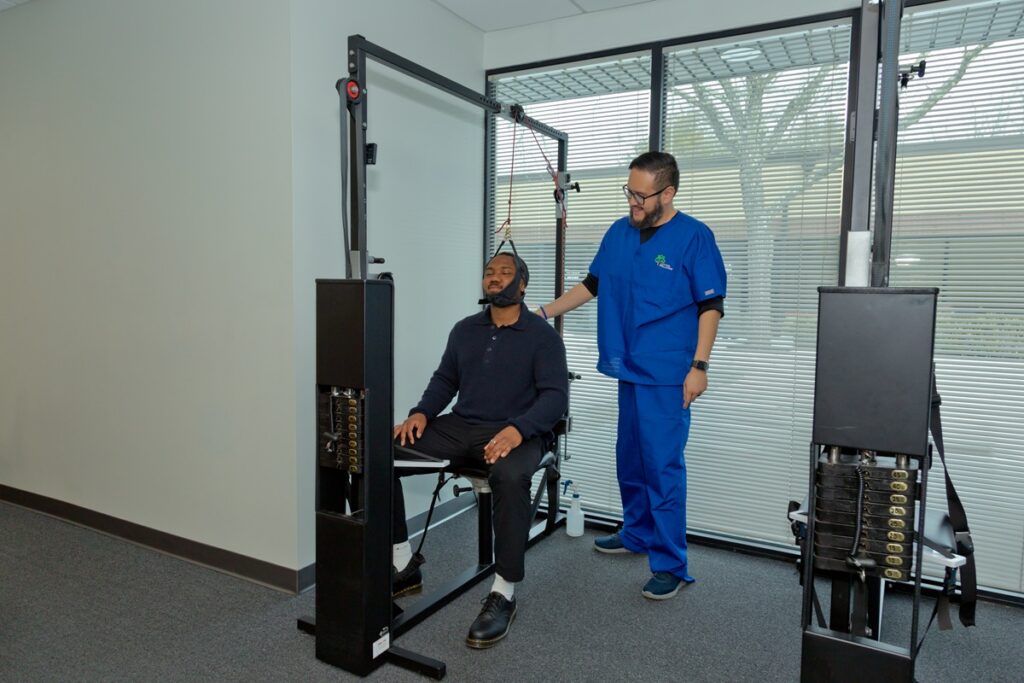
Chiropractic care takes a whole-body, drug-free, non-surgical approach to back pain. Rather than simply masking symptoms, the goal is to identify the root cause of your discomfort and address it at the source. At Living Wellness Chiropractic in Columbia, MD, Dr. Connor Reed begins with a thorough evaluation — reviewing your health history, assessing your posture and movement patterns, and examining the alignment and function of your spine.
From there, care may include spinal adjustments to restore proper joint motion, soft tissue work to address muscle tension, and guidance on posture, movement habits, and exercises you can do at home. Chiropractic care is individualized — what works for one patient may not be the best approach for another, and Dr. Connor Reed tailors recommendations based on each person’s specific situation and goals.
Evidence from organizations like the NCCIH (National Center for Complementary and Integrative Health) indicates that spinal manipulation has been shown to help reduce pain and improve function in people with acute and chronic low back pain. It’s widely recognized as a safe, conservative option worth exploring before turning to more invasive treatments.
Practical Tips for a Healthier Back
You don’t have to wait until pain becomes severe to start taking better care of your spine. There are plenty of simple, evidence-informed habits that can make a meaningful difference in how your back feels day to day.
Pay attention to how you sit. If you work at a desk, make sure your chair supports the natural curve of your lower back, your feet rest flat on the floor, and your screen is at eye level. Taking a short movement break every 30 to 45 minutes can help prevent the muscle fatigue that builds from prolonged static posture.
When lifting anything — whether it’s groceries, a child, or a box — bend at your knees and hips rather than your waist. Keep the object close to your body and avoid twisting your spine as you lift. These simple adjustments can go a long way in protecting your discs and joints from unnecessary stress.
Sleep position also matters. Sleeping on your back with a pillow under your knees, or on your side with a pillow between your legs, helps keep the spine in a neutral position through the night. Stomach sleeping tends to create excessive extension in the lower back and strain on the neck, so it’s generally best to avoid that position if back pain is an issue.
When to See a Chiropractor
Many people wait too long to seek care for back pain — hoping it will just go away on its own. And sometimes it does. But if your back pain has lasted more than a few days, keeps coming back, or is interfering with your sleep, work, or daily activities, it’s worth getting a professional evaluation.
At Living Wellness Chiropractic, Dr. Connor Reed welcomes patients who are experiencing new back pain, recurring discomfort, stiffness after long periods of sitting, or pain that radiates into the hips or legs. Even if you’re not sure whether chiropractic care is right for you, a conversation and a thorough evaluation can give you clarity on what’s happening and what your options are.
However, there are certain warning signs — called red flags — that warrant immediate medical attention rather than a chiropractic visit first. These include back pain following a significant trauma or fall, pain accompanied by loss of bladder or bowel control, severe progressive neurological symptoms, unexplained fever with back pain, or a history of cancer. If you experience any of these, please seek emergency medical care right away.
| Back Pain Cause | Common Trigger | How Chiropractic Can Help |
|---|---|---|
| Poor Posture | Prolonged desk work, phone use, slouching | Postural assessment, adjustments, ergonomic guidance |
| Muscle Strain | Improper lifting, sudden movement, overexertion | Soft tissue work, spinal adjustments, rehab exercises |
| Disc Problems | Repetitive stress, aging, injury | Gentle decompression techniques, reduced nerve irritation |
| Spinal Misalignment | Poor movement habits, old injuries, stress | Targeted spinal adjustments to restore joint motion |
| Weak Core / Sedentary Lifestyle | Minimal movement, prolonged sitting | Movement coaching, core stabilization guidance |
Myths vs. Facts About Back Pain
Myth: Back pain always means something is seriously wrong
Fact: The vast majority of back pain episodes are mechanical in nature — meaning they involve muscles, joints, and discs rather than serious underlying disease. Most cases of back pain improve with conservative, non-invasive care and do not require surgery or imaging to diagnose.
Myth: Rest is the best treatment for back pain
Fact: While a brief period of reduced activity may be necessary after an acute injury, prolonged bed rest has actually been shown to slow recovery and weaken the muscles that support the spine. Gentle movement, guided by a healthcare provider, is generally more effective for healing than complete rest.
Myth: Back pain is just part of getting older and can’t be helped
Fact: While the spine does change with age, back pain is not an inevitable or untreatable part of aging. Many older adults experience significant improvement in pain and function through chiropractic care, targeted exercise, and lifestyle modifications. Age alone is not a barrier to feeling better.
Myth: Chiropractic adjustments are dangerous
Fact: Chiropractic care is widely recognized as one of the safest forms of conservative care for back pain. Serious adverse events are extremely rare. Dr. Connor Reed always conducts a thorough evaluation before recommending any form of treatment to ensure it is appropriate and safe for each individual patient.
Myth: You need to be in severe pain before seeing a chiropractor
Fact: You don’t need to wait until pain becomes debilitating. In fact, addressing back pain earlier — when it’s mild or moderate — often leads to faster recovery and helps prevent the problem from becoming chronic. Regular chiropractic care can also play a role in preventive wellness.
Final Thoughts from Living Wellness Chiropractic
Back pain can be discouraging. It can get in the way of your work, your hobbies, your sleep, and your quality of life. But understanding why it happens is empowering — and knowing that safe, effective, non-invasive options exist can make a world of difference in how you approach your own care.
Here at Living Wellness Chiropractic in Columbia, MD, Dr. Connor Reed is committed to helping our community move better, feel better, and live well. Whether you’re dealing with a flare-up that just won’t quit, nagging stiffness you’ve learned to live with, or you simply want to be more proactive about your spinal health, our team is here to help you figure out your next best step — no pressure, no judgment, just honest and caring guidance.
If back pain has been holding you back, we’d love to be part of your path forward. You deserve to feel good in your own body, and that goal is always worth working toward.
Frequently Asked Questions
How do I know if my back pain is muscular or something more serious?
Muscular back pain typically feels sore or achy and often worsens with movement or prolonged posture. Pain that radiates down the leg, comes with numbness or tingling, or is accompanied by other unusual symptoms may suggest nerve involvement or a disc issue. A chiropractic evaluation can help determine the source and whether further imaging or referral is appropriate.
Can chiropractic care help with lower back pain specifically?
Yes. Lower back pain is one of the most common conditions that chiropractors address. Evidence from organizations like the NIH and ACP supports spinal manipulation as a beneficial option for both acute and chronic low back pain. Care is tailored to each patient’s specific presentation.
How long does it take for back pain to go away with chiropractic care?
Recovery timelines vary depending on the cause, severity, and how long the problem has been present. Some patients experience meaningful relief within a few visits, while chronic or more complex conditions may take longer to respond. Dr. Connor Reed will discuss realistic expectations with you based on your individual situation.
Is back pain from sitting at a desk fixable?
In most cases, yes. Posture-related back pain responds well to a combination of chiropractic adjustments, ergonomic improvements, and targeted movement habits. Making changes to your workstation setup and taking regular movement breaks can significantly reduce strain on the spine over time.
Should I see a chiropractor or a primary care doctor first for back pain?
Either can be a reasonable starting point, depending on your situation. Chiropractors are trained to evaluate and treat musculoskeletal back pain and can refer you to other providers if your condition requires a different level of care. For back pain without red-flag symptoms, chiropractic care is a well-supported first-line option.
Can back pain come back after chiropractic treatment?
It can, particularly if the underlying lifestyle factors — like prolonged sitting, poor posture, or core weakness — are not also addressed. That’s why Dr. Connor Reed at Living Wellness Chiropractic in Columbia, MD, focuses not just on relieving pain but on helping patients build habits that support long-term spinal health.
TL;DR
- The most common causes of back pain include poor posture, muscle strains, disc problems, spinal misalignment, and a sedentary lifestyle with weak core muscles.
- Most back pain is mechanical — meaning it involves muscles, joints, and discs — and responds well to conservative, non-invasive care.
- Chiropractic care, as offered by Dr. Connor Reed at Living Wellness Chiropractic in Columbia, MD, addresses root causes through spinal adjustments, soft tissue care, and lifestyle guidance.
- Simple daily habits — like improving your sitting posture, lifting correctly, and moving regularly — can make a significant difference in preventing and managing back pain.
- If back pain has been lasting more than a few days, recurring, or affecting your daily life, a professional chiropractic evaluation is a smart and safe next step.