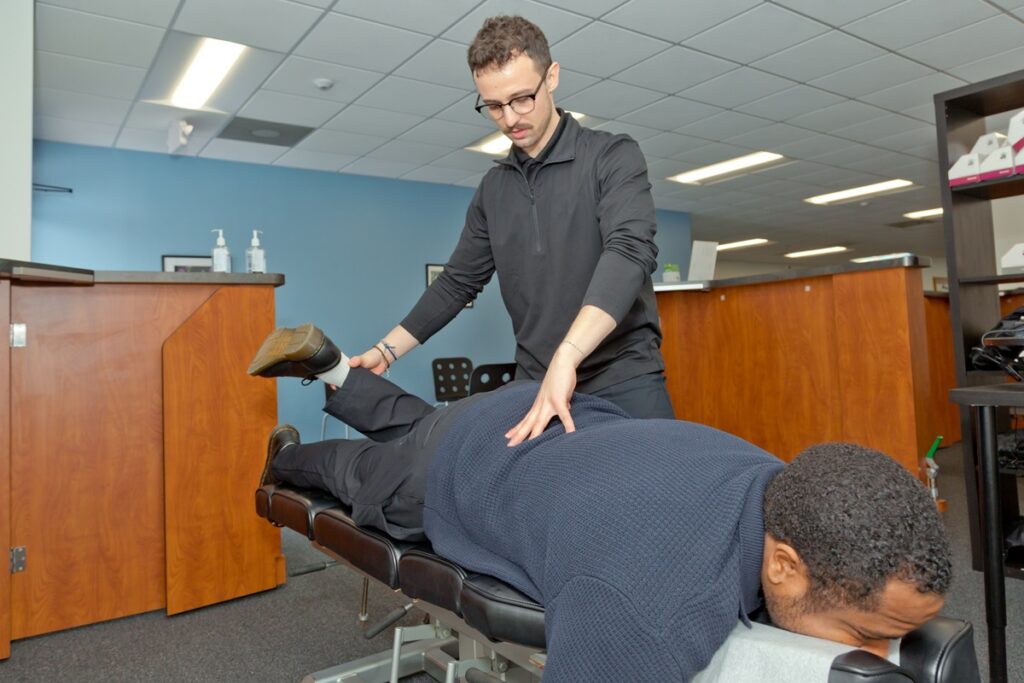
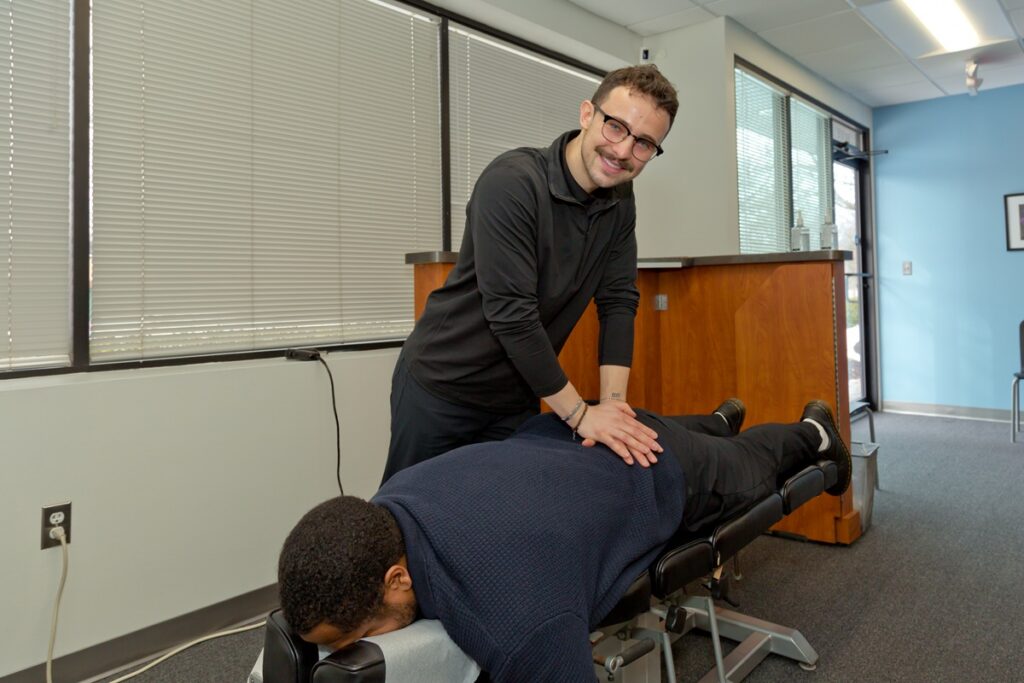

Lower back pain is one of the most common reasons people seek medical care, and if you’ve been dealing with it, you already know how much it can affect every part of your day. From getting out of bed in the morning to sitting at your desk or picking up your kids, the ache and stiffness can make even simple tasks feel like a challenge. The good news is that there are safe, non-invasive options that can genuinely help — and chiropractic adjustments for lower back pain are among the most well-researched conservative approaches available today. Here at Living Wellness Chiropractic in Columbia, MD, Dr. Connor Reed works with patients every week who are looking for real relief without relying solely on medication or surgery.
What Are Chiropractic Adjustments for Lower Back Pain?
Chiropractic adjustments — also called spinal manipulations — are hands-on techniques used to restore proper movement and alignment to the joints of the spine. When applied to the lower back, these gentle, controlled movements are designed to reduce joint restriction, ease muscle tension, and support the body’s natural healing process. They are a cornerstone of conservative care for lumbar pain and are widely recommended by leading health organizations worldwide.
What Causes Lower Back Pain?
Lower back pain doesn’t always come from one dramatic injury. In fact, most of the patients Dr. Connor Reed sees at Living Wellness Chiropractic in Columbia, MD have developed their discomfort gradually — often from a combination of poor posture, prolonged sitting, repetitive movements, or the accumulated stress of daily life. Understanding what’s driving your pain is the first step toward addressing it effectively.
The lumbar spine — the five vertebrae that make up your lower back — bears an enormous amount of mechanical load throughout the day. When the joints in this region lose their normal range of motion, the surrounding muscles often compensate by tightening up, creating that familiar cycle of stiffness and soreness. Common contributors include muscle strain or sprain, herniated or bulging discs, joint dysfunction (often called subluxation in chiropractic terms), degenerative disc changes, and postural imbalances from long hours of desk work or driving.
Here in Columbia, MD, a large portion of the community works in professional, office-based environments — which means prolonged sitting is a very real daily reality for many people. Sitting for extended periods compresses the lumbar discs and weakens the core muscles that support the spine. Over time, these patterns can create the exact conditions that lead to chronic lower back pain.
How Chiropractic Adjustments Work
When a joint in your lower back isn’t moving the way it should — whether it’s stuck in a restricted position or slightly misaligned — it can irritate the surrounding nerves, cause muscle guarding, and limit your ability to move comfortably. A chiropractic adjustment is a precise, controlled force applied to that joint with the goal of restoring its proper motion and reducing that irritation.
During an adjustment, you may hear a popping or clicking sound. This is simply the release of gas bubbles from within the joint fluid — a completely normal and harmless phenomenon. Many patients feel a sense of relief or looseness immediately following the adjustment. Others notice gradual improvement over several visits as the surrounding soft tissues begin to respond and the nervous system recalibrates.
It’s also worth understanding that chiropractic adjustments don’t work in isolation. Dr. Connor Reed takes a whole-body approach to care, meaning that along with spinal manipulation, he evaluates your posture, movement patterns, and lifestyle factors that may be contributing to your lower back pain. This comprehensive perspective is what makes chiropractic care so effective as a long-term strategy — not just a short-term fix.
The Benefits of Chiropractic Care for Lower Back Pain
The benefits of chiropractic adjustments for lower back pain are supported by a growing body of research. Organizations like the American College of Physicians (ACP) and the National Institutes of Health’s National Center for Complementary and Integrative Health (NCCIH) have recognized spinal manipulation as a viable first-line option for managing acute and chronic lower back pain. Evidence suggests it can reduce pain intensity, improve functional mobility, and help patients get back to their normal activities faster.
One of the most significant advantages of chiropractic care is that it’s non-invasive and drug-free. For many patients, this is especially important — particularly those who are concerned about the side effects of long-term pain medication use or who want to avoid surgical intervention if at all possible. Chiropractic adjustments address the mechanical cause of pain rather than simply masking the symptoms.
Beyond pain reduction, regular chiropractic care has been shown to help improve spinal flexibility and range of motion, which is critical for maintaining an active, healthy lifestyle as we age. Many patients at Living Wellness Chiropractic report that consistent care helps them stay more mobile, sleep better, and feel more confident in their movement — all of which contribute to a better overall quality of life.
Chiropractic care is also highly individualized. No two lower backs are exactly alike, and the approach Dr. Connor Reed uses is tailored specifically to each patient’s anatomy, history, and goals. This personalized care model means you’re not just receiving a generic treatment — you’re receiving a strategy built around your body and your life.
How Chiropractic Care Fits In at Living Wellness Chiropractic

At Living Wellness Chiropractic in Columbia, MD, the approach to lower back pain starts with a thorough evaluation. Dr. Connor Reed takes the time to listen to your history, understand your symptoms, and assess your spine’s function before recommending any course of care. This isn’t a one-size-fits-all clinic — it’s a place where patients are treated as whole people, not just a set of complaints.
Depending on your specific situation, care may include spinal adjustments targeted at the lumbar and sacral regions, along with complementary strategies to support your recovery. The goal is always to reduce your pain, restore your movement, and give you the tools to maintain a healthier spine long after you leave the office.
Dr. Connor Reed believes strongly in patient education. Understanding why your back hurts — and what you can do about it — is a powerful part of the healing process. When patients understand the mechanics of their pain, they’re better equipped to make the lifestyle adjustments that keep it from coming back.
Practical Tips to Support Your Lower Back Health
Whether you’re currently under chiropractic care or just beginning to think about it, there are meaningful steps you can take at home and at work to support your lower back. These aren’t complicated — they’re simple, consistent habits that add up over time.
Pay attention to how you sit. If you spend hours at a desk, make sure your chair supports the natural curve of your lower back, your feet are flat on the floor, and your screen is at eye level. Getting up and moving for even a few minutes every hour can make a significant difference in how your lumbar spine feels by the end of the day.
Gentle movement and stretching are important. Light activity — walking, gentle stretching, yoga — helps keep the muscles and joints of the lower back mobile and well-nourished. Prolonged rest and inactivity, while tempting when you’re in pain, can actually make lower back pain worse over time. Movement, done thoughtfully, is medicine.
Be mindful of how you lift. Bending at the hips and knees — rather than rounding the lower back — protects the lumbar discs and reduces your risk of strain. This applies whether you’re lifting a heavy box or picking up a small child.
Finally, prioritize sleep position and mattress support. Sleeping on a medium-firm surface and using a pillow between your knees (if you’re a side sleeper) can reduce the strain on your lower back through the night and help you wake up feeling more rested and less stiff.
When to See a Chiropractor for Lower Back Pain
If your lower back pain has lasted more than a few days without improvement, or if it’s affecting your ability to work, exercise, or enjoy daily life, it’s worth getting a professional evaluation. Chiropractic care is particularly well-suited for musculoskeletal lower back pain — meaning pain that originates from muscles, joints, or the spine itself rather than from an internal organ or systemic condition.
Many patients benefit from early intervention. Research suggests that addressing lower back pain sooner rather than later can reduce the likelihood of it becoming a chronic, long-term problem. If you’ve been telling yourself you’ll “wait and see,” consider this your gentle nudge to take action.
That said, there are certain symptoms that warrant urgent medical attention rather than a chiropractic visit. If your lower back pain is accompanied by loss of bladder or bowel control, numbness in the groin or inner thighs (sometimes called saddle anesthesia), severe progressive leg weakness, or follows significant trauma such as a fall or accident, please seek emergency medical care right away. Dr. Connor Reed is committed to making sure every patient at Living Wellness Chiropractic receives the right level of care — and when a referral is needed, he won’t hesitate to make one.
Lower Back Pain: Common Triggers vs. Chiropractic Solutions
Common Trigger |
How It Affects the Lower Back |
How Chiropractic Care May Help |
|---|---|---|
|
Prolonged sitting |
Compresses lumbar discs, weakens core support muscles |
Restores joint mobility, reduces disc pressure through spinal adjustment |
|
Poor posture |
Alters spinal alignment, increases muscle fatigue |
Corrects alignment patterns, addresses compensatory tension |
|
Muscle strain |
Causes localized pain, guarding, and limited range of motion |
Reduces muscle tension, improves joint movement to relieve guarding |
|
Can irritate nearby nerves, causing pain, tingling, or weakness |
Gentle techniques may reduce nerve irritation and improve function |
|
|
Repetitive movement patterns |
Creates uneven wear on spinal joints and soft tissues |
Identifies and corrects biomechanical imbalances contributing to overuse |
Myths vs. Facts About Chiropractic Adjustments for Lower Back Pain
Myth: Chiropractic adjustments are dangerous or can make your back worse.
Fact: Chiropractic care is widely recognized as one of the safest conservative treatments for lower back pain. Serious adverse events from lumbar spinal manipulation are very rare. A thorough evaluation before care begins helps identify whether adjustments are appropriate for your specific situation.
Myth: Once you start chiropractic care, you have to go forever.
Fact: Care plans at Living Wellness Chiropractic are individualized and goal-oriented. Some patients need a short course of care to resolve an acute issue, while others choose to continue with periodic visits for wellness maintenance — but that’s always a personal choice, never an obligation.
Myth: Chiropractic only helps with back pain temporarily.
Fact: While a single adjustment can provide short-term relief, a full course of care combined with lifestyle education is aimed at producing lasting improvements. Evidence indicates that patients who combine chiropractic care with exercise and ergonomic improvements tend to have better long-term outcomes.
Myth: You need to be in severe pain to see a chiropractor.
Fact: Many patients see Dr. Connor Reed at Living Wellness Chiropractic before their pain becomes severe — and that’s actually ideal. Early intervention for minor aches and movement restrictions can prevent small issues from becoming chronic problems.
Myth: Chiropractic adjustments are only for the elderly or athletes.
Fact: Lower back pain affects people of all ages, professions, and activity levels. Chiropractic care is appropriate for adults across the board — from office workers and parents to active individuals and older adults seeking to maintain mobility.
Final Thoughts
Lower back pain doesn’t have to be something you just learn to live with. There are real, evidence-based options available — and chiropractic adjustments for lower back pain represent one of the most trusted, drug-free paths to genuine relief and recovery. Whether you’ve been dealing with occasional soreness or persistent, life-limiting pain, getting a professional evaluation is the first and most important step.
Here in Columbia, MD, the team at Living Wellness Chiropractic is committed to helping members of our community feel and move better — without unnecessary procedures or medications. Dr. Connor Reed brings a thoughtful, patient-centered approach to every person who walks through the door, and his goal is always the same: to help you understand your body, address the root cause of your pain, and give you the tools to stay well for the long term.
If lower back pain has been holding you back, we encourage you to take that step. Living Wellness Chiropractic is proud to serve the Columbia, MD community, and we’d be glad to be a part of your journey toward a healthier, more comfortable life.
Frequently Asked Questions
How many chiropractic visits does it take to feel relief from lower back pain?
This varies depending on the individual, the severity of the condition, and how long the pain has been present. Some patients notice improvement after just a few visits, while others with more complex or chronic issues may need a longer course of care. Dr. Connor Reed will give you a realistic expectation during your initial evaluation at Living Wellness Chiropractic.
Is chiropractic care safe if I have a herniated disc?
In many cases, yes — chiropractic care can be appropriate and beneficial for herniated discs, depending on the severity and location. Dr. Connor Reed performs a careful assessment to determine which techniques are safe and effective for your specific situation. Cases involving significant nerve compression or neurological symptoms are evaluated carefully, and referrals are made when appropriate.
Can chiropractic adjustments help with sciatica related to lower back issues?
Sciatica — pain, tingling, or numbness that radiates from the lower back into the leg — is often related to nerve irritation in the lumbar spine. Research suggests that spinal manipulation may help reduce sciatic symptoms by addressing the mechanical factors contributing to nerve irritation. An evaluation will help determine whether chiropractic care is a good fit for your specific presentation.
Do chiropractic adjustments hurt?
Most patients find chiropractic adjustments to be comfortable, and many actually feel a sense of relief immediately afterward. Some mild soreness can occur in the first day or two following an adjustment, similar to how muscles feel after a good workout. Dr. Connor Reed always uses techniques that are appropriate to your comfort level and condition.
Can I see a chiropractor for lower back pain if I’ve already had back surgery?
In many cases, chiropractic care can be provided safely to patients with prior back surgery, though the approach may be modified. It’s important to disclose your surgical history during your evaluation so that care can be tailored appropriately. Areas adjacent to a surgical site, for example, can often still benefit from conservative chiropractic techniques.
How is chiropractic care different from physical therapy for lower back pain?
Both are valuable conservative approaches, and they can complement one another. Chiropractic care focuses primarily on restoring proper joint function and alignment through spinal manipulation and related techniques. Physical therapy tends to emphasize rehabilitation exercises and functional movement patterns. Many patients benefit from one or both, depending on their condition and goals.
TL;DR — Key Takeaways
-
Chiropractic adjustments for lower back pain are a safe, drug-free, and well-supported conservative treatment option recognized by major health organizations.
-
Lower back pain is often caused by joint dysfunction, muscle strain, poor posture, or prolonged sitting — all of which chiropractic care can help address.
-
Dr. Connor Reed at Living Wellness Chiropractic in Columbia, MD provides individualized, whole-body care designed to reduce pain and restore healthy movement.
-
Simple habits — like improving your sitting posture, moving regularly, and lifting correctly — can support the results of chiropractic care and help prevent recurrence.
-
If your lower back pain has lasted more than a few days or is limiting your daily life, getting a professional evaluation sooner rather than later is always the right call.