

If you’ve recently been in a car accident or experienced a sudden jolt to your head and neck, you may already be familiar with that nagging stiffness, soreness, and limited range of motion that follows. Whiplash is one of the most common injuries we see here at Living Wellness Chiropractic in Columbia, MD — and unfortunately, it’s also one of the most misunderstood. Many people assume it will simply “go away on its own,” only to find weeks later that their pain has deepened or spread. The good news is that chiropractic care for whiplash is a well-established, drug-free, and non-invasive approach that can help you recover more fully and get back to feeling like yourself again.
What Is Whiplash?
Whiplash is a soft tissue injury to the neck caused by a rapid, forceful back-and-forth movement of the head — similar to the cracking of a whip. It most commonly results from rear-end car accidents, but can also occur during contact sports, falls, or other physical trauma. The injury affects the muscles, ligaments, tendons, and joints of the cervical spine (the neck region), and symptoms can range from mild discomfort to debilitating pain.
What Happens to Your Neck During Whiplash
To understand why whiplash can be so disruptive, it helps to picture what’s actually happening inside your neck during the moment of impact. When your vehicle is struck from behind — or when you experience any sudden forceful jolt — your head is thrown forward and then snapped backward in a fraction of a second. This happens faster than your muscles can react to protect you.
During this motion, the cervical vertebrae (the bones of your neck) can shift into an abnormal S-shaped curve rather than their natural C-shaped curve. This places intense strain on the soft tissues surrounding the spine — including muscles, tendons, ligaments, and the discs between your vertebrae. In some cases, the facet joints (small joints along the back of the spine) can become irritated or compressed, contributing significantly to pain and stiffness.
What makes whiplash particularly tricky is that the full extent of the injury isn’t always apparent right away. Adrenaline from the accident can mask pain in the immediate aftermath. It’s very common for people to feel relatively fine for the first 24 to 72 hours, only to wake up one morning with a stiff neck, headaches, or shoulder pain that seems to have appeared out of nowhere. This delayed onset is one of the reasons early evaluation is so important.
Signs and Symptoms to Watch For
Whiplash presents differently from person to person, and the severity of symptoms doesn’t always correlate with the force of the impact. Some people involved in low-speed collisions experience significant discomfort, while others in more serious accidents may have milder symptoms. Here in Columbia, MD, Dr. Connor Reed at Living Wellness Chiropractic evaluates each patient individually because no two whiplash injuries are exactly alike.
The most frequently reported symptom is neck pain and stiffness — often described as a deep, aching soreness that worsens with movement. Headaches, particularly those starting at the base of the skull, are also extremely common. Some patients experience pain, tingling, or numbness that radiates into the shoulders, arms, or hands, which may indicate that nearby nerves are being affected by swollen or displaced tissue.
Beyond the physical symptoms, whiplash can also impact concentration, sleep quality, and mood. Some patients report feeling foggy or mentally sluggish — a phenomenon sometimes referred to as “whiplash-associated disorder,” which acknowledges that the nervous system, not just the muscles and joints, can be disrupted by this type of injury. If you’re experiencing any of these symptoms after an accident or trauma, getting a proper evaluation sooner rather than later is always the wisest choice.
How Chiropractic Care Addresses Whiplash
Chiropractic care is widely recognized as one of the most appropriate conservative treatments for whiplash-related injuries. Guidelines from organizations like the National Institute for Health and Care Excellence (NICE) and the American Chiropractic Association support manual therapy and exercise-based approaches as effective options for neck pain and soft tissue injuries. At Living Wellness Chiropractic, Dr. Connor Reed takes a thorough, individualized approach to caring for whiplash patients in the Columbia, MD community.
The first step is always a comprehensive evaluation. Dr. Reed will assess your range of motion, posture, spinal alignment, muscle tension, and neurological function. This helps create a clear picture of which structures were injured and how severely. From there, a care plan is developed that is specific to your condition and your goals.
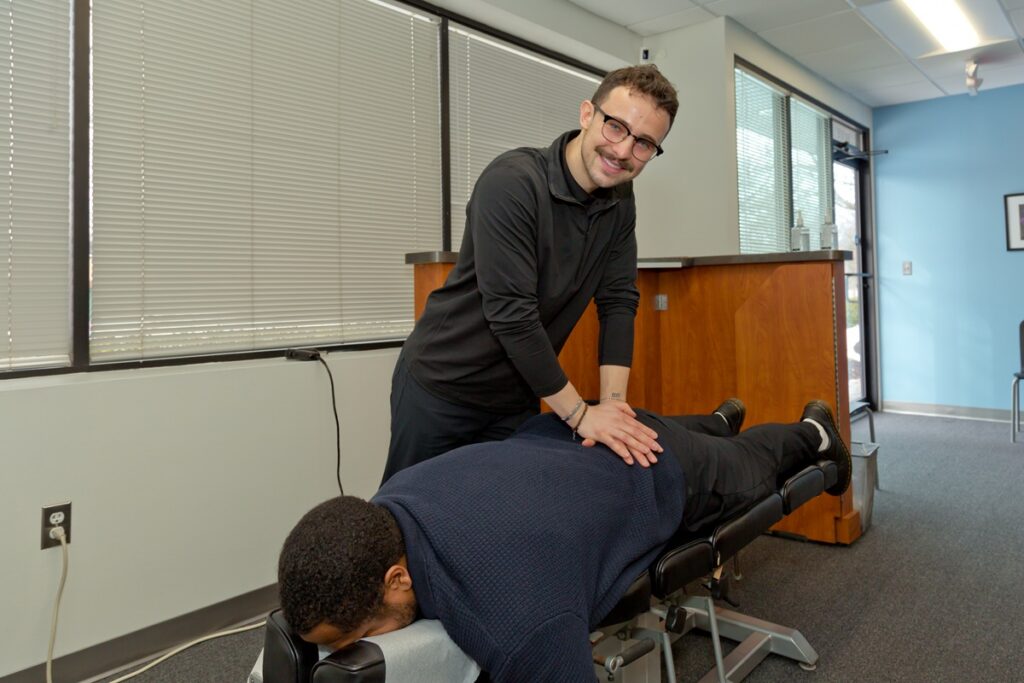
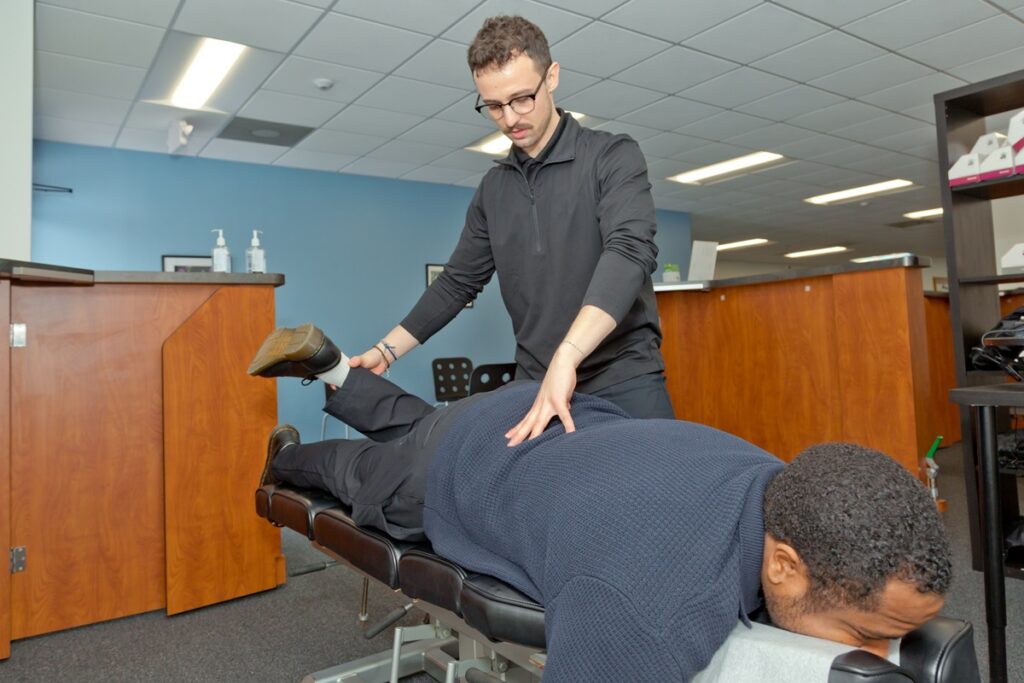
Spinal manipulation — often called a chiropractic adjustment — is one of the primary tools used to address whiplash. Gentle, targeted adjustments to the cervical spine can help restore proper joint motion, reduce nerve irritation, and decrease muscle tension. Research published in sources like the Spine Journal has suggested that manual therapy is effective for acute and chronic neck pain, particularly when combined with rehabilitative exercise.
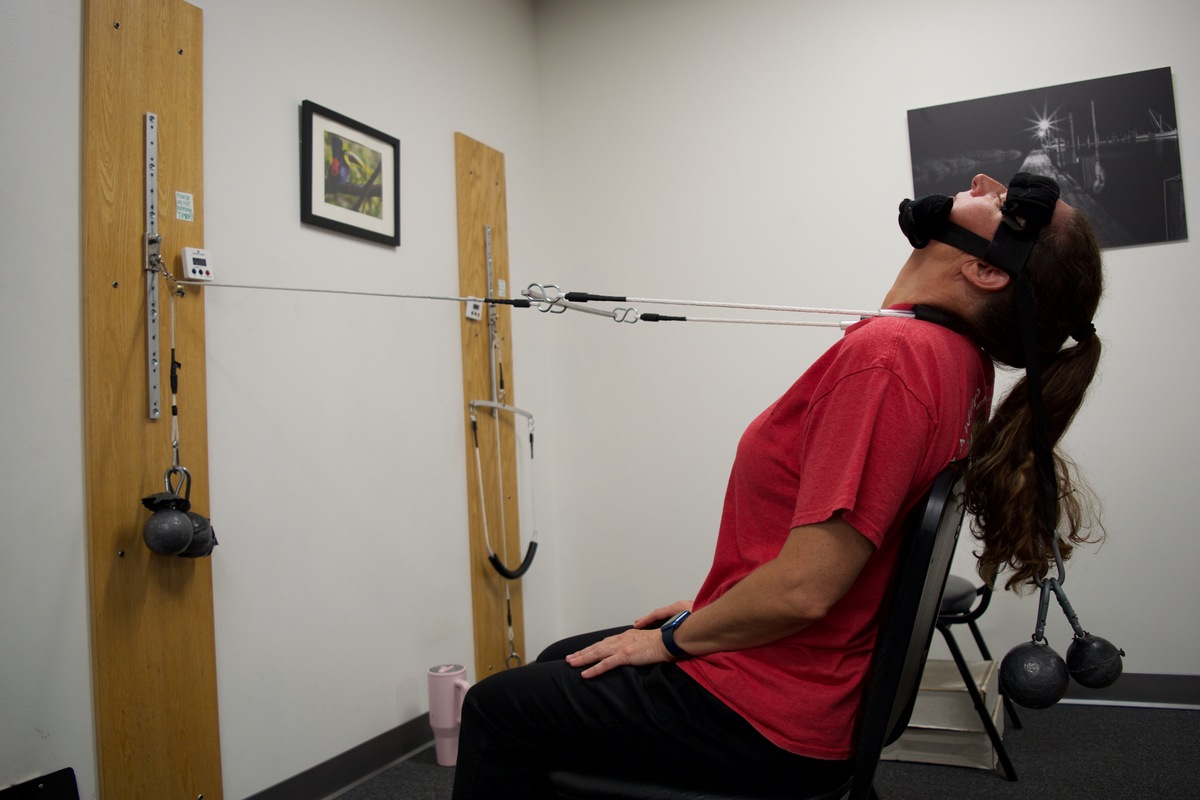
In addition to spinal adjustments, chiropractic care for whiplash may include soft tissue therapies to address muscle spasm and scar tissue formation, therapeutic exercises to rebuild strength and flexibility in the neck and upper back, and postural guidance to reduce strain during your daily activities. The goal isn’t just to reduce pain — it’s to restore the kind of full, functional movement that lets you get back to work, exercise, sleep, and everything else that matters to you.
Practical Tips for Supporting Your Recovery
Chiropractic adjustments are an important part of recovering from whiplash, but what you do between appointments matters just as much. Dr. Connor Reed and the team at Living Wellness Chiropractic in Columbia, MD often remind patients that healing happens around the clock — not just in the treatment room.
One of the most important things you can do in the first few days after a whiplash injury is to avoid complete immobility. While it may be tempting to hold your neck perfectly still to avoid pain, research suggests that gentle, early movement actually supports faster healing and better long-term outcomes compared to prolonged rest or rigid neck bracing. Moving within a comfortable, pain-free range helps reduce inflammation and prevents the muscles from becoming further deconditioned.
Applying ice in the first 48 to 72 hours can help manage swelling and acute pain. After that initial period, gentle heat may be more appropriate for loosening tight muscles. Sleep position also plays a role — using a supportive, appropriately sized pillow that keeps your neck in a neutral alignment can make a meaningful difference in how you feel each morning.
Staying well-hydrated supports disc health and tissue repair, and many patients find that reducing prolonged screen time (which encourages forward head posture) helps minimize strain on the healing neck. Small, consistent habits add up significantly over the course of your recovery.
When to See a Chiropractor for Whiplash
Ideally, you should seek an evaluation as soon as possible after a neck injury — even if your symptoms feel manageable at first. Early intervention can prevent compensatory movement patterns from setting in, reduce the likelihood of chronic pain developing, and give you a clear baseline understanding of what’s happening in your spine.
You should schedule an appointment with Dr. Connor Reed at Living Wellness Chiropractic if you’re experiencing neck pain or stiffness following an accident, headaches that start at the base of your skull, reduced range of motion in your neck, or pain, numbness, or tingling that travels into your arms or hands.
There are also certain symptoms that warrant immediate medical attention before beginning chiropractic care. These include severe neurological symptoms such as weakness in the arms or legs, difficulty with coordination or balance, loss of bladder or bowel control, or significant difficulty swallowing. These may indicate a more serious injury that requires imaging or emergency evaluation. A good chiropractor will always refer you appropriately when these red flags are present — and at Living Wellness Chiropractic, your safety is always the top priority.
Treatment Approaches at a Glance
Approach |
Primary Goal |
Invasive? |
Common Use for Whiplash |
|---|---|---|---|
|
Chiropractic Care |
Restore joint motion, reduce nerve irritation, relieve muscle tension |
No |
Yes — widely used and supported by conservative care guidelines |
|
Pain Medication |
Symptom management (pain and inflammation) |
No (oral) |
Often used short-term; does not address structural causes |
|
Physical Therapy |
Strengthen muscles, restore range of motion |
No |
Yes — often combined with manual therapy approaches |
|
Surgery |
Correct structural damage in severe cases |
Yes |
Rarely needed; reserved for serious complications |
|
Rest/Immobilization |
Protect the injured area |
No |
Limited; evidence suggests prolonged rest may slow recovery |
Common Myths About Whiplash
Myth: Whiplash only happens in serious, high-speed accidents.
Fact: Whiplash can occur even in low-speed collisions. The speed of the vehicle matters less than the sudden, unexpected nature of the movement and how the force is transferred through the neck. Many patients with significant symptoms were involved in what might appear to be “minor” accidents.
Myth: If you don’t have pain right away, you weren’t injured.
Fact: Delayed symptom onset is extremely common with whiplash. The body’s natural stress response can mask pain in the immediate aftermath of an accident. Symptoms often peak 24 to 72 hours after the injury — which is exactly why a prompt evaluation is so valuable even when you feel “okay” initially.
Myth: Whiplash always heals on its own within a few weeks.
Fact: While many acute whiplash cases do improve with appropriate care, a significant number of people develop chronic neck pain, headaches, or restricted movement that can persist for months or even years if the underlying spinal and soft tissue dysfunction isn’t properly addressed. Early, targeted treatment improves outcomes.
Myth: Chiropractic adjustments are too risky for an injured neck.
Fact: When performed by a licensed, trained chiropractor, spinal adjustments are considered safe and appropriate for most whiplash-related neck injuries. Dr. Connor Reed conducts a thorough evaluation before any treatment begins to ensure that care is appropriate for your specific condition. Chiropractic techniques are also highly adaptable — gentle approaches can be used when needed.
Myth: You need an MRI before seeing a chiropractor.
Fact: In many cases, a thorough clinical evaluation is sufficient to begin conservative chiropractic care. Imaging may be recommended in certain situations — such as when there is suspicion of fracture or significant neurological involvement — but it is not always a prerequisite. Your chiropractor will guide you based on your individual presentation.
Final Thoughts from Living Wellness Chiropractic
Recovering from whiplash can feel overwhelming, especially when you’re dealing with pain and uncertainty about how long it will take to feel better. But here’s what we want the Columbia, MD community to know: you don’t have to push through it alone, and you don’t have to rely on medications that only mask what’s really happening in your body.
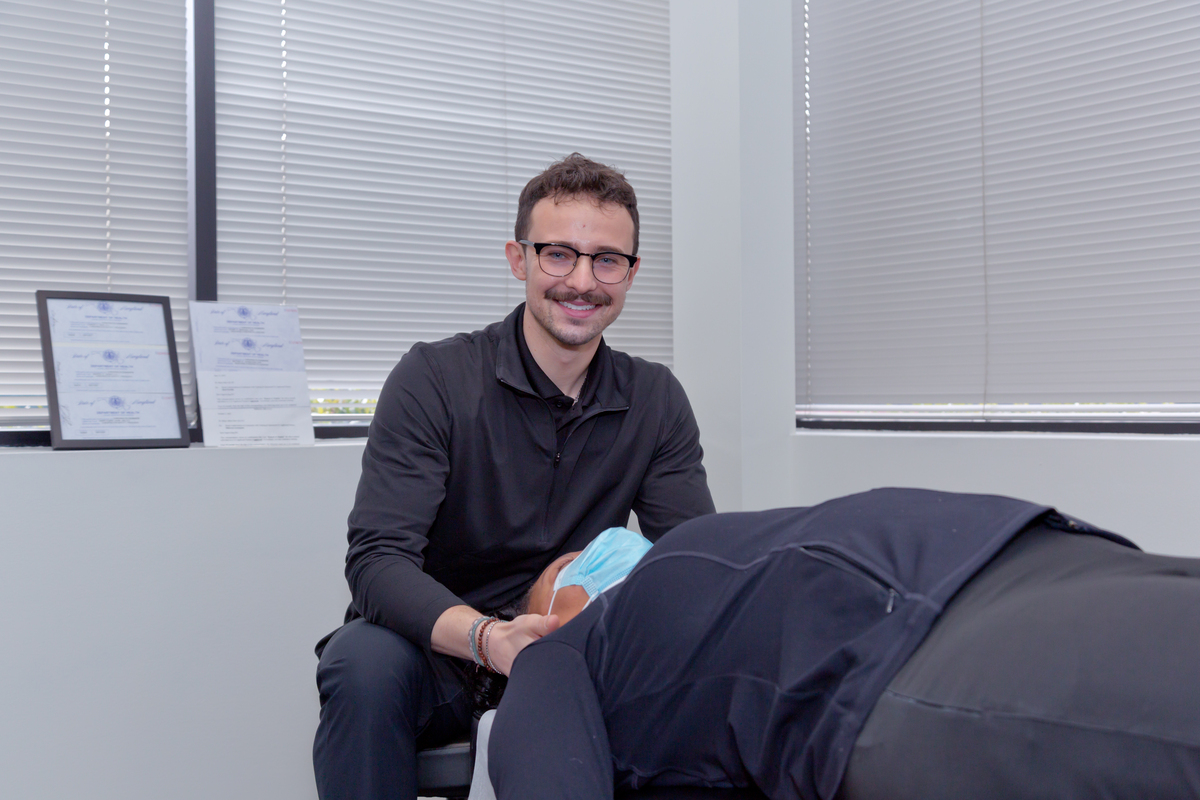
At Living Wellness Chiropractic, Dr. Connor Reed is committed to helping each patient understand their injury, feel heard during their care, and move forward with a plan that actually addresses the root of the problem. Whether your injury is fresh from a recent accident or you’ve been dealing with lingering neck pain for longer than you’d like, there’s real hope for improvement through individualized, evidence-informed chiropractic care.
We are proud to serve the Columbia, MD community and surrounding areas, and we welcome anyone who has questions about whiplash, neck pain, or how chiropractic care might support their recovery. Taking that first step toward evaluation is often the most important one you’ll make in your healing journey.
Frequently Asked Questions
How many chiropractic visits does it take to recover from whiplash?
The number of visits depends on the severity of the injury, how long symptoms have been present, and how your body responds to care. Mild whiplash cases may see improvement within a handful of visits, while more complex cases can require several weeks of consistent treatment. Dr. Connor Reed will reassess your progress regularly and adjust your care plan accordingly.
Can I see a chiropractor for whiplash even if it’s been months since my accident?
Absolutely. While earlier intervention tends to produce better outcomes, chiropractic care can still be beneficial for chronic whiplash-related pain and stiffness. Many patients at Living Wellness Chiropractic in Columbia, MD come in long after their initial injury and still experience meaningful improvement with the right approach.
Is chiropractic care for whiplash safe?
Yes, when performed by a licensed chiropractor following a thorough evaluation, chiropractic care is considered a safe and appropriate conservative treatment for whiplash. Dr. Connor Reed always screens patients carefully before beginning treatment to ensure that care is suitable for their individual condition.
Will I need X-rays before my first chiropractic appointment?
Not always. Imaging is recommended on a case-by-case basis depending on your history, symptoms, and clinical findings. Your chiropractor will determine whether X-rays or other imaging are necessary to safely guide your care.
What is the difference between whiplash and a herniated disc in the neck?
Whiplash is a general term for soft tissue injury caused by rapid neck movement, while a herniated disc refers specifically to damage to the disc material between vertebrae. Whiplash can sometimes involve disc injury, which is why a thorough evaluation is important. Both conditions can be assessed and — in many cases — treated conservatively through chiropractic care.
Can whiplash cause headaches?
Yes, whiplash-related headaches are very common. They typically originate at the base of the skull and may be caused by muscle tension, joint irritation, or nerve involvement in the upper cervical spine. These headaches often respond well to chiropractic treatment targeting the cervical spine and surrounding soft tissues.
TL;DR Summary
-
Whiplash is a soft tissue neck injury caused by rapid, forceful head movement — most often from car accidents — and symptoms can be delayed by 24 to 72 hours.
-
Common symptoms include neck pain, stiffness, headaches, and radiating discomfort into the arms, and the condition can affect both physical and neurological function.
-
Chiropractic care is a well-supported, non-invasive approach to treating whiplash that focuses on restoring joint motion, relieving muscle tension, and reducing nerve irritation.
-
Early evaluation leads to better outcomes, but chiropractic care can also help patients with chronic, long-standing whiplash symptoms.
-
Dr. Connor Reed at Living Wellness Chiropractic in Columbia, MD provides individualized whiplash care designed to address the root cause of pain — not just the symptoms.