

Knee pain has a way of creeping into everyday life when you least expect it — whether it’s that familiar ache when you climb the stairs, a sharp twinge during your morning run, or that stiff, swollen feeling that makes getting out of bed in the morning feel like a chore. If you’re dealing with knee pain in Columbia, Maryland, you’re far from alone. The knee is one of the most complex joints in the human body, and it’s also one of the most vulnerable to both sudden injury and gradual wear. The good news is that knee pain is also one of the most treatable conditions through conservative, non-invasive care — and understanding what’s happening in your knee is the first step toward feeling better.
What Is Knee Pain?
Knee pain refers to any discomfort, aching, stiffness, or instability felt in or around the knee joint. It can stem from the bones, cartilage, ligaments, tendons, muscles, or bursae (the small fluid-filled sacs that cushion the joint). Knee pain may develop suddenly after an injury, or it can build gradually over time due to repetitive stress, posture problems, or degenerative changes.
What Causes Knee Pain?
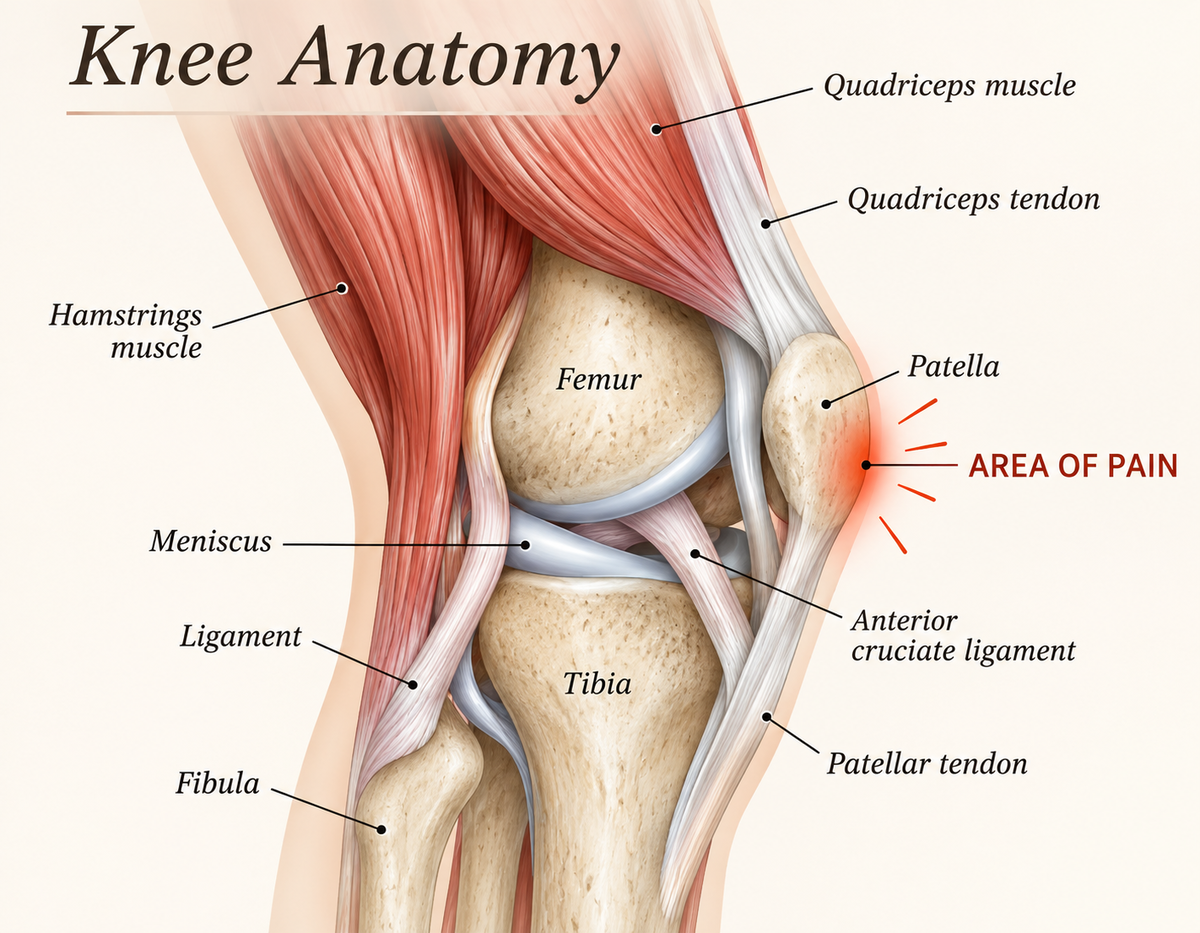
The knee is essentially a hinge joint where your thigh bone (femur), shin bone (tibia), and kneecap (patella) all meet. Because it carries your body weight through countless daily movements — walking, sitting, squatting, climbing — it’s exposed to a significant amount of mechanical stress. Several different factors can throw this balance off and lead to pain.
One of the most common culprits we see here in Columbia is overuse. Runners, cyclists, and people who spend long hours on their feet often develop conditions like patellofemoral syndrome (sometimes called “runner’s knee”) or iliotibial band syndrome. These aren’t dramatic injuries — they sneak up on you over weeks or months of repetitive movement without adequate rest or recovery.
Acute injuries are another major category. A sudden twist, a hard landing, or a direct blow to the knee can damage the meniscus (the cartilage that acts as a shock absorber between your bones), stretch or tear ligaments like the ACL or MCL, or cause a patellar dislocation. These types of injuries often happen during sports, but they can also occur during something as routine as stepping off a curb awkwardly.
Degenerative conditions like osteoarthritis become increasingly common with age. Over time, the cartilage inside the knee wears down, leading to bone-on-bone friction, inflammation, stiffness, and chronic pain. This is something many of our patients at Living Wellness Chiropractic in Columbia, MD begin noticing in their 40s, 50s, and beyond — though it can affect younger people too, especially those with a history of knee injuries.
Finally, biomechanical imbalances throughout the body can quietly contribute to knee problems. Poor hip strength, flat arches in the feet, misaligned pelvic positioning, or uneven leg mechanics can all place excessive strain on the knee over time. This is one of the reasons why treating knee pain effectively often requires looking at the entire musculoskeletal system, not just the knee itself.
Common Symptoms of Knee Injuries
Knee symptoms can vary widely depending on the underlying cause, but some of the most frequently reported signs include persistent aching or throbbing pain, swelling around the joint, warmth or redness to the touch, stiffness (especially in the morning or after sitting for a long time), a clicking or popping sensation, and feelings of instability or “giving way” when walking or standing.
Locating where the pain is felt can offer useful clues. Pain on the front of the knee, around the kneecap, is often associated with patellofemoral syndrome or patellar tendinitis. Pain on the inner (medial) side of the knee frequently points toward a meniscus issue or MCL strain. Pain on the outer (lateral) side may suggest IT band syndrome or LCL involvement. Deep, diffuse joint pain is more characteristic of osteoarthritis or bursitis.
It’s also worth paying attention to when your pain occurs. Pain that flares up during activity but settles quickly with rest often signals an overuse or mechanical issue. Pain that lingers even at rest, or that wakes you up at night, may suggest a more significant inflammatory process that warrants prompt evaluation. Dr. Connor Reed and the team at Living Wellness Chiropractic take the time to carefully assess these symptom patterns during every patient visit.
How Chiropractic Care Fits In
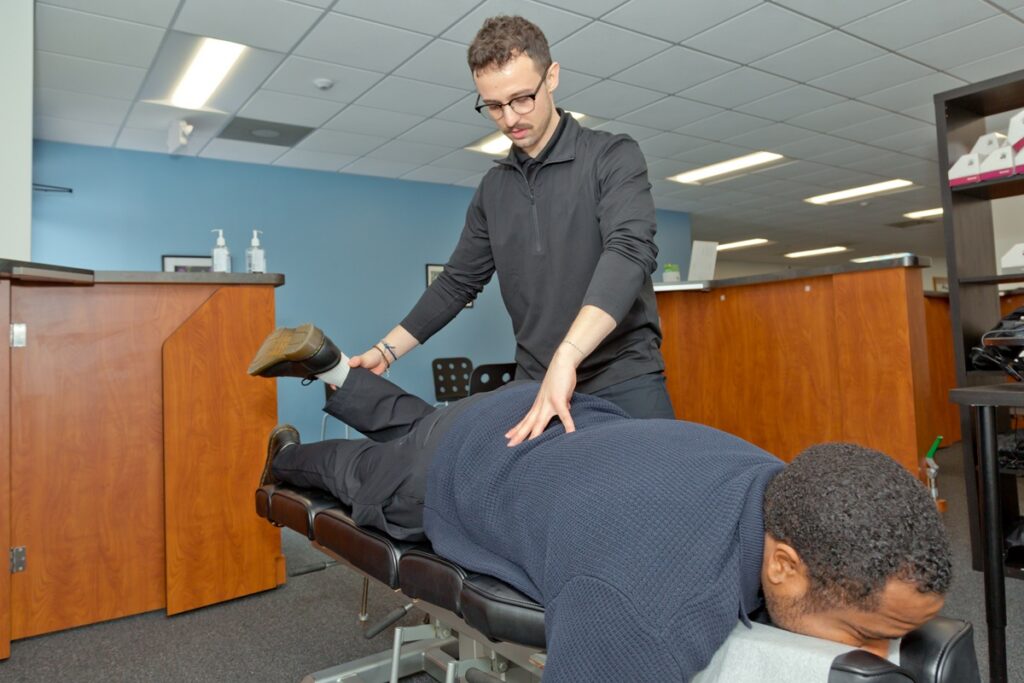
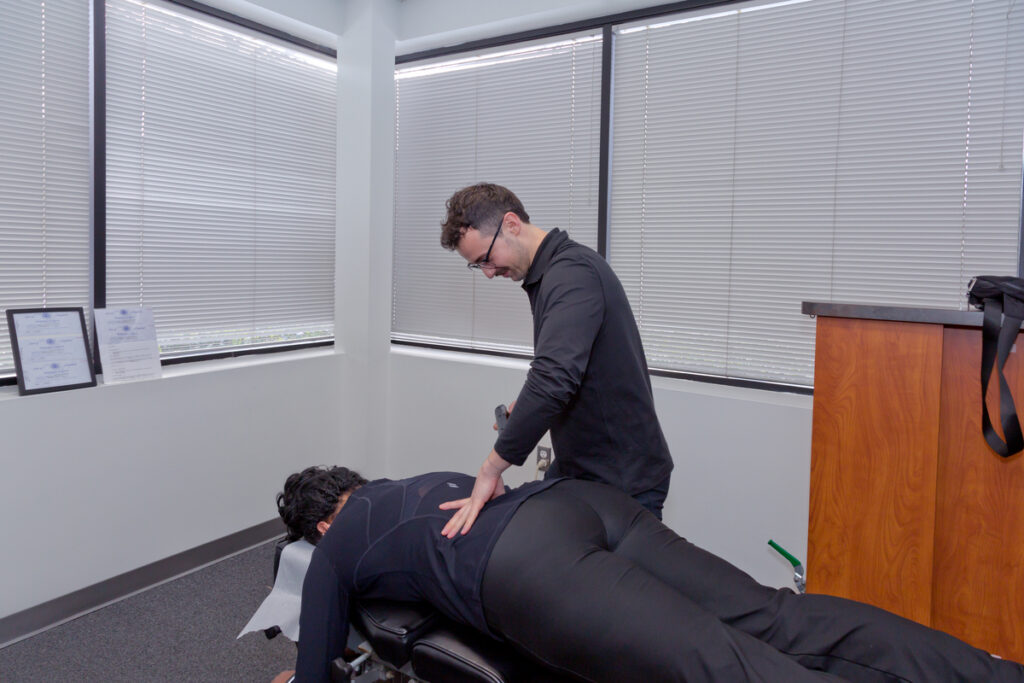
Many people are surprised to learn that chiropractors play a meaningful role in evaluating and managing knee pain. Chiropractic care is grounded in the principle that the musculoskeletal system functions best when the spine, joints, and surrounding tissues are properly aligned and moving freely. When it comes to the knee, this philosophy translates into a thorough assessment of not just the knee itself, but the hips, pelvis, lower back, and even the feet.
At Living Wellness Chiropractic in Columbia, Maryland, Dr. Connor Reed approaches knee pain through a whole-body lens. An adjustment to a misaligned hip or sacroiliac joint, for example, can meaningfully reduce the abnormal stress being placed on the knee. Similarly, addressing tight muscles in the IT band, hamstrings, or calf complex can restore more balanced mechanics throughout the entire lower extremity chain.
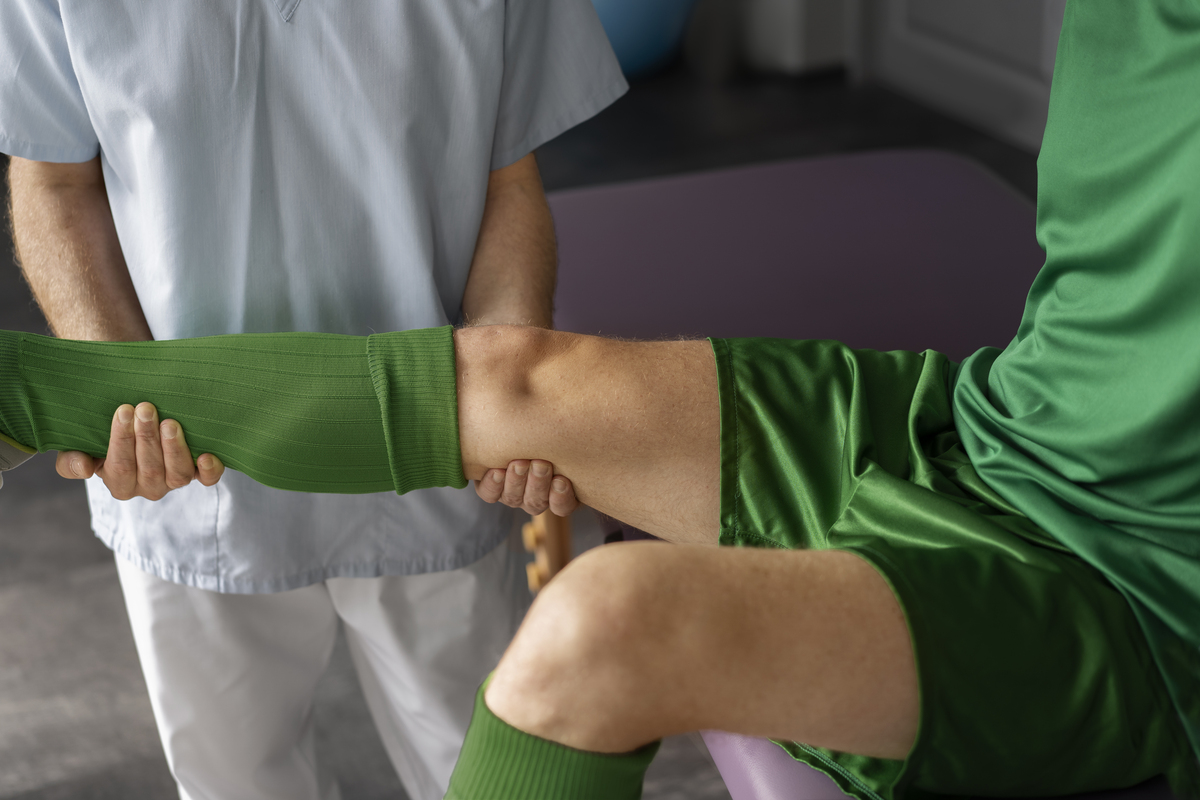
Chiropractic techniques commonly used for knee-related concerns include joint mobilization and manipulation to improve range of motion, soft tissue therapy to address muscle tension and fascial restrictions, and guided rehabilitative exercises designed to strengthen the muscles that support the knee — particularly the quadriceps, hamstrings, and hip stabilizers. Evidence-based guidelines from organizations like NICE (the UK’s National Institute for Health and Care Excellence) and the American College of Physicians support conservative, non-surgical approaches as a first-line treatment for many musculoskeletal conditions, including knee pain.
What makes chiropractic care particularly appealing to many patients here in Columbia is what it doesn’t involve — no surgery, no pharmaceutical side effects, and no downtime. For people who want to take an active, natural approach to recovering from a knee injury or managing chronic knee discomfort, it offers a compelling path forward.
Practical Tips for Managing Knee Pain
While professional evaluation and care are important for persistent or severe knee pain, there are several things you can do on your own to support your knee health between visits and reduce the risk of future problems.
Movement is medicine — but the right kind of movement matters. Low-impact activities like walking, swimming, and cycling tend to be gentler on the knees than high-impact options like running or jumping, especially during a flare-up. Staying active helps maintain cartilage health, supports healthy blood flow, and keeps the muscles around the knee strong and supportive. Prolonged inactivity, on the other hand, can lead to muscle weakness and stiffness that actually makes knee problems worse over time.
Pay attention to your footwear. Worn-out shoes, poor arch support, or footwear that alters your natural gait can create a cascading effect that places undue stress on the knees. If you notice your shoes are unevenly worn on the soles, it may be worth getting a professional gait assessment.
Strengthening the muscles that support the knee is one of the most evidence-backed strategies for both treatment and prevention. The quadriceps (front of the thigh) and glutes (buttocks) in particular play a critical role in stabilizing the knee during movement. Dr. Connor Reed often incorporates targeted exercise guidance into care plans for patients at Living Wellness Chiropractic to help build this foundation of support.
If you sit at a desk for long hours — which many Columbia residents do, especially those working from home or commuting to the DC metro area — make sure you’re getting up regularly to move and stretch. Prolonged knee flexion in a seated position can tighten the hamstrings and increase stiffness over time.
When to See a Chiropractor for Knee Pain
Mild knee soreness after an unusually active day often resolves on its own with rest and some gentle movement. However, there are certain signs that suggest it’s time to seek professional evaluation rather than waiting things out.
You should consider scheduling a visit if your knee pain has persisted for more than a week or two without improvement, if you notice significant swelling or bruising, if the pain is limiting your ability to walk or perform normal daily activities, or if your knee feels unstable or like it might “give out.” These signs often point to a structural issue that responds well to early, targeted conservative care.
There are also red flag symptoms that warrant immediate medical attention rather than a chiropractic visit. These include severe swelling that develops rapidly after an injury, an inability to bear any weight on the knee, a visibly deformed knee, signs of infection (fever alongside knee redness and warmth), or knee pain accompanied by unexplained weight loss or fatigue. In these situations, an emergency room or urgent care visit is the appropriate first step.
For the vast majority of knee complaints — from runner’s knee and meniscus irritation to osteoarthritis and general mechanical pain — chiropractic care is a safe and appropriate starting point. The team at Living Wellness Chiropractic in Columbia, MD is equipped to assess, diagnose, and develop a personalized care plan that addresses the root cause of your discomfort.
Knee Pain at a Glance: Common Types Compared
Condition |
Common Location of Pain |
Typical Onset |
Common Triggers |
|---|---|---|---|
|
Patellofemoral Syndrome |
Front of the knee / kneecap area |
Gradual (overuse) |
Running, stairs, prolonged sitting |
|
Meniscus Injury |
Inner or outer joint line |
Sudden (twisting injury) |
Sports, squatting, pivoting |
|
IT Band Syndrome |
Outer knee / lateral thigh |
Gradual (overuse) |
Running, cycling, hill walking |
|
Osteoarthritis |
Deep within the joint |
Gradual (degenerative) |
Activity, cold weather, prolonged use |
|
Patellar Tendinitis |
Below the kneecap |
Gradual (overuse) |
Jumping, running, explosive movements |
|
Bursitis |
Around the kneecap |
Gradual or sudden |
Kneeling, direct impact, repetitive friction |
Myths vs. Facts About Knee Pain
Myth: Knee pain is just a normal part of aging and there’s nothing you can do about it.
Fact: While the risk of knee problems does increase with age, pain is not an inevitable or untreatable consequence of getting older. Many people in their 60s, 70s, and beyond experience significant improvement in knee pain through conservative care, exercise, and biomechanical support. Age is a factor, but it doesn’t have to define your outcome.
Myth: If your knee hurts, rest is the best medicine.
Fact: Complete rest can actually slow recovery for many knee conditions. The muscles and tissues around the knee need appropriate movement and loading to heal properly and stay strong. Evidence increasingly supports active recovery with guided, low-impact movement over prolonged rest for most musculoskeletal knee issues.
Myth: Chiropractic care is only for back pain.
Fact: Chiropractors are trained to assess and treat conditions affecting the entire musculoskeletal system, including the knees, hips, shoulders, and ankles. Joint mobilization, soft tissue therapy, and rehabilitative exercise are all well within the chiropractic scope of care for extremity conditions like knee pain.
Myth: You need an MRI or X-ray before starting any treatment.
Fact: Imaging is useful in specific situations — particularly to rule out fractures or confirm a suspected structural injury — but it is not always necessary before beginning conservative care. A thorough clinical examination can often provide enough information to develop an effective initial treatment plan. Dr. Connor Reed will advise you on whether imaging is appropriate for your specific situation.
Myth: Surgery is inevitable for serious knee problems.
Fact: Many knee conditions that seem severe respond well to conservative, non-surgical treatment. Research suggests that for conditions like meniscus tears and knee osteoarthritis, non-invasive approaches — including exercise therapy and manual care — often produce outcomes comparable to surgery, particularly when started early. Surgery should always be considered within the broader context of all available options.
Final Thoughts: Knee Pain Help in Columbia, Maryland
Living with knee pain doesn’t have to be your normal. Whether you’re dealing with a recent injury, a chronic ache that’s been nagging you for months, or the early signs of joint degeneration, there are real, effective, non-invasive options available to help you move better and feel better.
Here in Columbia, Maryland, the team at Living Wellness Chiropractic understands how much knee pain can affect your quality of life — from the activities you love to the simple routines of daily living. Dr. Connor Reed takes a thorough, whole-body approach to understanding why your knee hurts and developing a care plan that addresses the root cause rather than just masking the symptoms.
If you’ve been searching for knee pain relief near Columbia or Howard County, we encourage you to take that first step. A thorough evaluation is always the right place to start — and with the right support, you may be closer to relief than you think.
Frequently Asked Questions About Knee Pain
Can a chiropractor treat knee pain?
Yes. Chiropractors are trained to evaluate and treat knee pain as part of comprehensive musculoskeletal care. Approaches may include joint mobilization, soft tissue therapy, and rehabilitative exercises. Care also addresses contributing factors like hip alignment and lower back mechanics that influence knee function.
How long does it take for knee pain to go away with chiropractic treatment?
Recovery timelines vary depending on the cause, severity, and duration of the knee pain. Some patients notice improvement within a few visits, while others with chronic or degenerative conditions may require a longer course of care. Dr. Connor Reed at Living Wellness Chiropractic will give you a realistic assessment during your evaluation.
Is it safe to exercise with knee pain?
In most cases, gentle, low-impact movement is safe and beneficial — but the right type of exercise depends on the specific condition. High-impact activities like running may need to be temporarily modified, while strengthening and mobility work is often encouraged. Always check with a qualified provider before starting a new exercise routine if you’re experiencing significant pain.
What is the most common cause of knee pain?
Overuse injuries, osteoarthritis, and ligament or meniscus injuries are among the most common causes of knee pain. In active individuals and athletes, patellofemoral syndrome and IT band syndrome are also very frequently seen. The underlying cause varies by age, activity level, and individual biomechanics.
When should I go to the emergency room for knee pain?
Seek emergency care if you experience rapid, severe swelling following an injury, are unable to bear any weight on the knee, notice visible deformity, or have signs of infection such as fever alongside redness and warmth. These symptoms may indicate a fracture, complete ligament rupture, or serious joint infection that requires urgent medical attention.
Does knee pain always require surgery?
No. Many knee conditions — including meniscus irritation, mild to moderate osteoarthritis, tendinitis, and bursitis — respond well to conservative, non-surgical care. Evidence supports non-invasive approaches as a first-line option for a wide range of knee complaints. Surgery is typically considered when conservative care has been exhausted or when there is a clear structural indication for it.
TL;DR — Key Takeaways
-
Knee pain has many possible causes, including overuse injuries, acute trauma, degenerative conditions like osteoarthritis, and whole-body biomechanical imbalances.
-
Symptoms like persistent swelling, instability, or pain that limits daily activities are signs you should seek professional evaluation rather than waiting it out.
-
Chiropractic care offers a non-invasive, drug-free approach to knee pain that addresses not just the knee, but the hips, spine, and surrounding structures that influence it.
-
Staying active with appropriate low-impact movement, strengthening key muscle groups, and addressing footwear and ergonomics can all support knee health.
-
Dr. Connor Reed at Living Wellness Chiropractic in Columbia, MD provides individualized, whole-body care designed to address the root cause of your knee pain and help you get back to living well.