

If you’ve ever struggled to reach overhead, throw a ball, or even put on a jacket without wincing, you know how frustrating shoulder pain can be. The shoulder is one of the most mobile joints in your body—which also makes it one of the most vulnerable to injury and dysfunction. Here in Columbia, MD, many patients come into Living Wellness Chiropractic dealing with shoulder discomfort that affects their work, sleep, and everyday activities. The good news? Chiropractic care offers a conservative, drug-free approach that addresses the underlying causes of shoulder pain, not just the symptoms. In this article, we’ll explore how chiropractic care can help relieve shoulder pain, the techniques used, and what you can expect during treatment.
What is chiropractic care for shoulder pain? Chiropractic care for shoulder pain involves a thorough assessment of the shoulder joint, surrounding muscles, and related areas of the spine to identify misalignments, joint restrictions, and soft tissue dysfunction. Treatment may include adjustments, soft tissue therapy, rehabilitation exercises, and lifestyle modifications designed to restore normal movement, reduce pain, and prevent future injury.
Table of Contents
- Understanding Shoulder Pain and Its Impact
- Common Causes of Shoulder Pain
- How Chiropractic Care Helps with Shoulder Pain
- Chiropractic Techniques for Shoulder Pain
- What to Expect During Your Visit
- Practical Tips for Managing Shoulder Pain at Home
- When to See a Chiropractor for Shoulder Pain
- Myths vs. Facts About Chiropractic and Shoulder Pain
- Final Thoughts
Understanding Shoulder Pain and Its Impact
The shoulder is a complex ball-and-socket joint formed by the humerus, scapula, and clavicle. It relies on a delicate balance of muscles, tendons, ligaments, and joint capsule structures to function properly. Because the shoulder sacrifices stability for mobility, it’s highly susceptible to irritation, overuse, and misalignment.
Shoulder pain doesn’t just affect your arm. It can radiate into your neck, upper back, and even down toward your elbow. Many people also experience stiffness, weakness, clicking sensations, or difficulty sleeping on the affected side. Over time, unresolved shoulder pain can lead to compensatory patterns that create problems elsewhere in the body—like tension headaches, mid-back pain, or postural imbalances.
Whether your shoulder pain started suddenly after lifting something heavy or developed gradually over months of poor posture and repetitive motions, understanding the underlying cause is the first step toward finding lasting relief.
Common Causes of Shoulder Pain
Shoulder pain can stem from a variety of sources. At Living Wellness Chiropractic, we often see patients whose shoulder problems are related to one or more of the following:
Rotator Cuff Dysfunction
The rotator cuff is a group of four muscles and tendons that stabilize the shoulder joint. Overuse, repetitive overhead motions, or sudden trauma can lead to inflammation, strain, or even tears in these structures. Rotator cuff issues are among the most common reasons people seek care for shoulder pain.
Shoulder Impingement Syndrome
This condition occurs when the tendons of the rotator cuff become compressed or pinched during shoulder movement, often due to bone spurs, inflammation, or poor shoulder mechanics. It typically causes pain when lifting the arm overhead or reaching behind the back.
Frozen Shoulder (Adhesive Capsulitis)
Frozen shoulder involves progressive stiffness and loss of range of motion in the shoulder joint. It often develops after a period of immobility, injury, or following surgery. The condition can be extremely limiting and may take months to resolve without proper care.
Poor Posture and Forward Head Carriage
Spending hours hunched over a computer, looking down at a phone, or slouching on the couch can create postural imbalances that strain the shoulders. Forward head posture shifts your center of gravity, causing the muscles around your shoulder blades to work overtime and leading to chronic pain and tension.
Joint Restrictions in the Thoracic Spine
The mobility of your shoulder is directly influenced by the movement of your upper back and neck. Restrictions or misalignments in the thoracic spine or cervical spine can alter shoulder mechanics and contribute to pain, even if the shoulder joint itself appears structurally sound.
Repetitive Strain and Overuse
Jobs or hobbies that involve repetitive overhead reaching, lifting, or throwing—such as painting, construction work, swimming, or baseball—can lead to cumulative microtrauma in the shoulder. Over time, this can result in inflammation, muscle imbalances, and joint dysfunction.
How Chiropractic Care Helps with Shoulder Pain
Chiropractic care takes a whole-body approach to shoulder pain. Rather than simply masking symptoms with medication, chiropractors aim to identify and address the root causes of dysfunction. This conservative, non-invasive approach focuses on restoring proper joint mechanics, improving soft tissue function, and optimizing nervous system communication.
Restoring Joint Mobility
When joints in the shoulder, neck, or upper back become restricted, they lose their normal range of motion. This can lead to compensatory movement patterns, muscle imbalances, and pain. Chiropractic adjustments help restore proper alignment and movement to these joints, reducing stress on surrounding tissues.
Reducing Muscle Tension and Inflammation
Soft tissue therapies used in chiropractic care—such as myofascial release, trigger point therapy, and instrument-assisted techniques—help break up adhesions, reduce muscle tension, and improve blood flow to the affected area. This can significantly decrease pain and promote healing.
Improving Posture and Biomechanics
Many shoulder problems are rooted in poor posture or faulty movement patterns. Chiropractors assess how you sit, stand, and move, then provide corrective exercises and ergonomic recommendations to help you move more efficiently and reduce strain on your shoulders.
Supporting the Body’s Natural Healing Process
Chiropractic care emphasizes the body’s innate ability to heal itself when given the right conditions. By removing joint restrictions, reducing inflammation, and improving circulation, chiropractic treatment creates an environment where your body can repair damaged tissues more effectively.

Chiropractic Techniques for Shoulder Pain
At Living Wellness Chiropractic in Columbia, MD, we use a variety of evidence-informed techniques tailored to each patient’s unique needs. Here are some of the most common approaches used for shoulder pain:
Chiropractic Adjustments
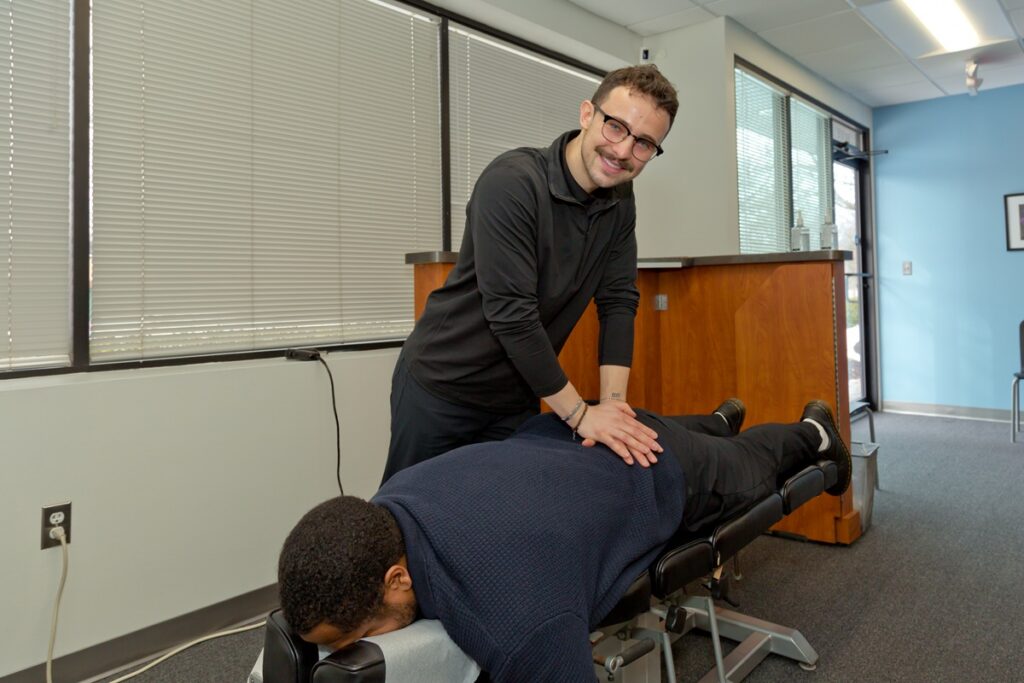
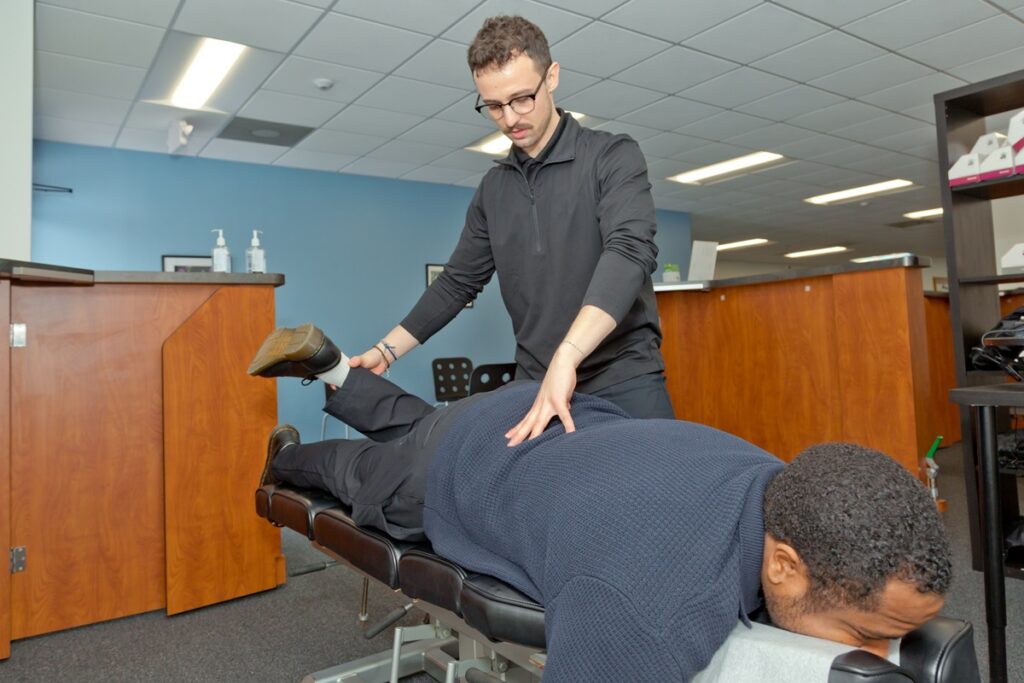
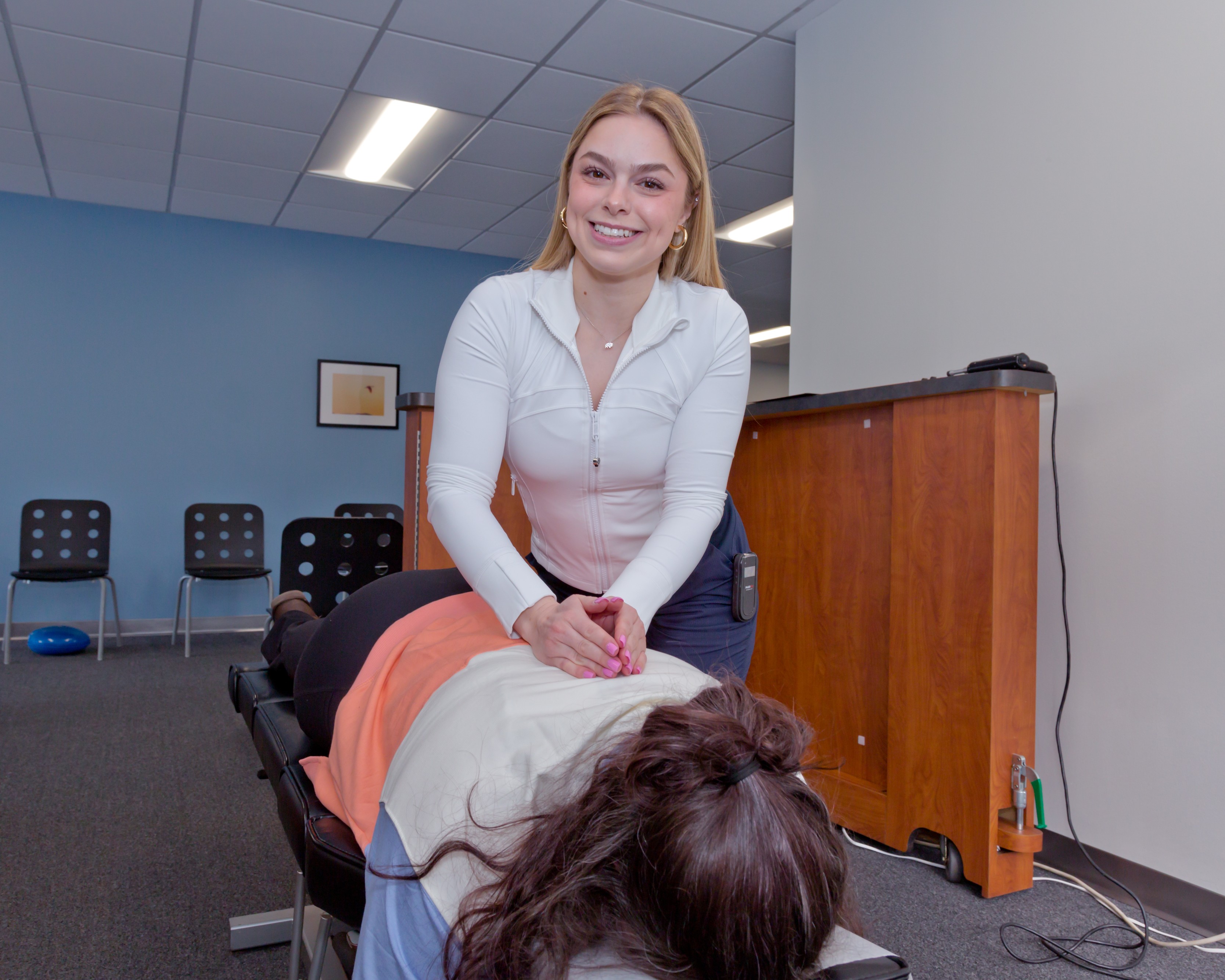
Adjustments to the shoulder joint itself, as well as the cervical and thoracic spine, help restore normal joint mechanics. These may be performed using hands-on manual techniques or instrument-assisted methods, depending on the patient’s comfort level and the nature of the restriction.
Soft Tissue Therapy
Techniques like Active Release Technique (ART), Graston Technique, or myofascial release target tight muscles, adhesions, and scar tissue around the shoulder. These therapies help improve tissue quality, reduce pain, and enhance range of motion.
Therapeutic Exercises and Stretching
Strengthening and stretching exercises are essential for long-term shoulder health. Your chiropractor may prescribe specific exercises to strengthen the rotator cuff, stabilize the scapula, and improve flexibility. These exercises help correct imbalances and prevent recurrence.
Postural and Ergonomic Training
Education is a key component of chiropractic care. You’ll receive guidance on proper desk setup, sleeping positions, lifting techniques, and movement strategies to minimize stress on your shoulders throughout the day.
Kinesiology Taping
Some chiropractors use specialized taping techniques to support injured tissues, reduce swelling, and provide proprioceptive feedback that improves movement patterns during the healing process.
Modalities for Pain Relief
Depending on the severity of inflammation and pain, your chiropractor may use therapeutic modalities such as ice, heat, electrical stimulation, or ultrasound to reduce discomfort and promote tissue healing.
What to Expect During Your Visit
If you’re considering chiropractic care for shoulder pain, here’s what typically happens during your initial visit to Living Wellness Chiropractic:
Comprehensive Evaluation
Your chiropractor will begin with a detailed health history, discussing your symptoms, lifestyle, work environment, and any previous injuries. This helps identify potential contributing factors and guide the treatment plan.
Physical Examination
A thorough physical exam includes assessing your posture, range of motion, muscle strength, and joint stability. Your chiropractor will also examine your neck, upper back, and shoulder to pinpoint areas of dysfunction. Orthopedic and neurological tests may be performed to rule out serious pathology.
Imaging (If Necessary)
In some cases, X-rays or other imaging may be recommended to get a clearer picture of your shoulder’s structural health. However, many shoulder conditions can be diagnosed and managed effectively without imaging.
Individualized Treatment Plan
Based on the findings, your chiropractor will create a personalized care plan that may include adjustments, soft tissue work, exercises, and lifestyle modifications. The frequency and duration of care will depend on the severity of your condition and your overall health goals.
Ongoing Support and Re-Evaluation
Chiropractic care is not a one-size-fits-all approach. Your progress will be monitored regularly, and your treatment plan will be adjusted as needed to ensure you’re moving toward your goals.
| Treatment Approach | Primary Focus | Common Techniques |
|---|---|---|
| Joint Mobilization | Restore normal joint movement | Manual adjustments, instrument-assisted adjustments |
| Soft Tissue Therapy | Reduce muscle tension and adhesions | Myofascial release, ART, Graston Technique |
| Rehabilitation Exercises | Strengthen and stabilize shoulder structures | Rotator cuff exercises, scapular stabilization, stretching |
| Postural Correction | Improve alignment and movement patterns | Ergonomic training, posture education, corrective exercises |
| Pain Management Modalities | Reduce inflammation and discomfort | Ice/heat therapy, electrical stimulation, ultrasound |
Practical Tips for Managing Shoulder Pain at Home
While chiropractic care is highly effective for shoulder pain, there are several things you can do at home to support your recovery and prevent future issues:
Optimize Your Workspace
If you work at a desk, make sure your monitor is at eye level, your keyboard and mouse are positioned so your elbows are at 90 degrees, and your chair supports your lower back. Avoid reaching forward or holding your shoulders in a shrugged position for extended periods.
Practice Good Sleeping Posture
Sleeping on your side with a pillow between your arms can help keep your shoulder in a neutral position. Avoid sleeping directly on the painful shoulder, and consider using a supportive pillow that maintains proper neck alignment.
Take Frequent Breaks
If your job or hobbies involve repetitive shoulder movements, take short breaks every 30 to 60 minutes. Perform gentle shoulder rolls, neck stretches, and scapular squeezes to reset your posture and relieve tension.
Use Ice and Heat Appropriately
Ice can help reduce acute inflammation and pain, especially in the first 48 to 72 hours after an injury. Heat is better for chronic stiffness and muscle tension. Alternate between the two as needed, but always follow your chiropractor’s recommendations.
Strengthen Your Rotator Cuff
Simple exercises like external rotations with a resistance band, wall slides, and scapular retractions can help strengthen the muscles that stabilize your shoulder. Start with light resistance and focus on proper form.
Avoid Overhead Activities When Painful
While it’s important to stay active, pushing through sharp or severe shoulder pain can worsen your condition. Modify activities as needed and gradually reintroduce overhead movements as your shoulder heals.
Stay Hydrated and Maintain a Healthy Diet
Proper hydration and nutrition support tissue repair and reduce inflammation. Foods rich in omega-3 fatty acids, antioxidants, and lean protein can promote healing and overall joint health.
When to See a Chiropractor for Shoulder Pain
It’s normal to experience occasional minor aches after a strenuous workout or an awkward sleeping position. However, there are certain signs that indicate it’s time to seek professional care:
You should consider scheduling an appointment at Living Wellness Chiropractic if you experience shoulder pain that lasts more than a few days, worsens over time, or limits your daily activities. Pain that disrupts your sleep, causes weakness, or is accompanied by numbness or tingling in your arm or hand should also be evaluated promptly.
Additionally, if you’ve tried home remedies like rest, ice, and over-the-counter pain relievers without improvement, chiropractic care may provide the relief you need. Early intervention often leads to faster recovery and helps prevent chronic issues from developing.
Red Flags That Require Immediate Medical Attention
While chiropractic care is effective for most musculoskeletal shoulder problems, certain symptoms warrant immediate medical evaluation. Seek emergency care if you experience sudden, severe shoulder pain following trauma, signs of infection such as fever or swelling, chest pain or difficulty breathing, or loss of consciousness. Chiropractors are trained to recognize these red flags and will refer you to the appropriate medical specialist when necessary.
Myths vs. Facts About Chiropractic and Shoulder Pain
Myth: Chiropractors Only Treat Back and Neck Pain
Fact: While chiropractors are well-known for treating spinal conditions, they are trained to assess and treat all joints in the body, including the shoulder, elbow, wrist, hip, knee, and ankle. Chiropractic education includes extensive coursework in extremity adjusting and musculoskeletal rehabilitation.
Myth: Chiropractic Adjustments Are Painful
Fact: Most patients find chiropractic adjustments to be relieving rather than painful. Your chiropractor will use techniques appropriate for your condition and comfort level. Some mild soreness may occur after the first few treatments, similar to what you might feel after starting a new exercise routine, but this typically resolves quickly.
Myth: Surgery Is the Only Option for Shoulder Pain
Fact: Many shoulder conditions respond well to conservative care, including chiropractic treatment, physical therapy, and lifestyle modifications. Surgery is typically considered only after non-invasive options have been exhausted. Research suggests that conservative management should be the first line of treatment for most shoulder pain conditions.
Myth: Once You Start Chiropractic Care, You Have to Go Forever
Fact: The duration of chiropractic care depends on your specific condition, goals, and overall health. Some patients achieve their goals in a few weeks, while others choose to continue periodic maintenance care to support long-term wellness. You are always in control of your care plan.
Myth: Chiropractic Care Is Not Evidence-Based
Fact: There is a growing body of research supporting the effectiveness of chiropractic care for musculoskeletal conditions, including shoulder pain. Studies have shown that manual therapy and exercise-based interventions can reduce pain, improve function, and enhance quality of life for patients with shoulder disorders.
Final Thoughts
Shoulder pain doesn’t have to hold you back from the activities you love. Whether you’re dealing with a recent injury, chronic discomfort, or a nagging ache that just won’t go away, chiropractic care offers a safe, effective, and personalized approach to healing. At Living Wellness Chiropractic in Columbia, MD, we’re committed to helping our patients move better, feel better, and live better through evidence-informed, patient-centered care.
If you’re struggling with shoulder pain, we encourage you to reach out and schedule a consultation. Together, we’ll create a treatment plan that addresses your unique needs and helps you get back to doing the things that matter most. Your journey to a healthier, pain-free shoulder starts here in Columbia, and we’re here to support you every step of the way.
Frequently Asked Questions
Can a chiropractor help with a rotator cuff injury?
Yes, chiropractors can help manage many rotator cuff injuries through joint mobilization, soft tissue therapy, and rehabilitative exercises. While severe tears may require surgical intervention, many rotator cuff strains and partial tears respond well to conservative chiropractic care.
How long does it take to see results from chiropractic treatment for shoulder pain?
The timeline varies depending on the severity and chronicity of your condition. Some patients notice improvement after just a few visits, while others with more complex or long-standing issues may require several weeks of care. Your chiropractor will discuss realistic expectations during your initial consultation.
Is chiropractic care safe for shoulder pain?
Yes, chiropractic care is generally considered safe when performed by a licensed, trained professional. Your chiropractor will perform a thorough evaluation to ensure you’re a good candidate for treatment and will adjust techniques based on your individual needs and comfort level.
Will I need X-rays for my shoulder pain?
Not necessarily. Many shoulder conditions can be diagnosed and treated effectively without imaging. However, if your chiropractor suspects a fracture, significant structural damage, or another underlying issue, they may recommend X-rays or refer you for additional imaging.
Can poor posture really cause shoulder pain?
Absolutely. Poor posture, especially forward head and rounded shoulder positions, places excessive strain on the muscles, tendons, and ligaments around the shoulder. Over time, this can lead to chronic pain, joint dysfunction, and increased risk of injury.
What’s the difference between chiropractic care and physical therapy for shoulder pain?
Both chiropractic care and physical therapy can be effective for shoulder pain, and they often overlap in their approaches. Chiropractors focus on joint alignment, nervous system function, and manual therapy, while physical therapists emphasize exercise prescription and functional rehabilitation. Many patients benefit from a collaborative approach that includes elements of both.
TL;DR: Key Takeaways
- Shoulder pain can result from rotator cuff dysfunction, impingement, frozen shoulder, poor posture, or spinal restrictions.
- Chiropractic care addresses the root causes of shoulder pain through joint adjustments, soft tissue therapy, rehabilitative exercises, and postural correction.
- Common techniques include manual adjustments, myofascial release, strengthening exercises, and ergonomic training tailored to your needs.
- At-home strategies like optimizing your workspace, practicing good sleep posture, and performing gentle strengthening exercises can support recovery.
- Seek chiropractic care if shoulder pain persists beyond a few days, limits daily activities, disrupts sleep, or doesn’t improve with home remedies.