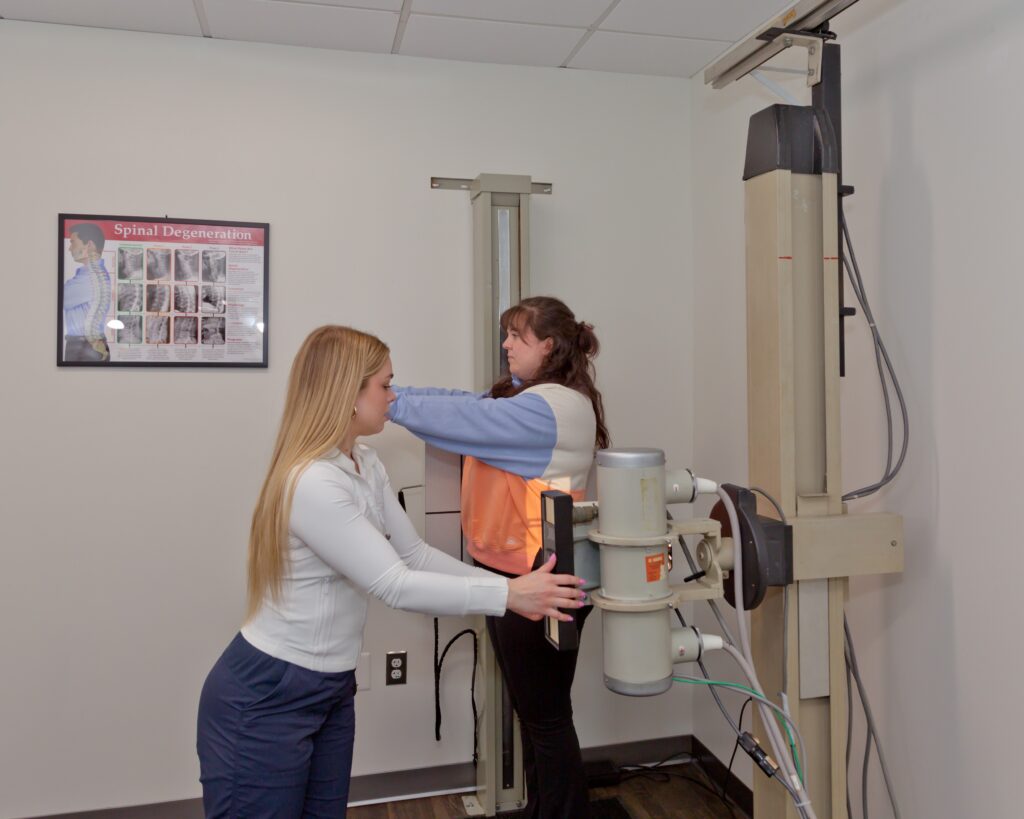

Have you ever noticed that tightness creeping into your shoulders or that nagging tension in your back after a long day? What you might be experiencing isn’t just stress; it could be a sign of spinal misalignment impacting your overall well-being. Fortunately, chiropractic care can provide an effective solution by addressing these issues head-on.
So, how does spinal adjustment play a role in relieving stress? When your spine is misaligned, it can interfere with your nervous system, leading to discomfort and increased stress levels. By realigning your spine through gentle adjustments, we can help relieve tension, improve your posture, and promote overall relaxation.
But the benefits of chiropractic care go beyond just spinal adjustments. Here are some general tips you can incorporate into your daily routine to further support your mental and physical health:
- Stay Active: Regular physical activity can help reduce tension and boost your mood. Even a simple walk can make a big difference!
- Practice Good Posture: Pay attention to your posture, especially if you sit for long periods. Sitting up straight and taking breaks to stretch can help alleviate tension in your back and neck.
- Mindfulness and Relaxation: Incorporate practices such as deep breathing, meditation, or yoga into your routine. These can help calm your mind and reduce stress.
- Stay Hydrated: Proper hydration is essential for maintaining overall health, including spinal health. Aim to drink plenty of water throughout the day.
- Regular Chiropractic Visits: Make chiropractic care a regular part of your wellness routine. Consistent adjustments can help keep your spine aligned, promoting better health and reducing stress over time.
By embracing chiropractic care and these simple lifestyle changes, you can take significant steps toward achieving optimal health and a stress-free life. Remember, your spine is the foundation of your overall health, so let’s work together to keep it in top shape!
Key Takeaways
- Spinal adjustments are a key component of chiropractic care that can relieve pressure on nerves, which helps improve communication between your brain and body. This improved communication can significantly reduce your stress levels, making you feel more relaxed and at ease.
- By enhancing spinal alignment, chiropractic adjustments boost nerve function, which promotes relaxation and helps to decrease feelings of anxiety. This means that regular visits to your chiropractor can support your overall mental and emotional well-being.
- Committing to regular chiropractic care not only keeps your spine aligned but also helps reduce physical tension, which can often contribute to stress. When your body is free from tension, you’re more likely to enjoy a sense of calm and balance in your life.
- Additionally, chiropractic adjustments can help alleviate muscle tension, discomfort, and pain that often accompany stress. By addressing these physical issues, you can improve your overall health and well-being.
- To maximize your stress management efforts, consider combining chiropractic care with relaxation techniques such as yoga or meditation. These practices can work hand-in-hand with chiropractic adjustments to support your journey toward natural wellness and a healthier lifestyle.
Remember, choosing chiropractic care is a proactive step towards achieving optimal health and well-being. By prioritizing your spinal health, you’re making a choice that can have a positive impact on your overall quality of life.
Understanding Stress and Its Effects on the Body
Understanding stress and its effects on the body is crucial for maintaining overall well-being, especially when considering how it relates to spinal health and natural healing. When you experience stress, your body reacts in several ways. Your heart rate may increase, your muscles can tense up, and your immune system might weaken. This natural response, often referred to as the fight-or-flight reaction, can be helpful in short bursts, but if stress persists over time, it can lead to significant health concerns.
You may notice that ongoing stress can contribute to issues like headaches, digestive problems, and fatigue. It can also disrupt your sleep, leaving you feeling unrested and irritable. Stress can even affect your ability to think clearly, making it harder to focus and make decisions. This is where chiropractic care comes into play. By addressing spinal misalignments and promoting proper alignment, chiropractic adjustments can help alleviate the physical manifestations of stress, such as muscle tension and discomfort.
Recognizing these effects is the first step toward managing stress effectively. By understanding how stress impacts your body, you can take proactive measures to relieve it. Here are a few tips to help you manage stress naturally:
- Stay Active: Regular exercise can help reduce stress and improve your mood. Activities like walking, yoga, or stretching can also promote spinal health.
- Maintain Good Posture: Poor posture can contribute to physical stress on your body. Being mindful of your posture, especially while sitting at a desk, can help reduce tension.
- Practice Relaxation Techniques: Incorporate deep breathing, meditation, or mindfulness practices into your daily routine to help calm your mind and body.
- Get Regular Chiropractic Care: Regular visits to a chiropractor can help keep your spine aligned and reduce the physical impact of stress on your body, promoting overall wellness.
The Role of the Spine in Overall Health
Your spine plays a crucial role in your overall health by supporting your nervous system and influencing how your body communicates with itself. When your posture is misaligned, it can lead to stress and discomfort, which can significantly impact your well-being. This is why understanding the connection between spinal health and overall wellness is so important.
By prioritizing your spine, you can improve your quality of life. Chiropractic care is a natural and effective way to achieve optimal health. It focuses on aligning your spine properly, which can relieve pain and enhance your body’s ability to heal itself.
Here are a few simple tips to help you support your spinal health:
- Maintain Good Posture: Whether you’re sitting at a desk or standing, keeping your spine aligned can reduce strain and discomfort. Try to sit up straight, keep your shoulders back, and avoid slouching.
- Stay Active: Regular physical activity strengthens your back muscles and supports your spine. Activities like walking, swimming, or yoga can be beneficial.
- Stretch Regularly: Stretching can improve your flexibility and reduce tension in your back. Incorporating gentle stretches into your daily routine can help maintain spinal health.
- Listen to Your Body: Pay attention to how you feel. If you experience pain or discomfort, consider visiting a chiropractor for a thorough assessment and personalized care plan.
- Stay Hydrated: Drinking plenty of water is essential for maintaining healthy discs in your spine. Hydration can help keep everything functioning smoothly.
Spine and Nervous System
The spine is essential for a healthy nervous system, acting as the main pathway for signals between your brain and body.
When your spine is properly aligned, your nervous system communicates effectively, allowing your body to respond swiftly to stressors and maintain balance.
On the other hand, misalignments can interrupt this communication, leading to increased tension and stress.
This is where chiropractic care comes into play. By prioritizing spinal health through regular adjustments, you can significantly enhance the function of your nervous system.
This not only promotes relaxation and reduces anxiety but also supports your overall mood and well-being as your body returns to its natural rhythm.
Taking care of your spine isn’t just about physical health; it’s also crucial for emotional stability and resilience against stress.
Here are a few tips to help you maintain a healthy spine and nervous system:
- Stay Active: Engage in regular physical activity to strengthen your back muscles and improve flexibility.
- Practice Good Posture: Be mindful of your posture whether sitting, standing, or lifting. Proper alignment can prevent unnecessary strain on your spine.
- Incorporate Stretching: Regular stretching can help relieve tension and maintain flexibility in your spine.
- Stay Hydrated: Drinking plenty of water supports overall health and helps maintain the elasticity of spinal discs.
- Schedule Regular Chiropractic Visits: Routine adjustments can keep your spine aligned and your nervous system functioning at its best.
Embrace chiropractic care as a natural, effective way to achieve optimal health and a more balanced life.
Your spine deserves the best care, and in turn, it will support you in living your fullest life!
Posture’s Impact on Well-being
The Importance of Posture for Your Well-being
As a chiropractor, I want to highlight how spinal alignment plays a crucial role in how you feel every day. Your posture doesn’t just affect how you carry yourself; it has a significant impact on your overall well-being. When you maintain good posture, not only do you project confidence, but you also boost your mood and energy levels. A well-aligned spine can help you feel more relaxed and less stressed. On the other hand, poor posture can lead to discomfort and a negative outlook.
Here’s a quick overview of how different postures can affect your emotions and physical health:
| Posture Type | Emotional Impact | Physical Effects |
|---|---|---|
| Upright | Confidence & Positivity | Reduced tension |
| Slouched | Anxiety & Fatigue | Muscle strain |
| Balanced | Calm & Focused | Enhanced circulation |
| Twisted | Stress & Discomfort | Pain and stiffness |
| Relaxed | Peace & Happiness | Improved breathing |
By focusing on your posture, you can really enhance your quality of life. Here are a few simple tips to help you improve your posture and, in turn, your overall health:
- Be Mindful: Regularly check in with your posture throughout the day. Are your shoulders back? Is your head aligned with your spine?
- Strengthen Your Core: A strong core supports good posture. Incorporate exercises like planks or sit-ups into your routine.
- Take Breaks: If you sit for long periods, stand up and stretch every hour to relieve tension and realign your body.
- Use Ergonomic Furniture: Invest in a good chair and desk setup that promotes a healthy posture while you work.
- Visit Your Chiropractor: Regular spinal adjustments can help maintain your posture and alleviate any discomfort you may be experiencing.
Improving your posture through chiropractic care can be a transformative step towards better mental and physical health. By choosing chiropractic, you’re opting for a natural approach to wellness that focuses on preventing problems rather than just treating them. Your spine will thank you!
How Chiropractic Care Works
Chiropractic care is dedicated to restoring the natural alignment and function of your spine and nervous system, which are vital for overall health. By utilizing specific adjustments, I help realign vertebrae that may have shifted due to stress, poor posture, or injury. These adjustments are designed to relieve tension in your body, leading to reduced pain and improved mobility.
During your visit, I’ll assess the condition of your spine and determine the best approach tailored to your individual needs. This may involve manual adjustments, gentle manipulation, or other techniques specifically chosen for you. As your spine becomes better aligned, you may experience a reduction in stress, a boost in energy levels, and an overall enhancement in your well-being.
Chiropractic care also emphasizes the importance of maintaining proper posture and body mechanics in your daily activities. Here are some simple tips to adopt healthier habits that support long-term wellness:
- Mind Your Posture: When sitting, ensure your back is straight, shoulders relaxed, and feet flat on the floor. This can help prevent strain on your spine.
- Take Breaks: If you sit for long periods, take short breaks to stand, stretch, and move around. This helps reduce tension and improve circulation.
- Stay Active: Regular physical activity strengthens your muscles and supports spinal health. Aim for at least 30 minutes of movement most days of the week.
- Listen to Your Body: Pay attention to any discomfort or pain. Early intervention can prevent more serious issues down the line.
- Practice Relaxation: Stress can contribute to tension in your body. Consider incorporating relaxation techniques such as deep breathing, yoga, or meditation into your routine.
The Connection Between Spinal Alignment and the Nervous System
Understanding the Connection Between Spinal Alignment and Your Nervous System
Did you know that the alignment of your spine can significantly impact your overall health? When your spine is misaligned, it can interfere with the proper functioning of your nervous system, leading to a variety of health issues. Your spine acts as the main pathway for nerve signals that travel between your brain and body. Misalignments, or subluxations, can create pressure on the nerves, resulting in pain, discomfort, and even affecting how your organs function.
When your spine is properly aligned, you may feel a sense of balance and reduced stress. This alignment ensures that your nervous system can communicate effectively, allowing your body to respond to everyday stressors more efficiently.
One of the best ways to restore this alignment is through chiropractic adjustments. These gentle, targeted adjustments can relieve pressure on your nerves, which promotes better nerve function and overall well-being. When your nervous system is working smoothly, you may notice reduced anxiety, improved mood, and an enhanced ability to handle stress.
As a local chiropractor, I want to emphasize the importance of taking care of your spine as a vital step in managing stress and improving your quality of life. Here are some simple tips you can incorporate into your daily routine:
- Practice Good Posture: Whether sitting at a desk or standing, maintaining good posture can help keep your spine in alignment and reduce strain on your nerves.
- Stay Active: Regular physical activity strengthens your muscles and supports spinal health. Aim for activities like walking, stretching, or yoga to keep your body moving.
- Listen to Your Body: Pay attention to any discomfort or pain you may experience. If something feels off, it’s a good idea to seek chiropractic care for an assessment.
- Stay Hydrated: Drinking plenty of water supports the health of your spinal discs and helps maintain overall bodily function.
- Schedule Regular Chiropractic Visits: Consistent chiropractic care can help maintain spinal alignment, promote nerve function, and keep you feeling your best.
Research on Chiropractic Adjustments and Stress Relief
As a local chiropractor, I’m excited to share how regular chiropractic adjustments can significantly reduce stress levels and enhance your overall well-being.
Research shows that spinal manipulation has a positive impact on the body’s stress response, leading to greater relaxation and a sense of balance in your life.
Here are some important findings that highlight the benefits of chiropractic care:
- Boost in serotonin levels: Chiropractic adjustments can increase the production of neurotransmitters that help you feel happier and more relaxed. This natural uplift can make a world of difference in managing daily stressors.
- Better sleep quality: Regular adjustments can improve your sleep patterns. A good night’s sleep is essential for recovery from stress, so prioritizing your chiropractic visits can lead to more restful nights.
- Relief from muscle tension: By realigning the spine, chiropractic care helps alleviate physical tension in your body. This not only helps ease discomfort but also promotes a calmer state of mind, making it easier to tackle your day.
- Improved circulation: Chiropractic adjustments enhance blood flow throughout your body, ensuring that your muscles receive the oxygen and nutrients they need. This can lead to a boost in energy levels and overall vitality.
- Balanced nervous system: Chiropractic care supports your nervous system, helping to reduce feelings of anxiety and improve your ability to handle stress. A well-functioning nervous system is crucial for maintaining mental and emotional balance.
In addition to regular adjustments, here are some simple tips you can incorporate into your daily routine to further enhance your stress relief:
- Practice deep breathing: Taking a few moments each day to focus on your breath can help calm your mind and reduce tension.
- Stay active: Incorporate gentle exercise, such as walking or yoga, to keep your body moving and relieve stress.
- Maintain a healthy diet: Nourishing your body with whole foods can improve your mood and energy levels.
- Prioritize self-care: Set aside time for activities that you enjoy and help you relax, whether that’s reading, meditating, or spending time in nature.
Remember, chiropractic care is a natural and effective way to achieve optimal health and wellness.
Personal Experiences: Testimonials on Stress Relief Through Chiropractic Care
Many individuals have experienced remarkable stress relief through chiropractic care, sharing their inspiring personal journeys of transformation. You might be amazed to learn how frequently people report significant improvements in their stress levels after just a few adjustments.
Here are some testimonials that highlight these experiences:
| Name | Experience |
|---|---|
| Sarah | “After my first adjustment, I felt lighter and more focused.” |
| Mike | “Regular visits have helped me manage my stress effectively.” |
| Jessica | “Chiropractic care has become an essential part of my stress relief routine.” |
| Tom | “I didn’t realize how much tension I was carrying until it faded away.” |
These testimonials illustrate the powerful effect chiropractic care can have on stress relief and overall well-being. By focusing on spinal health and natural healing, chiropractic adjustments can help restore balance in your body and mind, allowing you to tackle daily challenges with greater ease.
If you’re considering chiropractic care to enhance your health, remember that many have successfully embarked on this journey before you. Here are a few general tips to help you along the way:
- Stay Consistent: Regular chiropractic visits can help maintain your progress and keep stress levels in check.
- Practice Good Posture: Pay attention to your posture throughout the day. Good alignment can reduce strain on your spine and minimize tension.
- Incorporate Relaxation Techniques: Combine your chiropractic care with relaxation practices, such as deep breathing or meditation, to further enhance your stress relief.
- Stay Active: Engaging in regular physical activity can help reduce stress and improve your overall health.
Your transformation could be just around the corner! Embrace the benefits of chiropractic care and discover how it can lead you to a more balanced and healthier life.
Integrating Chiropractic Care Into Your Stress Management Plan
Chiropractic care can play a crucial role in your stress management plan, complementing the positive effects you’ve already experienced through personal adjustments.
By incorporating chiropractic treatments, you can adopt a holistic approach to managing stress that nurtures both your physical and mental well-being.
Here are some practical strategies to weave chiropractic care into your daily routine:
- Schedule regular adjustments: Making consistent visits to your chiropractor can help maintain proper spinal alignment, which is essential in reducing tension and promoting relaxation. Regular adjustments can lead to a more balanced nervous system, helping you cope with stress more effectively.
- Combine with relaxation techniques: Enhance your stress relief by pairing chiropractic adjustments with practices such as yoga or meditation. These activities can complement the benefits of chiropractic care, allowing you to achieve a greater sense of calm and mindfulness.
- Consult with your chiropractor: Open a dialogue with your chiropractor about your particular stressors. Together, you can create a tailored plan that addresses your unique needs and helps you navigate through stressful situations more smoothly.
- Monitor your progress: Keep a journal to track how chiropractic adjustments affect your stress levels over time. Noticing improvements can motivate you and reinforce the value of chiropractic care in your overall wellness journey.
- Maintain a healthy lifestyle: Support your chiropractic care by embracing a balanced diet and regular exercise. A healthy lifestyle not only enhances the benefits of spinal adjustments but also contributes to your overall well-being, making it easier to manage stress.
By integrating chiropractic care into your stress management plan, you’re not just addressing the symptoms of stress; you’re taking proactive steps toward achieving optimal health and natural wellness.
Other Holistic Approaches to Stress Reduction
When it comes to managing stress, exploring holistic approaches can significantly enhance your overall well-being.
As a chiropractor, I want to emphasize that chiropractic care is one of the most effective ways to achieve optimal health and relieve stress. By focusing on spinal alignment and nervous system function, chiropractic adjustments can help alleviate tension, improve your body’s stress response, and promote relaxation.
In addition to chiropractic care, practices such as mindfulness meditation and aromatherapy can be excellent complements to your wellness routine. Mindfulness meditation encourages you to stay present and focused, which can reduce anxiety and foster a sense of calm. Aromatherapy, using essential oils, can create a soothing atmosphere that enhances relaxation.
Here are some simple tips you can incorporate into your daily life to reduce stress:
- Regular Chiropractic Visits: Schedule routine adjustments to maintain spinal health and reduce tension throughout your body.
- Mindfulness Practice: Take a few minutes each day to practice mindfulness. Focus on your breath and observe your thoughts without judgment.
- Aromatherapy: Use calming essential oils like lavender or chamomile in your home to create a relaxing environment.
- Stay Active: Regular physical activity can help release endorphins, the body’s natural stress relievers. Consider gentle exercises like yoga or walking.
- Deep Breathing: Practice deep breathing exercises to help calm your mind and body. Inhale deeply through your nose, hold for a moment, and exhale slowly through your mouth.
By integrating these practices into your routine along with chiropractic care, you can achieve a more balanced and stress-free life.
Mindfulness Meditation Techniques
Practicing mindfulness meditation can be a fantastic way to reduce stress, enhance your overall well-being, and support your journey towards optimal health. When you focus on the present moment, it can help create a sense of calm, which is essential for maintaining a healthy spine and body.
Here are some easy techniques to help you get started:
- Breath Awareness: Simply pay attention to your breathing. Notice each inhale and exhale. This practice not only calms your mind but also helps improve oxygen flow, which can be beneficial for spinal health.
- Body Scan: Gradually focus on different parts of your body, starting from your head down to your toes. As you do this, consciously release any tension you feel. This can help you become more aware of how stress might be affecting your body, especially your back and neck.
- Guided Imagery: Visualize a peaceful scene—perhaps a serene beach or a quiet forest. This mental escape can help relax your mind and reduce tension in your body, which is crucial for maintaining a healthy spine.
- Walking Meditation: This technique involves combining movement with mindfulness. Focus on each step you take, feeling the ground beneath your feet. Walking can help improve circulation and promote spinal alignment, making it a great practice for your overall health.
- Loving-Kindness Meditation: Take a moment to send positive thoughts to yourself and others. This practice fosters compassion and can help reduce stress, which is essential for anyone experiencing discomfort or pain.
Incorporating these mindfulness techniques into your daily routine can significantly impact how you manage stress and support your overall health. Remember, taking care of your spine through regular chiropractic adjustments, along with these mindfulness practices, can lead to a healthier and more balanced life.
Prioritizing your well-being in these ways can help you live pain-free and promote natural healing.
Aromatherapy for Relaxation
Aromatherapy can be a wonderful complement to your overall health and wellness routine, especially for relaxation and stress reduction. By harnessing the power of essential oils such as lavender and chamomile, you can create a calming atmosphere that encourages your body to relax. When you breathe in these soothing scents, your body may respond by lowering stress hormones, which can help you feel more at ease.
Incorporating aromatherapy into your daily life can be simple and effective. You might consider using a diffuser to disperse essential oils throughout your home, adding a few drops to your bath for a tranquil soak, or blending them with a carrier oil for topical application. Even carrying a small bottle of essential oil with you can be helpful for quick relief during stressful moments.
While aromatherapy can enhance your relaxation, it’s important to remember that maintaining proper spinal health through chiropractic care is essential for achieving optimal well-being. Regular chiropractic adjustments can help alleviate physical tension and improve your overall health, making it easier to enjoy the benefits of relaxation techniques like aromatherapy.
As you explore different scents, pay attention to how they make you feel. Everyone is unique, and finding the right aroma can be a personal journey. By combining the calming effects of aromatherapy with the healing benefits of chiropractic care, you’re taking important steps toward a healthier, more balanced lifestyle.
Conclusion
Incorporating spinal adjustments into your routine can significantly enhance your ability to manage stress. When your spine is aligned properly, it helps improve communication within your nervous system, which can reduce muscle tension and promote a sense of calm. This means not only a more relaxed body but also a clearer mind.
To maximize the benefits of chiropractic care, consider pairing your adjustments with good posture, gentle stretching, and deep breathing exercises. These practices work together to create a comprehensive approach to stress management. Remember, chiropractic care focuses on natural healing and can be the best choice for achieving optimal health and wellness.
If you’re feeling overwhelmed, I encourage you to explore how spinal adjustments can bring you relief and relaxation. You might be pleasantly surprised at how much lighter and more balanced you feel! Make an appointment today and take the first step toward a more stress-free life.