
If you’ve ever noticed those distinctive circular marks on an athlete’s back and wondered what was going on, you’ve likely spotted the effects of cupping therapy. This centuries-old technique has made a major comeback in recent years — and for good reason. More and more people here in Columbia, MD are discovering that cupping therapy can be a powerful complement to chiropractic care, helping to ease muscle tension, improve circulation, and support the body’s natural healing process. Whether you’re an athlete dealing with soreness, someone managing chronic tension, or just curious about natural wellness options, this guide will walk you through everything you need to know.
What Is Cupping Therapy?
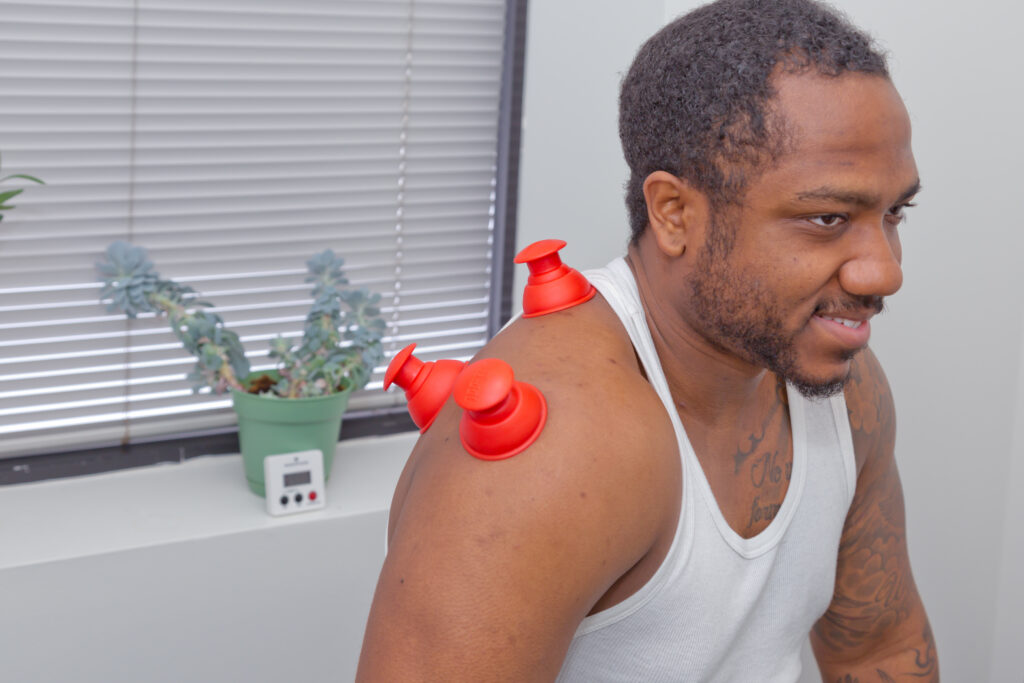
Cupping therapy is a form of alternative and complementary medicine in which specially designed cups are placed on the skin and used to create suction. This suction gently lifts the soft tissue, increasing blood flow to the area and promoting the release of muscle tension. It is used as part of a broader conservative care approach to musculoskeletal wellness.
- How Cupping Therapy Works
- Types of Cupping Therapy
- What Are the Benefits of Cupping?
- How Cupping Fits Into Chiropractic Care
- Practical Tips Before and After Cupping
- When to See a Chiropractor About Cupping
- Myths vs. Facts About Cupping Therapy
- Final Thoughts from Living Wellness Chiropractic
How Cupping Therapy Works
To understand cupping, it helps to think about what’s happening beneath the surface of your skin. Your muscles, connective tissue (called fascia), and blood vessels all work together in a complex network. When that tissue becomes tight, restricted, or inflamed — whether from overuse, poor posture, stress, or injury — it can create pain, stiffness, and limited mobility.
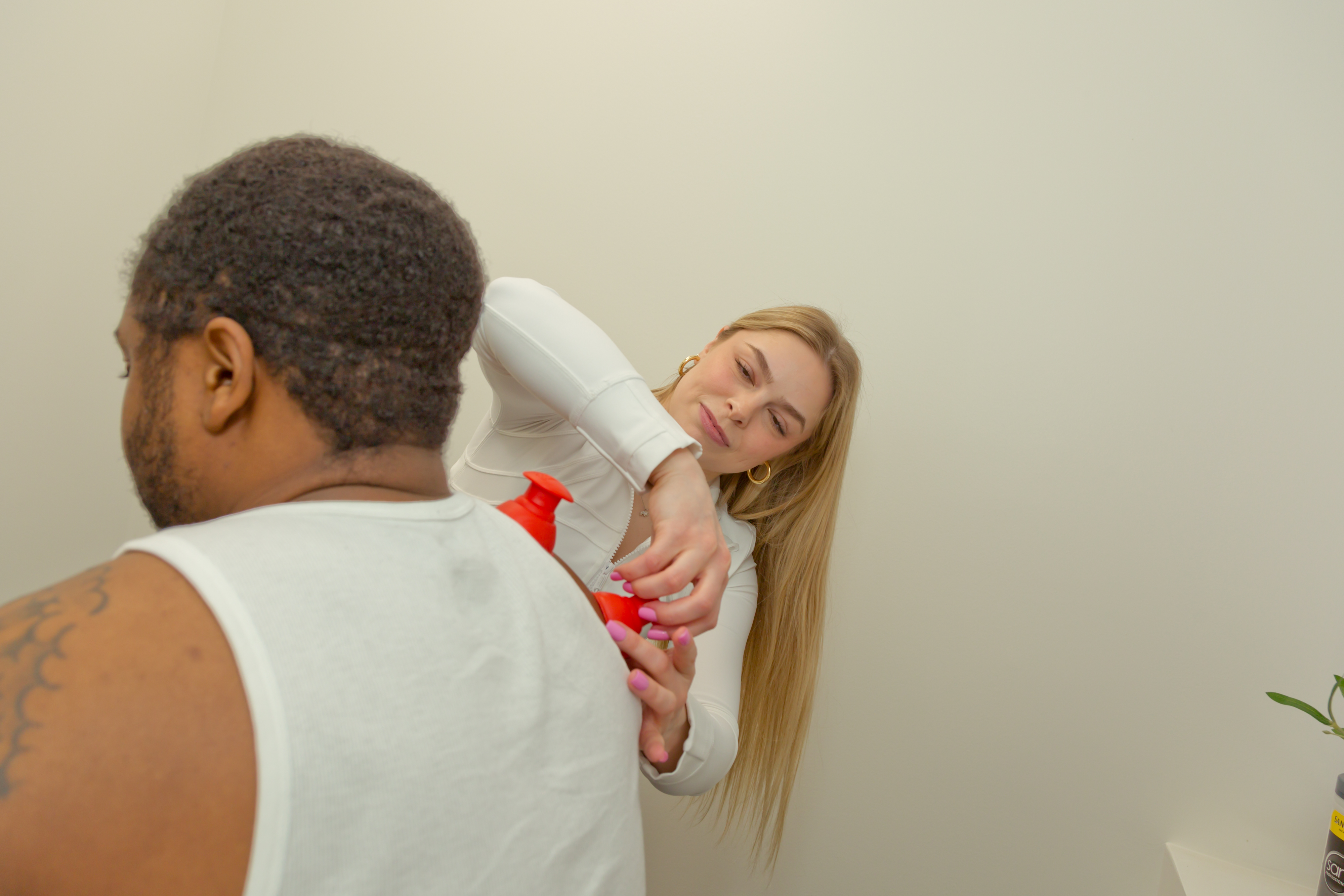
Cupping therapy works by applying suction to the surface of the skin using specially shaped cups. That suction creates a negative pressure effect, gently pulling the skin and superficial muscle layers upward. This is the opposite of a massage, which pushes down into the tissue. By lifting the tissue instead, cupping encourages increased circulation to the area, which can help the body clear out metabolic waste, reduce inflammation, and begin the healing process.
The round marks you see after a cupping session — sometimes called “cup kisses” — are not bruises in the traditional sense. They’re caused by blood being drawn to the surface of the skin. The color of the marks can range from light pink to a deep reddish-purple, and practitioners often interpret the intensity of the color as an indicator of how much stagnation was present in that area. These marks typically fade within a few days to a week.
Types of Cupping Therapy
Cupping isn’t a one-size-fits-all technique. There are several different approaches, and the right one depends on your individual needs, comfort level, and treatment goals. Here in Columbia, the team at Living Wellness Chiropractic tailors each approach to the patient in front of them.
Dry Cupping
This is the most commonly used form in chiropractic and sports wellness settings. Cups — typically made of silicone, plastic, or glass — are applied to the skin and suction is created either by a hand pump or by briefly heating the inside of the cup. The cups are left in place for a set period of time, usually between five and fifteen minutes. Dry cupping is well-tolerated by most people and is ideal for targeting specific areas of tension.
Gliding or Dynamic Cupping
In this technique, massage oil or lotion is applied to the skin before the cups are placed. Once suction is established, the cups are slowly moved across the skin rather than staying in one spot. This creates a deeper myofascial release effect and covers a broader area of tissue. Many patients find this version especially effective for larger muscle groups like the back and thighs.
Flash Cupping
Flash cupping involves rapidly applying and removing cups in quick succession. It is a gentler version that is often used to stimulate circulation without leaving the marks associated with stationary cupping. It can be a good starting point for patients who are new to the therapy or who have more sensitive tissue.
What Are the Benefits of Cupping?
Cupping therapy has been used in traditional Chinese medicine and other healing traditions for thousands of years. In recent decades, Western medicine and sports science have taken a greater interest in understanding why it seems to work so well for so many people. While the research is still evolving, evidence suggests that cupping may offer meaningful benefits for certain musculoskeletal and wellness concerns.
One of the most frequently reported benefits is relief from muscle tightness and soreness. The increased blood flow brought about by cupping helps deliver oxygen and nutrients to fatigued muscle tissue while also helping remove byproducts like lactic acid that accumulate during exercise or physical stress. For this reason, cupping has become especially popular among athletes and physically active individuals.
Many patients at Living Wellness Chiropractic in Columbia, MD also report an improvement in their range of motion after cupping sessions. When fascia — the connective tissue that surrounds muscles — becomes tight or restricted, it can limit how freely you move. Cupping helps decompress and stretch that fascial tissue, which may contribute to greater flexibility and ease of movement.
Beyond the physical, many people find cupping deeply relaxing. The nervous system responds positively to the sensation, and there’s often a meaningful reduction in perceived stress and tension following a session. This mind-body benefit shouldn’t be underestimated. Chronic stress has real physical effects on the body, and anything that helps downregulate the stress response supports overall health.
How Cupping Fits Into Chiropractic Care
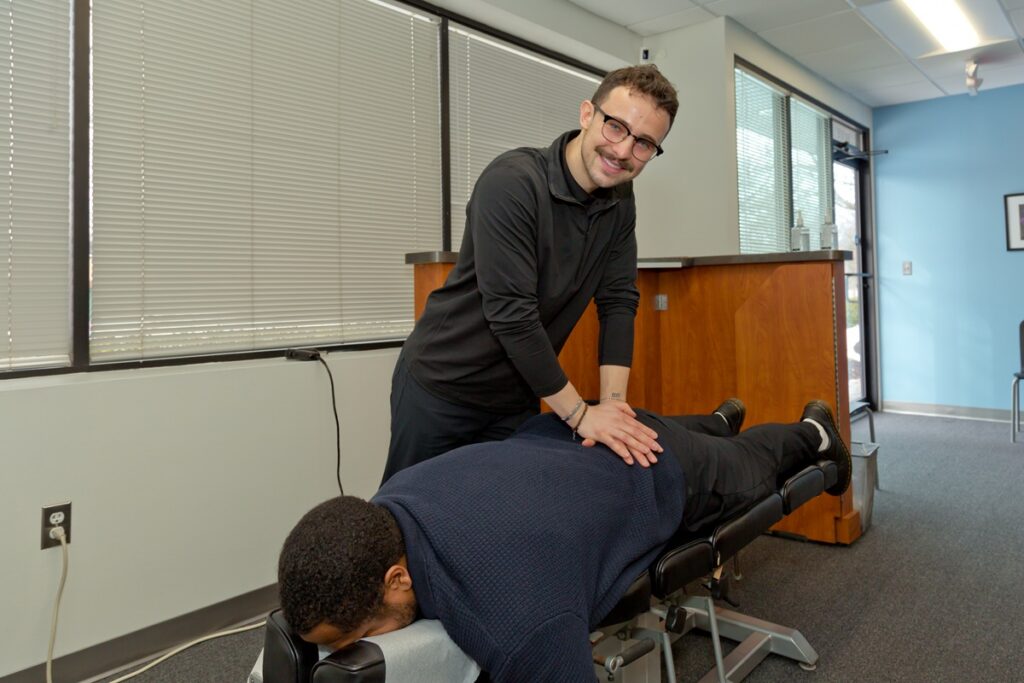
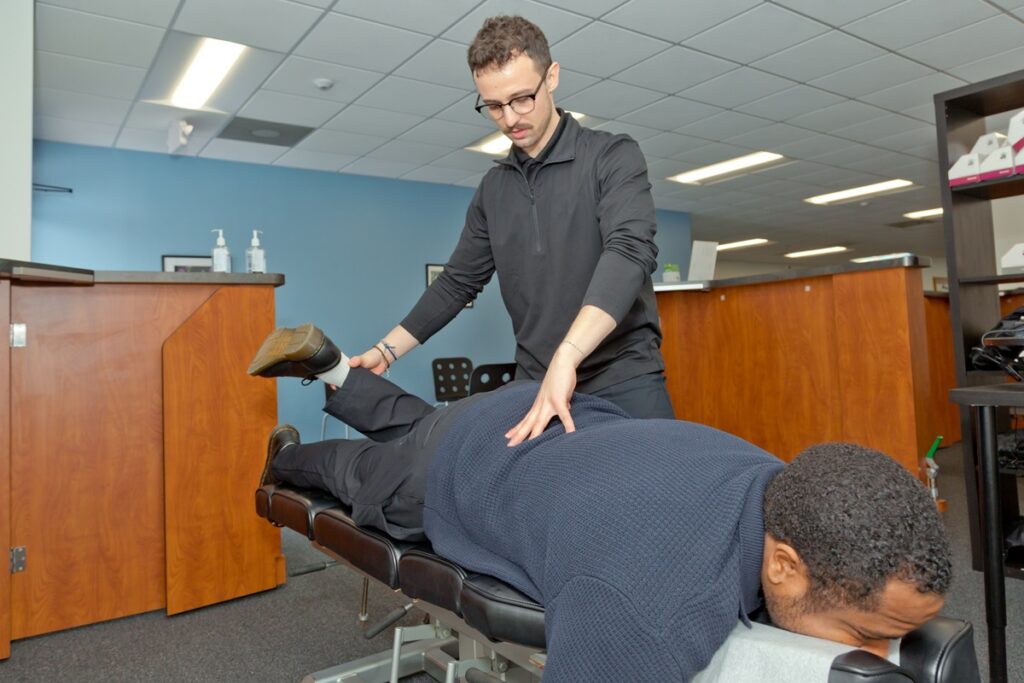
Chiropractic care is centered on the idea that the body works best when the spine, nervous system, and musculoskeletal structures are functioning in balance. Adjustments help restore proper alignment and joint mobility — but what happens in the soft tissue surrounding those joints matters just as much. That’s where cupping therapy can be a genuinely valuable addition to a chiropractic treatment plan.
At Living Wellness Chiropractic in Columbia, MD, Dr. Marissa Jenney and Dr. Connor Reed approach patient care from a whole-body perspective. When muscle tension or fascial restrictions are contributing to someone’s pain or limited mobility, addressing only the skeletal system may not be enough. Cupping helps prepare the soft tissue to respond better to chiropractic adjustments by relaxing tight muscles and improving circulation before or after care is delivered.
Think of it this way: if a joint is restricted partly because the surrounding muscles are pulling it out of alignment, loosening those muscles with cupping can make the adjustment more effective and longer-lasting. Dr. Jenney and Dr. Reed often incorporate cupping as part of a comprehensive, individualized care plan — alongside spinal adjustments, soft tissue work, rehabilitative exercises, and ergonomic guidance.
This integrative approach is one of the reasons patients in the Columbia, MD community keep returning to Living Wellness Chiropractic. Rather than offering a single-tool solution, the goal is always to address the full picture of what’s driving your discomfort or limiting your function.
Practical Tips Before and After Cupping
Getting the most out of cupping therapy involves a bit of preparation and aftercare. These aren’t complicated steps, but they do make a real difference in how your body responds and how quickly you recover.
Before your session, hydration is key. Drinking plenty of water in the hours leading up to your appointment helps your soft tissue stay pliable and responsive. Try to avoid eating a large meal immediately before your appointment, and let your provider know about any medications you’re taking, any skin conditions you have, or any areas of the body that feel particularly sensitive.
After cupping, your skin may feel warm and the treated areas may be tender to the touch for a day or two. This is completely normal. Continue to drink water, avoid intense exercise immediately following the session, and stay away from hot showers, saunas, or sun exposure on the treated areas for the rest of that day. Applying a gentle moisturizer can help soothe the skin as the marks fade.
It’s also worth noting that some people feel a little tired or emotionally tender after cupping — similar to how you might feel after a deep tissue massage. This is a sign that your body is processing and responding to the treatment. Rest and gentle movement are your best friends during this window.
When to See a Chiropractor About Cupping
Cupping therapy can be a wonderful tool for many people, but it’s not appropriate for every situation. Knowing when it’s a good fit — and when to seek a different approach — is part of responsible, patient-centered care.
You may want to explore cupping as part of a chiropractic care plan if you’re dealing with persistent muscle tightness or tension that doesn’t seem to respond to stretching alone, recurring soreness from physical activity, stiffness related to desk work or poor posture, or general stress that manifests in physical tension in the neck, shoulders, or back.
However, cupping is not recommended over areas of broken or irritated skin, active inflammation or open wounds, varicose veins, or bony prominences. It should also be avoided in individuals with certain bleeding disorders or those taking blood thinners. Pregnant women should consult their healthcare provider before pursuing cupping therapy.
If you’re experiencing any red flag symptoms — such as severe or sudden onset pain, numbness or tingling that travels down your arms or legs, loss of bladder or bowel control, or unexplained weight loss alongside musculoskeletal complaints — please seek immediate medical evaluation rather than beginning any new therapy.
Cupping vs. Other Soft Tissue Therapies
| Therapy | How It Works | Best For | Post-Treatment Marks? |
|---|---|---|---|
| Cupping Therapy | Negative pressure/suction lifts soft tissue | Fascial restriction, circulation, muscle soreness | Yes (fades in days) |
| Deep Tissue Massage | Manual compression and friction breaks down tension | Chronic muscle tightness, knots | Occasionally (bruising possible) |
| Myofascial Release | Sustained pressure to stretch fascia | Postural issues, widespread fascial tension | No |
| Instrument-Assisted Soft Tissue Mobilization (IASTM) | Specialized tools scrape tissue to stimulate healing | Scar tissue, tendinopathy, restricted areas | Mild redness possible |
Myths vs. Facts About Cupping Therapy
Myth: The marks from cupping are bruises and mean you’ve been injured.
Fact: The circular marks left by cupping are not bruises in the conventional sense. A bruise results from blunt trauma that breaks capillaries. Cupping marks occur because suction draws blood toward the surface of the skin. They are generally painless after the session and fade on their own within several days. Their presence simply indicates increased local blood flow to the treated area.
Myth: Cupping is only used in traditional or Eastern medicine and has no scientific basis.
Fact: While cupping has deep roots in traditional Chinese and Middle Eastern medicine, modern research has begun to examine its physiological effects. Evidence suggests it may help with pain reduction, muscle recovery, and circulation. It is increasingly integrated into sports medicine, physical therapy, and chiropractic practices as a complementary tool. The science is still developing, but its clinical use is grounded in well-understood principles of tissue mechanics and circulatory response.
Myth: Cupping is painful and should be uncomfortable during the session.
Fact: Most patients describe cupping as feeling like a deep pulling sensation — unusual, perhaps, but not painful. The level of suction can always be adjusted based on your comfort. When performed by a trained provider like Dr. Marissa Jenney or Dr. Connor Reed at Living Wellness Chiropractic, the experience should feel therapeutic, not distressing.
Myth: Cupping cures disease or detoxifies the body by pulling toxins through the skin.
Fact: Cupping does not “detox” the body in the way that is sometimes claimed on social media. The liver and kidneys are responsible for filtering metabolic waste — no therapy pulls toxins out through the skin. What cupping does do is improve local circulation and help release tight connective tissue, which supports the body’s own natural recovery processes. Claims that go beyond this are not supported by current evidence.
Myth: Cupping is only for athletes or people with serious injuries.
Fact: Cupping is beneficial for a wide range of people, not just high-performance athletes. Many patients at Living Wellness Chiropractic in Columbia, MD come in for cupping to address everyday stress-related tension, desk-work posture issues, or general stiffness. It’s a versatile therapy appropriate for many ages and activity levels when applied thoughtfully.
Final Thoughts from Living Wellness Chiropractic
Cupping therapy is one of those treatments that tends to surprise people. Many patients come in skeptical — they’ve seen the circular marks and aren’t quite sure what to make of it all — and leave genuinely impressed by how their body responds. It’s not magic, and it’s not a cure-all. But when it’s used as part of a well-rounded, evidence-informed chiropractic care plan, it can make a real difference in how you feel and how you move.
Here in Columbia, MD, the team at Living Wellness Chiropractic is committed to offering care that meets you where you are. Dr. Marissa Jenney and Dr. Connor Reed take the time to understand your goals, your history, and what’s actually driving your discomfort — and then they build a plan around that. Whether cupping is the right tool for you, or whether a different combination of approaches makes more sense, you’ll always receive care that is thoughtful, individualized, and grounded in your long-term wellbeing.
If you’re curious about cupping therapy or you’ve been dealing with stubborn muscle tension, stiffness, or soreness that just won’t quit, we’d love the opportunity to talk with you. Living Wellness Chiropractic is here to serve the Columbia, MD community with the kind of warm, honest, and genuinely effective care that helps people feel their best every day.
Frequently Asked Questions About Cupping Therapy
How many cupping sessions will I need before I notice results?
Many patients notice some improvement after their first session, particularly in terms of reduced muscle tightness and improved range of motion. However, the number of sessions that produces the most benefit varies depending on the individual and the nature of the issue being addressed. Your provider at Living Wellness Chiropractic will help you set realistic expectations during your initial evaluation.
Is cupping therapy safe?
When performed by a trained practitioner, cupping therapy is generally considered safe for most healthy adults. There are some contraindications — including skin conditions, certain bleeding disorders, and pregnancy — which is why a proper health history and consultation should always take place before treatment begins. Dr. Jenney and Dr. Reed screen every patient carefully before recommending any therapy.
Can I get cupping done on the same day as a chiropractic adjustment?
In many cases, yes. Combining cupping with a chiropractic adjustment in the same visit can actually be very effective, as the soft tissue work complements the joint-level work of the adjustment. Your care team at Living Wellness Chiropractic in Columbia, MD will determine the best sequencing based on your individual needs and response to treatment.
Will cupping therapy leave permanent marks on my skin?
No. The circular marks left by cupping are temporary and typically fade within three to seven days. They are not bruises and do not cause lasting skin damage when the therapy is performed correctly by a qualified provider.
Is cupping covered by insurance?
Coverage for cupping therapy varies widely depending on your insurance plan and how the service is billed. We recommend contacting your insurance provider directly to understand what your plan covers, and our team at Living Wellness Chiropractic is happy to assist with any questions related to your care.
What should I wear to a cupping appointment?
Comfortable, loose-fitting clothing is best. Depending on the area being treated — most commonly the back, shoulders, or legs — your provider may ask you to remove or adjust your clothing to access the treatment area. You will always be properly draped for comfort and privacy throughout your session.
TL;DR — Key Takeaways
- Cupping therapy uses suction to lift soft tissue, increase circulation, and release muscle tension — it is a safe, non-invasive complement to chiropractic care.
- The circular marks it leaves are not bruises; they reflect increased blood flow to the area and fade within days.
- There are several types of cupping — including stationary, gliding, and flash cupping — and the right approach depends on your individual needs.
- At Living Wellness Chiropractic in Columbia, MD, Dr. Marissa Jenney and Dr. Connor Reed integrate cupping into personalized care plans that address the whole body.
- Cupping is not appropriate for everyone, so a proper consultation with your provider is always the right first step before beginning treatment.