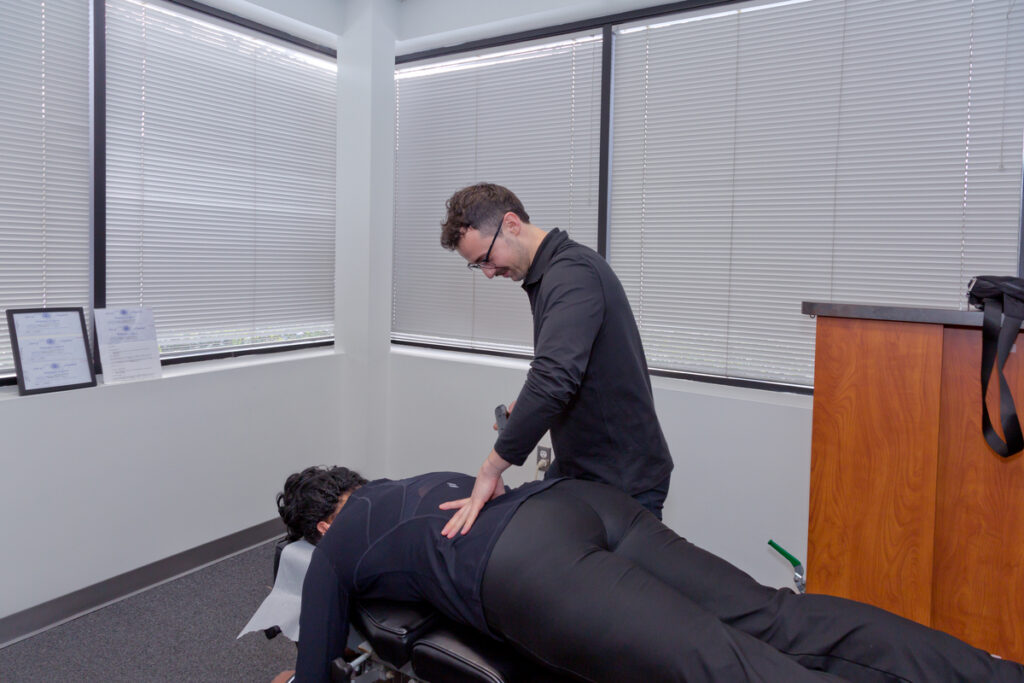

Improving your flexibility is crucial not just for overall fitness but also for maintaining a healthy spine and preventing injuries. As a chiropractor, I want to emphasize that enhancing your range of motion can greatly contribute to your overall well-being. By incorporating a combination of dynamic warm-ups, static stretching, and targeted mobility drills, you can effectively boost your flexibility and support your spinal health. Remember, it’s not just about stretching; there are various techniques and practices you can easily integrate into your daily routine. Interested in how chiropractic care can play a role in this? Let’s explore ten authentic ways to elevate your flexibility while promoting natural healing and wellness.
- Chiropractic Adjustments: Regular chiropractic adjustments can help improve your spinal alignment, which in turn enhances your flexibility. When your spine is aligned, it allows for better movement and reduces tension in your muscles.
- Dynamic Warm-Ups: Before any physical activity, engage in dynamic warm-ups. These are movements that gently increase your heart rate and warm up your muscles, preparing your body for exercise and reducing the risk of injury.
- Static Stretching: After your workouts, incorporate static stretching. Holding stretches for 15-30 seconds can help lengthen your muscles and improve your range of motion, especially when combined with chiropractic care.
- Targeted Mobility Drills: Focus on specific areas that may feel tight or restricted. Mobility drills can help improve flexibility in those areas, making everyday movements easier and more comfortable.
- Breath Control: Practicing controlled breathing can enhance your stretching routine. Deep breathing helps relax your muscles, allowing for a greater stretch and improved flexibility.
- Foam Rolling: Using a foam roller can help release tension in your muscles and fascia. This self-myofascial release technique promotes better blood flow and flexibility.
- Yoga and Pilates: Incorporating yoga or Pilates into your routine can greatly enhance your flexibility. Both practices emphasize core strength and stretching, which are vital for a healthy spine and improved mobility.
- Hydration: Staying well-hydrated is essential for muscle health. Drinking plenty of water helps keep your muscles pliable and can improve your flexibility over time.
- Consistency: Make flexibility work a regular part of your routine. Consistency is key to seeing long-term benefits, and integrating these practices daily can lead to significant improvements.
- Listen to Your Body: Pay attention to how your body feels during stretching and mobility work. Avoid pushing yourself too hard; instead, focus on gentle movements that feel right for you.
By following these tips and considering regular chiropractic care, you can enhance your flexibility naturally and effectively. Remember, a healthy spine is the foundation of a flexible body, so take care of your spinal health to enjoy a more active, pain-free lifestyle!
Incorporate Dynamic Stretching Into Your Warm-Up
To enhance your flexibility and overall well-being, incorporating dynamic stretching into your warm-up routine is a great choice. As a chiropractor, I emphasize the importance of preparing your body for physical activity, and dynamic stretches can play a key role in this. Unlike static stretches, which involve holding a position, dynamic stretches involve controlled movements that can elevate your heart rate and improve blood flow to your muscles.
Start your warm-up with about 5 to 10 minutes of light aerobic activity, such as jogging in place or doing jumping jacks. This helps to gradually increase your heart rate and warm up your muscles. After that, transition into dynamic stretches that focus on major muscle groups. You can try exercises like leg swings, arm circles, and walking lunges. Aim for 10 to 15 repetitions of each movement, keeping a steady pace. This method not only enhances flexibility but also helps to reduce the risk of injuries, which is essential for maintaining your spinal health.
By incorporating dynamic stretching into your routine, you prepare your muscles for better performance. This is particularly important if you’re looking to improve your physical capabilities while also supporting your overall health through natural methods.
Practice Static Stretching After Workouts
Practicing static stretching after your workouts is a fantastic way to enhance your flexibility and support muscle recovery, which is essential for maintaining a healthy spine and overall wellness. After engaging in physical activity, your muscles need time to cool down and relax, and this is where static stretching becomes incredibly beneficial.
When you hold stretches for 15 to 30 seconds, you allow your muscles to gradually lengthen. This not only helps relieve tightness but can also prevent soreness, which is crucial for staying active and pain-free. Pay special attention to major muscle groups such as your hamstrings, quadriceps, and shoulders. As you stretch, remember to breathe deeply and maintain a relaxed posture. This practice not only enhances the benefits of stretching but also promotes a sense of calm, which is vital for your overall well-being.
It’s important to stretch only to the point of mild discomfort—never push yourself into pain. This mindful approach can help you avoid injuries that might require chiropractic care or other treatments.
Incorporating static stretching into your post-workout routine isn’t just about aiding recovery; it also contributes to better flexibility, which supports spinal health and function. Consistency is key, so make it a habit to dedicate time after each workout to this effective practice.
As a chiropractor, I encourage you to view stretching as a vital component of your wellness journey. It not only helps your body recover but also helps you move better in your daily life. Your body will thank you for these efforts, and with the right care, you can achieve optimal health naturally. Remember, chiropractic care is here to support you in this journey, enhancing your overall wellness without the need for surgeries or medications.
Engage in Yoga or Pilates Sessions
If you’re looking to enhance your flexibility and overall wellness, consider engaging in yoga or Pilates sessions. While these practices can offer many benefits, it’s important to remember that chiropractic care is a powerful partner in your journey to optimal health. Regular chiropractic adjustments can help align your spine and improve your body’s function, making it easier for you to get the most out of your yoga or Pilates practice.
Incorporating chiropractic care into your routine can alleviate pain and tension in your muscles, allowing you to stretch and strengthen your body more effectively. Think of it as a way to enhance your experience in these classes. Plus, with a variety of yoga and Pilates options available, you can easily find a session that aligns with your schedule and skill level.
Additionally, here are some general tips to keep in mind as you pursue your wellness journey:
- Listen to Your Body: Always pay attention to how your body feels during and after your sessions. If you experience pain or discomfort, consult with your chiropractor for guidance.
- Stay Consistent: Regular adjustments from your chiropractor, combined with your yoga or Pilates practice, can yield better results over time.
- Focus on Breath: Both yoga and Pilates emphasize breath control, which can help reduce stress and improve your overall well-being.
- Hydrate: Keeping your body well-hydrated supports muscle function and recovery, especially after your classes.
- Integrate Chiropractic Care: Make chiropractic visits a part of your wellness routine to enhance your flexibility and reduce the risk of injury.
Benefits of Yoga
Many people overlook the incredible benefits of yoga, especially when it comes to supporting your spinal health and overall wellness. Regular yoga practice can significantly enhance your flexibility, which is essential for maintaining a healthy spine. By incorporating various poses, yoga helps stretch and strengthen different muscle groups, improving your range of motion and reducing the risk of injury, particularly in the back.
Moreover, yoga isn’t just about physical flexibility; it also plays a vital role in promoting mental clarity and emotional balance. The mindful breathing and meditation techniques you learn in yoga can be effective tools for managing stress, which often contributes to tension in your spine and body. By fostering a deeper connection between your mind and body, yoga can enhance your overall well-being, complementing the benefits of regular chiropractic care.
As a chiropractor, I encourage you to integrate yoga into your routine for a holistic approach to health. Not only will you improve your physical flexibility and strength, but you’ll also cultivate a sense of inner peace and balance that can enrich your daily life. Remember, maintaining a healthy spine is key to living well, and chiropractic care is the best way to achieve optimal health. So, consider giving yoga a try alongside your chiropractic visits—you won’t regret it!
Here’s a tip: start with gentle stretches and breathing exercises, and listen to your body as you progress.
Pilates for Flexibility
While yoga provides various benefits for flexibility and overall wellness, Pilates is another excellent option to consider, especially when it comes to supporting your spinal health. This practice emphasizes controlled movements that engage your core, enhance your posture, and promote flexibility—all essential components for maintaining a healthy spine. Incorporating Pilates into your routine can complement your chiropractic care, helping you achieve a balanced and pain-free body.
Here are some benefits of Pilates for flexibility that can also support your chiropractic journey:
- Enhances Core Strength: A strong core supports better spinal alignment, which is crucial for preventing and alleviating back pain.
- Improves Muscle Elasticity: Through targeted stretching, Pilates helps keep your muscles flexible, reducing tension and promoting overall mobility.
- Increases Range of Motion: Improved flexibility in your joints can help enhance your physical capabilities and reduce the risk of injury.
- Focuses on Breath Control: Breathing techniques in Pilates promote relaxation, which can further aid in reducing stress on your spine and body.
- Builds Stability: A stable body helps support your spine, reducing the risk of injury and enhancing your overall physical function.
As you explore these benefits, remember to prioritize your spinal health. Regular chiropractic adjustments can enhance the effects of Pilates by ensuring your spine is aligned, allowing you to move freely and comfortably.
Additionally, practice mindful movement and listen to your body. If a particular exercise causes discomfort, consult with your chiropractor for personalized advice.
Incorporating Pilates into your routine, along with regular chiropractic care, can be a powerful combination for achieving optimal health and flexibility.
Class Options Available
As a local chiropractor, I want to share how engaging in yoga or Pilates can complement your journey to optimal health and natural wellness. Many options are available, catering to various skill levels and preferences, which can be beneficial for your spine and overall well-being.
If you’re a beginner, starting with a gentle Hatha yoga class or a beginner Pilates session can help build a strong foundation while promoting spinal health. These types of classes focus on alignment and controlled movements, which can aid in reducing pain and tension in your body.
For those looking for a challenge, advanced Vinyasa yoga or a high-intensity Pilates reformer class can push your limits, but it’s essential to listen to your body and avoid overexertion.
Incorporating online sessions into your routine offers flexibility, allowing you to practice at your convenience. Additionally, many studios provide specialized classes aimed at enhancing flexibility, such as Yin yoga or restorative Pilates. These classes can be especially helpful for releasing tension and improving your range of motion, which is vital for maintaining a healthy spine.
Workshops and retreats also offer immersive experiences to deepen your practice and understanding of body mechanics. Remember, consistency is key! Regular practice can lead to meaningful improvements in your flexibility and overall health.
As you explore these options, always keep in mind that chiropractic care plays a crucial role in your wellness journey. Regular adjustments can enhance your body’s ability to adapt to physical activities like yoga and Pilates, ensuring your spine stays aligned and your nervous system functions optimally.
Use Foam Rolling Techniques
Incorporating foam rolling techniques into your wellness routine can significantly enhance your flexibility and overall mobility, which complements chiropractic care perfectly. Foam rolling is a form of self-myofascial release that helps to alleviate muscle tightness, improve blood circulation, and prepare your body for movement.
Here are some key benefits of adding foam rolling to your regimen alongside chiropractic adjustments:
- Reduces muscle soreness: By rolling out your muscles, you can decrease post-workout pain, making recovery more comfortable.
- Increases range of motion: Foam rolling helps to loosen tight muscles and connective tissues, which can enhance your overall flexibility.
- Improves circulation: Better blood flow supports muscle recovery and can enhance the effectiveness of your chiropractic treatments.
- Enhances muscle performance: Well-rolled muscles tend to perform better during workouts, allowing you to maximize your physical activity.
- Supports injury prevention: Regular foam rolling can help prevent strains and sprains, keeping you active and healthy.
To get started with foam rolling, aim to spend about 1-2 minutes on each muscle group, particularly focusing on areas that feel tight or sore. Remember to breathe deeply while rolling; this relaxation can enhance the benefits of your foam rolling session.
Integrating foam rolling into your routine, along with regular chiropractic care, can lead to significant improvements in your flexibility and overall well-being over time. This combination not only helps with pain relief but also promotes a healthier, more active lifestyle.
If you’re looking for natural ways to support your health, foam rolling and chiropractic adjustments are powerful allies you won’t want to overlook.
Add Resistance Training to Your Routine
Incorporating resistance training into your routine can significantly enhance your flexibility and strength, making it a perfect companion to your chiropractic care. When you engage in resistance exercises, you not only work your muscles but also promote better elasticity over time. This increased muscle tension can lead to improved overall flexibility, which is essential for maintaining a healthy spine.
Start with bodyweight exercises such as squats, lunges, and push-ups. These foundational movements can be done anywhere and are a great way to begin your journey. As you get stronger, you might consider adding weights or resistance bands to your workouts for an extra challenge. Focus on compound movements, which engage multiple muscle groups and help you develop a functional range of motion, supporting your daily activities and overall well-being.
It’s important to balance your resistance training with stretching to keep your muscles supple and limber. Pay attention to how your body feels during your workouts; if you experience tightness or discomfort, it may be wise to adjust your weights or modify the exercises. Remember, the goal is to build a strong, resilient body that supports your spinal health.
Perform Regular Mobility Drills
Mobility drills are a vital part of maintaining a healthy spine and enhancing your overall flexibility, which can significantly help in preventing injuries. As a chiropractor, I emphasize the importance of incorporating these simple yet effective exercises into your routine. By focusing on mobility, you can improve your range of motion and the quality of your movements, which is essential for everyday activities and overall wellness.
To effectively add mobility drills to your workouts for maximum benefit, consider the following tips:
- Start Slow: Begin with gentle stretches and movements to ease your body into the routine. This helps prevent strain and prepares your muscles and joints for more extensive work.
- Incorporate a Variety of Movements: Include exercises that target different parts of your body—neck, shoulders, back, hips, and legs. This comprehensive approach ensures that all areas receive attention and support.
- Focus on Breathing: Proper breathing techniques can enhance your mobility drills. Inhale deeply as you stretch and exhale as you release. This not only helps with relaxation but also improves your overall range of motion.
- Listen to Your Body: Pay attention to how your body feels during each exercise. If you experience discomfort or pain, modify the movement or consult with a chiropractor for guidance.
- Consistency is Key: Aim to perform mobility drills regularly, ideally several times a week. Consistent practice will yield the best results in improving flexibility and preventing injuries.
- Combine with Chiropractic Care: Regular chiropractic adjustments can complement your mobility drills by ensuring your spine is properly aligned, which enhances your ability to move freely and reduces tension in your muscles.
By integrating mobility drills into your routine and prioritizing spinal health through chiropractic care, you’re taking proactive steps toward achieving optimal wellness and pain relief.
Importance of Mobility Drills
As a local chiropractor, I want to emphasize the importance of incorporating regular mobility drills into your wellness routine. These simple exercises can significantly enhance your flexibility and play a crucial role in preventing injuries.
Mobility drills help maintain the health of your joints, improve your movement patterns, and increase your overall range of motion. By making mobility drills a part of your daily life, you can enjoy numerous benefits that support not just your fitness goals, but your overall health:
- Enhanced athletic performance: Improved mobility translates to better movement efficiency, allowing you to perform at your best whether you’re working out or engaging in sports.
- Reduced risk of injury: Keeping your joints and muscles flexible can help prevent strains and sprains during physical activities, giving you peace of mind as you exercise.
- Improved posture and alignment: Mobility work can help correct imbalances in your body, leading to better posture and spinal alignment, which is essential for overall health.
- Greater ease in daily activities: When your body moves freely, everyday tasks become easier. This means less strain on your back and joints, allowing you to enjoy life more fully.
- Faster recovery: Incorporating mobility drills can help speed up recovery after intense training sessions, ensuring you’re ready for your next workout sooner.
Remember, chiropractic care is an excellent foundation for your journey to optimal health. Regular adjustments can enhance your mobility, reduce pain, and promote overall wellness.
If you’re looking to improve your flexibility and joint health, consider scheduling a chiropractic appointment to discuss how we can work together to support your goals. In the meantime, here are a few simple mobility drills you can start with:
- Cat-Cow Stretch: This gentle spinal movement helps improve flexibility in your back and neck.
- Hip Circles: Stand on one leg and make circular motions with the other leg to loosen your hip joints.
- Shoulder Rolls: Roll your shoulders forward and backward to relieve tension and improve shoulder mobility.
Types of Mobility Exercises
Regularly engaging in a variety of mobility exercises can significantly enhance your flexibility and overall movement quality, which is vital for maintaining a healthy spine and preventing pain. As a chiropractor, I emphasize the importance of keeping your body moving well to support your spinal health.
Start your routine with dynamic stretches that warm up your muscles and joints, preparing them for activity. Simple movements like arm circles and leg swings can stimulate blood flow and get your body ready for the day. After your workout, incorporate static stretches to hold positions that elongate your muscles, such as hamstring and quad stretches. These help to alleviate tension and improve flexibility.
Another excellent tool for muscle relief is foam rolling, which can help release tightness in your muscles and enhance your range of motion. This practice aligns perfectly with chiropractic care, as both aim to improve function and reduce discomfort.
Consider trying yoga or Pilates as well; these practices combine strength and flexibility, focusing on controlled movements that promote better posture and spinal alignment. They also encourage mindfulness, which is an important aspect of overall wellness.
Don’t forget to include joint mobility drills. Simple exercises like ankle rolls and hip openers can help maintain joint health, which is crucial for preventing injuries and ensuring you stay active.
Incorporating Drills Into Routine
Incorporating mobility drills into your daily routine can have a remarkable impact on your flexibility, movement quality, and overall health. As a chiropractor, I often emphasize the importance of maintaining a healthy spine and body to achieve optimal wellness. By dedicating just a few minutes each day to these simple mobility drills, you can enhance how your body moves and feels, while also supporting your spinal health.
Here are some effective drills to consider:
- Dynamic stretches for warm-ups: Start your day with these to prepare your body for movement and reduce the risk of injury.
- Hip openers: These exercises help improve lower body mobility, making daily activities easier and more comfortable.
- Shoulder dislocates with a resistance band: This drill promotes shoulder health and flexibility, which is essential for maintaining good posture and preventing tension.
- Ankle mobility exercises: Improving ankle flexibility can enhance your balance and stability, which are crucial for overall movement and spinal alignment.
- Spinal twists: Gentle twists can enhance thoracic flexibility, helping to relieve tension in your back and promote better spinal health.
To truly benefit from these drills, consistency is key. Set aside time in your daily routine for these exercises, whether it’s during your workout or as a dedicated mobility session. Not only will you enhance your flexibility, but you’ll also reduce the risk of injuries and improve your performance in everyday activities.
Maintain Proper Hydration
Proper hydration is vital for enhancing flexibility and boosting your overall physical performance. When your body is well-hydrated, your muscles can function optimally, which allows for smoother movements and better elasticity.
On the flip side, dehydration can lead to stiffness and discomfort, making it challenging to achieve your desired range of motion—something that can be particularly important when you’re focusing on your spinal health.
To maintain proper hydration, aim to drink water consistently throughout the day, not just during your workouts. Remember, feeling thirsty is your body’s way of signaling that it already needs fluids, so try to sip water regularly before that thirst hits.
If you’re engaging in more intense activities or workouts, consider adding electrolyte-rich drinks to your routine. These can help replenish essential minerals that support your muscles and overall well-being.
Keeping a water bottle close by can serve as a great reminder to stay hydrated. Additionally, incorporating hydrating foods like fruits and vegetables into your meals can further support your hydration efforts.
By prioritizing hydration, you’re not only aiding your flexibility goals but also enhancing your overall physical performance, which can make your chiropractic adjustments more effective and beneficial.
Focus on Breathing Exercises
Breathing exercises can significantly contribute to your flexibility and overall well-being, especially when paired with chiropractic care. As a chiropractor, I often emphasize the importance of focusing on your breath, as it not only calms your mind but also enhances your body’s ability to stretch and move freely.
Here are some key benefits of incorporating breathing exercises into your daily routine, particularly in conjunction with chiropractic adjustments:
- Increased oxygen flow: Proper breathing techniques boost oxygen delivery to your muscles, which can improve performance and aid in recovery after chiropractic adjustments.
- Improved focus: Concentrating on your breath helps keep your mind centered, making your stretches more effective and enhancing the benefits you receive from chiropractic care.
- Reduced stress: Deep breathing lowers tension throughout your body, allowing for deeper stretches and more effective pain relief, which is a core principle of chiropractic wellness.
- Enhanced body awareness: Breathing exercises foster a deeper connection with your body, helping you identify areas that may need attention and care, particularly after a chiropractic session.
- Better posture: Focusing on your breath promotes proper alignment, which is essential for flexibility and overall spinal health.
By incorporating these breathing techniques into your routine, you can complement your chiropractic care and work towards achieving optimal health naturally. Remember, your body is designed to heal itself, and with the right support, you can enhance your well-being without relying on surgeries or medications.
Schedule Consistent Flexibility Workouts
Regularly scheduling flexibility workouts isn’t just a great way to enhance your overall mobility; it also complements the benefits of chiropractic care beautifully. To truly see positive changes in your body, aim for at least two to three flexibility sessions each week. Consistency is crucial! By sticking to a routine, you’ll gradually notice increased range of motion and a significant reduction in muscle stiffness, which can help alleviate pain.
Incorporate a variety of flexibility exercises that target different muscle groups. Try dynamic stretches before your workouts to warm up your body and static stretches afterward to cool down. This balanced approach allows your body to adapt effectively and prevents overworking any particular area, supporting your spine and overall health.
Set aside dedicated time each week for your flexibility sessions, treating them like any other important appointment in your life. Whether you choose to start your day with a morning stretch or unwind in the evening with some gentle movements, find a routine that fits your lifestyle and stick to it. Remember, even short sessions of just 10 to 15 minutes can be incredibly beneficial. Those little moments dedicated to flexibility can make a big difference in how you feel.
Listen to Your Body and Avoid Overstretching
As you embark on your journey to enhance flexibility, it’s essential to prioritize listening to your body and understanding its limits. Overstretching can lead to unnecessary injuries, and being mindful of how your body responds during each stretch is crucial.
Here are some friendly tips to help you stay in tune and promote natural wellness, with chiropractic care as your ally:
- Warm Up: Begin with a gentle warm-up to prepare your muscles. This can include light movements or even a few minutes of walking to increase blood flow.
- Progress Gradually: Flexibility improvements take time. Focus on making gradual progress instead of pushing your body too hard, too fast. Your muscles will thank you!
- Listen to Your Pain Signals: It’s important to differentiate between discomfort and pain. While mild discomfort can be part of the process, sharp pain is a warning sign that something might be wrong.
- Rest Days are Key: Incorporate rest days into your routine. This allows your muscles to recover and adapt, which is vital for overall health and flexibility.
- Stay Hydrated: Drinking enough water is essential for keeping your muscles functioning optimally. Hydration supports your body’s natural healing processes and can enhance your overall well-being.
Chiropractic care can play a significant role in helping you maintain flexibility and alleviate pain. Regular adjustments can improve your spinal health, enhance your range of motion, and ultimately support your journey toward a healthier, more flexible you.
Conclusion
By incorporating these ten authentic ways to enhance your flexibility, you’ll not only improve your range of motion but also support your overall wellness, particularly your spinal health. As a local chiropractor, I want to share how important it is to maintain a flexible spine and body for optimal health. Start by mixing dynamic warm-ups with static stretching; these movements can help prepare your muscles and joints for any activity.
Engaging in practices like yoga or Pilates can also be incredibly beneficial, as they promote flexibility and balance while fostering a mind-body connection. It’s essential to listen to your body and pay attention to its signals during these exercises—if something feels uncomfortable, it’s important to adjust or seek guidance.
Consistency is key—try to schedule regular sessions for stretching and flexibility exercises. Don’t forget the importance of staying well-hydrated, as it supports muscle function and overall health. With patience and dedication, you’ll see significant progress in your flexibility journey, which can lead to reduced pain and discomfort.
Embrace this process, and remember that chiropractic care is an excellent way to enhance your flexibility and overall well-being. Regular adjustments can help align your spine, reduce tension, and improve mobility, making it easier for you to engage in various activities. Enjoy the journey toward better flexibility and health!