

If you’ve ever felt that nagging numbness, tingling, or weakness in your hands and wrists, you know how much carpal tunnel syndrome can interfere with everyday life. Simple tasks like typing, gripping a coffee mug, or even sleeping through the night can become surprisingly difficult. Here at Living Wellness Chiropractic in Columbia, MD, we see patients dealing with carpal tunnel syndrome on a regular basis — and we want you to know that there is real hope and real help available. This article is designed to walk you through what carpal tunnel syndrome actually is, why it happens, and — most importantly — what you can do about it.
What Is Carpal Tunnel Syndrome?
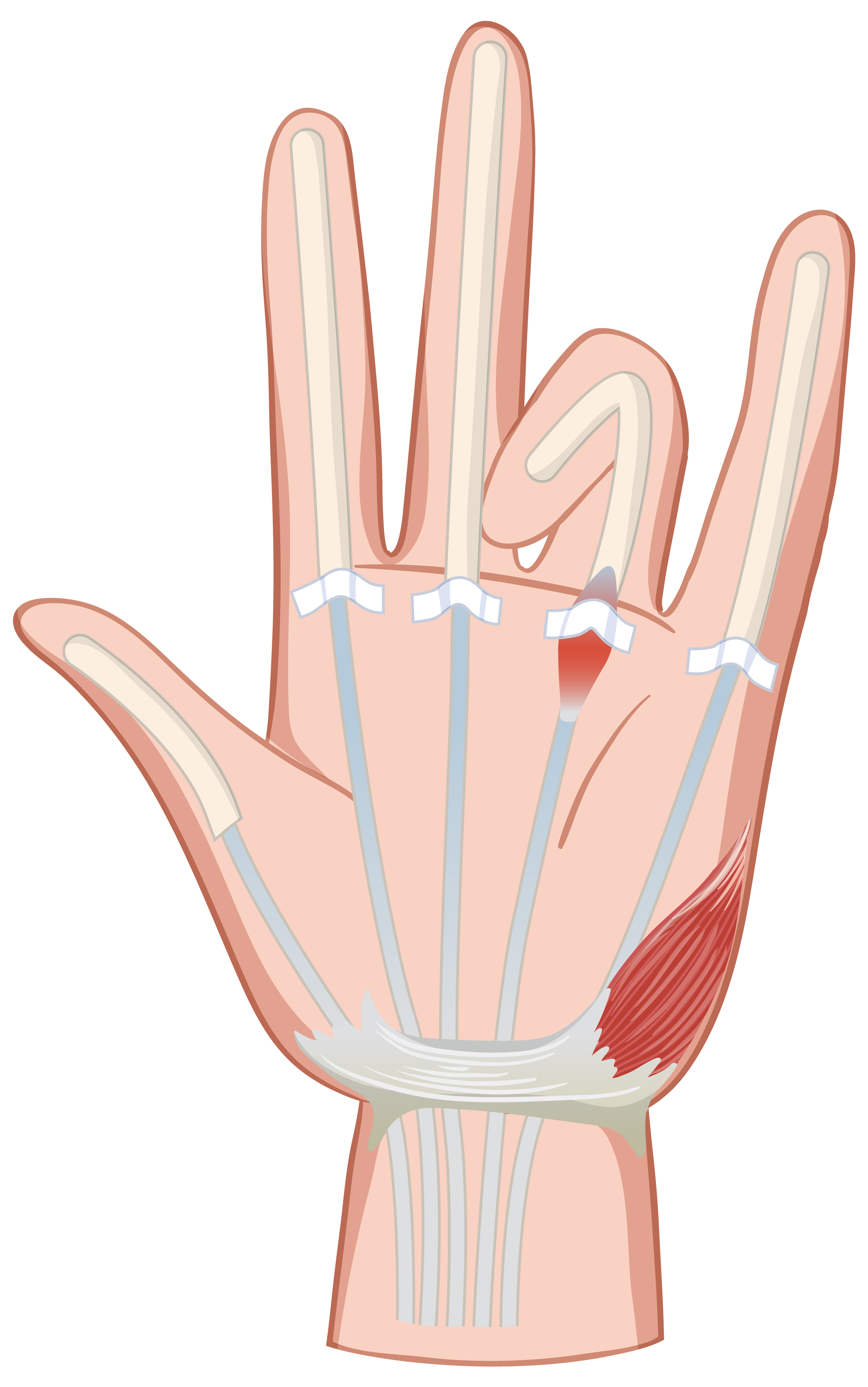
Carpal tunnel syndrome (CTS) is a condition that occurs when the median nerve, which runs through a narrow passageway in the wrist called the carpal tunnel, becomes compressed or irritated. This nerve is responsible for sensation and movement in parts of the hand, so when it’s under pressure, you may experience numbness, tingling, pain, or weakness — particularly in the thumb, index, middle, and part of the ring finger.
What Causes Carpal Tunnel Syndrome?
Carpal tunnel syndrome doesn’t usually develop overnight. It tends to build gradually over time as a result of repetitive stress, anatomical factors, or underlying health conditions that cause swelling and pressure within the wrist. Understanding the root cause is an important first step toward addressing it effectively.
Repetitive hand and wrist movements are one of the most common contributors. People who spend long hours typing at a keyboard, performing assembly line work, or doing any task that involves repeated wrist flexion and extension are especially vulnerable. The tendons within the carpal tunnel can become inflamed with overuse, which narrows the tunnel and puts pressure directly on the median nerve.
Certain health conditions are also known to increase the risk. Diabetes, hypothyroidism, rheumatoid arthritis, and fluid retention during pregnancy can all contribute to swelling in the tissues surrounding the carpal tunnel. In some cases, the anatomy of the wrist itself — a narrower tunnel than average — simply makes a person more predisposed to developing the condition.
Posture plays a more significant role than many people realize. Poor neck and upper back alignment can create tension along the pathway of the median nerve long before it even reaches the wrist. This is why the chiropractors at Living Wellness Chiropractic take a whole-body approach when evaluating carpal tunnel symptoms — because the source of nerve irritation isn’t always where the pain shows up.
Recognizing the Signs and Symptoms
Carpal tunnel syndrome can present differently from person to person, but there are some telltale patterns that tend to show up consistently. Recognizing these early can make a significant difference in how quickly and completely you’re able to recover.
The most classic symptom is a tingling or “pins and needles” sensation in the thumb, index finger, middle finger, and part of the ring finger. This sensation often shows up at night or first thing in the morning — many people describe being woken up by the discomfort and needing to shake their hands out to get relief. That nighttime pattern is particularly characteristic of carpal tunnel syndrome.
As the condition progresses, you may begin to notice weakness in your grip. Dropping objects unexpectedly, struggling to open jars, or finding it difficult to pinch small items between your fingers are all signs that the median nerve compression may be worsening. Some people also notice a dull aching pain that radiates up the forearm toward the elbow, which can make it easy to confuse CTS with other conditions.
Here in Columbia, MD, Dr. Marissa Jenney and Dr. Connor Reed frequently evaluate patients who have been dealing with these symptoms for months — sometimes years — before seeking care. The good news is that even long-standing carpal tunnel syndrome often responds well to conservative treatment approaches.

How Chiropractic Care Fits In
Many people associate chiropractic care exclusively with back and neck pain, but chiropractic is really about the relationship between the nervous system, the spine, and the overall function of the body. That makes it particularly well-suited for addressing nerve-related conditions like carpal tunnel syndrome.
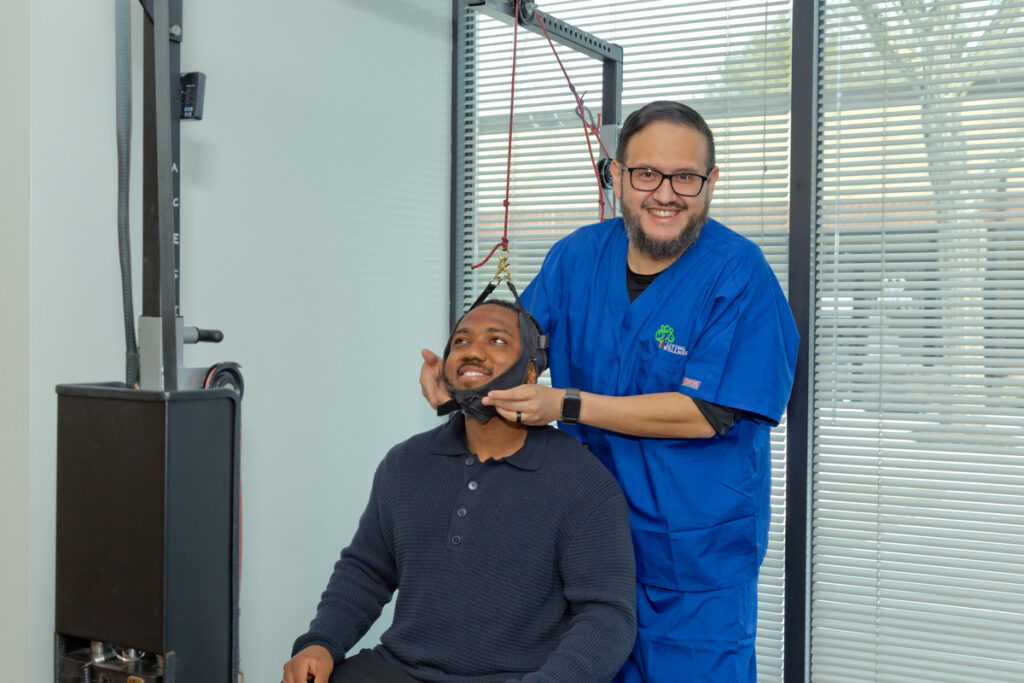
At Living Wellness Chiropractic, Dr. Marissa Jenney and Dr. Connor Reed take a thorough, individualized approach to evaluating carpal tunnel syndrome. Rather than treating only the wrist, they assess the entire kinetic chain — including the cervical spine (neck), the thoracic spine (upper back), the shoulder, the elbow, and the wrist — to determine where nerve tension or structural dysfunction may be originating.
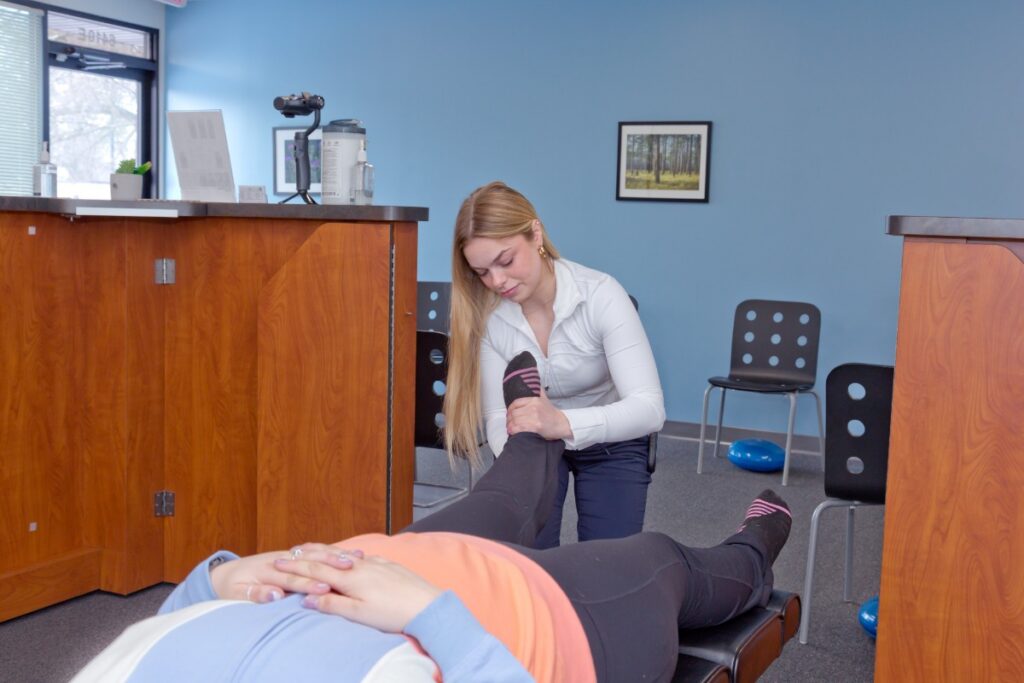
Chiropractic adjustments to the cervical spine and upper thoracic spine can help restore proper alignment and reduce nerve irritation that may be contributing to symptoms in the hands. Wrist and elbow joint manipulation or mobilization may also be used to address restrictions in those areas. Research published by organizations like the National Center for Complementary and Integrative Health (NCCIH) suggests that manual therapies can be a useful part of a conservative care plan for carpal tunnel syndrome.
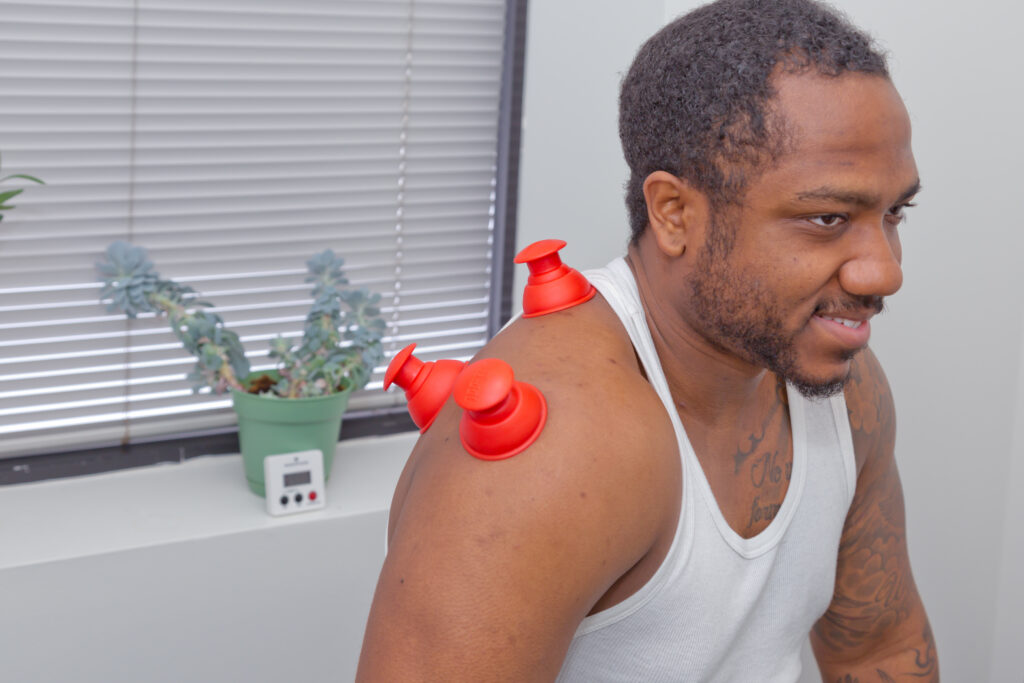
Soft tissue techniques are another valuable tool. Myofascial release and other manual methods can help reduce tension in the forearm muscles, improve circulation, and create more space within the carpal tunnel itself. When appropriate, our team may also incorporate wrist stretches, nerve gliding exercises, and ergonomic coaching as part of your care plan. The goal is always to get you feeling better without the need for surgery or long-term medication use.
Practical Tips and Lifestyle Changes
Chiropractic care works best when it’s supported by smart habits at home and at work. The good news is that many of the most effective lifestyle changes for carpal tunnel syndrome are simple and cost nothing at all. Here are some practical strategies that Dr. Marissa Jenney and Dr. Connor Reed often share with patients at Living Wellness Chiropractic in Columbia, MD.
Start by evaluating your workstation setup. Your keyboard should be positioned so that your wrists remain relatively neutral — not bent upward or downward — while you type. Your mouse should be close enough that you’re not reaching forward or to the side to use it. A wrist rest can be helpful for breaks between typing, but it’s not intended to be used while actively typing, as this can actually increase pressure on the carpal tunnel.
Take regular movement breaks. If you work at a desk, aim to stand up and move around briefly every 30 to 45 minutes. During those breaks, gently stretch your fingers, wrists, and forearms. Simply extending your arm with your palm facing up and gently pulling your fingers back with your other hand can help relieve tension along the median nerve pathway.
Pay attention to how you sleep. Many people unconsciously curl their wrists inward during sleep, which compresses the carpal tunnel for hours at a time. Wearing a neutral wrist splint at night is a widely recommended conservative strategy for reducing nighttime symptoms. This keeps the wrist in a neutral position without requiring any conscious effort on your part.
Be mindful of activities that aggravate your symptoms. If you notice that certain movements — like prolonged gripping, using vibrating tools, or sustained keyboard work — make your symptoms worse, try to modify those activities when possible or alternate hands to give one side a rest.
When to See a Chiropractor
If you’re experiencing tingling, numbness, or weakness in your hands or wrists that has lasted more than a few days, it’s worth getting a professional evaluation. Early intervention tends to produce the best outcomes with carpal tunnel syndrome — waiting until symptoms are severe can make recovery a longer process.
Chiropractic care is especially worth considering if your symptoms are mild to moderate, if you’d prefer to explore conservative options before pursuing surgery, or if you’ve already had a diagnosis but haven’t yet tried manual therapy. Many patients in the Columbia, MD area find that a combination of chiropractic adjustments, soft tissue work, and ergonomic changes provides meaningful, lasting relief.
There are some situations where a medical referral is appropriate and important. If you’re experiencing significant muscle wasting at the base of your thumb, severe and constant numbness, or complete loss of grip strength, those are signs that the nerve compression may be advanced and requires urgent medical evaluation. Dr. Marissa Jenney and Dr. Connor Reed take patient safety seriously and will always communicate transparently about whether chiropractic care is the right fit for your specific situation — or whether a referral is the better path forward.
Ergonomic Habits: What Helps vs. What Hurts
Habit or Setup |
What Helps |
What Hurts |
|---|---|---|
|
Keyboard position |
Level with elbows, wrists neutral while typing |
Wrists bent upward or angled inward |
|
Mouse placement |
Close to body, elbow bent at 90 degrees |
Reaching forward or across the body |
|
Wrist splint use |
Worn at night to keep wrist neutral during sleep |
Worn while typing (can increase pressure) |
|
Grip strength activities |
Gentle, alternating hand use with rest breaks |
Prolonged gripping or use of vibrating tools |
|
Posture while working |
Upright spine, relaxed shoulders, elbows supported |
Rounded shoulders, forward head posture |
|
Movement breaks |
Every 30–45 minutes, with gentle wrist stretches |
Sitting for hours without moving or stretching |
Myths vs. Facts About Carpal Tunnel Syndrome
Myth: Carpal tunnel syndrome only affects people who type all day.
Fact: While keyboard-heavy work is a known risk factor, carpal tunnel syndrome affects people across a wide range of occupations and lifestyles. Construction workers, musicians, hairstylists, and even new parents who repeatedly lift and carry infants can develop this condition. Anatomy, health conditions, and overall wrist mechanics all play a role.
Myth: Surgery is the only real fix for carpal tunnel syndrome.
Fact: Surgery is one option for severe or unresponsive cases, but many people — particularly those with mild to moderate symptoms — experience meaningful improvement through conservative care. Chiropractic treatment, wrist splinting, nerve gliding exercises, and ergonomic modifications are all recognized as legitimate first-line approaches before surgery is considered.
Myth: If you have carpal tunnel syndrome, you just have to live with the pain.
Fact: This is one of the most discouraging myths we hear at Living Wellness Chiropractic. Many patients come in feeling like they’ve exhausted their options — and then go on to experience significant improvement with consistent conservative care. You don’t have to accept chronic hand and wrist pain as inevitable.
Myth: Carpal tunnel symptoms only happen in the wrist and hand.
Fact: Carpal tunnel syndrome can cause aching pain that radiates up the forearm, and symptoms are often worse at night regardless of what the person was doing during the day. Additionally, nerve tension from the cervical spine can mimic or worsen CTS symptoms — which is one reason a whole-body evaluation is so valuable.
Myth: Resting your hands completely is the best way to recover.
Fact: Complete rest isn’t always the answer. While reducing aggravating activities is important, gentle movement, nerve gliding exercises, and maintaining circulation are generally beneficial for recovery. A complete lack of movement can sometimes lead to stiffness and slower healing. Your care team can guide you on the right balance for your specific case.
Final Thoughts from Living Wellness Chiropractic
Living with carpal tunnel syndrome doesn’t have to mean giving up the activities you love or resigning yourself to a future of pain and limitation. With the right combination of professional care, smart ergonomic habits, and consistent lifestyle modifications, many people are able to reduce their symptoms significantly and get back to feeling like themselves again.
Here at Living Wellness Chiropractic in Columbia, MD, Dr. Marissa Jenney and Dr. Connor Reed are passionate about helping members of our community understand their bodies and take an active role in their own health. Whether you’ve just started noticing symptoms or you’ve been dealing with carpal tunnel syndrome for a long time, we’re here to offer a thorough evaluation and a thoughtful, personalized approach to care.
You don’t have to navigate this alone. If you’re in the Columbia, MD area and you’ve been wondering whether chiropractic care might help with your hand or wrist symptoms, we’d love to talk with you. Our team is committed to giving you honest answers, a clear explanation of your options, and the kind of compassionate care that actually makes a difference in your daily life.
Frequently Asked Questions
Can a chiropractor actually help with carpal tunnel syndrome?
Yes, chiropractic care can be a helpful part of a conservative treatment plan for carpal tunnel syndrome. Research suggests that manual therapy, spinal adjustments, and soft tissue work may help reduce nerve irritation and improve wrist and hand function. Results vary by individual, and your chiropractor will be upfront about what to realistically expect.
How long does it take to see improvement with conservative treatment?
The timeline varies depending on the severity of the condition and how long symptoms have been present. Some patients notice improvement within a few weeks of consistent care, while others may take longer. Early intervention generally leads to faster and more complete recovery.
Is it safe to get chiropractic adjustments on my wrist?
Wrist and upper extremity adjustments are a normal part of chiropractic care for conditions like carpal tunnel syndrome. Dr. Marissa Jenney and Dr. Connor Reed use gentle, controlled techniques appropriate to each patient’s comfort level and condition severity.
Should I wear a wrist brace all the time if I have carpal tunnel syndrome?
Nighttime use of a neutral wrist splint is commonly recommended to prevent wrist flexion during sleep, which can worsen symptoms. However, wearing a brace during all waking activities isn’t typically advised unless recommended by your provider. Your care team can give you guidance tailored to your situation.
Can carpal tunnel syndrome come back after treatment?
It can, particularly if the underlying contributing factors — such as repetitive strain, poor ergonomics, or systemic health conditions — aren’t addressed. That’s why lifestyle education and long-term ergonomic habits are such an important part of the care plan at Living Wellness Chiropractic.
What’s the difference between carpal tunnel syndrome and other hand pain conditions?
Carpal tunnel syndrome specifically involves compression of the median nerve and produces symptoms in a predictable pattern — typically the thumb, index, middle, and part of the ring finger. Other conditions like trigger finger, arthritis, or de Quervain’s tenosynovitis cause different patterns of pain and require different treatment approaches. A professional evaluation is the best way to get an accurate diagnosis.
TL;DR
-
Carpal tunnel syndrome is caused by compression of the median nerve at the wrist, leading to tingling, numbness, and weakness in the hand.
-
Common contributors include repetitive wrist movements, poor ergonomics, and certain health conditions — and spinal alignment can play a role too.
-
Chiropractic care, including spinal adjustments and soft tissue therapy, can be a valuable non-surgical option for managing CTS symptoms.
-
Simple lifestyle changes — like improving your workstation setup, taking movement breaks, and wearing a wrist splint at night — can make a meaningful difference.
-
Dr. Marissa Jenney and Dr. Connor Reed at Living Wellness Chiropractic in Columbia, MD are here to help you find real, lasting relief through individualized, compassionate care.