
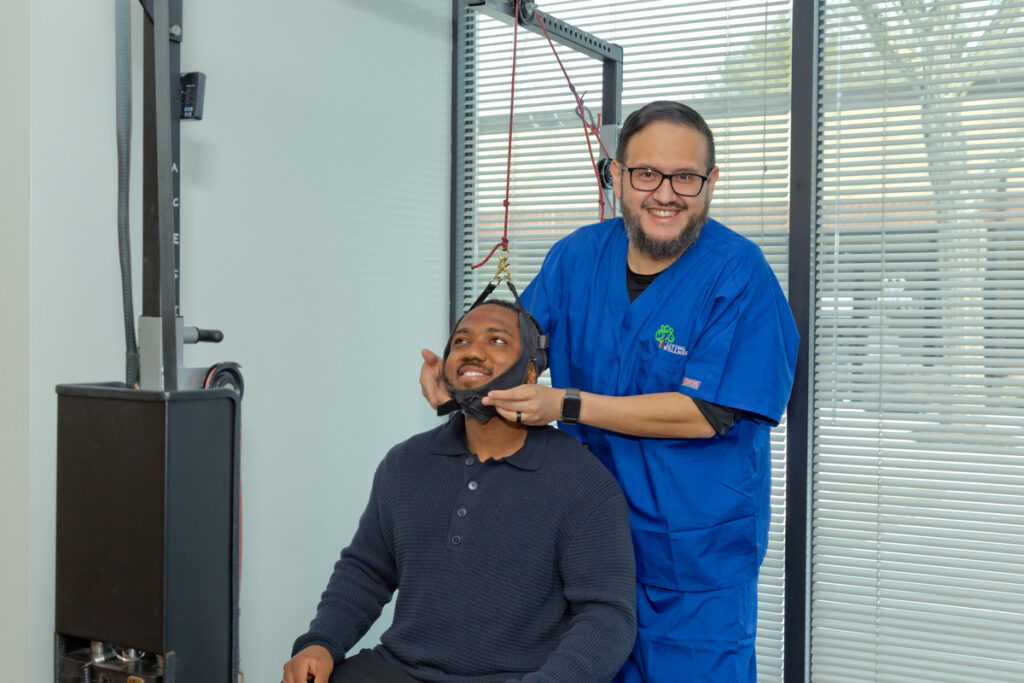

If you’ve ever had to choose between pushing through a pounding head or canceling your whole day, you know just how disruptive head pain can be. But here’s something many people don’t realize: not all headaches are created equal. There’s a big difference between a tension headache after a stressful day and a full-blown migraine that puts you in a dark room for hours. Understanding what your body is actually trying to tell you — and why it keeps sending these painful signals — is the first step toward real, lasting relief. Here at Living Wellness Chiropractic in Columbia, MD, Dr. Marissa Jenney and Dr. Connor Reed work with patients every day who are tired of just managing their head pain and are ready to understand its root cause.
What’s the difference between a headache and a migraine?
A headache is a broad term for pain or discomfort in the head, scalp, or neck. A migraine is a specific neurological condition that typically causes intense, throbbing pain — often on one side of the head — and is frequently accompanied by nausea, light sensitivity, and visual disturbances. Migraines are not simply “bad headaches.” They are a distinct condition with different triggers, mechanisms, and treatment needs.
Table of Contents
Types of Headaches: More Variety Than You Might Think
Most people lump all head pain together under the word “headache,” but healthcare providers actually recognize several distinct types. The most common is the tension-type headache, which typically feels like a dull, steady pressure or a band tightening around your head. These are often linked to muscle tension in the neck, shoulders, and upper back — areas that take a real beating from desk work, screen time, and stress.
Cervicogenic headaches are another important category. These originate in the cervical spine — meaning your neck — and refer pain up into the head. People often describe these as a dull ache that starts at the base of the skull and works its way forward. Here in Columbia, MD, many patients who come into Living Wellness Chiropractic are surprised to learn that a longstanding “headache problem” is actually rooted in their neck.
Cluster headaches are far less common but extremely painful. They tend to occur in cyclical patterns, often affecting one side of the head around the eye. They are more prevalent in men and can be debilitating during an active cluster period. Then there are sinus headaches, which arise from inflammation and congestion in the sinus cavities, often during allergy season or upper respiratory illness.
Each of these types has different underlying causes, which is exactly why identifying the type of headache you’re experiencing matters so much. Treating a cervicogenic headache the same way you’d treat a sinus headache won’t get you very far. That’s where a thorough evaluation — the kind Dr. Marissa Jenney and Dr. Connor Reed conduct at Living Wellness Chiropractic — becomes genuinely valuable.

Understanding Migraines: A Neurological Condition
Migraines deserve their own conversation because they are fundamentally different from other types of head pain. Classified as a neurological disorder, migraines involve complex changes in brain activity and the nervous system. The pain is often described as throbbing or pulsating, frequently on one side of the head, and can last anywhere from a few hours to several days.
One of the hallmarks of migraines is the presence of associated symptoms beyond head pain. Nausea and vomiting are common. Many migraine sufferers become acutely sensitive to light (photophobia), sound (phonophobia), and even smell. Some people experience what’s known as an “aura” before the headache phase begins — visual disturbances like zigzag lines, blind spots, or flashing lights that serve as a warning that a migraine is on its way.
Migraines are thought to involve the trigeminal nerve system, changes in serotonin levels, and cortical spreading depression — a wave of electrical activity across the brain. The cervical spine and its influence on the central nervous system may also play a role in migraine frequency and severity, which is why spinal health is increasingly recognized as relevant to migraine management.
It’s estimated that migraines are one of the leading causes of disability worldwide, according to the World Health Organization. Yet many people with migraines go undiagnosed or under-treated for years. If you’ve been suffering through what you thought were “just bad headaches,” it may be worth exploring whether migraines are actually what’s going on.
What’s Actually Causing Your Head Pain?
One of the most important questions Dr. Marissa Jenney and Dr. Connor Reed ask new patients at Living Wellness Chiropractic is: “When did your headaches start, and what was going on in your life at that time?” The answer often reveals a lot. Head pain rarely appears out of nowhere — it usually has a story behind it.
Postural strain is one of the most common contributors to recurring headaches in today’s world. When you spend hours looking down at a phone or hunching over a laptop, the muscles and joints of the cervical spine are placed under sustained load. Over time, this can lead to muscle imbalances, joint irritation, and nerve tension that manifest as headaches. Forward head posture — where your head sits in front of your shoulders rather than directly above them — places significant additional stress on the upper spine and can trigger cervicogenic headaches.
Stress is another major factor. When we’re under psychological stress, we tend to hold tension in the muscles of the neck, jaw, and shoulders. This physical tension can directly trigger tension-type headaches. Dehydration, poor sleep, hormonal fluctuations, and dietary triggers like caffeine or certain foods can also play meaningful roles in both regular headaches and migraines.
For migraine sufferers specifically, triggers vary widely from person to person. Common ones include changes in sleep patterns, barometric pressure shifts, bright lights, strong smells, alcohol, and skipping meals. Understanding your personal triggers — and addressing the underlying physical and neurological vulnerabilities that make you susceptible — is key to reducing how often migraines occur.
How Chiropractic Care Fits Into the Picture
Chiropractic care is a non-invasive, drug-free approach to health that focuses on the relationship between the spine, the nervous system, and overall function. When it comes to headaches and migraines, chiropractic care isn’t about masking symptoms — it’s about identifying and addressing the physical factors that may be contributing to your pain.
Evidence from organizations like the American Chiropractic Association and research published in peer-reviewed journals suggests that spinal manipulation and manual therapy may be beneficial for certain types of headaches, particularly tension-type and cervicogenic headaches. The evidence for chiropractic care and migraines continues to grow, with some research indicating that cervical spine adjustments may help reduce migraine frequency in some patients — though results vary from person to person.
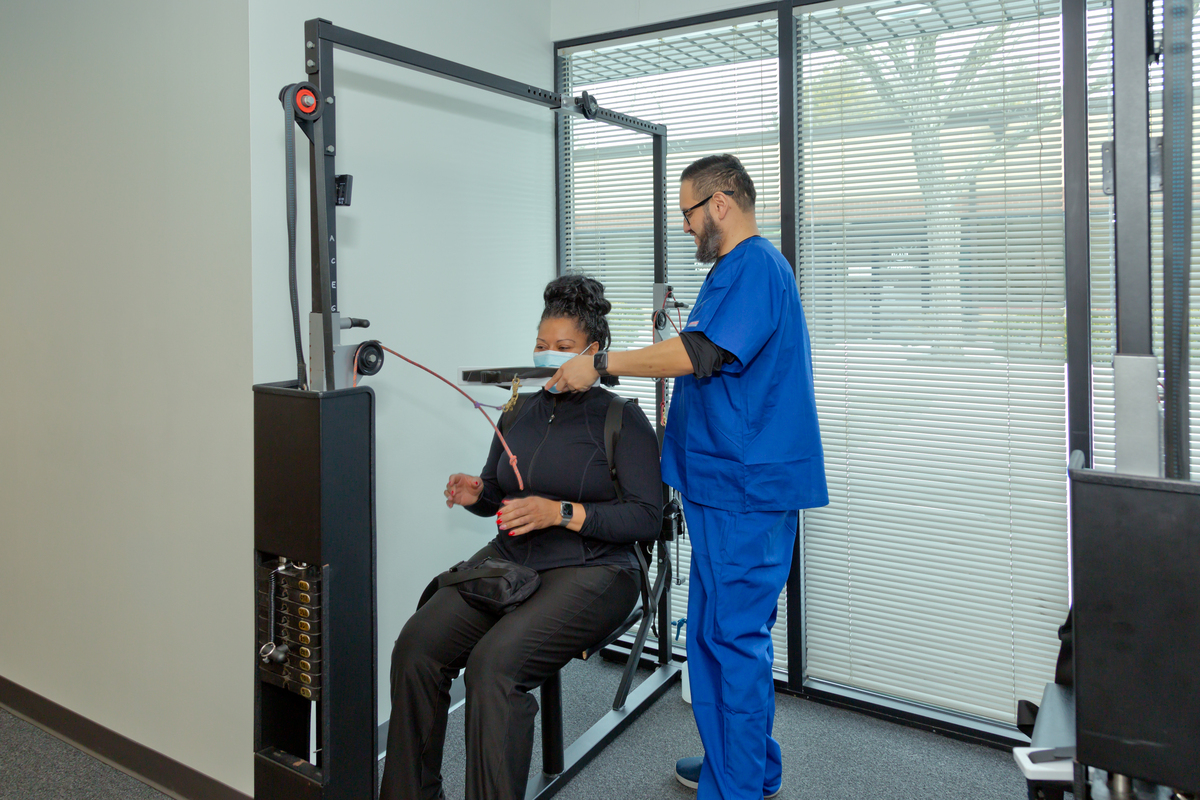
At Living Wellness Chiropractic in Columbia, MD, the approach is always individualized. Dr. Marissa Jenney and Dr. Connor Reed begin with a thorough assessment of your spinal alignment, muscle tension, range of motion, and neurological indicators. They look for patterns — areas of the cervical or upper thoracic spine that may be restricted, misaligned, or contributing to nervous system irritation.
Chiropractic adjustments work to restore proper joint motion and alignment, which can relieve muscle tension, reduce nerve irritation, and improve overall spinal function. Soft tissue therapies, postural correction exercises, and lifestyle guidance are often incorporated as well. The goal is never just short-term symptom relief — it’s building a stronger, more resilient foundation so that headaches become the exception, not the rule.
Practical Tips to Reduce Headache Frequency
There’s a lot you can do between chiropractic visits to support your body and reduce how often headaches strike. Small, consistent habits make a meaningful difference over time.
Start with your workstation setup. Your monitor should be at eye level so you’re not tilting your head up or down. Your chair should support the natural curve of your lower back, and your feet should rest flat on the floor. Taking brief movement breaks every 30 to 45 minutes — standing up, walking around, gently rolling your shoulders — helps prevent the muscle tension that builds up during prolonged sitting.
Hydration is simpler than people think. Many tension headaches and some migraines are triggered or worsened by dehydration. Aim to drink water consistently throughout the day rather than playing catch-up in the afternoon. Sleep hygiene also matters enormously. Going to bed and waking at consistent times helps regulate the hormonal and neurological patterns that influence migraine frequency.
Pay attention to your jaw. Many people clench or grind their teeth without realizing it, especially under stress. This adds strain to the muscles of the jaw, temples, and back of the head. If you wake up with headaches or jaw soreness, mention it at your next visit to Living Wellness Chiropractic — it’s more relevant to your care than you might expect.
When to See a Chiropractor for Headaches or Migraines
If you’re experiencing headaches more than a few times per month, or if head pain is interfering with your work, sleep, or daily activities, that’s a meaningful signal worth paying attention to. Frequent headaches are not something you simply have to live with, and relying on over-the-counter pain relievers too often can actually lead to what’s called medication overuse headache — a cycle that makes things worse over time.
Cervicogenic headaches and tension-type headaches tend to respond particularly well to chiropractic care. If you’ve noticed that your headaches are associated with neck stiffness, shoulder tension, or worsen after long periods at a desk, a chiropractic evaluation is a logical and sensible next step. Migraine sufferers who haven’t found full relief through other means may also benefit from exploring whether spinal health is a contributing factor.
That said, some headaches require immediate medical attention. Seek emergency care right away if your headache is sudden and extremely severe (often described as “the worst headache of your life”), is accompanied by fever, stiff neck, confusion, vision changes, difficulty speaking, weakness, or follows a head injury. These can be signs of serious conditions that go beyond the scope of chiropractic care. At Living Wellness Chiropractic, patient safety always comes first — Dr. Marissa Jenney and Dr. Connor Reed will never hesitate to refer you to the appropriate medical provider if your situation calls for it.
Headaches vs. Migraines: A Side-by-Side Look
|
Feature |
Tension Headache |
Cervicogenic Headache |
Migraine |
|---|---|---|---|
Pain Quality |
Dull, pressure-like, band around head |
Dull ache starting at base of skull |
Throbbing, pulsating, often one-sided |
Duration |
30 minutes to several hours |
Hours to days |
4 to 72 hours |
Associated Symptoms |
Mild sensitivity to light or sound |
Neck stiffness, reduced range of motion |
Nausea, vomiting, light/sound/smell sensitivity, aura |
Common Triggers |
Stress, muscle tension, poor posture |
Neck joint dysfunction, poor posture |
Hormones, sleep changes, foods, lights, stress |
Response to Chiropractic |
Often responds well |
Typically responds well |
May help reduce frequency; varies by individual |
Myths vs. Facts About Headaches and Migraines
Myth: Migraines are just severe headaches.
Fact: Migraines are a distinct neurological condition with a separate set of mechanisms, symptoms, and triggers. The throbbing pain is only one component — nausea, aura, and extreme sensory sensitivity set migraines apart from even a very painful tension headache.
Myth: There’s nothing you can do about chronic headaches except take medication.
Fact: There are many non-medication approaches that evidence suggests can help reduce headache frequency and intensity. Chiropractic care, postural correction, stress management, hydration, and sleep improvements have all been shown to play a meaningful role in headache management for many people.
Myth: Headaches always originate in your head.
Fact: Many headaches, especially cervicogenic ones, actually originate in the neck. The cervical spine houses nerves and joints that can refer pain directly into the head and face. Treating the neck — not just the symptom in the head — is often the most effective approach.
Myth: If imaging like an MRI comes back normal, your headaches aren’t real or serious.
Fact: Most tension headaches and migraines don’t show up on imaging studies. Normal imaging does not mean your pain is imaginary — it simply means the cause is functional rather than structural in the way imaging can detect. Your pain is real, and it deserves real attention.
Myth: Chiropractic adjustments are only for back pain.
Fact: Chiropractic care addresses the entire spine, including the cervical spine, which is directly connected to headache patterns. The American Chiropractic Association recognizes headache management as a well-established area of chiropractic practice.
Final Thoughts from Living Wellness Chiropractic
Living with frequent headaches or recurring migraines can feel exhausting and discouraging. But understanding what your body is actually trying to communicate — and finding care that addresses the root cause rather than just quieting the alarm — makes all the difference.
Here in Columbia, MD, the team at Living Wellness Chiropractic is deeply committed to helping community members find real answers and lasting relief. Dr. Marissa Jenney and Dr. Connor Reed bring a thorough, compassionate approach to every patient who walks through the door with head pain. Whether you’ve been dealing with headaches for years or you’re just starting to notice a pattern, you deserve to understand what’s going on and have a clear path forward.
You don’t have to keep white-knuckling through head pain or relying on a bottle of ibuprofen to get through the week. A well-functioning spine and nervous system can make a meaningful difference — and that’s exactly what the care team at Living Wellness Chiropractic in Columbia, MD is here to support.
Frequently Asked Questions
Can a chiropractor help with migraines?
Research suggests that chiropractic care — particularly cervical spinal manipulation — may help reduce the frequency and intensity of migraines in some patients. Results vary depending on the individual, the severity of their condition, and underlying contributing factors. A thorough evaluation can help determine whether chiropractic care is appropriate for you.
How do I know if my headache is coming from my neck?
Cervicogenic headaches often start at the base of the skull and travel upward. They are typically associated with neck stiffness, reduced range of motion, and may worsen with sustained postures like prolonged sitting at a computer. A chiropractor can assess whether your cervical spine is contributing to your head pain.
Is it safe to get chiropractic adjustments if I have migraines?
For most people with migraines, chiropractic care is considered safe when performed by a licensed chiropractor who conducts a proper evaluation. Your chiropractor will take a thorough health history to ensure the approach is appropriate for your specific situation.
How many chiropractic visits does it take to see improvement with headaches?
This varies widely from person to person and depends on the type and duration of headaches, lifestyle factors, and how the body responds to care. Some patients notice improvement within a few visits; others benefit from a more extended course of care. Your chiropractor will discuss realistic expectations with you during your initial assessment.
What’s the difference between a headache diary and why does it matter?
A headache diary is a simple log where you track when your headaches occur, how long they last, potential triggers, and associated symptoms. It helps identify patterns that can guide treatment — both for your chiropractor and any other healthcare providers you work with. Even two or three weeks of tracking can be incredibly revealing.
Can poor posture really cause headaches?
Yes. Forward head posture and rounded shoulders place increased mechanical stress on the cervical spine and surrounding muscles. This sustained tension can directly trigger tension-type and cervicogenic headaches. Addressing posture is often a key component of chiropractic care for head pain.
TL;DR Summary
-
Headaches and migraines are not the same thing — migraines are a neurological condition with distinct symptoms like nausea, aura, and severe light sensitivity.
-
Many headaches, including tension-type and cervicogenic headaches, are linked to spinal alignment, muscle tension, and poor posture.
-
Chiropractic care addresses the root physical causes of head pain rather than just masking symptoms — and evidence supports its use for tension and cervicogenic headaches in particular.
-
Simple lifestyle habits — hydration, sleep consistency, ergonomic adjustments, and stress management — can meaningfully reduce headache frequency.
-
Dr. Marissa Jenney and Dr. Connor Reed at Living Wellness Chiropractic in Columbia, MD offer individualized evaluations to help you understand what’s driving your head pain and build a clear path forward.