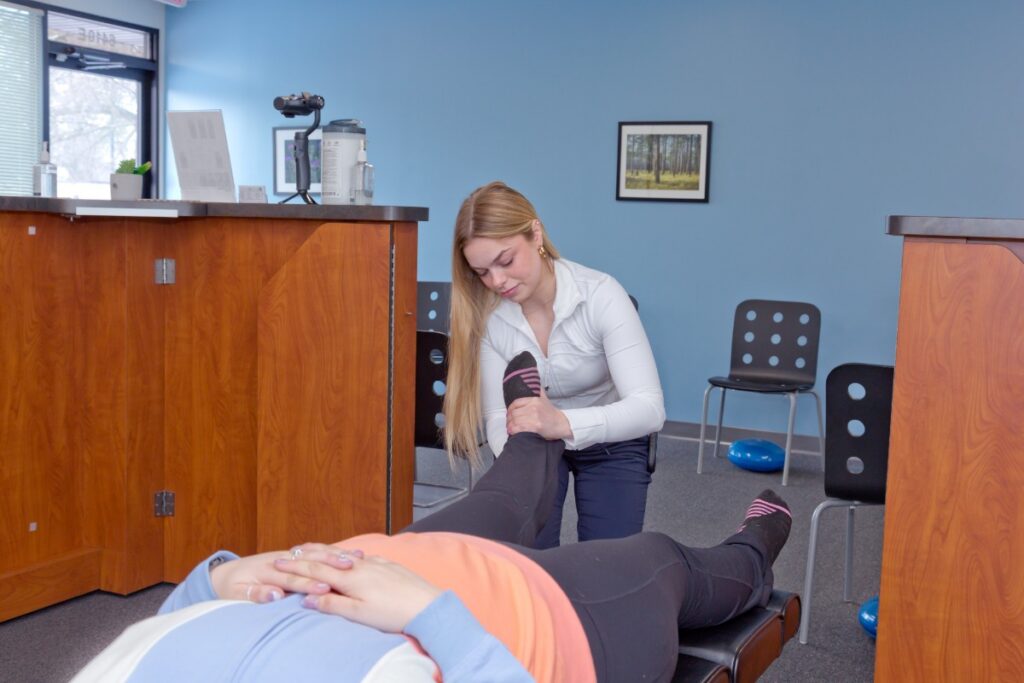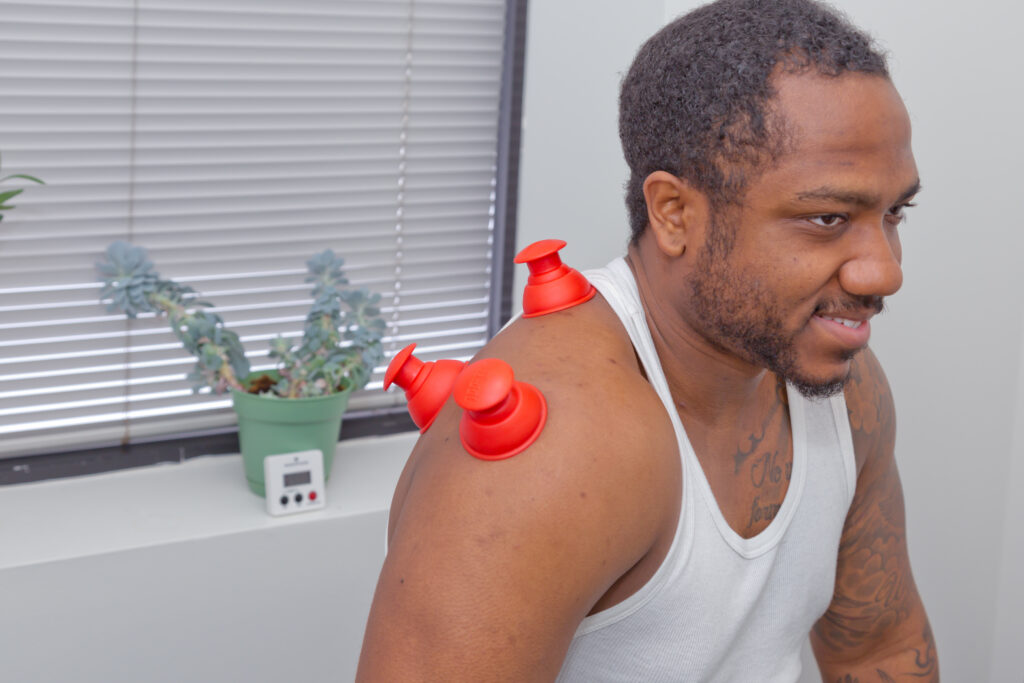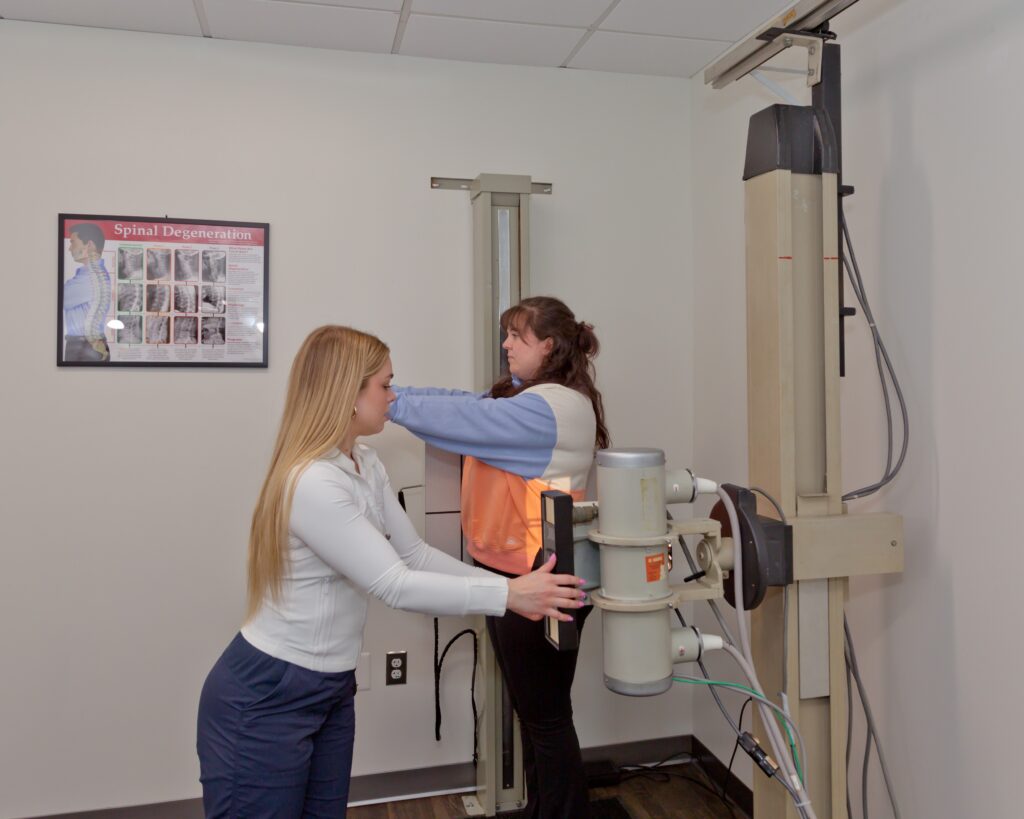

When you experience a sports injury, the journey to recovery may seem overwhelming. It’s essential to understand your injury and how to treat it naturally and effectively. Gentle chiropractic adjustments, combined with targeted rehabilitation techniques, can significantly aid in your healing process. But recovery goes beyond just adjustments.
Nutrition plays a crucial role in your recovery. Fueling your body with the right foods can enhance healing and provide the nutrients needed for optimal recovery. Focus on incorporating whole foods like fruits, vegetables, lean proteins, and healthy fats into your diet. Hydration is also key—make sure you’re drinking plenty of water to keep your body functioning at its best.
Mental resilience is another vital aspect of your healing journey. Staying positive and motivated can help you overcome challenges and maintain a strong mindset throughout your recovery. Surround yourself with supportive friends and family who encourage you and celebrate your progress, no matter how small.
Additionally, consider some simple strategies to accelerate your comeback:
- Prioritize rest and listen to your body—it’s essential for healing.
- Incorporate gentle stretching and mobility exercises to improve flexibility and reduce stiffness.
- Stay consistent with your chiropractic visits to ensure proper alignment and function of your spine.
By focusing on these holistic approaches to recovery, you can harness the power of chiropractic care to achieve optimal health and well-being. Trust the natural healing process and allow your body the time it needs to recover fully. Remember, your journey to recovery is not just about getting back to the game; it’s about achieving long-lasting health and wellness.
Key Takeaways
Chiropractic adjustments play a crucial role in promoting proper alignment of your spine, which can significantly speed up your recovery from sports injuries and reduce the risk of chronic pain. When your spine is aligned, your body can heal naturally and effectively.
One of the best aspects of chiropractic care is the early intervention it offers. By visiting a chiropractor as soon as you experience an injury, we can quickly assess the nature of your injury. This allows us to create a personalized healing plan that focuses on natural recovery methods tailored just for you.
Additionally, while you’re on the path to recovery, it’s important to support your body with proper hydration and nutrition. Incorporating protein and omega-3 fatty acids into your diet can greatly assist in muscle repair and help reduce inflammation, making your recovery process smoother.
We also utilize innovative methods like virtual reality therapy and neuromuscular electrical stimulation to enhance your rehabilitation. These techniques can encourage movement and improve circulation, which are vital for effective healing.
As you recover, it’s essential to maintain good posture and practice gentle stretches. This not only supports your spinal health but also helps prevent further injuries. Remember, taking care of your spine is a key element of achieving and maintaining optimal health.
In summary, chiropractic care is one of the best choices for pain relief and natural wellness. By prioritizing spinal health and incorporating healthy habits into your routine, you’re setting yourself up for a stronger, healthier future.
Understanding Common Sports Injuries
As you dive into the world of sports, it’s crucial to be aware that injuries can happen when you least expect them. Whether you’re kicking a soccer ball, hitting the pavement for a run, or lifting weights at the gym, common injuries like sprains, strains, and fractures can occur.
A sprain occurs when ligaments—those tough bands connecting bones—stretch or tear, often affecting areas like your ankle or knee.
Strains, on the other hand, involve muscles or tendons, frequently impacting your hamstrings or lower back.
Fractures can result from high-impact collisions or falls, resulting in breaks in your bones.
In addition to these acute injuries, it’s also important to be mindful of overuse injuries, such as tendonitis. These develop gradually due to repetitive motions and can cause discomfort over time. Recognizing these injuries early is key to responding effectively. Look out for signs like pain, swelling, or reduced mobility.
One of the best approaches to managing and preventing these injuries is through chiropractic care. Regular chiropractic adjustments can help maintain proper alignment and improve your body’s overall function, reducing the risk of injuries.
Plus, chiropractic care supports your body’s natural healing processes, helping you recover more efficiently if you do get hurt.
Here are some simple tips to keep you healthy and active:
- Warm Up and Cool Down: Always start with a warm-up before your activity and a cool-down afterward. This prepares your muscles and joints for action and aids recovery.
- Stay Hydrated: Drink plenty of water before, during, and after exercising. Proper hydration is essential for muscle function.
- Listen to Your Body: If you feel pain or discomfort, don’t push through it. Rest and consult with a chiropractor to address any issues before they worsen.
- Strengthen Your Core: A strong core supports your spine and helps prevent injuries. Incorporate exercises that strengthen your abdominal and back muscles into your routine.
- Practice Good Form: Whether you’re running, lifting, or playing a sport, using the correct technique is vital to prevent strain and injury.
By understanding common sports injuries and incorporating chiropractic care into your wellness routine, you can take proactive steps toward preventing injuries and promoting a healthier, more active lifestyle.
The Importance of Immediate Care
Receiving immediate care after a sports injury is vital for a swift and effective recovery. When you seek prompt chiropractic treatment, you can significantly minimize the risk of long-term damage and complications. Acting quickly not only helps manage pain and inflammation but also paves the way for a quicker return to your sport.
Here’s a simple overview of the benefits of immediate chiropractic care:
| Benefit | Description |
|---|---|
| Pain Relief | Chiropractic adjustments can alleviate discomfort right away through natural methods. |
| Swelling Reduction | Techniques like spinal adjustments and soft tissue therapies can help control inflammation effectively. |
| Accurate Assessment | A skilled chiropractor can quickly identify the nature of your injury, ensuring you receive the best care tailored to your needs. |
| Enhanced Recovery | Early intervention through chiropractic care can speed up your healing process, allowing you to get back in the game sooner. |
| Lower Risk of Chronic Issues | By addressing injuries promptly, you can reduce the chances of developing long-term pain or chronic conditions. |
Tips for Immediate Care:
- Apply Ice: If you have swelling, apply ice wrapped in a cloth to the area for 15-20 minutes to help reduce inflammation.
- Rest and Elevate: Give your body a break and keep the injured area elevated to minimize swelling.
- Seek Chiropractic Care: The sooner you visit a chiropractor after an injury, the better. They will provide a thorough assessment and start you on a path to healing.
- Stay Hydrated: Drinking plenty of water can help keep your tissues healthy and aid in recovery.
- Listen to Your Body: Pay attention to any pain signals and don’t push through if something feels wrong.
Innovative Rehabilitation Techniques
As you embark on your recovery journey, exploring innovative rehabilitation techniques can significantly enhance your healing process. One powerful approach to consider is chiropractic care, which focuses on aligning your spine and optimizing your body’s natural healing abilities. By ensuring proper spinal alignment, chiropractic adjustments can help alleviate pain, reduce tension, and improve mobility, allowing you to engage more fully in your rehabilitation.
In addition to chiropractic care, you might find benefits from practices like virtual reality (VR) therapy. This unique method immerses you in a controlled environment that encourages movement while helping to reduce pain and anxiety. It can be a fun and effective way to complement your recovery.
Another technique to consider is blood flow restriction training. This involves using bands to gently restrict blood flow to an injured limb, which can help maintain muscle strength without putting too much strain on the injury. Always consult with your chiropractor before starting any new exercise regimen to ensure it’s safe and beneficial for you.
Neuromuscular electrical stimulation (NMES) is another option that can work in harmony with chiropractic care. This technique stimulates muscle activation and enhances circulation, promoting quicker recovery. Similarly, aquatic therapy provides a low-impact environment that utilizes buoyancy and resistance, making it easier to regain strength and mobility without stressing your joints.
Don’t forget the importance of mindfulness practices, such as yoga or meditation. These techniques can help manage pain, reduce stress, and improve your overall mental resilience. Incorporating these practices into your daily routine can be a wonderful complement to your chiropractic care.
Nutrition’s Role in Recovery
Nutrition plays a vital role in your recovery from sports injuries, and as a chiropractor, I want to emphasize how important it’s to support your body with the right nutrients. By focusing on essential vitamins, minerals, and staying properly hydrated, you can significantly enhance your healing process.
When you’re recovering, it’s essential to include foods rich in protein, such as lean meats, beans, and legumes, as they help repair tissues and build muscle.
Don’t forget about fruits and vegetables! They provide antioxidants that combat inflammation and promote faster healing.
Foods high in omega-3 fatty acids, like fish and walnuts, can also help reduce swelling and pain.
Staying hydrated is another crucial aspect of recovery. Water helps transport nutrients to your cells and keeps your joints lubricated.
Aim to drink plenty of water throughout the day, and consider adding hydrating foods like cucumbers and oranges to your meals.
In addition to nutrition, chiropractic care can play a significant role in your recovery journey. Regular adjustments can help align your spine, improve your overall mobility, and reduce pain, allowing your body to heal more effectively.
Remember, while you’re focusing on your diet and hydration, take the time to listen to your body. Rest is just as important for healing, so don’t rush back into physical activity until you’re truly ready.
Essential Nutrients for Healing
While recovering from a sports injury, you may not realize just how crucial certain nutrients are for your healing process. Your body requires the right fuel to repair tissues and regain strength, and incorporating specific nutrients into your diet can significantly enhance your recovery. Alongside chiropractic care, which aids in pain relief and promotes natural healing, paying attention to your nutrition can create a powerful combination for optimal health.
- Protein: This nutrient is vital for repairing muscles and tissues. It’s important to include lean sources like chicken, fish, and legumes in your meals. Protein not only helps rebuild your body but also supports overall wellness.
- Vitamin C: Known for its role in collagen production, vitamin C is essential for healing wounds. Incorporate fruits like oranges and strawberries into your diet to give your body the boost it needs. This nutrient supports the body’s natural repair processes, complementing the alignment and healing you receive from chiropractic care.
- Omega-3 Fatty Acids: These healthy fats are known for their ability to reduce inflammation, which can promote faster recovery from injuries. Including fatty fish, walnuts, or flaxseeds in your meals can help mitigate inflammation, allowing chiropractic adjustments to work more effectively for your pain relief.
In addition to focusing on these essential nutrients, remember to stay hydrated and consider gentle exercises or stretches recommended by your chiropractor to maintain flexibility and strength during your recovery. By prioritizing both nutrition and chiropractic care, you can set yourself on a path to optimal health and a quicker return to your favorite activities.
Hydration’s Impact on Recovery
Hydration is often underestimated, but it plays a crucial role in your recovery from sports injuries, especially when paired with chiropractic care. Staying properly hydrated helps transport essential nutrients to your injured tissues, promoting healing and reducing inflammation—key components of recovery. When you’re well-hydrated, your body is more efficient at flushing out toxins and supporting the metabolic processes necessary for healing.
On the flip side, dehydration can really slow you down. It may lead to fatigue, muscle cramps, and heightened pain, which can interfere with your recovery journey. To support your healing, aim to drink plenty of water throughout the day, particularly during your rehabilitation exercises. Additionally, consider incorporating electrolyte-rich drinks if you find yourself sweating a lot during workouts.
It’s vital to listen to your body’s signals. Staying hydrated not only aids in your recovery but also helps keep your energy levels up, allowing you to return to the activities you love. Remember, chiropractic care is a fantastic way to enhance your recovery process, as it helps ensure your spine and nervous system are functioning optimally, which is essential for overall health and wellness. By combining proper hydration with chiropractic adjustments, you’re setting yourself up for the best possible recovery.
The Power of Mental Resilience
The Power of Mental Resilience in Recovery
Mental resilience is an essential part of recovering from sports injuries, and it can significantly enhance your healing journey. When faced with challenges, having a strong mindset can mean the difference between a swift recovery and a lengthy struggle.
By focusing on your mental state, you can tackle difficult moments with confidence and determination, which is crucial in combination with chiropractic care for optimal healing.
- Embrace the Journey: Think of your recovery as a step-by-step process rather than just a finish line. This perspective keeps you motivated and engaged in your healing.
- Stay Connected: Surround yourself with supportive friends, family, and teammates. Their encouragement can lift your spirits and help you stay focused on your recovery goals.
- Practice Mindfulness: Incorporate techniques like meditation and visualization into your daily routine. These practices can help clear your mind and give you a greater sense of control over your healing process.
Chiropractic care can be an invaluable part of your recovery strategy. By addressing spinal alignment and nervous system function, chiropractic adjustments can help alleviate pain and enhance your body’s natural ability to heal.
Alongside fostering mental resilience, seeking chiropractic care can significantly support your physical recovery and overall wellness, preparing you to face future challenges in sports and life with strength and confidence.
Setting Realistic Recovery Goals
When you’re recovering from a sports injury, the first step is to assess how serious your injury is. Understanding your condition is crucial because it helps you set a realistic timeline for your recovery. This is where chiropractic care can make a significant difference.
Chiropractic adjustments help restore proper alignment to your spine and joints, which can enhance your body’s natural healing processes. By working with a chiropractor, you can develop a personalized recovery plan that includes gentle adjustments and exercises tailored to your needs.
Setting achievable goals during your recovery keeps you motivated and on track. Focus on small, incremental milestones that align with your body’s healing progress. For instance, instead of aiming to return to full activity immediately, you might set a goal to increase your range of motion or reduce discomfort during daily activities.
Here are some general tips to help you on your recovery journey:
- Stay hydrated: Drinking plenty of water supports overall health and can aid in recovery.
- Get enough rest: Your body needs time to heal, so prioritize sleep and rest days.
- Listen to your body: If something doesn’t feel right, don’t hesitate to consult your chiropractor for guidance.
- Incorporate gentle stretches: Under the supervision of your chiropractor, gentle stretching can enhance flexibility and mobility.
Assess Injury Severity
Assessing the severity of your injury is crucial for setting realistic recovery goals and ensuring a path to optimal health. Understanding the seriousness of your injury allows you to create a personalized recovery plan that aligns with your body’s needs.
Here are some key considerations to help you on your journey to wellness:
- Consult a chiropractor: A qualified chiropractor can provide an accurate assessment of your injury, helping you understand its implications for your overall health. They can also recommend a natural healing approach tailored to your specific situation.
- Tune into your body: It’s important to listen to the signals your body is sending. Pay close attention to your pain levels and range of motion, as these cues can guide your recovery. As you work with a chiropractor, they can help you interpret these signals and adjust your care accordingly.
- Set achievable goals: Break your recovery into small, manageable milestones. This not only helps you stay motivated but also allows you to track your progress effectively. Celebrate each step forward, no matter how small, as it brings you closer to optimal health.
Timeline for Recovery
When it comes to setting realistic recovery goals, developing a timeline that aligns with your unique injury and your body’s natural healing abilities is crucial. This understanding not only aids in your recovery but also keeps you motivated along the way. Below is a helpful overview of common injuries and their typical recovery durations, along with insights on how chiropractic care can support your healing journey:
| Injury Type | Estimated Recovery Time |
|---|---|
| Sprained Ankle | 2-6 weeks |
| Hamstring Strain | 2-8 weeks |
| Fractured Wrist | 6-12 weeks |
| ACL Tear | 6-12 months |
It’s important to remember that everyone heals at their own pace. Regular check-ins with a chiropractor can help you monitor your progress and make necessary adjustments to your recovery plan. Chiropractic care focuses on promoting your body’s natural healing processes, helping to reduce pain and improve function without relying on medications or invasive procedures.
Here are a few general tips to enhance your recovery:
- Stay Active: Engage in gentle movements and stretches as recommended by your chiropractor. This can help maintain mobility and promote circulation, which is essential for healing.
- Listen to Your Body: Pay attention to your body’s signals. If something feels off, don’t hesitate to reach out to your chiropractor for guidance.
- Nutrition Matters: Fuel your body with a balanced diet rich in vitamins and minerals to support tissue repair and overall health.
- Hydrate: Drinking plenty of water is vital for maintaining joint health and aiding recovery.
- Rest and Recovery: Ensure you get adequate rest, allowing your body the time it needs to heal.
Incorporating Physical Therapy
Incorporating chiropractic care into your recovery plan can significantly enhance your healing process, as it addresses the root causes of pain and dysfunction.
A personalized chiropractic program not only accelerates recovery but also empowers you with strategies to maintain your health and prevent future issues.
Here are some key benefits of chiropractic care:
- Customized Approach: Your chiropractor will evaluate your specific condition and develop a treatment plan tailored to your needs, ensuring that you receive the most effective care.
- Improved Strength and Flexibility: Through gentle adjustments and specific exercises, chiropractic care helps to improve your strength and flexibility, which are essential for safely returning to your daily activities or sports.
- Natural Pain Relief: Chiropractors utilize hands-on techniques to ease pain without the use of medications or invasive procedures, making your recovery process more comfortable and holistic.
To enhance your healing journey, consider these general tips:
- Stay Active: Engage in low-impact activities like walking or swimming to promote circulation and healing without putting undue stress on your body.
- Practice Good Posture: Maintain proper posture throughout your day to reduce strain on your spine and support overall wellness.
- Listen to Your Body: Pay attention to how your body feels. If something doesn’t feel right, consult your chiropractor for guidance.
Utilizing Technology for Healing
Embracing technology in your recovery plan can significantly enhance your healing journey, especially when it comes to spinal health and overall wellness. By incorporating tools like apps that track your progress, you can gain insights that complement the care provided by your chiropractor. For example, using a fitness tracker helps you become more aware of your movement patterns and physical limits, which can be crucial in preventing further injury and maintaining a healthy spine.
Virtual reality (VR) therapy can also play a role in rehabilitation by creating immersive environments that encourage movement and recovery while keeping you engaged. These innovative tools can motivate you to stick with your wellness routine, making it easier to integrate the recommendations from your chiropractor into your daily life.
Additionally, telehealth services allow you to consult with your chiropractor from the comfort of your home, ensuring you receive personalized guidance tailored to your specific needs. This convenience helps you stay on track with your recovery, all while emphasizing the importance of natural healing methods.
Don’t forget the value of online communities and forums, where you can share experiences and connect with others who understand what you’re going through. These platforms can provide valuable tips for managing pain and improving your overall well-being.
Building a Support System
A strong support system is vital for anyone navigating the challenges of sports injury recovery, and as a chiropractor, I know firsthand how crucial it’s to surround yourself with the right people during this time.
Friends, family, and teammates can provide the encouragement you need, but integrating chiropractic care into your recovery plan can significantly enhance your healing journey.
Here are some key components for building your support system while prioritizing your health and wellness:
- Emotional Support: Connect with people who understand your situation and can listen with empathy. Having someone to talk to can help alleviate stress and promote a positive mindset, both of which are essential for recovery.
- Practical Help: Don’t hesitate to ask for assistance with daily tasks such as cooking or running errands. This allows you to conserve your energy for healing and ensures you maintain a balanced routine. Remember, taking care of your body is a priority, and having help can make a world of difference.
- Chiropractic Care: Engaging with a chiropractor can provide you with expert guidance tailored to your recovery. Chiropractic adjustments can help alleviate pain, improve mobility, and support your body’s natural healing processes without the need for medications or surgeries. Regular visits can help align your spine, which is crucial for overall health and wellness.
- Stay Active: While you’re recovering, it’s important to stay as active as possible within your comfort zone. Gentle stretching and mobility exercises can help maintain flexibility and circulation. Always consult your chiropractor for specific recommendations that suit your condition.
- Nutrition: Fueling your body with nutritious foods can aid in recovery. Focus on a balanced diet rich in whole foods, such as fruits, vegetables, lean proteins, and whole grains. Proper nutrition supports your body’s healing processes and overall wellness.
Building a robust support system that includes emotional encouragement, practical help, and chiropractic care can greatly enhance your recovery experience.
Preventing Future Injuries
While recovering from a sports injury, it’s crucial not to overlook the importance of preventing future injuries. Taking proactive steps now can save you from more discomfort later. One of the best ways to support your recovery and future performance is through chiropractic care. A chiropractor can help you identify any muscle imbalances and guide you through tailored exercises that strengthen and enhance flexibility, specifically for your sport.
Always begin and end your workouts with proper warm-ups and cool-downs. These simple routines are essential for preparing your body for activity and aiding recovery afterward. Additionally, listening to your body is vital. If anything feels off, it’s important not to push through the pain. Instead, consider consulting with a chiropractor who can assess your condition and suggest modifications to your training.
Don’t forget about your equipment, either. Proper footwear and gear can significantly reduce the risk of injuries. A chiropractor can also provide insights on the best equipment suited for your body type and activity level.
Moreover, maintaining a balanced diet and staying hydrated are fundamental to supporting your body’s needs during recovery. Incorporating whole, nutritious foods can enhance your healing process.
Conclusion
Recovering from sports injuries can sometimes feel overwhelming, but with the right support and care, you can bounce back stronger than ever. As a local chiropractor, I want to emphasize how gentle chiropractic adjustments can play a crucial role in your recovery process. These adjustments help realign your spine, improve mobility, and alleviate pain, allowing your body to heal naturally.
In addition to chiropractic care, focusing on nutrition is essential. A balanced diet rich in vitamins and minerals supports your body’s healing process. Foods packed with antioxidants, like fruits and vegetables, can help reduce inflammation and promote recovery.
Mental resilience is another key factor. Stay positive and patient with yourself during your healing journey. Setting realistic milestones can keep you motivated, and celebrating small victories can boost your confidence.
Also, don’t underestimate the importance of a solid support system. Surround yourself with friends and family who encourage and uplift you. They can provide the emotional support you need, especially on tougher days.
While you’re working on your recovery, be mindful of your body mechanics. Pay attention to your posture and movement patterns to prevent any setbacks. If you’re unsure about your form, don’t hesitate to ask for guidance during your chiropractic visits.
Remember, with the right approach and consistent chiropractic care, you can not only heal faster but also build a stronger foundation for your future activities. Embrace this journey to full recovery, and you’ll be back in the game, feeling more resilient than ever!