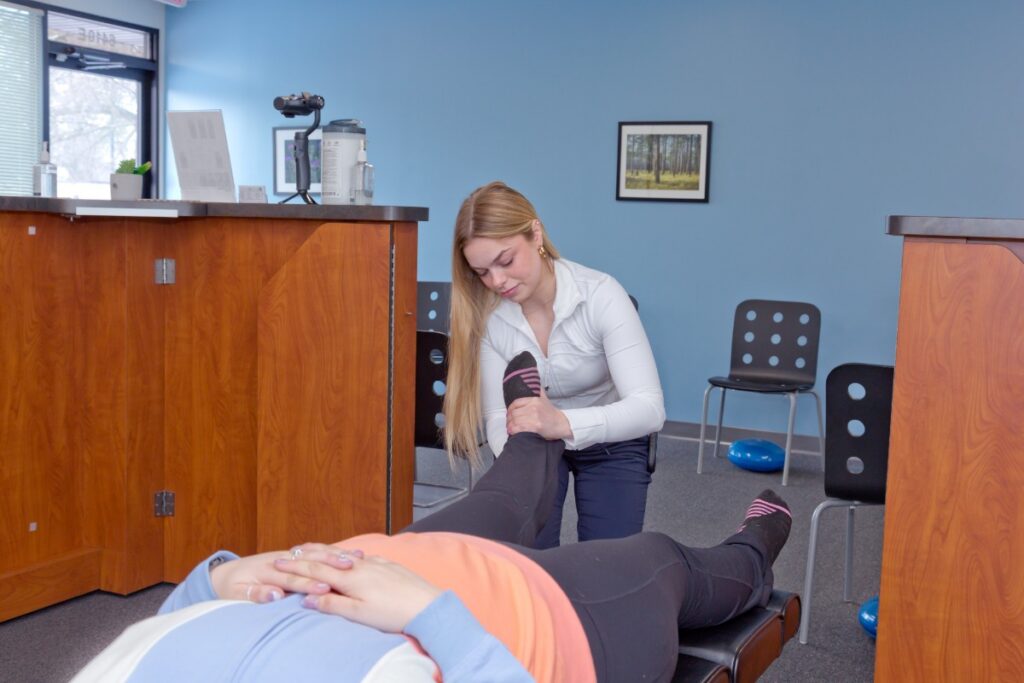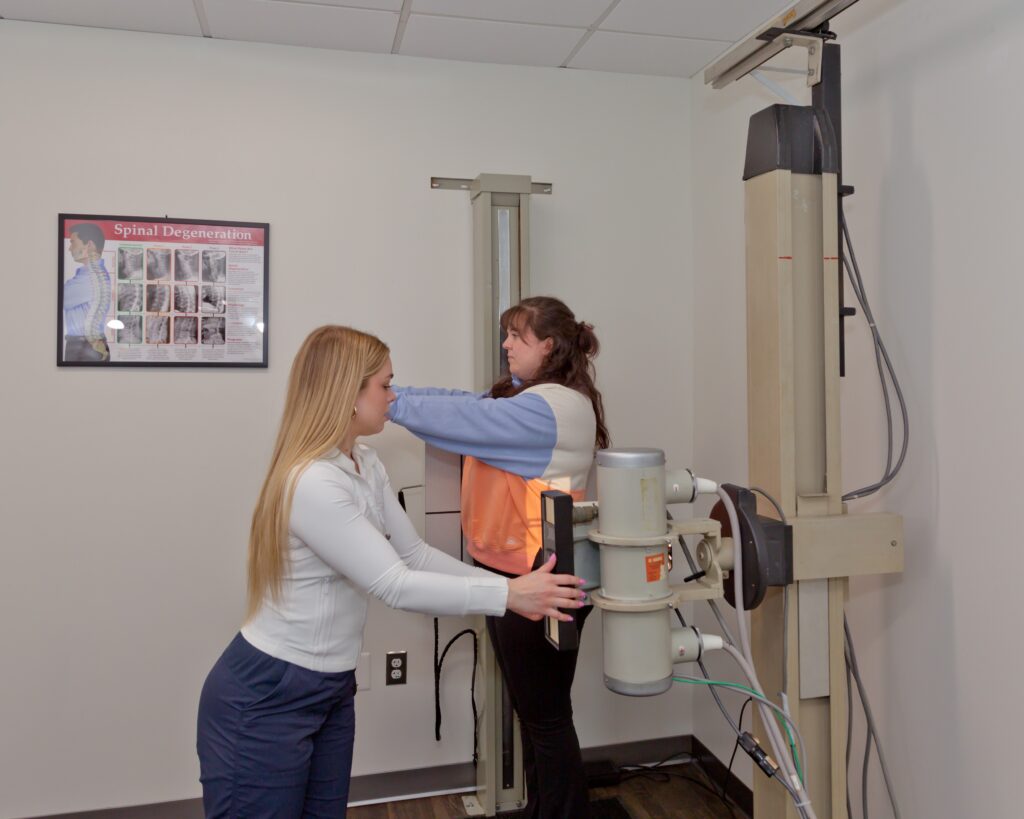

Feeling overwhelmed by anxiety can be daunting, making it hard to find your inner calm. But what if you could tap into the benefits of gentle chiropractic care, mindfulness, and movement to relieve that tension? These elements work hand in hand to support your journey toward clarity and comfort.
Chiropractic care focuses on the spine and its crucial role in overall health. When your spine is aligned, it helps your nervous system function optimally, which can lead to reduced anxiety and improved well-being. Regular chiropractic adjustments can alleviate physical stressors that contribute to anxiety, allowing you to feel more at ease.
Incorporating mindfulness practices into your daily routine can complement your chiropractic care. Simple techniques like deep breathing or meditation can help center your thoughts and promote relaxation. Alongside chiropractic adjustments, these practices can create a powerful synergy for your mental health.
Movement is another key component in managing anxiety. Engaging in regular physical activity, whether it’s a walk, yoga, or stretching, can release endorphins, the body’s natural stress relievers. Remember, even gentle movement can make a significant impact on your mood and overall health.
The path to anxiety relief is just beginning, and the first steps may be simpler than you think. Consider scheduling a chiropractic appointment to assess your spine’s health and explore how it can enhance your wellness journey. Embrace mindfulness and movement as part of your daily routine, and you’ll be well on your way to reclaiming your calmness and comfort naturally.
Understanding Anxiety and Its Impact
Anxiety can unexpectedly affect your daily life, influencing both your thoughts and feelings. It’s more than just worry; it often shows up with physical symptoms like a racing heart or excessive sweating. Many people find themselves caught in a cycle of overthinking, leading to negative thoughts that can be hard to escape. This ongoing tension can disrupt your daily activities, making it challenging to focus or enjoy life fully.
Understanding anxiety involves recognizing what triggers it in your life, whether that’s work stress, relationship issues, or personal expectations. You might notice that you tend to avoid social situations or put off tasks you know you need to complete. These behaviors are often your mind’s way of coping, but they can create even more stress.
A key step in managing anxiety is acknowledging its presence. By doing this, you can begin to take control and explore effective strategies for relief. One highly beneficial approach is chiropractic care. Regular adjustments can help alleviate physical tension in your body, which may reduce anxiety symptoms. When your spine is aligned, your nervous system can function optimally, promoting a sense of calm and well-being.
In addition to chiropractic care, there are simple tips you can incorporate into your routine to help manage anxiety. Consider practicing deep breathing exercises, which can help bring your body back to a state of relaxation. Engaging in regular physical activity, whether it’s a brisk walk or yoga, can also help release endorphins, boosting your mood. Ensuring you get enough sleep and maintaining a healthy diet can further support your overall mental health.
The Power of Mindfulness
Mindfulness can significantly reduce anxiety and enhance your overall well-being, especially when combined with chiropractic care. As a chiropractor, I believe that a holistic approach to health includes not just proper spinal alignment but also mental clarity and emotional balance. By practicing simple mindfulness techniques, you can improve your focus, ease tension in your body, and find a sense of calm in your daily life.
Here are some ways to incorporate mindfulness into your routine while supporting your spinal health:
- Breath Awareness: Take a moment each day to focus on your breath. Deep, mindful breathing can help reduce stress and promote relaxation. This practice can also help alleviate tension in your neck and back, enhancing the effectiveness of your chiropractic adjustments.
- Posture Check: Mindfulness involves being aware of your body. Pay attention to your posture throughout the day—whether you’re sitting at your desk or standing in line. Proper posture supports spinal health and can prevent discomfort.
- Movement Meditation: Consider incorporating gentle movements, such as yoga or stretching, into your mindfulness practice. These activities not only promote relaxation but also improve flexibility and spinal alignment, making chiropractic care even more effective.
- Mindful Walking: When you’re out for a walk, take a moment to notice your surroundings. Pay attention to each step, keeping your spine aligned and your shoulders relaxed. This practice can boost your mood and reinforce the benefits of maintaining a healthy spine.
- Gratitude Journaling: Spend a few minutes each day writing down things you’re grateful for. This simple practice can shift your mindset, reduce stress, and keep you in a positive state of mind, which is essential for overall wellness.
Benefits of Mindfulness
In the hustle and bustle of daily life, it’s easy to feel overwhelmed. However, practicing mindfulness can be a fantastic way to find balance and stay grounded in the present moment. For those of us who may experience stress or tension—especially in the back and neck areas—mindfulness can play a crucial role in enhancing your overall well-being.
By focusing on your thoughts and feelings without judgment, mindfulness can significantly reduce anxiety levels. This is particularly beneficial for individuals dealing with chronic pain, as it allows for a more relaxed response to discomfort.
When you’re more aware of your body and its sensations, you can better manage stress and tension, which often contributes to pain.
Incorporating mindfulness into your daily routine can also improve your ability to concentrate, making tasks feel less daunting. This can be especially helpful when it comes to maintaining good posture and spinal health during your daily activities. Remember, sitting and standing correctly can prevent unnecessary strain on your spine.
Additionally, being mindful helps you become more aware of your surroundings, which can enhance your connection to your environment. This heightened awareness can lead to better lifestyle choices, such as engaging in regular physical activity and maintaining a healthy diet—all of which are essential for optimal spinal health.
Mindfulness also fosters a sense of self-acceptance, which is vital for embracing your body’s unique characteristics. When you practice self-acceptance, you’re more likely to make healthier choices that support your well-being, including seeking chiropractic care when needed. Chiropractic adjustments can help realign your spine, relieve pain, and promote natural healing, all while ensuring your body functions at its best.
Incorporating mindfulness into your life doesn’t have to be complicated. Here are some simple tips to get started:
- Breathe Deeply: Take a moment to focus on your breath. Inhale deeply through your nose and exhale through your mouth. This can help reduce tension and promote relaxation.
- Body Scan: Spend a few minutes mentally scanning your body for areas of tension. Acknowledge these feelings and allow yourself to relax those areas.
- Stay Present: Engage fully in whatever task you’re doing—whether it’s eating, walking, or even sitting in a waiting room. Notice the details around you.
- Regular Adjustments: Schedule regular chiropractic visits to keep your spine aligned and your body functioning optimally. A chiropractor can provide personalized care tailored to your needs.
Mindfulness Techniques to Try
Practicing mindfulness techniques can greatly enhance your overall well-being, especially when combined with chiropractic care. This holistic approach not only addresses pain relief but also fosters a deeper sense of awareness and calm in your daily life.
Start with deep breathing exercises; focus on your breath as it flows in and out. This simple act helps to center your mind and can alleviate stress that contributes to tension in your spine. Consider incorporating body scanning into your routine—mentally check in with each part of your body, paying special attention to areas that may feel tight or uncomfortable. This practice can complement your chiropractic adjustments by promoting relaxation and releasing tension.
Mindful walking is another beneficial technique. As you walk, feel your feet connect with the ground and notice your surroundings. This practice can enhance your posture and balance, which are crucial for spinal health.
Journaling can also be an effective tool. Writing down your thoughts can help you process emotions and clarify your goals for wellness, including your journey toward optimal health through chiropractic care.
Lastly, consider exploring guided meditations, which can be found on various apps or online platforms. These meditations can help you cultivate a peaceful mindset while supporting your natural healing process.
Incorporating Mindfulness Daily
Incorporating mindfulness into your daily routine can significantly enhance your overall well-being, particularly when it comes to supporting your spine and maintaining optimal health. Start with small steps—set aside a few minutes each morning to focus on your breath. This simple practice can help reduce stress, which is essential for a healthy spine.
As you move through your day, practice being present in each moment. Whether you’re enjoying a meal, taking a walk, or even washing dishes, pay attention to the sensations in your body. This can help you recognize tension or discomfort that may be linked to your spine. When feelings of anxiety arise, acknowledge them without judgment, and gently redirect your focus back to your breath or what’s happening around you.
Consider setting reminders on your phone for mindful breaks throughout the day. These breaks can serve as an opportunity to check in with your body, stretch, and practice good posture, all of which are vital for spinal health. By consistently integrating mindfulness into your routine, you’ll foster a greater sense of calm and clarity, which can aid in pain relief and enhance your resilience against daily challenges.
Breathing Techniques for Instant Relief
When anxiety strikes, incorporating breathing techniques can be a wonderful way to find relief and regain a sense of control. As a chiropractor, I often emphasize the importance of holistic approaches to wellness, including the way we breathe. Two effective methods that can help calm your mind are the Deep Breathing Method and the Box Breathing Technique.
Deep Breathing Method: This technique involves taking slow, deep breaths. Start by inhaling deeply through your nose, allowing your abdomen to expand. Hold the breath for a moment, then exhale slowly through your mouth.
This practice not only helps reduce anxiety but can also improve your spinal health by promoting relaxation and reducing tension in your body.
Box Breathing Technique: This method is simple yet powerful. Imagine a box: inhale for a count of four, hold for a count of four, exhale for a count of four, and then hold again for a count of four. Repeat this cycle a few times.
This rhythmic breathing can help balance your nervous system, which is essential for overall health.
In addition to these breathing techniques, maintaining good posture and ensuring your spine is aligned can greatly enhance your ability to manage stress. Regular chiropractic care can help keep your spine and nervous system in optimal condition, allowing you to better handle life’s challenges.
Deep Breathing Method
Feeling overwhelmed by anxiety can make it hard to focus, but using deep breathing techniques can provide instant relief and promote overall wellness. As a chiropractor, I want to emphasize the importance of taking care of both your mental and physical health. Start by finding a quiet space where you feel comfortable. You can either sit or lie down, and gently close your eyes to eliminate distractions.
Begin by inhaling deeply through your nose for a count of four, allowing your abdomen to expand fully. This not only increases oxygen flow but also promotes relaxation throughout your body. Hold your breath for a count of four, embracing the stillness and allowing your spine to align naturally. Now, exhale slowly through your mouth for a count of six, letting all the tension escape from your body. This process helps release stress that can affect your posture and overall health.
Repeat this deep breathing cycle for several minutes, focusing solely on your breath. As you do this, you may notice your heart rate slowing and your mind calming. This simple yet powerful method can help ground you, making it easier to address whatever may be causing your anxiety.
Incorporating deep breathing into your daily routine can support your journey toward optimal health. Additionally, regular chiropractic care can further enhance your well-being by ensuring your spine is properly aligned and your nervous system is functioning at its best. By prioritizing natural healing practices like deep breathing and chiropractic adjustments, you can achieve a balanced, healthier lifestyle without the need for medications or invasive procedures. Remember, taking care of your mind and body is essential for living your best life!
Box Breathing Technique
If anxiety has you feeling trapped, the Box Breathing Technique can be a valuable tool for instant relief, especially when paired with chiropractic care to enhance your overall wellness.
This simple method involves four easy steps: inhale deeply through your nose for a count of four, hold your breath for another count of four, exhale slowly through your mouth for four counts, and pause for four counts before inhaling again.
Practicing this cycle several times allows you to focus your mind, regulate your breath, and calm your nervous system, which can complement the benefits of chiropractic adjustments.
By harmonizing your breathing with chiropractic care, you can help alleviate tension and promote a sense of well-being.
The beauty of the Box Breathing Technique is that it can be done anywhere, making it perfect for those unexpected moments of anxiety.
Consider incorporating it during a busy day or right before a chiropractic appointment to enhance your relaxation.
Incorporating Physical Activity
Incorporating physical activity into your daily routine can significantly alleviate anxiety and enhance your overall mood. When you engage in regular exercise, your body releases endorphins—nature’s “feel-good” hormones—that help reduce stress and promote a sense of well-being. You don’t need to spend hours in a gym; even a brisk 30-minute walk can yield positive results.
Finding an activity you love is crucial, whether it’s dancing, yoga, or playing a sport. Consistency is key; aim for at least 150 minutes of moderate exercise each week. Setting small, achievable goals can boost your sense of accomplishment and help to diminish anxious feelings.
It’s essential to listen to your body. If you’re feeling overwhelmed, gentle stretches or light movements, such as those often incorporated in chiropractic care, can be incredibly beneficial. Chiropractic adjustments can enhance your mobility and alleviate tension, making it easier for you to stay active.
The Role of Nutrition in Anxiety Management
While physical activity plays an important role in managing anxiety, it’s essential to remember that your diet also has a significant impact on your mental well-being. A balanced diet comprised of whole foods can help stabilize your mood and energy levels, which can be crucial when you’re dealing with anxiety. Focus on incorporating plenty of fruits, vegetables, whole grains, and lean proteins into your meals. Foods rich in omega-3 fatty acids, such as fish, walnuts, and flaxseeds, are particularly beneficial for brain health and may help alleviate anxiety symptoms.
It’s a good idea to limit your intake of caffeine and sugar, as these can lead to spikes in anxiety levels. Instead, you might try herbal teas like chamomile or green tea, which have calming effects and can contribute to a sense of relaxation. Staying well-hydrated is also key; dehydration can worsen feelings of anxiety, so be sure to drink enough water throughout the day.
Another helpful tip is to practice mindful eating. Take the time to notice how different foods affect your mood and energy. By choosing nutrient-dense options, you aren’t only nourishing your body but also supporting your mind in managing anxiety more effectively. Remember, chiropractic care can also play a vital role in your overall health and wellness. Regular chiropractic adjustments can help alleviate physical tension and promote a healthier nervous system, which in turn can support your mental well-being. Make your meals work for you, and consider incorporating chiropractic care into your wellness routine for a holistic approach to feeling your best!
Creating a Relaxation Routine
Creating a relaxation routine isn’t just beneficial for your mind; it can also have a positive impact on your overall health, including spinal health. As a chiropractor, I encourage you to prioritize relaxation as an essential part of your wellness journey.
By carving out a specific time each day for relaxation—whether it’s in the morning to start your day or in the evening to wind down—you can effectively manage stress and maintain a healthy spine.
Incorporate activities that resonate with you, such as deep breathing exercises or gentle stretches that promote spinal alignment. These practices not only help alleviate tension but also support your body’s natural healing processes.
Gentle yoga can be particularly beneficial, as it encourages movement without putting undue strain on your back.
To make the most of your relaxation time, limit distractions. Find a quiet space, turn off your phone, and create an inviting atmosphere. Soft music, candles, or essential oils can enhance your environment and promote a sense of calm.
Consider journaling as well. Writing down your thoughts and feelings can help you process emotions and clear your mind, contributing to both mental and physical wellness.
Remember, there’s no one-size-fits-all solution when it comes to relaxation. It’s about discovering what works best for you. By prioritizing this routine and integrating chiropractic care into your lifestyle, you’ll not only combat anxiety but also support your body in achieving optimal health.
Embrace these practices, and you’ll pave the way for a healthier, more peaceful life.
Seeking Professional Support
As you embrace your relaxation routine, consider the benefits of incorporating chiropractic care into your wellness journey for anxiety relief and overall well-being. A chiropractor can provide valuable insights and personalized strategies to help you manage stress and improve your health naturally.
Here are a few reasons to explore chiropractic care:
- Holistic Approach: Chiropractors focus on the connection between your spine and overall health, helping to alleviate physical tension that can contribute to anxiety.
- Natural Pain Relief: By addressing misalignments in your spine, chiropractic adjustments can help relieve discomfort, allowing you to feel more relaxed and at ease.
- Stress Reduction: Regular chiropractic care can help reduce physical stress on your body, leading to improved mental clarity and emotional well-being.
- Wellness Strategies: Chiropractors can teach you techniques to maintain a healthy spine and body, which can contribute to a more balanced and less anxious life.
- Community Support: Building a relationship with your chiropractor can connect you to a network of health-focused resources and support systems.
Don’t hesitate to explore chiropractic care; it’s a proactive step toward achieving optimal health. Remember, your wellness journey is about finding natural ways to support your body and mind, and chiropractic care can be an essential part of that process.
Conclusion
Incorporating gentle chiropractic care into your daily routine can be a game-changer for managing anxiety. Chiropractic adjustments help align your spine, which can reduce tension and promote overall relaxation. Alongside this, practicing mindful breathing and engaging in regular movement can further enhance your sense of calm.
Prioritizing relaxation techniques, nourishing your body with healthy foods, and staying physically active are all essential steps toward reclaiming your peace of mind. Remember, you don’t have to navigate anxiety alone—seeking the support of a chiropractor can provide you with effective, drug-free relief.
Embrace these holistic practices, and you’ll find clarity and comfort as you work through anxiety. With chiropractic care, you have the tools to cultivate a more peaceful mindset and a healthier you! Start prioritizing your well-being today and experience the natural healing benefits chiropractic care has to offer.