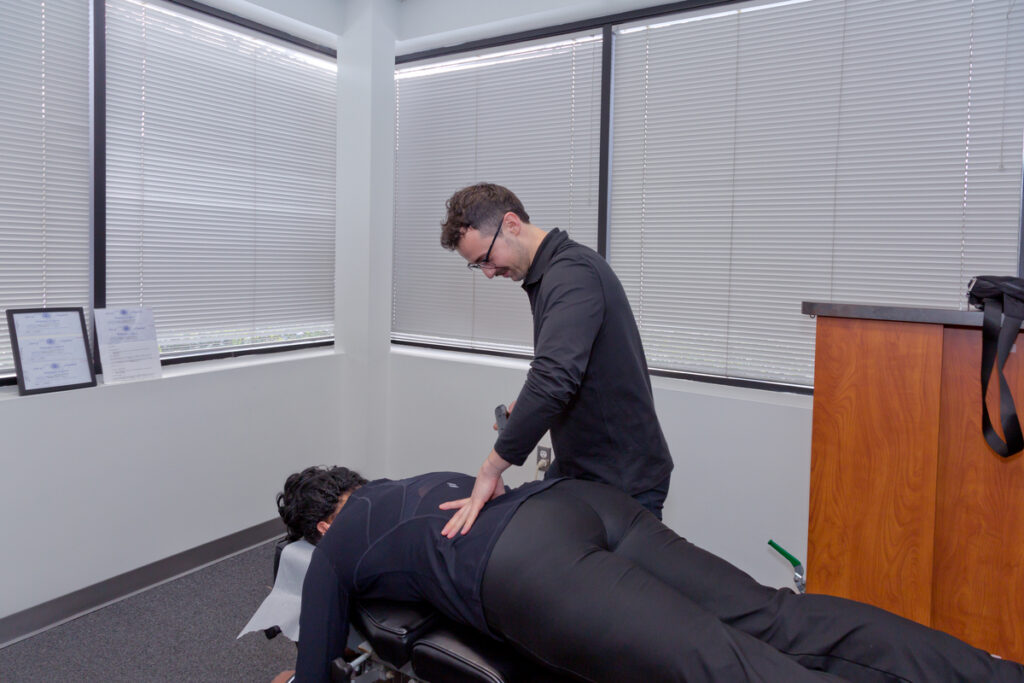
Flexibility is vital for your overall well-being, and enhancing it doesn’t have to be a complex task. Simple techniques like dynamic stretches and core-strengthening exercises can lead to significant improvements in your flexibility. Finding the right balance is key, and creating a routine that fits your lifestyle is essential.
As a chiropractor, I believe that incorporating flexibility into your daily life can complement the benefits of chiropractic care. Regular adjustments can help align your spine, improve your posture, and alleviate pain, making it easier for you to engage in stretching routines and other physical activities.
Here are a few tips to help you integrate flexibility techniques into your life:
Start with Dynamic Stretches: Before any physical activity, engage in dynamic stretches like arm circles, leg swings, or torso twists. These movements warm up your muscles and prepare your body for exercise.
Focus on Core Strength: A strong core supports your spine and enhances your flexibility. Incorporate exercises like planks and bridges into your routine to build strength in this crucial area.
Stay Consistent: Aim to stretch regularly, ideally every day. Consistency is key to seeing improvement in flexibility.
Listen to Your Body: Always pay attention to how your body feels during stretches. If you experience pain, ease back or consult with your chiropractor for personalized guidance.
Incorporate Breathing Techniques: Deep breathing can help relax your muscles and enhance your stretching routine. Try inhaling deeply as you stretch and exhaling as you hold the position.
By focusing on these simple techniques and maintaining a routine, you can enhance your flexibility and overall health. If you’re looking for personalized care and support, consider visiting your chiropractor. Together, you can develop a comprehensive approach to improving your flexibility and achieving optimal health naturally.
Dynamic Stretching Techniques
Dynamic stretching techniques are often overlooked, but they can significantly enhance your flexibility and overall performance, especially when it comes to maintaining a healthy spine. As a chiropractor, I believe that incorporating movement-based stretches into your routine can help prepare your muscles for activity, ensuring your body stays aligned and functionally fit.
Unlike static stretches, dynamic stretches involve movement that warms up your muscles and promotes healthy blood flow. Simple exercises like leg swings, arm circles, and walking lunges not only improve your range of motion but also support spinal health by keeping your muscles and joints flexible.
Before diving into your workout, start with a gentle warm-up to get your blood circulating. Then, focus on dynamic movements that mimic the activity you’re about to undertake. For instance, if you’re preparing for a run, include high knees and butt kicks to actively engage your muscles. These dynamic movements not only activate your muscles but also increase circulation, which is crucial for maintaining overall health and reducing the risk of injury.
As you perform these stretches, remember to keep your movements controlled to avoid overstretching. Aim for 8-12 repetitions of each stretch, gradually increasing the intensity as your comfort level grows. By integrating dynamic stretching into your pre-workout routine, you’ll not only enhance your flexibility but also support your spine and lower the risk of discomfort or injury.
Chiropractic care plays a vital role in achieving optimal health and wellness. By combining dynamic stretching with regular chiropractic adjustments, you can improve your body’s alignment and function, paving the way for a healthier, pain-free life.
Incorporating Yoga and Pilates
Incorporating yoga and Pilates into your routine can significantly enhance your flexibility and core strength, which are essential for maintaining a healthy spine. Both practices focus on controlled movements and deep breathing, fostering a strong connection between your body and mind. As you progress through yoga poses, you’ll stretch and strengthen various muscle groups, which can improve your overall range of motion and support spinal health.
Pilates, on the other hand, emphasizes core stability, which is vital for good posture and proper alignment of your spine. Regularly engaging in these disciplines can lead to increased flexibility, reduced tension, and a better understanding of your body’s movements—benefits that align perfectly with the goals of chiropractic care.
To get started, consider joining a beginner class or following an online tutorial that suits your level. Aim for two to three sessions per week, and remember to allow your body time to adjust and strengthen. It’s essential to listen to your body; pushing yourself too hard can lead to discomfort or injury.
As you integrate yoga and Pilates into your routine, you’ll likely notice improvements not just in your physical capabilities but also in your daily life. Enhanced flexibility and core strength can make everyday activities easier and more enjoyable. For optimal health, consider complementing your practice with regular chiropractic care, which can help address any alignment issues and support your overall wellness journey.
Daily Habits for Improved Flexibility
Improving your flexibility isn’t just about stretching; it’s a vital part of maintaining overall health and wellness, especially for your spine. As a chiropractor, I encourage you to adopt daily habits that enhance your flexibility while supporting your body’s natural healing processes.
Start each day with a gentle stretching routine. Focus on major muscle groups, holding each stretch for 15-30 seconds. This not only prepares your body for the day ahead but also promotes muscle elasticity, which is essential for spinal health. Incorporate dynamic stretches, such as arm circles and leg swings, before any physical activity to enhance your range of motion and protect your spine from injury.
Throughout your day, it’s crucial to take breaks from prolonged sitting. Stand up, walk around, and perform quick stretches every hour. This keeps your muscles engaged and can alleviate tension in your back, ultimately supporting better spinal alignment. Remember, regular movement is key to maintaining flexibility and preventing discomfort.
Consider integrating a short yoga session into your routine. Yoga is an excellent way to blend strength and flexibility, and it can improve your posture, which is vital for spinal health. It’s a natural practice that encourages mind-body connection and can help you manage stress, which also contributes to overall wellness.
Don’t forget to stay hydrated and eat a balanced diet rich in nutrients that support muscle and spinal health. Foods high in omega-3 fatty acids, antioxidants, and vitamins can help reduce inflammation and promote healing.
Conclusion
To enhance your flexibility and overall well-being, consider integrating chiropractic care into your routine. As a chiropractor, I emphasize the importance of spinal health in achieving optimal flexibility. Regular adjustments can help alleviate tension in your muscles and improve your range of motion.
In addition to chiropractic care, blend dynamic stretching, yoga, and Pilates into your weekly regimen. These practices not only promote flexibility but also support spinal alignment. Before and after your workouts, incorporate light warm-ups and controlled stretches to prepare your body and aid recovery.
Don’t forget the basics: stay hydrated, maintain a nutritious diet, and take regular breaks from prolonged sitting to avoid stiffness. Listening to your body is crucial; gradually increase your activity level to avoid injury.
By prioritizing chiropractic care and implementing these simple techniques, you’ll notice significant improvements in your flexibility and overall health. Start your journey today, and experience the natural benefits of a well-aligned spine!
Hi, I’m Dr. Connor Reed. I focus on helping patients get out of pain and move better without relying on quick fixes. I use hands on evidence-based care and functional rehabilitation to help patients return to the activities they love.
Dr. Reed and his staff are wonderful! I am very thankful for the thoughtful care they all have provided to me as I seek treatment for major back and sciatic nerve pain.
This was my first visit. Starting from front desk to the back in Dr.office very good experience. Dr. Reed was very knowledgeable. I will definitely continue my therapy there.
I received several reminders about the appointment. Once I received the registration forms, I could complete them digitally. The Doctor was very considerate and made sure my questions were answered.
Professional communication, a clear focus on personalized care, and a team that truly prioritizes patient well-being. The clinic reflects high standards and genuine commitment to helping people feel better and stay healthy. Highly recommend!
Living Wellness did a great job documenting my long treatment required for my disability with the VA. I'm thankful for their help provided with my illness. Using a Transcutaneous Electrical Nerve Stimulation (TENS) unit was great for pain relief. The staff was very nice.
I came in for an initial assessment and was very pleased with this group. They took my x-rays, went over them with me in detail, and did an initial alignment. While I’ve decided not to continue chiropractic treatment at this time, I really appreciate the team here. They seem to genuinely care about what they do, and I never felt pressured or upsold on services beyond what I was comfortable with. I would recommend this group to anyone looking for a gentle and safe chiropractic approach that includes x-rays, stretching, alignment, and traction.
I’ve been doing chiropractic care off and on for over 24 years, and Living Wellness is by far the best experience I’ve had. This is the third practice I’ve been to, and they’ve done what I thought was impossible—actually correcting my spine, not just managing pain. Their techniques are different, but they truly work. My posture and overall health have improved significantly. The doctors and staff are warm, welcoming, and genuinely care about their patients. Highly recommend!
Living wellness chiropractic is a great place to start getting your health up to perfect standards. The staff is very professional and have very good knowledge of the skills needed to help patients recover. I strongly recommend their services to anyone in need of chiropractic services.
I’ve had a fantastic experience at Living Wellness, the entire staff is welcoming, professional, and genuinely shows that they care about your well-being. The chiropractors take time to listen and tailor treatments to your current needs. After just a few visits, I noticed a significant improvement in my posture and overall comfort. I highly recommend this place to anyone looking for effective and compassionate chiropractic care.
Everyone at living wellness is professional, knowledgeable, and genuinely caring. From the moment you walk in, you’re greeted with a warm, relaxing atmosphere that puts you at ease. Their personalized treatment plans helped me recover quickly and feel better than I have in years. I highly recommend this center to anyone looking for quality, holistic chiropractic care.
Jose is a great person who cares about his patients people friendly. Someone who is very supportive. Such an amazing person overall. Everyone here treats you with such respect and with such care.<br><br>Kim is the chiropractic assistant and she is beautiful, caring, kind, a great disciplinary, she makes sure I’m doing all the tractions right. Great person. Always checks on me on a personal level.<br><br>Both of the doctors are amazing. Dr. Gucci is super stylish and so caring and always remembers what I talk about. Truly feels like I am cared about. He’s super funny and makes me feel like I’m part of the family. Dr Jon is super nice and always making me feel cared about too.<br><br>Esther is super caring, she is the one I talked to before getting treatment here and everything just felt absolutely so great and super cared for.
My fiancé and I have been coming to Living Wellness for close to a year and it has been nothing but positive. They have corrected my posture, I have less pain in my neck and back and the entire staff is welcoming and friendly! I would highly recommend Living Wellness to anyone.<br>PS Jose is the best!
The staff here is incredible! I leave with relief and a smile on my face after every appointment. The doctors are dedicated to their care as well as educating patients on the long term benefits of chiropractic care.
I didn't actually go here, but wanted to share my consultation experience. Overall the practice seems fine, but I asked a few times if it would all be covered by insurance (since it is usually 0 when a provider accepts Medicaid. They don't.) I was led to believe that I needed to have an exam in order to check insurance, but they could have said up front they don't accept. Long story short, it's at least 2000 for a few months of chiropractic and all the equipment like the xray machine looks outdated.
I have had the absolute best experience at Living Wellness chiropractic. I initially came due to knee pain and from there learned that my spine needed some adjustment. I was able to look at my x-rays and doctor John explained everything to me. From there, I was able to speak to Ester about what would be done to adjust me and get my spine in better shape. I highly recommend coming here if you have any sort of pain as all of the pain that I felt has gone away and my spine has improved significantly I can literally feel the difference. Amazing place with amazing people that genuinely want you to feel better.
The professionalism is awesome.<br>From the front desk to the doctors and the chiropractors ....they are really awesome 👌👌👌<br>I remember the first day I stepped my feet in there.<br>I couldn't walk straight, the pain was unbearable...<br>After a few sessions I started walking straight again, and I could sleep at night.<br>Now I completed my full sessions and I can tell you guys, you're really awesome.<br>Like I said, from the front desk to the doctor's office, the professionalism is awesome.<br>I really appreciate you guys. Your care, your friendship.<br>Matt, thank you for all the follow ups.<br>I won't hesitate to refer you guys to anyone.<br>Eventhough I completed my sessions, I will definitely book ,probably twice a year, for adjustment.<br>Then again thank you to the whole staff ✌🏾
Two weeks back I had come here because of the worst pain I've ever had in my lower back - which made even turning in bed excrutiatingly painful. I had thought it would take weeks, if not months for me to feel better - but two weeks later I can't believe how much better I feel. I can walk around, get up and sit down almost like normal! I know only the most immediate symtoms have been relieved, and the problem has been caused by years of bad posture - but I am greatful for this chance to become more sensitive to my posture from now on. I gues the doctors and the traction exercises really helped. Everyone at the clinic was very friendly and kind - in particular the assistants who helped, whose names I don't remember unfortunately - but thank you Naomi in particular! (Unfortunately, I can't continue longer as my insurance will not cover this) - but Dr Harry, you have a great team! Thank you.
I started at living Wellness with a severe case of sciatica. I was literally walking with a cane at times. Always in pain.<br>They put together a complete program for me with chiropractic care, traction, X-ray’s and home exercises. It has been extremely helpful.<br>I’m a big fan!
Excellent doctor.<br>I was having a back pain and the management decided to make neck adjustment but i don't have a chice but to accept it. Again the doctor has a very good experience and i recommend this place.
Excellent staff and facility. Before living wellness I was in so much pain. After a couple of months I feel incredible. The tractions are not easy 😉 but the results you get are phenomenal. What really makes this place special is the staff. They make you feel like your a part of their family and it makes going there enjoyable!
Living Wellness is a place of true healing! 7 months and 90 visits later and my spine has several areas that are almost textbook! Not only that but my pain has reduced to the point t that I barely use pain meds. I had been taking meds three times a day before I saw them. Now, I might take a morning dose, but many times I forget because I dont need it.<br><br>The caring staff are all amazing! Jenny at the front desk remembered my name from day 1, and she genuinely is interested in how I am. Christy, the Chiro assistant is precise with the tractions, funny and personable. (She also has eclectic and good taste in music, lol) Matt, the finance guy and office manager, really wants EVERYONE to be happy and feel unstressed about paying for medical care. He really is willing to work with you. (I pay out of pocket 😳) Dr. Scott is open minded and actively listens to his patients and their needs. I am a unique and unusual case, but he was always willing to respect my quirky needs.<br>As someone who grew up being told Chiropractic Care was quackery, I appreciate all the science behind what they do. 4 sets of xrays later, and you can see why I love them. And now that I know what posture is supposed to be, most EVERYONE could use some realignment!! Cannot rave enough about these people!!! It is truly an office of healers. Xxoo
This practice is wonderful. Docs Harry(s) and Scott have provided so much relief. Jenny is an incredible administrator, the assistants are attentive and kind, and Matt is a lovely care-taker throughout the financial aspects. I came here over a year ago in extreme pain and discomfort. I was provided almost immediate relief, which has been sustained. Previously, I thought that I would have to deal with a life of terrible tension headaches due to whiplash, but now I feel a sense of wellness and ease that I didn’t think was possible (without the assistance of medication). This is a very special place and they truly care deeply about the health and well being of their patients. I am grateful to be on the end of my journey here (because it means the healing worked), but sad to be saying goodbye to these folks. Thank you! Thank you! Thank you! 🥹🙏🏾
Awesomeness in action. Everyone from my checkin, to treatment, to exercises is 5 star top notch!! Not only does my body feel better but my spirit too!!
I was referred to Living Wellness Chiropractic by my strength coach; what a game changer it has been for me.<br><br>My daily routine was plagued with neck and back pain. After my first 5-10 visits, the pain subsided completely—allowing me full range of motion in the gym.<br><br>Today I was given a Thank You note, which adds to the incredible customer care they provide.<br><br>10 out of 10 highly recommend!
I call them a family. They have given me hopes and solutions to my health. I went in to them in tears of pains and they made it seem like nothing with the high level of care and professionalism embedded in their practice.<br>Matt. is just an angel, he is God sent to me. He has a very broad arms to embrace and listen to patients' needs and concerns. Your complaints is a concern to him and he immediately fixes it.<br>Anytime I think I have big challenges with paperwork for my job, Matt. will gladly make you straight.<br><br>Jenny is the right person for the front desk, always welcoming you with beautiful smiles and respect. I love her calm voice. She sends you reminders until you show up🤪 for your appointment.<br><br>It's all about results for them. All the crew are so beautiful. Dr. Harry is a doctor of no short cuts. He monitors to make sure you are getting the techniques for your exercises.<br><br>Precious, very calm and down to heart ❤️<br>Thank you Matt. for the jokes and laugher which heals faster than medicines.<br>I would recommend them over and over again.<br>I had been to another chiropractic practice before but the difference is clear and wide.<br>Good job team 👏 👍
I've been in treatment since February after discovering that my neck was in serious misalignment and bone spurs were starting to form on my vertebrae. I originally walked in the door for a very painful arm injury related to my photography work. After the last few months of diligent treatment, I'm happy to report that not only is my arm pain mostly gone, but so is some long-standing shoulder pain, and my neck is regaining its natural curve. I'm so glad I happened upon this place. The staff are wonderful and Dr. Harry is caring & competent. I'm so glad I ended up here and that I'm going to avoid some serious long-term health effects as a result of treatment. I recommend this team to anyone!
I have experienced a drastically difference in my back pain and neck pain since I started coming here. The staff is so friendly and Jenny is always up to date with my appointments and communicates effectively with me. I will highly recommend this place
I came to living wellness with a lower back spasm. They were able to fit me in quickly and I got relief within a few chiropractic adjustments. I have had horrible posture for a long time living with a chronic pain. I have been very pleased with my results from my treatment! I had a close family member who I don’t see in person often who didn’t recognize me from afar due to a drastic change in how I stand!!<br>Dr. Patrick, the chiropractor, is fantastic and gives great treatment. The team that handles scheduling (Especially Jenny!) is very responsive, flexible and communicative. I would highly recommend getting treatment here for any number of issues, but particularly any spinal alignment problems. They have a new office space that allows for much more room for everyone to spread out and social distance more easily, a very big space only a couple doors down from where they were before!
Highly recommend Dr Harry and the entire staff (Emily, Ryan, Cody, and the DJ to name a few). Great atmosphere and very progressive treatment options for my chiropractic needs.
I first visited Living Wellness Chiropractic of Columbia in Nov 2020 with severe pain on my arm. At that time, I was unable to work due to this severe pain on my arm. After I rec'd two treatments, this severe pain disappeared. This was amazing experience for me. So far I have been treated for about six months and my body condition has changed and improved tremendously. All of staff is very kind and knows how to treat their patients. For any kind of body pain, I strongly recommend Living Wellness Chiropractic of Columbia. They will save your life with their special and caring treatments for their patients.
I've been going to Living Wellness Chiropractic for 4 months now and it has relieved my severe neck and back pain. The corrective care treatment provides a better long term quality of life. I'm finally able to sleep throughout the night and keep focus at work. The staff is friendly, professional, and always there to help. Dr. Harry Derr always makes sure his patients are taken care of properly.
I came into Dr. Derr’s office for lower back pain (I’m mid treatment now). Within the time thus far, I’ve noticed several improvements - most that I didn’t anticipate. First, I was pretty surprised to see how affected my neck was from bad posture. Since starting therapy, I’ve not had a single headache. My back has been improving having gone from stabbing pain to just a feeling of tight muscles. I anticipate things will be back to normal by the end of my treatment.<br><br>Staff is incredibly nice, knowledge, and funny. If you’re considering, you’d be making a great decision to come here.
Amazing people always makes everyone feel welcome and the work they perform shows result.<br><br>Un lugar con exelente servicio y muy buena las terapia me an ayudado a regresar a trabajar y a tener una vida normal.<br><br>Would recommend 100%
I love how professional and clean it is when you go in the quality of service it's wonderful they listen to you and questions all your questions. When I first started going my back really hurt after a couple of visits it started feeling better now I can honestly say I will highly recommend if you have problem with lower back pain you go. Thanks for taking the time to read this. Adrienne Tomlin