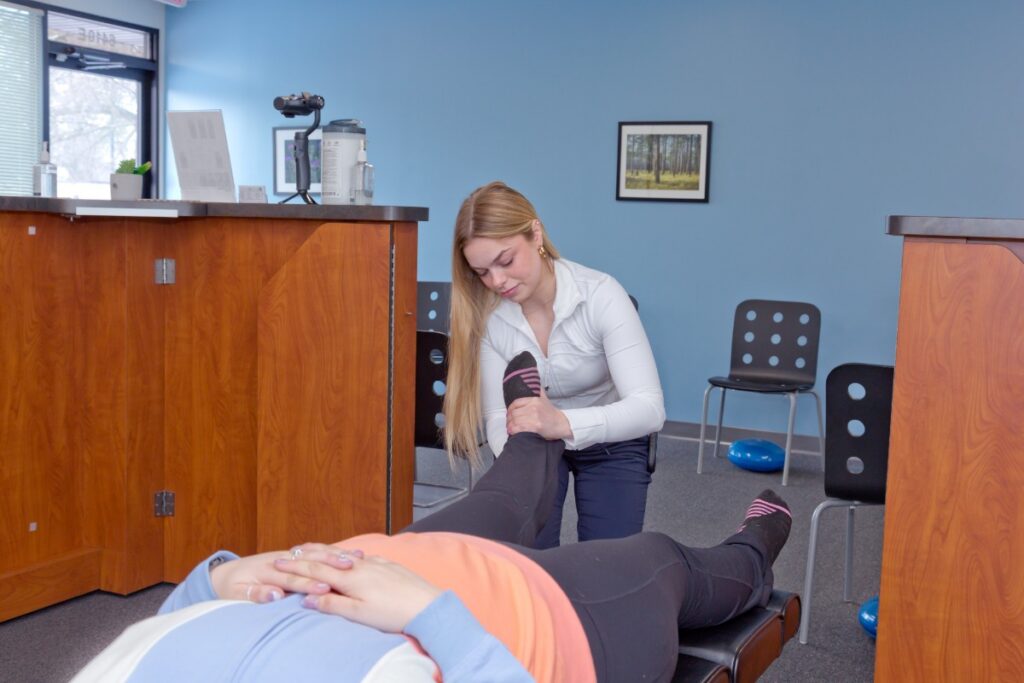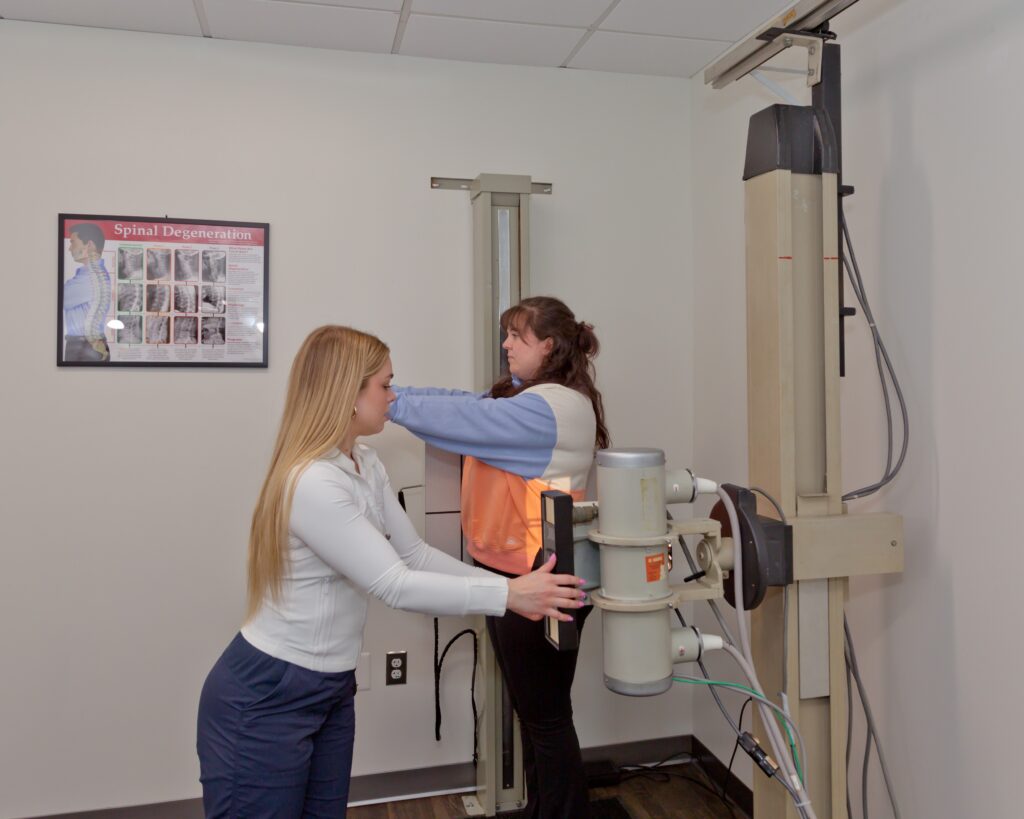

If you’re struggling with lower back pain, you’re certainly not alone. This common discomfort affects many individuals, but the good news is that there are gentle, natural solutions that can provide relief. One of the most effective ways to ease your pain and improve your overall well-being is through chiropractic care. By focusing on spinal health and incorporating mindful movement and targeted exercises, you can start to alleviate your pain and regain your mobility.
So, what specific techniques can you use to find relief and prevent future issues? Here are some effective strategies that may surprise you:
- Chiropractic Adjustments: Regular visits to a chiropractor can help realign your spine, reduce tension in your muscles, and improve your overall function. This hands-on approach addresses the root cause of your pain, rather than just masking symptoms.
- Mindful Movement: Engaging in gentle activities like yoga or tai chi can enhance your flexibility and strength. These practices promote a greater awareness of your body, which can help you identify and alleviate tension in your lower back.
- Targeted Exercises: Simple exercises that strengthen your core muscles can provide significant support to your lower back. Focus on low-impact movements that are easy to perform, such as pelvic tilts, bridges, and gentle stretches.
- Posture Awareness: Maintaining good posture is crucial for spinal health. Be mindful of your sitting and standing positions, especially if you spend long hours at a desk. Consider using ergonomic furniture to support your spine.
- Heat Therapy: Applying heat to your lower back can help relax tight muscles and soothe pain. A warm compress or heating pad can be a simple yet effective tool for relief.
- Stay Active: Regular physical activity is essential for maintaining a healthy spine. Aim for at least 30 minutes of moderate exercise most days of the week. Activities like walking, swimming, or cycling can help keep your back strong and pain-free.
By incorporating these strategies into your daily routine and prioritizing chiropractic care, you can take significant steps toward achieving optimal health and wellness. Remember, you don’t have to live with lower back pain. Embrace these gentle solutions and experience the benefits of a healthier, more vibrant life!
Key Takeaways
Chiropractic care is a powerful approach for addressing spinal misalignments, which can lead to lower back pain. By promoting natural healing through spinal adjustments, we can often reduce pain without the need for medications or invasive procedures.
In addition to chiropractic adjustments, incorporating gentle stretching techniques can significantly enhance your spinal mobility and relieve tension in your lower back. Simple moves like the cat-cow stretch and child’s pose are excellent ways to keep your back flexible and relaxed.
Mindfulness practices, such as deep breathing and meditation, are also beneficial. They not only help reduce stress but can support your overall healing process. Remember, stress can contribute to muscle tension, so taking time for yourself each day can make a big difference in your recovery.
Strengthening your core is another key aspect of maintaining a healthy back. Exercises like planks and bridges help build the muscles that support your spine, improving stability and reducing strain. A strong core can be your best defense against lower back pain.
Finally, don’t underestimate the power of heat and cold therapy. Using heat can relax tight muscles, while cold therapy can help reduce inflammation. These methods, especially when combined with chiropractic adjustments, can greatly enhance your recovery experience.
By focusing on these natural techniques and the benefits of chiropractic care, you can take meaningful steps towards relieving lower back pain and achieving optimal health. Remember, your body is designed to heal itself, and with the right support, you can lead a healthier, pain-free life.
Understanding Lower Back Pain
Lower back pain can be a frustrating and debilitating experience that many people encounter at some point in their lives. Understanding the causes of this pain is essential for effective management, and I’m here to help guide you through it. Often, you might find that your discomfort stems from muscle strain, poor posture, or an injury. Additionally, underlying conditions like herniated discs or arthritis can contribute to your pain.
You may notice that your pain varies in intensity, sometimes feeling sharp and at other times more like a dull ache. This variability can impact your daily activities, making it hard to concentrate or engage in physical tasks. It’s important to listen to your body and recognize how certain movements or positions can worsen your pain.
As a chiropractor, I want to emphasize the power of natural healing through spinal care. Chiropractic adjustments can help alleviate lower back pain by ensuring your spine is aligned and functioning optimally. This can lead to reduced pain, improved mobility, and overall better health.
Here are some general tips to help you manage lower back pain and promote a healthier lifestyle:
- Practice Good Posture: Whether you’re sitting at a desk or lifting objects, maintaining proper posture can significantly reduce strain on your back.
- Stay Active: Engage in low-impact exercises like walking, swimming, or yoga to strengthen your back muscles and improve flexibility.
- Stretch Regularly: Incorporating gentle stretching into your routine can help relieve tension in your back and prevent future discomfort.
- Listen to Your Body: Pay attention to how different movements affect your pain and adjust accordingly. Avoid activities that exacerbate your discomfort.
- Consider Chiropractic Care: Regular visits to a chiropractor can help maintain spinal health and address any misalignments that may be contributing to your pain.
Gentle Stretching Techniques
When it comes to alleviating lower back pain, gentle stretching techniques can be a highly effective way to promote relief and enhance flexibility. Incorporating these stretches into your daily routine not only helps ease tension but also improves your overall mobility. As a chiropractor, I believe that focusing on natural healing methods is essential for achieving optimal health and wellness.
One of the best stretches to begin with is the cat-cow stretch. Start by getting on your hands and knees. As you arch your back upwards like a cat, take a deep breath in; then, dip your back down while lifting your head, exhaling slowly. Repeat this motion gently. This stretch not only helps relieve tension in your lower back but also encourages spinal mobility.
Another excellent option is the child’s pose. Simply kneel down, sit back on your heels, and stretch your arms out in front of you on the floor. You’ll feel a soothing stretch in your lower back and hips. This position is great for calming your mind and relieving stress too.
The seated forward bend is another beneficial stretch. Sit with your legs extended in front of you and slowly reach for your toes. Hold this position for 15-30 seconds while breathing deeply. This stretch helps to lengthen the spine and can significantly reduce discomfort in the lower back.
Throughout each of these stretches, focus on your breathing. Deep, steady breaths will allow your body to relax and maximize the benefits of each position. Consistency is key; by regularly practicing these gentle techniques, you can experience notable improvements in your lower back discomfort, paving the way for a healthier, more active lifestyle.
Mindfulness and Relaxation Practices
While gentle stretching can alleviate physical tension, incorporating mindfulness and relaxation practices can significantly enhance your overall well-being and complement the benefits of chiropractic care.
By fostering a calm mind, you’ll be better equipped to manage lower back pain and improve your quality of life. Here are some simple practices to consider:
- Deep Breathing: Pay attention to your breath. Inhale deeply through your nose, hold it for a moment, and then exhale slowly through your mouth. This technique helps to reduce stress and tension throughout your body, making it easier to maintain spinal alignment.
- Meditation: Dedicate a few minutes each day to quiet reflection. Picture a serene scene or repeat a calming phrase. This practice allows your mind to relax and can support the healing process initiated by chiropractic adjustments.
- Progressive Muscle Relaxation: Start from your toes and work your way up to your head, tensing and then relaxing each muscle group. This method effectively releases built-up tension, which can enhance your chiropractic care and overall comfort.
- Guided Imagery: Utilize recordings that lead you through calming visualizations. This can promote relaxation and a sense of peace, complementing the benefits of your chiropractic sessions.
By integrating these mindfulness and relaxation techniques into your daily routine, you not only support your chiropractic care but also contribute to a healthier lifestyle.
Ergonomic Adjustments for Daily Activities
To alleviate lower back pain, it’s crucial to make ergonomic adjustments in your daily activities. As a chiropractor, I believe that a few simple changes can significantly enhance your comfort and overall health. Start with your desk setup—ensure it promotes good posture to support your spine’s natural alignment. This means having your computer screen at eye level and your chair adjusted so your feet rest flat on the floor.
When it comes to lifting heavy objects, always use safe techniques to avoid straining your back. Bend at your knees, keep the object close to your body, and lift with your legs, not your back. These adjustments not only help prevent pain but also allow your body to function optimally.
Proper Desk Setup
Setting up your desk correctly is crucial for your overall health and well-being, especially when it comes to spinal health. An ergonomic workspace not only enhances your productivity but also plays a vital role in preventing discomfort and pain, particularly in the lower back.
Here are four simple adjustments you can make to create a healthier workspace and support your spine:
- Chair Height: Ensure your chair is adjusted so that your feet rest flat on the floor, and your knees are at or slightly below hip level. This position helps maintain the natural curve of your spine, reducing stress on your back.
- Desk Height: Your desk should be at a height that allows your elbows to remain at a 90-degree angle while you type. This encourages proper posture and minimizes strain on your shoulders and neck.
- Monitor Position: Position your monitor at eye level, about an arm’s length away. This setup is essential for reducing neck strain and promoting a comfortable viewing angle, which is key for maintaining spinal health.
- Keyboard and Mouse: Keep your keyboard and mouse close enough that you don’t have to stretch to reach them. This allows your arms to relax comfortably at your sides, further supporting your posture and reducing the risk of repetitive strain injuries.
By making these small adjustments, you can significantly improve your comfort and support your spine throughout the day.
Safe Lifting Techniques
Maintaining spinal health is crucial for overall well-being, and it starts with proper desk setup, but it doesn’t stop there. When lifting objects, always remember to bend at your knees instead of your waist. This simple adjustment can significantly reduce strain on your back. Keep your feet shoulder-width apart to ensure stability and balance while lifting.
Make sure to grip the item tightly with both hands, keeping it close to your body. This technique minimizes the risk of injury and helps protect your spine. If you find yourself faced with a heavy object, it’s perfectly okay to ask for assistance or use tools like a dolly—there’s no shame in seeking support.
When it’s time to set items down, lower your body by bending your knees again, maintaining that close hold to avoid any awkward twisting motions. This approach not only safeguards your back but also makes the lifting process smoother and more manageable.
Good posture during lifting is essential; it helps prevent discomfort and keeps your spine aligned. By incorporating these safe lifting techniques into your daily routine, you can foster a healthier back and enhance your overall quality of life. Remember, chiropractic care is an excellent way to support your spinal health and achieve optimal wellness. Regular visits to your chiropractor can help keep your body in balance and reduce any pain you might experience.
Prioritize your health and take these tips to heart for a healthier, pain-free life!
The Role of Heat and Cold Therapy
When it comes to managing lower back pain, incorporating heat and cold therapy into your routine can provide substantial relief.
Heat therapy is beneficial for relaxing tight muscles and enhancing blood flow, which can help alleviate discomfort. On the other hand, cold therapy is effective in reducing inflammation and numbing sharp pain, giving you a break from your symptoms.
As a chiropractor, I believe in the power of natural healing and the body’s ability to recover with the right support.
Using heat and cold therapy in conjunction with chiropractic care can maximize your comfort and promote healing. Here are some simple tips you can incorporate into your daily routine:
- Heat Therapy: Try using a warm towel or a heating pad on the affected area for 15-20 minutes. This can help loosen tight muscles before engaging in activities or stretching.
- Cold Therapy: Use an ice pack wrapped in a cloth for about 15-20 minutes on areas experiencing sharp pain or inflammation. This can help numb discomfort and reduce swelling.
- Chiropractic Care: Regular visits to your chiropractor can help address the underlying issues causing your back pain. Adjustments can improve spinal alignment, enhance mobility, and support overall wellness.
- Stay Active: Gentle movement is key. Engage in light stretching or walking to keep your body active and support recovery.
- Listen to Your Body: Pay attention to how your body responds to heat and cold therapy. Adjust the temperature and duration according to your comfort level.
Remember, combining these therapies with chiropractic care can lead to a more holistic approach to your health and wellness.
Benefits of Heat Therapy
Heat therapy is a popular and effective method for easing lower back pain, providing comforting relief to fatigued muscles and stiff joints. As a chiropractor, I want to share the numerous benefits of heat therapy and how it can complement your journey to optimal health. Here are some key advantages:
- Increased Blood Flow: Applying heat helps to widen blood vessels, enhancing circulation and delivering vital nutrients to your muscles. This improved blood flow can facilitate healing and support your body’s natural recovery processes.
- Muscle Relaxation: The soothing warmth of heat therapy helps alleviate tension in your muscles, allowing them to relax and reducing any discomfort you may be experiencing. When muscles are relaxed, it can also help your spine align better, promoting overall spinal health.
- Pain Relief: Heat therapy can effectively block pain signals from reaching your brain, providing immediate relief from soreness. While chiropractic adjustments target the root cause of pain, heat can be a great supplementary method to manage discomfort in the meantime.
- Improved Flexibility: Heating up your muscles enhances flexibility and increases your range of motion, making everyday activities easier and more enjoyable. This is particularly beneficial when combined with chiropractic care, which focuses on restoring mobility and alignment.
Incorporating heat therapy into your daily routine can be a simple yet powerful way to manage lower back pain and support your overall wellness. Remember to always consult with your chiropractor to ensure that you’re using heat therapy in a way that’s safe and effective for your specific situation. By combining heat therapy with chiropractic adjustments, you can achieve lasting relief and enjoy a healthier, more active lifestyle.
Advantages of Cold Therapy
While heat therapy is often praised for its benefits in managing lower back pain, I want to shed light on the unique advantages of cold therapy, which can be equally effective when used appropriately. Cold therapy can help reduce inflammation, numb pain, and slow down nerve conduction, making it particularly beneficial for acute injuries. Here’s a simple comparison of the benefits of cold therapy:
| Cold Therapy Advantages | Description |
|---|---|
| Reduces Inflammation | Helps to lower swelling and irritation, promoting healing. |
| Numbs Pain | Offers immediate relief from discomfort, making it easier to function. |
| Slows Nerve Conduction | Decreases nerve sensitivity, providing a soothing effect. |
| Prevents Muscle Spasms | Eases tension in muscles, allowing for better movement and flexibility. |
| Enhances Recovery | Supports the overall healing process, helping you get back to your daily activities faster. |
Incorporating cold therapy into your wellness routine can be a game-changer for managing lower back pain effectively. Remember, it’s essential to apply cold therapy correctly; use a cloth or towel to protect your skin and limit applications to 15-20 minutes at a time.
As a chiropractor, I believe that aligning your spine and maintaining a healthy lifestyle is crucial for optimal health. Combining chiropractic care with techniques like cold therapy can help you achieve lasting relief and wellness. Always listen to your body and consult with a healthcare professional if you have any concerns. Your journey towards a healthier, pain-free life starts with understanding the best methods for your unique needs!
Alternative Therapies: Acupuncture and Massage
If you’re dealing with lower back pain, exploring alternative therapies like acupuncture and massage can be beneficial. However, as a chiropractor, I want to highlight that chiropractic care is one of the most effective ways to achieve lasting relief and promote overall wellness.
Chiropractic focuses on aligning the spine and correcting any misalignments that may contribute to pain and discomfort. Here are some reasons why chiropractic care might be your best choice:
- Spinal Alignment: Chiropractic adjustments help restore proper alignment to your spine, which can alleviate pressure on your nerves and reduce pain.
- Holistic Approach: Like acupuncture and massage, chiropractic care promotes natural healing. By addressing the root cause of your pain, chiropractic helps your body heal itself without the use of medications or invasive procedures.
- Improved Mobility: Regular chiropractic adjustments can enhance your range of motion and flexibility, making it easier for you to engage in daily activities without discomfort.
- Stress Relief: Chiropractic care can also help reduce stress and tension in your body, which often contributes to muscle tightness and pain.
- Personalized Care: Each chiropractic treatment plan is tailored specifically to your needs, ensuring you receive the most effective care for your unique situation.
Incorporating chiropractic care into your wellness routine can be a game-changer in managing and alleviating your lower back pain.
Remember, maintaining a healthy spine is key to overall health. Regular check-ups, proper posture, and staying active are essential steps you can take to support your back health.
If you’re looking for gentle, effective relief from lower back discomfort, consider scheduling a chiropractic consultation to discuss how this natural approach can benefit you. Your journey to optimal health starts here!
Strengthening Exercises for Core Support
Incorporating strengthening exercises for core support is a fantastic way to improve your lower back health. A strong core not only stabilizes your spine but also reduces strain on your lower back, which is crucial for overall well-being. As a chiropractor, I encourage you to explore these exercises to enhance your body’s natural strength and support.
Start with planks. This simple yet effective exercise engages multiple muscle groups and promotes stability throughout your body. Aim to hold a plank for 20 to 30 seconds, gradually increasing your duration as you build strength. Remember, consistency is key!
Next, consider adding bridges to your routine. To perform this exercise, lie on your back with your knees bent and feet flat on the floor. As you lift your hips, tighten your glutes and hold for a few seconds. This exercise not only strengthens your lower back but also targets your glutes, which play an essential role in supporting your spine.
Don’t overlook the bird-dog exercise! Start on all fours, then extend one arm forward while simultaneously stretching out the opposite leg. Switch sides and repeat. This exercise promotes balance and coordination while engaging your core, helping to enhance your overall stability.
As you progress, feel free to introduce variations to these exercises to keep challenging yourself. These movements not only help build core stability but also play a vital role in preventing future injuries. By incorporating these strengthening exercises into your routine and maintaining regular chiropractic care, you can experience significant improvements in your lower back health over time.
Lifestyle Changes for Long-Term Relief
To achieve long-term relief from lower back pain, embracing certain lifestyle changes is crucial. These changes can be easily integrated into your daily routine, significantly reducing discomfort and supporting your spinal health. As a local chiropractor, I want to share some practical tips that not only promote healing but also highlight the benefits of chiropractic care.
- Maintain a Healthy Weight: Carrying extra weight can place unnecessary strain on your back. A well-balanced diet combined with regular physical activity will help you manage your weight and promote overall wellness. Remember, maintaining a healthy weight isn’t just about looking good; it’s about feeling good and protecting your spine.
- Practice Good Posture: It’s important to keep your spine aligned, whether you’re sitting, standing, or lifting. Good posture helps prevent excess pressure on your lower back. If you find yourself slouching or hunching over, make a conscious effort to straighten up. Consider chiropractic adjustments to improve your posture and alleviate discomfort.
- Incorporate Regular Stretching: Daily stretching can enhance your flexibility and reduce muscle tension, leading to less pain over time. Simple stretches, like gentle twists and forward bends, can keep your back feeling great. Additionally, regular chiropractic care can help ensure that your spine stays aligned and your muscles are balanced.
- Stay Hydrated: Drinking enough water is essential for the health of your spinal discs. Proper hydration can help prevent back pain, especially if you tend to be active. Water supports the cushioning in your spine, which is crucial for overall spinal health.
These lifestyle tips aren’t just beneficial on their own; they work even better when complemented with regular chiropractic care. Chiropractic adjustments can enhance your body’s natural ability to heal and function optimally, providing a holistic approach to health and wellness. Remember, taking care of your spine is key to living a pain-free life!
Conclusion
Incorporating gentle relief techniques into your daily routine can significantly alleviate lower back pain and enhance your overall well-being. As a chiropractor, I encourage you to embrace mindful movement and relaxation practices, as they can create a supportive environment for your spine. Simple adjustments, like ensuring your workspace is ergonomic, can make a world of difference in how your back feels.
Strengthening exercises play a crucial role in maintaining a healthy spine. Focus on gentle stretches that promote flexibility and strength in your back and core muscles. Additionally, utilizing heat or cold therapy can provide immediate relief from discomfort.
Chiropractic care is a natural and effective way to address lower back pain. Regular adjustments can help restore proper alignment to your spine, improving mobility and reducing pain. With consistent effort and the right chiropractic approach, you can reclaim comfort and restore function, leading to a healthier, pain-free life. Remember, taking care of your spine is essential for overall health, so make it a priority!