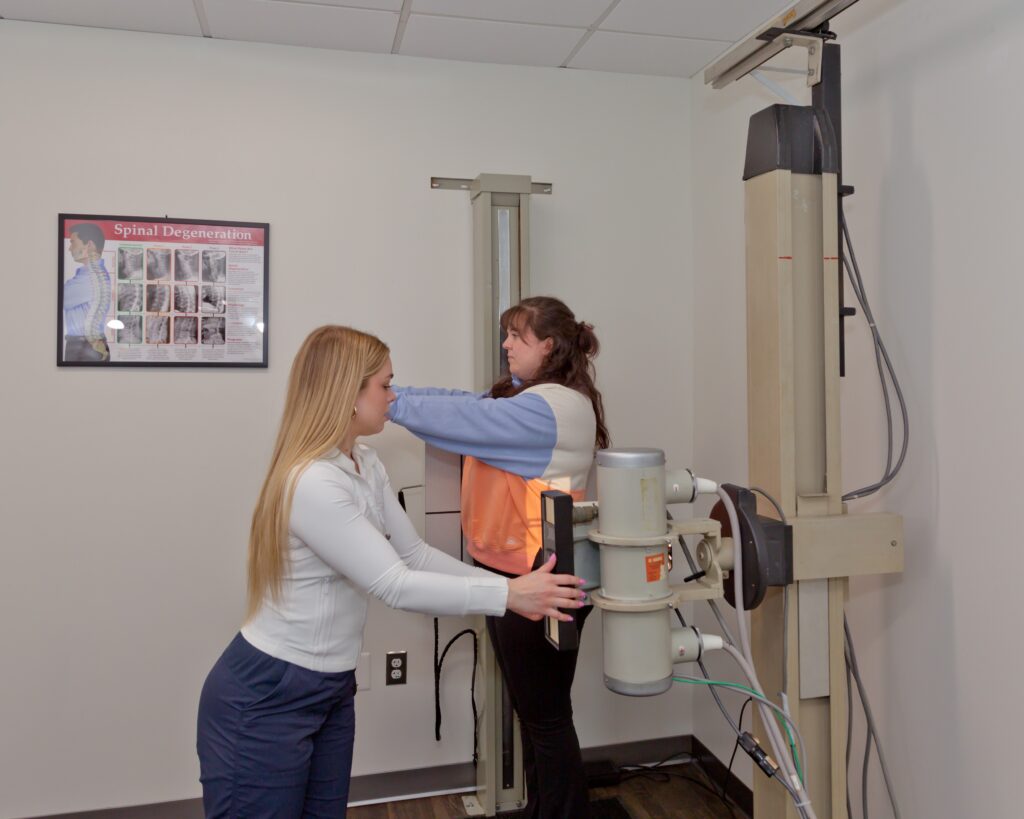

If you’re seeking gentle remedies for headache relief, chiropractic care may be the best option to consider. Many individuals find that addressing spinal alignment and tension can significantly reduce headache frequency and intensity. As a chiropractor, I recommend exploring natural approaches that promote relaxation and wellness, such as gentle spinal adjustments and exercises.
In addition to chiropractic care, there are simple, effective strategies you can incorporate into your routine. Herbal teas, like chamomile or peppermint, can soothe tension, while essential oils such as lavender or eucalyptus might help create a calming atmosphere. Staying hydrated and ensuring you have a consistent sleep schedule are also key components in maintaining overall wellness and reducing headaches.
Curious about the benefits of chiropractic adjustments? They not only help relieve headache pain but also improve your overall spinal health, which is crucial for your body’s function. By focusing on gentle, natural methods, you can achieve lasting relief and support your journey toward optimal health. If you’re experiencing headaches, consider visiting a chiropractor who can tailor a plan specifically for you. Your health and wellness are worth it!
Key Takeaways
Gentle Remedies for Headache Relief
As a local chiropractor, I understand how debilitating headaches can be. They can affect your daily life and overall well-being. Luckily, there are gentle remedies that can help alleviate headache pain naturally, without the need for medications or invasive procedures. Here are some tips to consider:
- Herbal Teas: Drinking herbal teas like chamomile, peppermint, and ginger can be a soothing way to help reduce headache intensity. These natural options not only hydrate but also have calming effects that can contribute to relaxation.
- Essential Oils: Aromatherapy with essential oils, such as peppermint and lavender, can be incredibly beneficial. When you inhale these scents or apply them topically (diluted with a carrier oil), they can promote relaxation and help ease headache pain.
- Deep Breathing Exercises: Stress and tension are common headache triggers. Practicing deep breathing exercises can help calm your mind and body, reducing stress levels and potentially preventing headaches from occurring in the first place.
- Progressive Muscle Relaxation: This technique involves tensing and then relaxing different muscle groups in your body. It’s an effective way to release tension, which can contribute to headache relief. Take a few minutes each day to focus on relaxing your muscles, and you may notice an improvement.
- Stay Hydrated: Dehydration can often lead to headaches. Ensure you’re drinking enough water throughout the day and include water-rich foods in your diet. This simple step can help prevent dehydration-related headaches and support your overall health.
In addition to these remedies, consider incorporating regular chiropractic care into your health routine. Chiropractic adjustments can help align your spine, improve your posture, and relieve tension, which are all beneficial for headache prevention and management. By focusing on your spinal health, you can achieve optimal wellness and reduce the frequency and severity of headaches. Remember, natural healing is a journey, and I’m here to support you every step of the way!
Herbal Teas for Headache Relief
When a headache strikes, reaching for a cup of herbal tea can be a soothing ritual that complements your overall wellness journey. While chiropractic care is an excellent way to address the root causes of headaches, certain herbal teas can provide additional comfort and relaxation. For example, chamomile tea is renowned for its calming effects, making it a perfect choice when stress contributes to your headache.
Peppermint tea offers a refreshing aroma that can enhance circulation and deliver a cooling sensation, helping to alleviate tension in your head and neck. Incorporating these practices into your routine can be beneficial, especially alongside regular chiropractic adjustments that help ensure your spine is aligned and functioning optimally.
Another great option is ginger tea, known for its anti-inflammatory properties that may help reduce the intensity of headaches. You might even consider blending these herbs for a more potent effect. As you enjoy your warm cup of tea, let the steam awaken your senses and take a moment to practice deep breathing. This simple ritual, combined with the holistic benefits of chiropractic care, can create a profound sense of calm and contribute to headache relief.
Essential Oils and Aromatherapy
Essential oils and aromatherapy can be a refreshing addition to your wellness routine, especially when it comes to relieving headaches. While chiropractic care is the best option for addressing the root causes of headaches, these natural plant extracts can provide some helpful relief alongside your treatment.
Peppermint oil is a popular choice for headache discomfort. You can apply a small amount to your temples and gently massage it in. The cooling sensation from peppermint can help ease tension and provide a soothing effect. Lavender oil, celebrated for its calming properties, is another great option. Diffusing it in your home or inhaling its scent can help alleviate stress-related headaches, promoting relaxation.
If you’re experiencing nausea along with your headache, consider ginger essential oil. Mixing it with a carrier oil and massaging it into your neck and shoulders can help release built-up tension. This gentle self-care can complement your chiropractic adjustments, enhancing your overall wellness.
As you explore these oils, remember that they should always be diluted before applying to your skin to ensure safety. While essential oils can provide temporary relief, regular chiropractic care is the key to achieving long-term health and wellness. By addressing spinal alignment and overall body function, chiropractic treatments can help reduce the frequency and intensity of headaches.
Embrace the soothing power of both essential oils and chiropractic care. With the right approach, you can find a balance that promotes your well-being and alleviates discomfort naturally.
Relaxation Techniques and Mindfulness
When headaches strike, incorporating relaxation techniques can provide significant relief, but it’s also essential to understand the role of spinal health in preventing and alleviating pain. As a chiropractor, I encourage you to consider how spinal alignment impacts your overall wellness and contributes to headache relief.
Practicing deep breathing exercises can help you reduce stress and tension in your body. Pair this with gentle neck stretches, which can enhance spinal health and alleviate pressure on nerves that may be contributing to your headaches. Guided imagery is another effective technique; by visualizing a peaceful scene, you can promote relaxation and ease muscle tightness that often accompanies headaches.
Progressive muscle relaxation is a fantastic way to reconnect with your body. By consciously tensing and then relaxing each muscle group, you not only calm your mind but also improve circulation and reduce strain on your spine. This approach can lead to a more relaxed state, which is crucial for headache relief.
Remember, maintaining good posture and regular chiropractic adjustments can also play a vital role in preventing headaches. A well-aligned spine supports your nervous system and helps reduce tension that can lead to pain.
Incorporate these simple methods into your daily routine, and consider chiropractic care as a holistic approach to achieving optimal health and natural wellness. By focusing on spinal health, you can enhance your overall well-being and enjoy a more comfortable, headache-free life.
Deep Breathing Exercises
Practicing deep breathing exercises can be an excellent way to manage headaches and promote relaxation, especially in conjunction with chiropractic care. Focusing on your breath sends calming signals to your body, helping to reduce the tension that often contributes to headaches. Start by finding a comfortable position, whether you choose to sit or lie down.
Inhale deeply through your nose for a count of four, allowing your abdomen to rise fully. Hold that breath gently for a count of four, and then exhale slowly through your mouth for a count of six. This simple exercise can be repeated for several minutes. As you concentrate on the rhythm of your breath, you may notice your mind clearing and your body relaxing, which can make it easier to alleviate headache discomfort.
In addition to these deep breathing exercises, consider incorporating regular chiropractic adjustments into your wellness routine. Chiropractic care focuses on the alignment of your spine, which plays a crucial role in your overall health and well-being. By addressing any misalignments, you can reduce stress and tension in your body, further aiding in headache relief.
Guided Imagery Practices
Building on the calming effects of deep breathing, guided imagery practices can be a valuable tool for headache relief and overall well-being. As a chiropractor, I believe it’s essential to explore natural methods to manage pain and enhance your health. By visualizing serene landscapes or peaceful scenarios, you can redirect your focus away from discomfort and tension in your body.
To begin, find a comfortable position—whether sitting or lying down—close your eyes, and take a few deep breaths to center yourself. Imagine being in a tranquil place, perhaps a quiet beach with gentle waves or a lush forest filled with the sounds of nature. Engage your senses fully; picture the vibrant colors, listen to the calming sounds, and even imagine the fresh scents around you.
As you immerse yourself in this mental imagery, allow any stress or discomfort to melt away. Regular practice of guided imagery can enhance your ability to manage headaches and cultivate a sense of calm in your daily life. It’s a wonderful complement to chiropractic care, which focuses on aligning your spine and optimizing your body’s natural healing processes.
Progressive Muscle Relaxation
While you may not always recognize the tension building up in your muscles, progressive muscle relaxation (PMR) can be an excellent method to relieve headaches and promote overall well-being. This technique works hand-in-hand with chiropractic care, which focuses on restoring balance and health to your body naturally.
To practice PMR, begin by finding a comfortable position, closing your eyes, and taking a deep breath. Start with your feet—tense the muscles for a few seconds, then release. Gradually work your way up your body—calves, thighs, abdomen, and so on—until you reach your head. With each release, visualize the tension melting away, just as a chiropractor helps to release tension and restore your body’s natural alignment.
Regular practice of PMR can complement your chiropractic care by helping you manage stress and reduce the frequency of headaches. It’s a simple yet effective tool for enhancing your health.
Try to set aside a few minutes each day for this calming practice, and remember that maintaining a healthy spine is key to overall wellness. Incorporating PMR along with regular chiropractic visits can lead to a more harmonious and pain-free life.
Dietary Changes to Prevent Headaches
Making thoughtful dietary changes can significantly help reduce the frequency and intensity of headaches, contributing to your overall wellness. As a chiropractor, I believe that a holistic approach—combining proper nutrition with spinal care—can lead to optimal health.
First and foremost, staying hydrated is crucial; dehydration is a common headache trigger. Aim to drink at least eight glasses of water each day to keep your body functioning well.
Next, focus on your meals. Incorporating more whole foods like fruits, vegetables, and whole grains can provide essential nutrients your body needs, while cutting back on processed foods that often contain additives and preservatives that may negatively impact your health.
Be aware that certain foods—such as aged cheese, chocolate, and caffeine—can lead to headaches for some individuals. Keeping a simple food diary can help you track what you eat and identify any potential triggers. Additionally, maintaining regular meal times can stabilize your blood sugar levels, helping to prevent those hunger-related headaches.
Don’t overlook the importance of magnesium-rich foods like nuts, seeds, and leafy greens. Magnesium deficiency is linked to headaches, so including these foods in your diet can be beneficial.
Finally, consider eating smaller, more frequent meals instead of large ones. This approach can help keep your energy levels steady throughout the day.
Acupressure and Massage Techniques
Acupressure and massage techniques can be fantastic complementary practices for managing headaches, especially when combined with chiropractic care. By targeting specific pressure points and relieving muscle tension, these techniques can enhance your overall wellness.
Start by gently pressing on the space between your eyebrows, often referred to as the Yin Tang point. Applying light pressure for a few minutes while taking deep, calming breaths can help create a sense of relaxation and reduce headache intensity.
Next, focus on the base of your skull. Use your fingertips to massage this area, as it tends to hold a lot of tension. Circular motions can be particularly effective in easing discomfort. Don’t overlook your temples—gentle pressure applied here can also provide soothing relief.
Another helpful technique involves using your thumbs to massage the webbing between your thumb and index finger. This area is known for its ability to alleviate pain and tension, making it a great addition to your self-care routine.
Incorporating these simple techniques into your daily life can be beneficial when you sense a headache coming on. They’re easy to perform anywhere, making them a convenient option for quick relief.
However, for a more comprehensive approach to your health, consider the benefits of chiropractic care. Regular adjustments can improve spinal alignment, reduce tension, and promote better overall wellness, leading to fewer headaches and a healthier lifestyle. Remember, taking care of your spine is a crucial step toward achieving optimal health and well-being.
Staying Hydrated: The Importance of Water
Staying hydrated is a key aspect of maintaining not only your overall health but also your spinal health. As a chiropractor, I often see patients who experience headaches due to dehydration. When your body lacks sufficient water, it can lead to discomfort and pain, including tension in the neck and shoulders, which may contribute to headaches.
To support your spinal health and reduce your risk of headaches, aim for a daily water intake that keeps your body functioning at its best. A good rule of thumb is to drink at least eight 8-ounce glasses of water a day, but you may need more depending on your activity level and environment.
In addition to drinking water, here are some simple tips to help you stay hydrated and promote overall wellness:
- Carry a water bottle: Keep a reusable water bottle with you throughout the day to remind yourself to drink regularly.
- Infuse your water: If plain water doesn’t excite you, try adding slices of fruit, herbs, or vegetables to enhance the flavor and make hydration more enjoyable.
- Eat water-rich foods: Incorporate fruits and vegetables with high water content, like cucumbers, oranges, and watermelon, into your diet.
- Listen to your body: Pay attention to signs of dehydration, such as dry mouth, fatigue, or dark urine. If you notice these symptoms, increase your water intake.
- Schedule hydration breaks: Set reminders to take short breaks during your day to drink water, especially if you’re busy or working at a desk.
By prioritizing hydration and making these small changes, you can’t only reduce your risk of headaches but also enhance your overall well-being. Remember, chiropractic care can also play a crucial role in your health journey by aligning your spine and nervous system, which supports your body’s natural healing processes.
Together, hydration and chiropractic care can help you achieve optimal health and a pain-free lifestyle.
Dehydration and Headaches
When you don’t drink enough water, dehydration can sneak up on you and lead to uncomfortable headaches. Your body relies on proper hydration to function at its best, and even mild dehydration can create discomfort. Many people experience a throbbing sensation in their heads, making it difficult to focus on daily tasks.
As a chiropractor, I want to emphasize the importance of listening to your body’s signals. If you’re feeling thirsty or fatigued, it’s a good sign to grab a glass of water. Keeping a water bottle with you throughout the day can serve as a helpful reminder to sip regularly. Additionally, incorporating hydrating foods like fruits and vegetables into your meals can aid in maintaining your hydration levels.
Remember, staying mindful of your fluid intake not only helps reduce the risk of headaches but also supports your overall well-being. Proper hydration works hand-in-hand with chiropractic care, which focuses on aligning your spine and optimizing your nervous system for better health.
To enhance your wellness journey, consider these simple tips:
- Drink Water First Thing: Start your day with a glass of water to kickstart hydration.
- Set Reminders: Use your phone or an app to remind you to drink water throughout the day.
- Eat Hydrating Foods: Snack on water-rich foods like cucumbers, oranges, and strawberries.
- Incorporate Movement: Gentle stretching or light exercise can help stimulate your body’s hydration needs.
Daily Water Intake
To maintain ideal hydration, understanding your daily water intake is essential for your overall health and well-being. As a chiropractor, I emphasize the connection between hydration and spinal health. Drinking enough water not only helps prevent headaches but also supports healthy disc function and nerve conduction, contributing to a pain-free life.
Aim for at least eight 8-ounce glasses of water daily, but remember that individual needs can vary based on your activity level and climate. Staying well-hydrated is a natural way to enhance your body’s self-healing abilities and improve your overall vitality.
Here’s a quick reference to help you track your hydration based on your lifestyle:
| Activity Level | Daily Water Intake (glasses) |
|---|---|
| Sedentary | 8 |
| Moderate Exercise | 10 |
| Intense Exercise | 12+ |
| Hot Climate Exposure | 10-12 |
Listen to your body; thirst is an important signal that you need to increase your water intake. Additionally, consider incorporating hydration-rich foods like fruits and vegetables into your diet, as they can also support your hydration needs.
Lifestyle Adjustments for Long-Term Relief
Headaches can be a common nuisance, but making some simple lifestyle adjustments can significantly reduce their frequency and intensity, helping you achieve optimal health naturally. As a chiropractor, I believe that chiropractic care is one of the best ways to address headache pain and promote overall wellness.
One of the first steps to consider is prioritizing regular sleep. Aim for 7 to 9 hours a night to keep your body balanced and your spine healthy. A well-rested body can handle stress and tension much better, which are common headache triggers.
Next, let’s talk about diet. Incorporating more whole foods—like fruits, vegetables, and whole grains—while reducing processed items can make a world of difference. A balanced diet supports your body’s natural healing processes and can prevent headaches.
Stress management is also crucial. Engaging in practices like yoga or meditation not only calms the mind but also promotes spinal health. These activities can help reduce muscle tension, which is often a contributor to headaches. Simple breathing exercises can also be beneficial—taking a few moments to breathe deeply can help clear your mind and relieve tension.
Staying active is key to maintaining overall wellness. Regular exercise boosts endorphins, which can help keep headaches at bay. Whether it’s a brisk walk, a yoga session, or any activity you enjoy, movement is essential for your health.
Don’t forget the importance of a consistent schedule for meals and hydration. Keeping your body nourished and hydrated helps maintain balance and can prevent headaches from arising.
Lastly, pay attention to your posture, especially if you spend long hours at a desk. Poor posture can lead to tension in the neck and shoulders, which can trigger headaches. Make ergonomic adjustments to your workspace and take breaks to stretch and move.
Conclusion
Incorporating gentle remedies into your routine can significantly enhance headache relief and promote overall wellness. One of the best steps you can take is to visit your chiropractor, who can assess your spinal health and address any misalignments that may contribute to headaches.
In addition to chiropractic care, consider sipping on calming herbal teas, which can help soothe your system. Practicing relaxation techniques like deep breathing or gentle yoga can also alleviate tension in your body. Essential oils, such as lavender or peppermint, can be beneficial; just a few drops can create a calming atmosphere.
Staying hydrated is crucial, as dehydration can often be a trigger for headaches. Additionally, making thoughtful dietary adjustments—like reducing caffeine or processed foods—can also play a role in preventing future headaches.
Being mindful of your lifestyle choices helps create a supportive environment for long-term relief. Remember, small changes in your daily routine, combined with regular chiropractic care, can lead to significant improvements in your overall well-being. Prioritizing your spinal health is a natural path to achieving optimal health and pain relief.