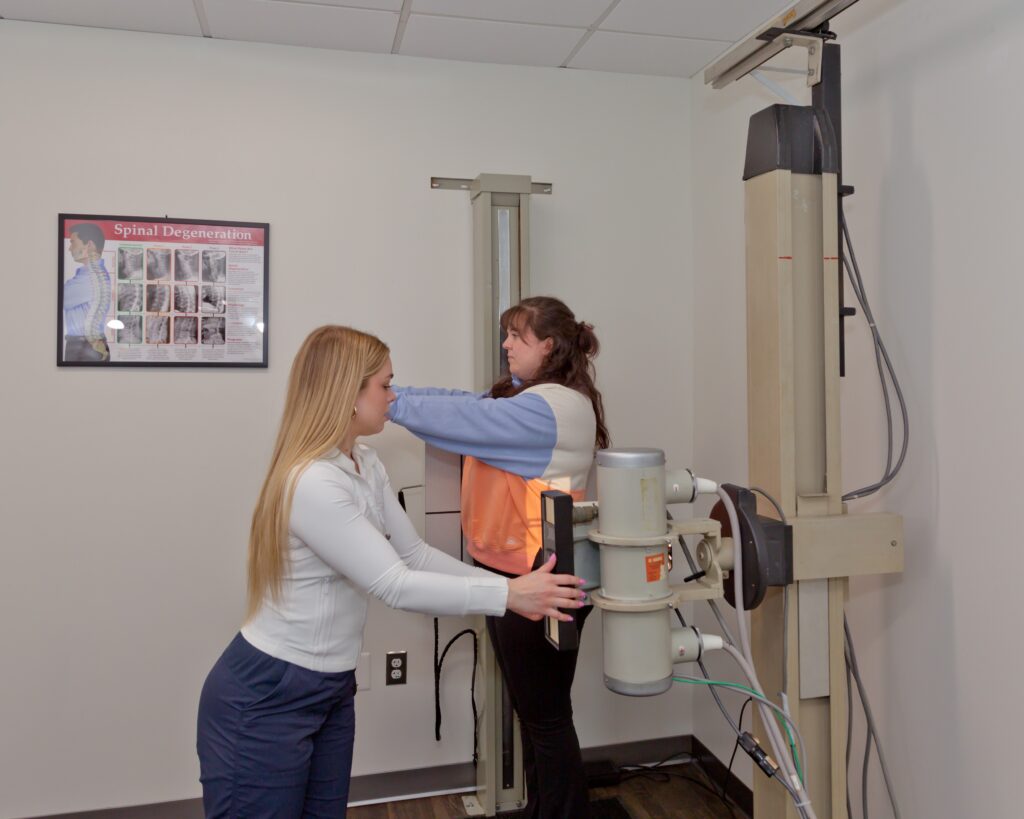

You might be surprised to learn that the practice of spinal adjustments for anxiety relief has deep historical roots. It all began with the early founders of chiropractic care, who believed that proper vertebral alignment plays a crucial role in our nervous system function. Over time, these adjustments have evolved and blended with various holistic approaches to wellness.
What’s truly fascinating is how these historical practices have laid the groundwork for the effective methods we use today. Chiropractic care focuses on restoring balance and harmony within the body, which can significantly contribute to reducing anxiety and enhancing overall well-being.
As we explore this journey, you may discover connections that reshape your understanding of anxiety relief in today’s world. Remember, taking care of your spine is not just about physical health; it’s about nurturing your mental and emotional well-being too.
Here are a few tips to help you manage anxiety naturally:
- Stay Active: Regular physical activity boosts endorphins, which can help reduce anxiety. Simple exercises, like walking or stretching, can make a big difference.
- Practice Good Posture: Maintaining a healthy posture can positively influence your mood and energy levels. Pay attention to your spine, especially if you work at a desk for long periods.
- Mindfulness and Relaxation: Incorporate relaxation techniques, such as deep breathing or meditation, into your daily routine. These practices can complement the benefits of chiropractic care.
- Stay Hydrated: Drinking enough water is essential for overall health and can impact your mood. Aim for at least eight glasses a day.
- Regular Chiropractic Visits: Consistent chiropractic adjustments can help maintain your spine’s alignment and support your nervous system, which may lead to improved mental clarity and reduced anxiety.
By prioritizing chiropractic care and these simple lifestyle changes, you can take significant steps toward achieving optimal health and a calmer, more balanced life.
Key Takeaways
Chiropractic adjustments have long been focused on improving spinal alignment, a practice that not only helps with physical health but also plays a significant role in enhancing emotional well-being. When your spine is aligned correctly, it positively impacts your nervous system, which can lead to reduced feelings of anxiety and stress.
In the early days of chiropractic care, practitioners emphasized restoring bodily function and relieving tension. These two factors are crucial, as they can significantly contribute to feelings of anxiety. By addressing these issues, chiropractic care can help you feel more balanced and at ease.
In recent years, we’ve seen a growing integration of mindfulness and movement techniques within chiropractic practice. This holistic approach not only promotes relaxation but also effectively reduces anxiety symptoms. Incorporating deep breathing exercises, gentle stretching, and mindfulness into your routine can complement your chiropractic adjustments and enhance your overall sense of well-being.
Research supports that regular chiropractic adjustments can improve your body’s response to stress and bolster emotional resilience. By focusing on your spine and nervous system health, you are taking proactive steps towards better mental health and a more relaxed state of mind.
Chiropractic care is a natural alternative to conventional anxiety treatments. It’s all about personalized wellness strategies tailored to your individual needs. By choosing chiropractic, you are opting for a holistic approach that supports your body’s natural ability to heal and thrive.
To enhance your journey towards optimal health, here are some general tips you can incorporate into your daily life:
- Stay Active: Regular physical activity can help reduce anxiety and improve your mood. Simple exercises like walking or yoga can be beneficial.
- Practice Mindfulness: Engage in mindfulness practices such as meditation or deep breathing exercises to help calm your mind and reduce stress.
- Maintain Good Posture: Be mindful of your posture throughout the day to support your spinal health and overall well-being.
- Stay Hydrated: Drinking plenty of water is essential for your body’s functions and can help you feel more energized and less anxious.
- Get Enough Sleep: Prioritize good sleep hygiene to ensure you get restful sleep, which is crucial for mental health.
By embracing chiropractic care and these healthy lifestyle choices, you can pave the way for a more balanced, anxiety-free life. Remember, your journey to optimal health starts with taking care of your spine!
Ancient Practices: Meditation and Herbal Remedies
As you seek ways to relieve anxiety, it’s important to consider holistic approaches that promote overall well-being, such as chiropractic care, meditation, and herbal remedies. Chiropractic care focuses on the alignment of your spine and the nervous system, which can play a vital role in your mental health. When your spine is in proper alignment, it helps your body function optimally, reducing tension and stress that can contribute to anxiety.
Incorporating meditation into your daily routine can further enhance your overall wellness. By spending just a few minutes each day practicing mindfulness, you can train your mind to stay present and minimize worries about the future. This practice not only helps reduce stress but also complements the benefits of chiropractic adjustments by promoting relaxation and mental clarity.
Herbal remedies, such as chamomile and valerian root, have been traditionally used to support relaxation and restful sleep. For instance, sipping a warm cup of chamomile tea can be a soothing bedtime ritual, helping to quiet your mind and prepare you for a restful night. Valerian root may also help you achieve a deeper sleep, which is essential for managing anxiety.
These natural practices offer more than just temporary relief; they contribute to long-term mental and physical well-being. By integrating chiropractic care with meditation and herbal remedies into your lifestyle, you can build a solid foundation for managing anxiety and enhancing your overall health.
The Role of Philosophy in Understanding Anxiety
Understanding anxiety can be a complex journey, but incorporating principles from philosophy can provide valuable insights into your emotional well-being. One ancient philosophy that stands out is Stoicism, which emphasizes emotional resilience. This approach can help you manage life’s challenges and reduce anxiety naturally.
As a chiropractor, I believe that physical well-being is closely tied to mental health. By maintaining a healthy spine and nervous system through regular chiropractic care, you can enhance your body’s ability to cope with stress and anxiety. When your spine is aligned, it helps optimize your body’s functions, which can lead to a clearer mind and a more balanced emotional state.
Here are some tips to help you manage anxiety naturally:
- Regular Chiropractic Visits: Keeping your spine aligned can improve your overall health and well-being, which may help reduce feelings of anxiety.
- Mindful Movement: Engage in activities like yoga or stretching, which can help release tension in your body and promote relaxation.
- Breathe Deeply: Practicing deep breathing exercises can calm your nervous system and help you feel more grounded.
- Stay Active: Regular physical activity can boost your mood and reduce stress levels. Consider incorporating walks or gentle exercises into your routine.
- Connect with Nature: Spending time outdoors can have a soothing effect on your mind and body, helping to alleviate feelings of anxiety.
Ancient Philosophical Perspectives
While dealing with the challenges of anxiety, it’s important to consider how holistic approaches, including chiropractic care, can support your overall well-being. Just as ancient philosophers like Socrates and Epicurus emphasized self-examination and understanding our emotions, chiropractic care encourages us to listen to our bodies and recognize the physical manifestations of stress and anxiety.
Chiropractic adjustments can help alleviate tension in the spine and improve nervous system function, which plays a crucial role in how we experience emotions. By addressing misalignments in the spine, we can enhance our body’s ability to cope with stress, leading to a greater sense of calm and balance.
Furthermore, embracing the idea of living in harmony with our bodies can be incredibly beneficial. Chiropractic care promotes natural healing and encourages us to accept the ebb and flow of life’s challenges. This acceptance fosters a sense of peace and allows us to better manage our feelings and responses.
In addition to seeking chiropractic care, here are some general tips to help manage anxiety:
- Practice Mindfulness: Spend a few minutes each day focusing on your breath and being present in the moment. This can help reduce stress and improve mental clarity.
- Stay Active: Regular physical activity can boost endorphins and improve your mood. Consider incorporating gentle exercises like walking or yoga into your routine.
- Nourish Your Body: Eating a balanced diet rich in whole foods can support your overall health and enhance your mood. Stay hydrated and be mindful of your food choices.
- Prioritize Sleep: Ensure you’re getting enough rest each night, as sleep is essential for emotional regulation and overall health.
- Connect with Others: Building strong relationships and seeking support from friends and family can provide comfort and reduce feelings of isolation.
Stoicism and Emotional Resilience
Embracing Stoicism can empower you to build emotional resilience, which is crucial for maintaining overall health and wellness. This ancient philosophy encourages you to focus on what you can control—such as your posture and spinal health—and accept what you can’t. When anxiety strikes, remind yourself that your reactions, much like your physical alignment, are within your grasp.
Incorporating mindfulness can also play a significant role in your wellness journey. By tuning into your body and observing any tension or discomfort without judgment, you allow yourself to release negative emotions, which can positively impact your spinal health. This shift in perspective not only helps you navigate life’s challenges with clarity but also promotes a more relaxed state, reducing tension that can lead to misalignments.
Chiropractic care is an excellent way to support your emotional resilience. By focusing on spinal health, you can cultivate virtues like self-discipline and a proactive approach to your wellness. Regular chiropractic adjustments can help alleviate physical discomfort, which in turn reduces anxiety and enhances your overall emotional well-being.
As you apply these principles, you may find that anxiety loses its grip, allowing you to approach life’s uncertainties with a calm and steady mindset. Remember, taking care of your spine is essential for achieving optimal health, and it fosters personal growth and deeper connections with others. Prioritize your spinal health, and you’ll be better equipped to handle life’s ups and downs.
Modern Philosophical Approaches
Navigating the complexities of anxiety can often lead individuals to seek various paths to wellness, and one effective approach is through chiropractic care. As a chiropractor, I emphasize the importance of a healthy spine and nervous system in managing stress and anxiety. When your spine is aligned, it can positively influence your overall well-being, helping you to confront life’s uncertainties with greater ease.
Many patients find that regular chiropractic adjustments help reduce physical tension, which can often exacerbate feelings of anxiety. By focusing on spinal health, we can support the body’s natural ability to heal itself and improve your emotional state. Additionally, incorporating mindfulness practices, such as deep breathing and relaxation techniques, can enhance the benefits of chiropractic care, allowing you to stay present and mitigate anxiety’s effects.
To empower yourself on this journey, consider these simple tips: prioritize good posture, engage in regular physical activity, and ensure you have a balanced diet rich in nutrients that support brain health. By nurturing your body and spine, you can cultivate resilience against anxiety.
Ultimately, chiropractic care isn’t just about pain relief; it’s about achieving optimal health and wellness. By choosing this natural path, you equip yourself with the tools to not only cope with anxiety but to thrive in all aspects of life.
The Emergence of Modern Psychology
As you delve into the emergence of modern psychology, you’ll uncover how foundational theories have shaped our understanding of the mind and body connection. Pioneering figures like Freud and Jung laid the groundwork for concepts that are still relevant today, but it’s essential to recognize that our physical health plays a crucial role in our mental well-being too.
At the heart of maintaining a healthy mind is a healthy spine. Chiropractic care focuses on the alignment of the spine, which can significantly affect your overall health, including how you manage stress and anxiety. By ensuring that your spine is properly aligned, you can enhance your body’s natural ability to heal itself and promote a sense of calm and balance.
Chiropractic care can provide effective pain relief and support natural wellness without the need for medications or surgeries. Regular adjustments can help alleviate tension, improve posture, and boost your overall physical health, which in turn can positively impact your mental state.
Here are some general tips to keep in mind for a healthier lifestyle:
- Stay Active: Engage in regular physical activity. Simple exercises like walking, stretching, or yoga can help maintain spinal health and reduce stress.
- Mind Your Posture: Pay attention to your posture throughout the day, especially if you work at a desk. Proper posture can prevent strain on your spine and promote better mental clarity.
- Hydration is Key: Drink plenty of water to keep your body hydrated. Proper hydration supports overall health and can help mitigate feelings of fatigue and stress.
- Prioritize Sleep: Ensure you get enough restorative sleep. A well-rested body can handle stress better and contributes to a healthier spine.
- Seek Chiropractic Care: Regular visits to your chiropractor can help maintain spinal health, reduce pain, and promote a sense of well-being.
Foundational Theories Established
When you delve into the fundamentals of health and wellness, you’ll discover that foundational theories about the body and mind stem from a combination of natural healing practices and scientific exploration. Thinkers throughout history have sought to understand the connection between physical health and mental well-being, laying the groundwork for holistic approaches to wellness. Early concepts, such as the importance of posture and spinal alignment, emphasized how our physical state influences our overall health.
Chiropractic care stands out as a powerful method for achieving pain relief and promoting natural wellness. By focusing on the spine and its role in the nervous system, chiropractic adjustments help to restore balance and function to the body. This approach not only addresses physical discomfort but also supports mental clarity and emotional stability.
As you navigate your journey toward optimal health, consider incorporating these simple tips into your daily routine: maintain good posture, engage in regular physical activity, and prioritize spinal health through chiropractic care. Understanding these principles is essential as you work toward reducing anxiety and enhancing your overall well-being. Remember, chiropractic care is a natural and effective choice for those seeking a healthier, pain-free life.
Pioneering Figures in Psychology
The journey toward optimal health and wellness can be deeply influenced by understanding the body and mind’s connection. Just as pioneering figures in psychology, like Freud and Jung, explored the depths of human behavior, we in the field of chiropractic focus on the integral relationship between the spine, nervous system, and overall health.
By prioritizing spinal health through chiropractic care, you can alleviate pain and enhance your emotional well-being. For instance, just as Freud emphasized the importance of the unconscious, we understand that misalignments in the spine can affect not only physical health but also emotional states. Regular chiropractic adjustments help keep your spine aligned, promoting better communication between the brain and body, which can lead to reduced anxiety and improved mood.
Moreover, just as Skinner highlighted behaviorism, we recognize that your environment plays a crucial role in your health. Maintaining a healthy lifestyle—like proper posture, regular exercise, and a balanced diet—can complement chiropractic care and support your journey to wellness.
Incorporating practices such as mindfulness and relaxation techniques can also enhance the benefits of chiropractic care, fostering a holistic approach to your health. Remember, each adjustment you receive is a step towards understanding and nurturing the intricate relationship between your body and mind.
Takeaway tips:
- Maintain good posture while sitting and standing to support spinal health.
- Incorporate regular physical activity to strengthen your body and improve flexibility.
- Practice mindfulness or relaxation techniques to help manage stress and anxiety.
- Schedule regular chiropractic check-ups to ensure your spine is aligned and functioning optimally.
Therapeutic Techniques: From Talk Therapy to Cognitive Behavioral Therapy
When you’re dealing with anxiety, it’s important to know there are natural ways to find relief, and chiropractic care can play a key role in your journey to wellness. While talk therapy, or psychotherapy, allows you to express your feelings and explore the root causes of your anxiety, chiropractic adjustments can help support your overall mental health and well-being. By ensuring your spine is properly aligned, you can improve your body’s communication with your brain, which may help reduce feelings of anxiety and stress.
Cognitive Behavioral Therapy (CBT) focuses on changing negative thought patterns, but you can complement this with chiropractic care. Regular adjustments can promote relaxation and help your body respond better to stress, making it easier to challenge those irrational beliefs and replace them with healthier thoughts. This holistic approach not only helps you manage anxiety more effectively in the moment but also prepares you for future challenges.
In addition to chiropractic care, consider incorporating some simple self-care tips to enhance your well-being: practice deep breathing exercises, engage in regular physical activity like walking or yoga, and maintain a balanced diet rich in whole foods. Remember, taking care of your spine through chiropractic adjustments is a proactive step toward achieving optimal health and experiencing lasting relief from anxiety. Embrace this natural path to wellness, and discover how it can positively impact your life!
The Influence of Culture on Anxiety Management
Cultural beliefs and practices significantly influence how individuals perceive and manage anxiety, which can directly relate to overall wellness and health. In communities where open expression of emotions is encouraged, people often feel more comfortable discussing their feelings with family and friends, which can lead to healthier coping mechanisms. Conversely, in cultures that emphasize emotional restraint, individuals may feel inclined to suppress their feelings, potentially resulting in increased stress and discomfort.
When it comes to managing anxiety, the strategies you choose can reflect your cultural background. Some cultures may promote communal support systems, while others might emphasize individual approaches. This is where chiropractic care can play a vital role in your journey toward wellness. Chiropractic adjustments can help relieve physical tension and discomfort that often accompany anxiety, allowing you to engage more fully with your support system.
Mindfulness and meditation practices, prevalent in many Eastern cultures, can be complemented by the physical benefits of chiropractic care. By addressing the misalignments in your spine, chiropractic treatment can enhance your body’s ability to relax and support your mental clarity, making mindfulness practices even more effective. In Western cultures, where cognitive-behavioral techniques are emphasized, chiropractic care can serve as a natural way to alleviate physical symptoms of anxiety, allowing you to focus on changing thought patterns without the burden of discomfort.
Ultimately, understanding the interplay between culture and anxiety management can empower you to explore holistic approaches to your mental health. By incorporating chiropractic care into your wellness routine, you can achieve pain relief and support your overall emotional well-being. Remember, maintaining a healthy spine is key to living a balanced life—so consider regular chiropractic adjustments as a natural path to achieving optimal health and wellness.
Medications: A Shift in Treatment Approaches
As awareness of mental health continues to rise, many individuals are seeking out holistic approaches to manage anxiety. This shift emphasizes the importance of natural healing methods and the role of a balanced lifestyle in achieving overall wellness.
Here are three key points to consider when exploring ways to manage anxiety without medications:
- Holistic Approaches: Chiropractic care can be a powerful tool in addressing anxiety. By focusing on spinal health and the nervous system, chiropractors can help improve your body’s function and promote relaxation. This natural method can enhance your overall well-being, potentially reducing anxiety symptoms.
- Personalized Care: Just like no two spines are the same, each person’s experience with anxiety is unique. A chiropractor will work with you to create a tailored plan that considers your specific needs, lifestyle, and health goals, ensuring that you receive the most effective care for your situation.
- Natural Wellness Tips: In addition to chiropractic adjustments, consider incorporating practices like regular exercise, a balanced diet, and mindfulness techniques into your routine. These lifestyle changes can greatly contribute to your mental health and help you manage anxiety in a natural way.
The Future of Anxiety Relief: Integrative and Holistic Methods
While traditional treatments for anxiety can be beneficial, the future of anxiety relief is leaning towards integrative and holistic methods that address the entire person, including the spine and nervous system. These approaches focus on mental, emotional, and physical well-being, helping you achieve balance and peace. As a chiropractor, I believe that chiropractic care plays a crucial role in managing anxiety by promoting a healthy spine and nervous system, which can lead to improved overall health.
Here’s a quick overview of some integrative methods, including how chiropractic care can support your journey:
| Method | Benefits | How to Start |
|---|---|---|
| Chiropractic Care | Alleviates tension, improves nervous system function | Schedule a consultation with a local chiropractor for a personalized plan |
| Yoga | Reduces stress, improves flexibility | Join a local class or follow online videos to enhance your chiropractic care |
| Mindfulness | Enhances awareness, promotes relaxation | Practice daily meditation for 5-10 minutes to complement spinal health |
| Nutrition | Supports brain health, stabilizes mood | Incorporate whole foods and reduce sugar intake to support overall wellness |
Incorporating chiropractic care into your routine can help alleviate physical tension that contributes to anxiety. Regular adjustments can enhance your body’s ability to manage stress and improve your nervous system’s function. Remember, a healthy spine is vital for a healthy mind!
Additionally, consider these general tips for managing anxiety:
- Stay Active: Regular physical activity can help reduce anxiety and improve your mood.
- Get Enough Sleep: Prioritize restful sleep to support mental clarity and emotional balance.
- Practice Deep Breathing: Simple breathing exercises can help calm your mind and reduce stress levels.
Conclusion
In exploring the history of adjustments for anxiety relief, you’ll discover how ancient practices and modern chiropractic techniques come together beautifully. From the early days of meditation to today’s comprehensive wellness strategies, our understanding of anxiety has progressed significantly. It’s important to recognize the strong link between physical health and emotional well-being.
As a chiropractor, I believe that spinal adjustments can play a crucial role in managing anxiety. By aligning your spine, we can help improve your overall nervous system function, which may reduce stress and promote a sense of calm. When you combine these adjustments with other natural wellness practices—like proper nutrition, regular exercise, and mindfulness—you’re not just addressing immediate anxiety; you’re building a foundation for long-term resilience and healthier living.
Here are some simple tips to help you manage anxiety alongside chiropractic care:
- Stay Active: Regular physical activity can boost your mood and reduce anxiety. Consider incorporating activities like walking, yoga, or swimming into your routine.
- Mindfulness and Breathing Exercises: Spend a few minutes each day practicing deep breathing or meditation. These techniques can help center your thoughts and ease tension.
- Nutrition Matters: Eating a balanced diet rich in whole foods can positively impact your mood and energy levels. Stay hydrated and limit processed foods.
- Prioritize Sleep: Quality sleep is essential for emotional regulation. Aim for 7-9 hours nightly and establish a calming bedtime routine.
- Regular Adjustments: Make chiropractic care a regular part of your wellness plan. Consistent spinal adjustments can help keep your body balanced and may reduce anxiety symptoms over time.
By embracing these practices and incorporating chiropractic care into your life, you can take significant steps toward achieving optimal health and a more balanced, peaceful state of mind.