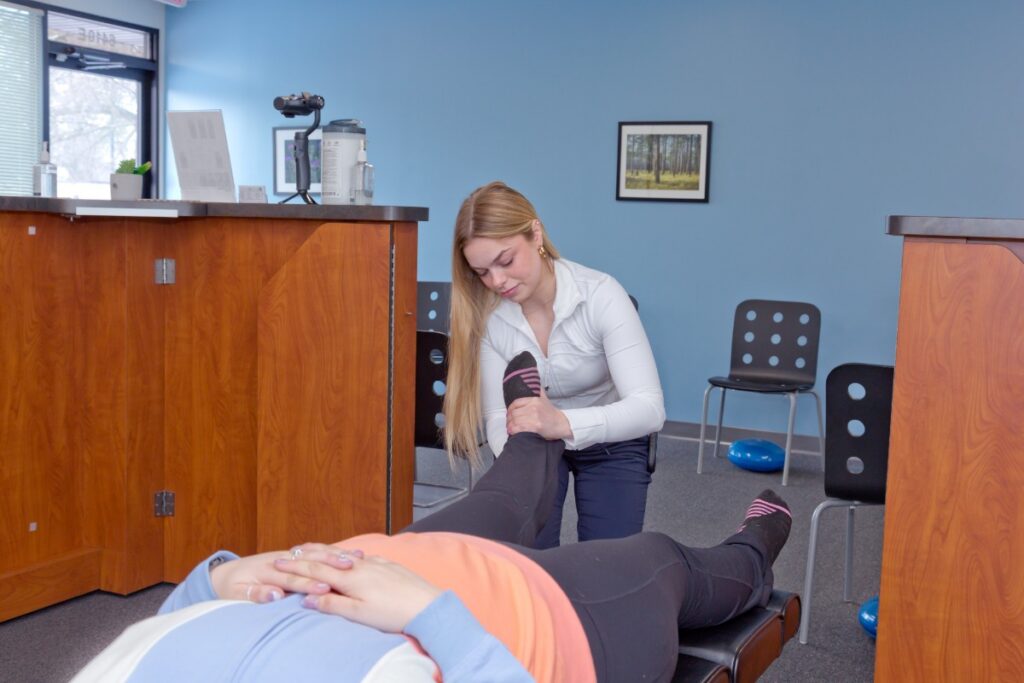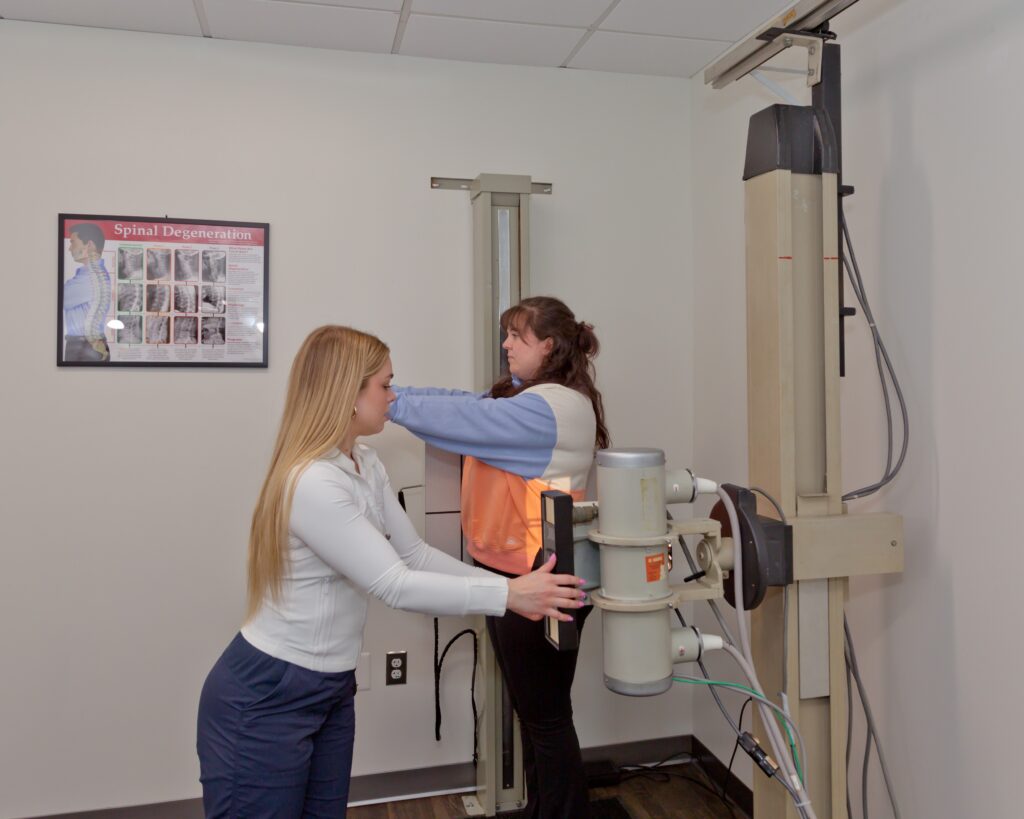

Good posture is vital for your overall health, yet many of us find it challenging to maintain. You may not even realize how your daily habits and the way your workspace is set up can impact your posture. As a chiropractor, I believe that with some natural care solutions, you can make meaningful improvements to your posture and overall well-being.
Are you curious about simple techniques and adjustments that can lead to lasting change? Let’s explore effective strategies that can help you stand tall and feel more aligned, all while emphasizing the benefits of chiropractic care.
- Regular Chiropractic Adjustments: Visiting a chiropractor can help align your spine and improve your posture. Regular adjustments can reduce discomfort and enhance your body’s natural healing abilities.
- Ergonomic Workspace Setup: Make sure your chair supports your lower back, and your computer screen is at eye level. This helps reduce strain on your neck and shoulders, promoting better posture.
- Take Frequent Breaks: If you sit for long periods, make it a habit to stand up, stretch, and move around every 30 minutes. This helps relieve tension and keeps your muscles engaged.
- Strengthen Your Core: A strong core supports your spine. Engage in exercises like planks and bridges to build strength in your abdominal muscles, which can help you maintain better posture.
- Mind Your Movement: Pay attention to how you sit, stand, and move throughout the day. Practice sitting with your back straight, shoulders back, and feet flat on the ground. When standing, distribute your weight evenly between both feet.
- Stretch Regularly: Incorporate gentle stretching into your daily routine, focusing on your neck, shoulders, and back. This can help relieve tension and improve flexibility, which is key for good posture.
By incorporating these strategies and considering regular chiropractic care, you can work towards a healthier spine and a more aligned posture. Remember, good posture isn’t just about standing tall; it’s about feeling great in your body. Take small steps today for lasting improvements in your health and wellness!
Understanding the Importance of Good Posture
Good posture isn’t just about looking confident; it’s crucial for your overall health and well-being. As a chiropractor, I want to emphasize how maintaining good posture can positively impact your body. When you keep your spine aligned properly, it helps reduce strain on your muscles and ligaments. This alignment is fundamental in preventing discomfort and injuries, especially in your back and neck. Many people may not realize that slouching can lead to tension headaches and chronic pain over time.
By focusing on good posture, you can also enhance your breathing and digestion. When you sit or stand tall, your lungs have more space to expand, allowing for deeper and more effective breaths. This increase in oxygen can boost your energy levels and improve your focus, making you more productive throughout the day. Additionally, maintaining proper alignment supports your internal organs, aiding in digestion and overall comfort.
To help you achieve and maintain good posture, here are some simple tips:
- Be Mindful: Regularly check in with your posture throughout the day. Set reminders on your phone to stand tall or adjust your seating.
- Ergonomic Setup: Ensure your workspace is ergonomically designed. Your computer screen should be at eye level, and your chair should support your lower back.
- Stretch and Strengthen: Incorporate stretching and strengthening exercises into your routine to promote flexibility and support your spine.
- Chiropractic Care: Regular visits to a chiropractor can help maintain your spinal alignment, alleviate pain, and support your journey to optimal health.
Mindful Stretching Techniques
Maintaining good posture is just the beginning of your journey to better health, and as a chiropractor, I believe that incorporating mindful stretching techniques can significantly enhance your overall well-being. By dedicating just a few minutes each day to stretching, you’re not only relieving tension but also improving your flexibility and circulation, which are crucial for spinal health.
Let’s start with some simple neck rolls to ease stiffness. Gently tilt your head side to side, allowing each movement to flow naturally. This can help alleviate tension that often builds up from poor posture or long hours at a desk.
Next, try the seated forward bend. While sitting comfortably, extend your arms overhead and slowly reach for your toes. Focus on your breath—inhale deeply as you stretch and exhale any lingering tension. This movement not only stretches your back but also promotes relaxation, which is key for maintaining a healthy spine.
Don’t forget about the standing side stretch! Raise one arm overhead and lean to the opposite side. This technique opens up your torso and promotes balance, which is essential for spinal alignment.
Practicing these stretches mindfully will help you reconnect your body and mind, supporting your posture and enhancing your overall health. Remember, while these techniques are beneficial, regular chiropractic care is the best way to address underlying issues and maintain optimal spinal health.
Embrace the power of stretching, and consider visiting your chiropractor regularly to ensure your body is functioning at its best. Feel the difference it can make in your life!
Strengthening Exercises for Postural Support
To improve your posture, it’s vital to incorporate strengthening exercises that focus on your core and upper back. These areas play a significant role in supporting your spine and maintaining proper alignment. As a chiropractor, I emphasize the importance of combining these strength exercises with flexibility routines, such as gentle stretching, to enhance your overall well-being.
Engaging in regular strengthening exercises not only helps improve posture but also alleviates discomfort and tension often associated with poor alignment. Simple exercises, like planks and rows, can effectively target the muscles that support your spine. Remember, the goal is to create a strong foundation that allows your body to function optimally.
In addition to exercises, consider the following tips for better posture:
- Mind Your Sitting Position: Ensure your chair supports your lower back and that your feet are flat on the floor. This small adjustment can make a big difference.
- Take Breaks: If you sit for long periods, stand up and stretch every 30 minutes. This helps prevent stiffness and encourages better alignment.
- Be Conscious of Your Posture: Regularly check in with yourself throughout the day. Are you slouching? Make an effort to sit or stand tall, with your shoulders back.
Chiropractic care is a powerful tool for achieving optimal health and wellness. It not only addresses pain relief but also focuses on correcting posture and enhancing your body’s natural ability to heal.
Core Strengthening Techniques
While many people tend to focus on stretching and flexibility to improve posture, it’s crucial to recognize the importance of strengthening your core. A strong core is vital for providing stability and support for your spine, which helps you maintain proper alignment throughout your daily activities.
As a chiropractor, I recommend incorporating core-strengthening exercises into your routine to enhance your overall wellness. Begin with planks, which engage your entire core and help build lasting strength. Bridges are another excellent exercise that targets your lower back and glutes, offering additional support for your spine. Don’t overlook bicycle crunches; these are fantastic for strengthening your obliques and improving your body’s ability to rotate effectively. Leg raises can also be beneficial, as they enhance your lower abdominal strength.
Aim to include these exercises in a balanced routine at least three times a week. Consistency is essential for seeing improvements!
As you strengthen your core, you may notice better posture, reduced discomfort, and improved overall body mechanics.
Incorporating chiropractic care into your wellness plan can also play a significant role in achieving optimal health. Regular adjustments can help align your spine and improve your body’s function, working in harmony with your strengthening efforts. So, get started on your core exercises today, and consider scheduling a visit to your chiropractor to support your journey toward better health and wellness!
Upper Back Exercises
Strengthening your upper back is essential for maintaining good posture and preventing discomfort, which is vital for overall spinal health. Incorporating exercises like bent-over rows and reverse flys into your routine can be a great way to enhance your well-being naturally.
For bent-over rows, grab a pair of dumbbells, hinge at your hips, and pull the weights toward your waist while keeping your elbows close to your body. This exercise effectively targets your lats and traps, helping to support proper spinal alignment. When you perform reverse flys, stand with a slight bend in your knees, hold the weights in front of you, and lift them out to the side. This movement engages your rear deltoids and upper back, contributing to a stronger and more stable spine.
Additionally, don’t overlook the importance of scapular retractions! Whether sitting or standing, tall posture is key—squeeze your shoulder blades together and hold for a few seconds. This simple action can help reinforce healthy spinal alignment.
Aim for two to three sets of each exercise, and you’ll likely notice improvements in your posture over time. Remember, regular movement and strengthening are vital components of maintaining not only your back health but also your overall wellness.
If you’re ever experiencing discomfort or pain, consider visiting your chiropractor for personalized care and guidance on achieving optimal health naturally. Your spine deserves it!
Stretching for Flexibility
Building a strong upper back is an essential part of achieving and maintaining good posture, but don’t overlook the vital role that stretching for flexibility plays in your overall wellness. Regular stretching not only enhances your range of motion but also helps reduce muscle tension and improve your posture, which is crucial for spinal health.
Incorporating stretches that specifically target your chest, shoulders, and spine can lead to significant benefits. For example, a doorway stretch can effectively open up your chest, helping to counteract the effects of slouching, while a seated forward bend can help lengthen your spine, promoting better alignment. Aim to hold each stretch for at least 20-30 seconds, and remember to breathe deeply to help your muscles relax.
Consistency is key! By committing to a regular stretching routine, you’ll not only become more flexible but also support your overall posture. This can lead to improved spinal health, allowing you to stand taller and move more freely throughout your day.
As a chiropractor, I encourage you to view stretching as a complementary practice to your chiropractic care. Together, they can help you achieve optimal health and wellness naturally. Remember, taking small steps toward better flexibility can have a profound impact on your overall well-being, so make stretching a part of your daily routine!
Ergonomic Adjustments for Your Workspace
Creating an ergonomic workspace is essential for enhancing your posture and overall comfort, which is crucial for maintaining spinal health. As a chiropractor, I want to share some simple adjustments you can make to your workspace that won’t only help you feel better but also support your body naturally.
Start with your chair. Adjust it so that your feet rest flat on the ground, and your knees are level with your hips. A chair with lumbar support is vital; it helps maintain the natural curve of your spine, which is essential for preventing back pain.
Next, focus on your desk height. It should be at elbow level, allowing your arms to form a comfortable 90-degree angle when typing. This can minimize strain on your shoulders and neck, reducing the risk of discomfort.
Your computer screen is another important element. It should be at eye level to prevent neck strain and keep your head aligned with your spine. If you often work with physical documents, consider using a document holder to keep them at eye level, which can further reduce neck strain.
Don’t overlook your keyboard and mouse. They should be positioned close enough so that you can use them without reaching, and your wrists should remain straight while you work. This alignment is key to preventing repetitive strain injuries.
Lastly, remember the importance of taking regular breaks. Stand up, stretch, and move around to keep your body in motion. This not only helps maintain good posture but also reduces fatigue and can prevent discomfort.
The Role of Yoga in Posture Improvement
When it comes to improving your posture, integrating chiropractic care into your wellness routine can be incredibly beneficial. Chiropractic adjustments focus on realigning the spine, which helps relieve tension and discomfort that often leads to poor posture. By ensuring your spine is properly aligned, you can enhance your overall flexibility and strengthen the muscles that support your back.
In addition to regular chiropractic visits, incorporating yoga into your routine can further support your posture. Poses like Downward Dog and Cobra stretch tight muscles and open up your chest, which helps counteract the slouching we often adopt in our daily lives. Focusing on proper alignment during yoga not only improves your flexibility but also develops body awareness, helping you engage your core and align your shoulders over your hips. This awareness translates to better posture throughout your day-to-day activities.
Moreover, the mindfulness aspect of yoga encourages you to be aware of your body, prompting you to check in with your posture regularly. By making chiropractic care and yoga a consistent part of your life, you’ll likely notice a significant improvement in how you carry yourself, leading to reduced tension and increased comfort when sitting or standing.
Here are some general tips to help maintain good posture throughout your day:
- Make regular visits to your chiropractor to ensure your spine is aligned.
- Incorporate simple stretching exercises and yoga poses into your daily routine.
- Take breaks from sitting to stand, stretch, and realign your body.
- Be mindful of your posture while working at your desk or using your phone, ensuring your shoulders are back and your spine is straight.
Utilizing Pilates for Core Strength and Stability
Pilates is an excellent method for strengthening your core and enhancing your posture, which is vital for overall spinal health. As a chiropractor, I often emphasize the importance of a strong core in maintaining a healthy spine and preventing discomfort. By incorporating Pilates exercises into your routine, you can improve your stability and alignment, which will help you move more freely in your daily life.
Strengthening your core supports your spine, reducing pressure on the vertebrae and surrounding muscles. This can lead to significant relief from back pain and improve your overall well-being. Additionally, when your body is properly aligned, you may find it easier to perform everyday activities, from lifting objects to sitting at your desk.
Here are a few simple tips to enhance your core strength and stability:
- Focus on Breathing: Proper breathing techniques in Pilates can help engage your core muscles effectively. Practice deep, controlled breathing to maximize your workouts.
- Start with the Basics: Incorporate foundational exercises like the Pilates Hundred or the Plank. These movements target your core and help you build a solid base before progressing to more advanced exercises.
- Listen to Your Body: If you experience discomfort while exercising, stop and reassess your form. It’s important to listen to your body and consult a chiropractor if you have any concerns.
- Stay Consistent: Aim to practice Pilates regularly. Consistency will help you notice improvements in your core strength and overall posture.
- Consider Chiropractic Care: Complement your Pilates practice with regular chiropractic adjustments. This can enhance your spinal alignment, improve your range of motion, and support your overall health journey.
Benefits of Core Strength
Building a strong core is essential for achieving optimal health and wellness, especially when it comes to your spine. When your core muscles are well-developed, they provide crucial support to your spine, allowing you to maintain a proper, upright posture without straining. This support not only helps prevent back pain but also enhances your balance and coordination in daily activities.
Imagine how much easier it would be to sit or stand for long periods when your core is strong. You’ll feel more comfortable and at ease, making those everyday tasks feel effortless. Moreover, a robust core can boost your athletic performance by supplying the strength needed for various movements—whether you’re running, lifting, or engaging in other physical activities.
Incorporating core-strengthening exercises into your routine can be beneficial. Simple practices, such as planks or gentle Pilates movements, can help increase your endurance while also reducing the risk of injury. By focusing on your core strength, you’re not just working towards better posture; you’re also prioritizing your overall health and wellness.
As a chiropractor, I emphasize the importance of core strength in maintaining spinal health. Regular chiropractic care, combined with core-strengthening exercises, can help you achieve and sustain optimal posture. Remember, prioritizing your core strength is a natural and effective way to support your spine and enhance your quality of life.
Take small steps today toward a stronger core and a healthier you!
Key Pilates Exercises
To enhance your core strength and stability, incorporating key Pilates exercises into your routine can be incredibly effective. However, it’s important to remember that optimal health starts with a healthy spine, and chiropractic care plays a crucial role in achieving that balance.
Begin with the Plank. This exercise not only engages your entire core but also promotes proper spinal alignment, which is essential for overall health. Think of your spine as the foundation of your body; when it’s aligned, everything functions better.
Next, the Hundred is a classic Pilates move that boosts endurance and strengthens your abdominal muscles. It’s a great way to build core strength without putting unnecessary strain on your spine. Always listen to your body; if you feel any discomfort, it’s best to consult with your chiropractor to ensure your form is correct.
The Roll-Up is another essential exercise. It helps stretch your spine and improves flexibility, both of which are vital for maintaining a healthy back. As you practice, focus on moving slowly and with intention—this mindfulness can also translate into your daily activities, helping you maintain proper posture.
Don’t forget the Single-Leg Stretch. This exercise challenges your core while enhancing coordination, making it a nice addition to your routine. Remember, a strong core supports your spine and can help prevent injuries.
Finally, the Teaser is fantastic for building strength and control. As you become more proficient in these exercises, you may notice improvements in your overall posture and stability, which are crucial for spinal health.
Practicing these Pilates exercises consistently will help you develop a strong core and contribute to better posture overall. However, for the best results, consider regular visits to your chiropractor. They can provide personalized adjustments and advice, ensuring that your spine is in optimal condition to support your fitness journey.
Posture Alignment Techniques
While many people focus on exercises to build strength, effective posture alignment techniques are essential for how you carry yourself throughout the day, and chiropractic care can play a crucial role in this journey. Proper alignment of your spine is fundamental to achieving optimal health and wellness. At our chiropractic practice, we emphasize the importance of exercises that support your posture, such as Pilates, which can greatly enhance your core strength and stability.
Start with simple movements like the “Pelvic Curl,” which helps engage your lower back and glutes, promoting better spinal alignment. The “Plank” is another beneficial exercise that strengthens your core and shoulders, supporting an upright posture. Additionally, the “Swan” is a great way to open your chest and stretch your back, enhancing your overall alignment.
Incorporating these exercises into your daily routine, along with regular chiropractic adjustments, can significantly improve your body awareness and alignment. As you strengthen your core through these techniques, you’ll likely notice a more confident stance, which can help reduce strain on your neck and back.
Holistic Therapies for Postural Alignment
When it comes to achieving postural alignment, chiropractic care stands out as an exceptional choice for promoting natural healing and overall wellness. By focusing on spinal health, chiropractors can help restore proper alignment and function throughout the body, leading to improved posture and reduced discomfort.
Chiropractic adjustments are designed to realign the spine and improve the nervous system function, which can have a profound impact on your posture. When your spine is properly aligned, your body can move more freely and efficiently, making it easier to maintain good posture throughout your daily activities.
In addition to chiropractic adjustments, incorporating practices like yoga and Pilates can further enhance your results. These exercises help strengthen your core and improve flexibility, which are essential for supporting a healthy posture. Paying attention to your breathing and being mindful of body awareness during these practices can also help you identify areas of tension that may be affecting your posture.
Another effective tool in your wellness journey is massage therapy. Regular massage can help relax tight muscles and relieve tension, allowing your body to align more naturally. While acupuncture can also offer benefits, focusing on chiropractic care ensures you’re addressing the root causes of postural issues in a safe and natural way.
To support your efforts in achieving optimal posture, consider these general tips:
- Maintain an Ergonomic Workspace: Ensure your chair and desk height support a neutral spine alignment.
- Take Breaks: Stand up and stretch or walk around every hour to prevent stiffness.
- Strengthen Your Core: Incorporate core-strengthening exercises into your routine to support your spine.
- Stay Mindful of Your Posture: Regularly check in with your posture throughout the day, especially when sitting or standing for long periods.
Daily Habits to Maintain Better Posture
Maintaining better posture is crucial for your overall health, and as a chiropractor, I believe that adopting simple daily habits can lead to significant improvements. Let’s explore some effective ways to enhance your posture naturally.
First and foremost, be mindful of how you sit. Aim to keep your back straight, shoulders relaxed, and feet flat on the floor. This creates a solid foundation for your spine. When standing, distribute your weight evenly across both feet and engage your core. This not only supports your spine but also helps prevent discomfort.
Incorporating stretching into your daily routine is vital. Focus on areas that often become tight, such as your chest, shoulders, and hip flexors. Stretching helps maintain flexibility and reduces the risk of pain. You can set reminders on your phone or sticky notes around your workspace to prompt you to check your posture throughout the day. These small cues can lead to big changes over time.
Your workspace is another area to consider. Adjust your chair and computer screen to ensure they’re at the proper height. This adjustment minimizes strain on your neck and back, allowing you to work comfortably. Remember to take regular breaks to walk around and reset your position; this simple practice can work wonders for your posture.
Strengthening your back and core muscles is also key to maintaining good posture. Exercises like planks and rows can help build strength in these areas, providing better support for your spine.
Ultimately, embracing these habits can lead to noticeable improvements in your posture and overall well-being. Chiropractic care is an excellent way to complement these practices, as it focuses on natural healing and promotes optimal spinal health. By making these changes and considering chiropractic care, you can take significant steps toward a healthier, pain-free life.
Conclusion
Improving your posture is a vital journey that requires conscious dedication and consistent effort. As a local chiropractor, I want to highlight how chiropractic care can be a powerful ally in achieving optimal spinal alignment and overall well-being. By focusing on natural healing through chiropractic adjustments, you can alleviate pain and enhance your posture without resorting to medications or surgeries.
Incorporating mindful stretching and strengthening exercises into your daily routine can also support your spine. Simple practices like yoga and Pilates can help build core strength and stability, which are essential for maintaining proper posture. Additionally, making ergonomic adjustments in your workspace can further reduce strain on your body.
Here are some general tips to improve your posture and support your spinal health:
- Stay Aware of Your Posture: Regularly check in with your body throughout the day. Are you slouching or leaning? Correcting your posture can make a big difference.
- Take Breaks: If you sit for long periods, take short breaks to stand up, stretch, and move around. This helps to relieve tension and reset your posture.
- Strengthen Your Core: Engage in exercises that target your core muscles. A strong core supports your spine and can help improve your posture.
- Invest in Ergonomics: Ensure that your workstation is set up to promote good posture. Your chair should support your lower back, and your computer screen should be at eye level to reduce neck strain.
- Visit Your Chiropractor: Regular chiropractic visits can greatly benefit your spinal health. A chiropractor can help identify any misalignments and provide adjustments to enhance your posture and relieve pain.
Remember, small daily habits can lead to significant improvements over time. By prioritizing your posture and seeking chiropractic care, you can experience enhanced energy levels and overall well-being. Embrace these natural solutions and make your journey to better posture a rewarding one!