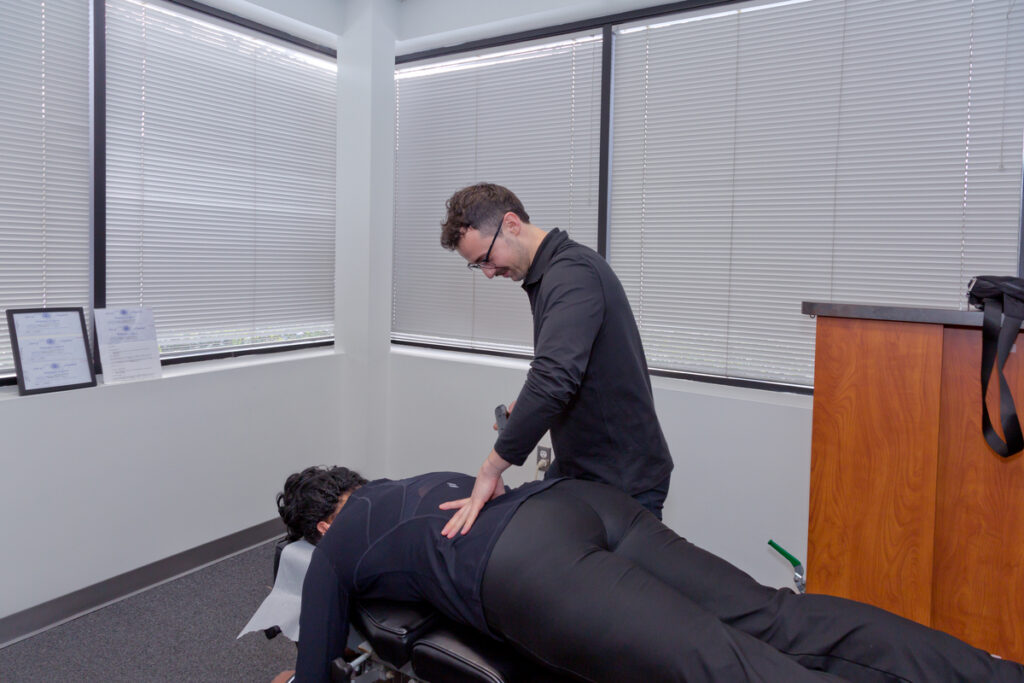

Managing chronic pain requires a thoughtful approach that embraces natural healing and wellness. As a chiropractor, I believe that you can take control of your health by focusing on holistic strategies that promote overall well-being. Regular chiropractic adjustments, combined with exercise, proper nutrition, and stress management techniques, can significantly improve how you feel day to day.
Chiropractic care is particularly effective in addressing the root causes of pain by ensuring that your spine is aligned and your nervous system is functioning optimally. This can lead to better mobility, reduced discomfort, and an overall sense of well-being.
So, what specific strategies can you implement today to start feeling better? Here are some effective methods:
- Regular Chiropractic Adjustments: Schedule consistent visits with a chiropractor to maintain spinal health. This not only alleviates pain but also promotes better overall function of your body.
- Exercise: Engage in low-impact activities like walking, swimming, or yoga. These forms of exercise can help strengthen your muscles, improve flexibility, and support your spinal health without putting excess strain on your body.
- Nutrition: Focus on a balanced diet rich in whole foods, including fruits, vegetables, lean proteins, and whole grains. Proper nutrition supports your body’s healing processes and can reduce inflammation, which may contribute to pain.
- Stress Management: Incorporate relaxation techniques such as deep breathing, meditation, or gentle stretching. Reducing stress can help lower muscle tension and improve your overall comfort.
- Posture Awareness: Be mindful of your posture throughout the day. Proper alignment can prevent unnecessary strain on your back and neck, helping to manage pain.
- Stay Hydrated: Drinking plenty of water is essential for maintaining spinal health and overall bodily functions. Dehydration can lead to muscle cramps and discomfort.
By implementing these strategies, you can take meaningful steps toward managing your chronic pain naturally. Remember, chiropractic care is an excellent choice for achieving optimal health and wellness, allowing you to live a more vibrant and pain-free life.
Key Takeaways
- Establish a strong support system comprised of friends, family, and support groups. This network not only provides emotional encouragement but also offers valuable shared coping strategies that can enhance your journey towards wellness.
- Regular physical activity is essential for everyone, especially those managing chronic pain. Simple activities like walking or gentle yoga can greatly improve flexibility, strength, and mood, while also helping to reduce pain sensitivity. Remember, chiropractic care can support your physical activity by ensuring proper spinal alignment, enhancing your overall mobility.
- Don’t overlook the importance of regular chiropractic visits. These appointments are crucial for maintaining spinal health, promoting natural healing, and ensuring your nervous system functions optimally. A well-aligned spine can significantly alleviate pain and improve your overall quality of life.
- Pay attention to your posture and ergonomics during daily activities and at work. Good posture minimizes strain on your spine and can prevent discomfort. Your chiropractor can provide tailored advice on how to maintain proper alignment throughout your day.
- Incorporate relaxation techniques such as mindfulness and deep breathing into your routine. These practices not only help manage stress but also improve your ability to cope with pain. Chiropractic care can complement these techniques, as a properly aligned spine supports your body’s natural healing processes, allowing you to feel more relaxed and at ease.
By focusing on these strategies and incorporating chiropractic care into your routine, you can take significant steps toward achieving optimal health and managing chronic pain naturally.
Understanding Chronic Pain
Understanding chronic pain can be a complex journey, especially since it often lingers long after an injury has healed. As a chiropractor, I want to help you navigate the intricacies of chronic pain and highlight the importance of natural healing and spinal health in your recovery. It’s completely normal to feel frustrated and confused; many people share similar experiences.
Chronic pain isn’t just about physical sensations; it also involves emotional and psychological factors that can significantly impact your daily life. It’s crucial to recognize that your experience is valid and that you aren’t alone in dealing with this condition. Many individuals find relief through chiropractic care, which focuses on addressing the root causes of pain, particularly those related to spinal health.
You may notice that your pain varies in intensity, making it challenging to predict how you’ll feel each day. This unpredictability can lead to feelings of anxiety and stress, potentially exacerbating your symptoms. One of the best ways to manage chronic pain is by understanding these emotional components and seeking support. Chiropractic care not only helps alleviate physical discomfort but also promotes overall wellness, which can reduce stress and anxiety.
Educating yourself about chronic pain and its underlying mechanisms is vital. Knowledge empowers you to make informed decisions about your treatment options. Chiropractic adjustments can help align your spine, improve mobility, and support your body’s natural healing processes. Additionally, incorporating practices such as regular exercise, proper nutrition, and stress management techniques can enhance your overall well-being.
Here are some general tips to help you on your journey towards pain relief and wellness:
- Stay Active: Engage in gentle exercises like walking or stretching to keep your body moving and promote blood flow.
- Maintain Good Posture: Pay attention to your posture while sitting, standing, or sleeping, as this can significantly affect your spinal health.
- Stay Hydrated: Drinking plenty of water supports overall health and can help reduce inflammation.
- Practice Relaxation Techniques: Consider mindfulness, meditation, or deep breathing exercises to manage stress and promote relaxation.
- Schedule Regular Chiropractic Visits: Regular adjustments can help keep your spine aligned and support your body’s natural ability to heal.
Importance of Regular Exercise
Regular exercise can significantly enhance your journey towards managing chronic pain, and as a chiropractor, I often emphasize its importance in achieving optimal health.
Engaging in physical activity not only increases your flexibility and strength but also uplifts your mood and energy levels.
This natural approach can help reduce pain sensitivity, allowing you to feel more comfortable in your daily life.
Incorporating exercise into your routine doesn’t have to be overwhelming.
Start with gentle movements like walking, stretching, or yoga, which can complement the benefits of chiropractic adjustments.
These activities can help keep your spine healthy and aligned, making it easier for your body to heal naturally.
Here are a few simple tips to get you started:
- Set Realistic Goals: Aim for short, manageable sessions of exercise throughout the week.
- Listen to Your Body: Pay attention to how your body feels during and after exercise. If something doesn’t feel right, don’t hesitate to consult with your chiropractor.
- Stay Consistent: Regularity is key. Make exercise a part of your routine, just like your chiropractic visits.
- Combine with Chiropractic Care: Schedule regular chiropractic sessions to enhance the benefits of your exercise routine. Adjustments can help ensure your spine is in the best condition to support your physical activities.
By embracing a lifestyle that includes regular exercise and chiropractic care, you can find relief from pain and promote a healthier, more vibrant life.
Enhances Flexibility and Strength
While it’s understandable to feel hesitant about exercising due to chronic pain, incorporating regular movement is crucial for enhancing flexibility and strength.
As a chiropractor, I want to emphasize that engaging in gentle activities can’t only help alleviate stiffness but also support healing and promote overall wellness. Here are four effective exercises that can complement your chiropractic care and help you feel better:
1. Stretching: Gentle stretches are a fantastic way to improve flexibility and relieve tension in your muscles. Try to incorporate simple stretches into your daily routine, especially after adjustments, to maintain that newfound range of motion.
2. Walking: This low-impact exercise is perfect for everyone, regardless of fitness level. Walking can be easily adapted to your comfort, making it a great way to build strength and endurance while keeping your joints healthy.
3. Swimming: If you have access to a pool, swimming can be a wonderful option. The buoyancy of water reduces stress on your joints while providing resistance to help build strength.
Plus, it’s a refreshing way to stay active!
4. Yoga: This practice isn’t only about flexibility; it also focuses on core strength and promotes mindfulness and relaxation. Many people find that yoga complements their chiropractic treatments, enhancing their overall well-being.
Remember, before starting any new exercise routine, it’s always a good idea to consult with your chiropractor. They can provide personalized recommendations based on your specific needs and help you create a plan that supports your health journey.
Boosts Mood and Energy
Engaging in physical activity isn’t only essential for enhancing flexibility and strength, but it also plays a vital role in boosting your mood and energy levels—two key components of overall wellness. When you exercise, your body releases endorphins, which act as natural mood lifters that can help reduce stress and anxiety. This is where chiropractic care can be particularly beneficial. By ensuring your spine is aligned and your nervous system is functioning optimally, chiropractic adjustments can enhance your body’s ability to produce these feel-good hormones.
Incorporating regular exercise into your routine can significantly improve how you feel throughout the day. Whether it’s a brisk walk, yoga, or light stretching at home, moving your body can elevate your spirits and provide a sense of accomplishment. Moreover, chiropractic care can help break the cycle of fatigue by relieving tension and improving your mobility.
This newfound liveliness will empower you to tackle daily tasks with greater ease and enthusiasm.
Reduces Pain Sensitivity
When you add exercise to your daily routine, you’re not just building a stronger body; you’re also taking important steps to reduce your sensitivity to pain. Regular physical activity encourages the release of endorphins—your body’s natural pain relievers—which means you’ll likely feel less discomfort as you continue.
Here’s how exercise can contribute to your overall wellness and pain relief:
- Improves Blood Flow: Better circulation delivers essential nutrients and oxygen to your muscles, which helps them recover more effectively. This is crucial for maintaining a healthy spine and overall body function.
- Increases Flexibility: Engaging in stretching and strength training can decrease stiffness in your body. A flexible body is more resilient to pain, especially when it comes to spinal health.
- Promotes Weight Management: Keeping a healthy weight reduces stress on your joints and spine. This can lead to lower pain levels and improved mobility, making everyday activities much easier.
- Boosts Mental Resilience: Regular exercise not only strengthens your body but also enhances your ability to cope with pain. It can improve your mood and provide a sense of accomplishment, which is beneficial for your overall well-being.
Remember, while exercise is important, it’s essential to pair it with regular chiropractic care. A chiropractor can help ensure your spine is aligned and functioning properly, which can further reduce pain and enhance your quality of life.
By working together, you can create a holistic approach to health that empowers you to live pain-free.
Incorporate these tips into your daily life, and you’ll be on your way to feeling better and moving with ease!
Nutrition and Its Role in Pain Management
Nutrition plays a vital role in managing chronic pain, especially when it comes to supporting your overall health and reducing inflammation. As a chiropractor, I believe that combining good nutrition with chiropractic care can lead to the best outcomes for pain relief and natural healing. By choosing the right foods, you can make a positive impact on how you feel. Here’s a straightforward guide to help you make healthier nutritional choices:
| Food Group | Anti-Inflammatory Foods | Foods to Avoid |
|---|---|---|
| Fruits | Berries, Cherries | Processed Sugars |
| Vegetables | Leafy Greens, Broccoli | Nightshade Veggies |
| Proteins | Fatty Fish, Nuts | Red Meat |
| Grains | Whole Grains | Refined Carbs |
| Fats | Olive Oil, Avocado | Trans Fats |
Incorporating more anti-inflammatory foods into your diet and steering clear of those that can trigger inflammation is a great way to enhance your pain management efforts. Remember, these don’t have to be major changes; even small adjustments can lead to significant improvements in your comfort and overall well-being.
As you explore these dietary adjustments, consider how they work in tandem with chiropractic adjustments to support your body’s natural healing processes. Chiropractic care focuses on aligning your spine, which can improve nerve function and promote better health throughout your entire body. Together, proper nutrition and chiropractic adjustments can help you achieve optimal health and wellness.
For a healthier lifestyle, aim to:
- Start your day with a breakfast rich in whole grains and fruits.
- Snack on nuts instead of processed snacks.
- Use olive oil as your go-to for cooking and dressings.
- Incorporate a variety of colorful vegetables into your meals.
Stress Management Techniques
Managing chronic pain effectively involves not only nutrition but also essential stress management techniques. When stress levels rise, your body can tense up, which may exacerbate your pain.
Integrating stress management methods into your daily routine can significantly enhance your physical and mental well-being. Here are four practical techniques to consider, along with how chiropractic care can support these practices:
- Deep Breathing: Take a few minutes each day to focus on your breath. Inhale deeply through your nose, hold for a moment, and exhale slowly through your mouth. This simple exercise helps relax your mind and body. Coupling deep breathing with chiropractic adjustments can further help release tension in your spine, promoting a sense of calm.
- Mindfulness Meditation: Try to be present in the moment. Mindfulness can help reduce anxiety and improve your pain management. Regular chiropractic care can enhance your overall mental clarity and stress resilience, allowing you to make the most of your meditation practice.
- Physical Activity: Engage in gentle activities like walking or yoga, which can be beneficial for both your body and mind. Movement helps release endorphins, the body’s natural painkillers, and can elevate your mood. Chiropractic care can optimize your movement mechanics, ensuring you stay active without strain.
- Connect with Others: Reach out to friends or consider joining a support group. Sharing your feelings can relieve stress and offer valuable emotional support. Additionally, a chiropractic community can provide a network of like-minded individuals focused on health and wellness.
Incorporating these techniques into your life can empower you to manage chronic pain more effectively. Remember, chiropractic care is a natural and holistic approach to achieving optimal health and well-being, enabling you to live a healthier, pain-free life.
Sleep Hygiene for Pain Relief
Getting enough quality sleep is vital for managing chronic pain effectively. As a chiropractor, I often see how poor sleep can worsen discomfort, making it crucial to establish strong sleep hygiene practices. Start by setting a consistent sleep schedule; aim to go to bed and wake up at the same time every day. This helps regulate your body clock, which is essential for overall wellness.
Creating a calming bedtime routine can also signal to your body that it’s time to wind down and prepare for restful sleep. Here’s a handy reference table to guide you in improving your sleep hygiene:
| Sleep Hygiene Tips | Benefits | Implementation |
|---|---|---|
| Maintain a sleep schedule | Regulates your body clock | Set alarms to remind you of bedtime |
| Limit screen time | Reduces blue light exposure, improving sleep quality | Turn off devices 1 hour before bed |
| Create a restful environment | Promotes relaxation and comfort | Keep your bedroom dark, quiet, and cool |
Alternative Therapies and Complementary Approaches
Beyond sleep hygiene, exploring alternative therapies and complementary approaches can greatly enhance your journey to managing chronic pain. While chiropractic care is often the most effective and natural method for achieving optimal health and pain relief, these additional methods can also provide support and relief. Here are four options to consider that can complement your chiropractic care:
- Acupuncture: This ancient technique involves gently inserting thin needles into specific points on the body. It can help stimulate healing and reduce pain, working well alongside your chiropractic adjustments.
- Massage Therapy: Regular massage can be incredibly beneficial. It helps to alleviate muscle tension, enhances circulation, and promotes relaxation, all of which can support the benefits of chiropractic care and improve your overall well-being.
- Mindfulness and Meditation: Practicing mindfulness and meditation can be a powerful tool in managing pain. By focusing your mind and reducing stress, you can create a more positive environment for healing. This mental clarity can enhance the effectiveness of your chiropractic treatments.
- Herbal Supplements: While you should always consult with your chiropractor before adding any supplements to your routine, certain natural options like turmeric or ginger may help reduce inflammation and support your body’s healing processes.
Ergonomics and Body Mechanics
To manage chronic pain effectively, understanding ergonomics and body mechanics is crucial. As your local chiropractor, I believe that making thoughtful adjustments to your posture and workspace can lead to significant improvements in your comfort and overall well-being. By incorporating movement and stretching into your daily routine, you can support your spine’s health and promote natural healing.
Here are some simple tips to help you set up your environment for optimal comfort:
- Posture Matters: Pay attention to how you sit. Make sure your back is straight, shoulders relaxed, and feet flat on the floor. This will help maintain proper alignment and reduce strain on your spine.
- Ergonomic Workspace: Adjust your desk and chair to fit your body. Your computer screen should be at eye level, and your chair should provide good lumbar support. This helps prevent slouching and encourages a healthier sitting position.
- Take Breaks and Move: Don’t forget to get up and stretch regularly! Simple stretches can relieve tension and improve circulation. Whether it’s a quick walk or a few gentle stretches, movement is key to avoiding stiffness.
- Listen to Your Body: If you experience discomfort, don’t ignore it. Adjust your position or take a moment to rest. Being aware of how your body feels can help you make adjustments before pain becomes chronic.
- Chiropractic Care: Regular visits to your chiropractor can help ensure your spine remains aligned and functioning optimally. Chiropractic adjustments are a natural way to relieve pain and enhance your body’s ability to heal itself.
Proper Posture Techniques
Maintaining proper posture is vital not only for managing chronic pain but also for promoting overall health and wellness.
As a chiropractor, I want to share some effective techniques to help you improve your posture and support your spine naturally:
- Sit Up Straight: When you sit, focus on keeping your back straight and your shoulders relaxed. Your feet should be flat on the floor to provide a stable base. This simple adjustment can significantly alleviate pressure on your spine.
- Align Your Ears and Shoulders: Make sure your ears are aligned with your shoulders. This alignment helps prevent slouching, which can lead to discomfort and pain over time. Think of a string pulling your head gently upwards to keep you tall and aligned.
- Choose Supportive Seating: Opt for chairs that offer good lumbar support. A chair that encourages the natural curve of your spine can make a big difference in your posture and comfort level. This support can help you maintain a healthy spine and reduce tension.
- Take Regular Breaks: Don’t forget to stand up, stretch, or walk every hour. Taking these short breaks can relieve muscle tension and promote better circulation. It’s a simple yet effective way to keep your body feeling good throughout the day.
By incorporating these techniques into your daily routine, you can support your spine and overall health.
Remember, chiropractic care is a powerful tool for achieving optimal wellness and relieving pain naturally.
Prioritizing your posture is a great step towards a healthier, pain-free life!
Workspace Setup Essentials
Creating an ergonomic workspace is essential not only for enhancing your productivity but also for managing chronic pain and promoting overall wellness. As a chiropractor, I understand the significant impact that your work environment can have on your spinal health. Here are some practical tips to help you create a workspace that supports your body and well-being.
- Chair: Choose an adjustable chair with lumbar support. This helps maintain the natural curve of your lower back, reducing strain and discomfort. Make sure your feet are flat on the ground for proper alignment.
- Desk: Opt for a height-adjustable desk. This allows you to switch between sitting and standing, promoting better posture and reducing the risk of back pain. When seated, your elbows should be at a 90-degree angle when typing.
- Monitor: Position your monitor at eye level and at arm’s length. This minimizes strain on your neck and eyes, helping you to maintain a more comfortable posture throughout your workday.
Here’s a quick reference table for key workspace elements that can enhance your health and productivity:
| Element | Ideal Setup | Benefits |
|---|---|---|
| Chair | Adjustable with lumbar support | Reduces back pain and promotes spinal alignment |
| Desk | Height adjustable | Encourages proper posture and movement |
| Monitor | At eye level and arm’s length | Minimizes neck and eye strain |
Movement and Stretching Tips
Incorporating movement and stretching into your daily routine is essential for alleviating chronic pain and enhancing your overall well-being, especially when coupled with the benefits of chiropractic care.
Here are some effective tips to help you get started on your journey to better health:
- Set Reminders: Use your phone or calendar to remind you to take short movement breaks every hour. These breaks are crucial for maintaining spinal health and preventing stiffness.
- Gentle Stretching: Simple stretches like neck rolls and shoulder shrugs can relieve tension in your muscles and improve flexibility. Regular stretching helps keep your spine aligned and reduces discomfort.
- Walking: Aim for at least 10 minutes of walking daily. Walking not only promotes circulation and flexibility but also supports spinal stability. It’s a great way to keep your body moving without putting too much strain on your joints.
- Ergonomic Exercises: Engage in exercises tailored to your work setup, such as seated leg lifts or wrist stretches. These movements can help counteract the effects of prolonged sitting and maintain proper spinal alignment.
Remember, chiropractic care is a fantastic option for achieving optimal health and natural pain relief.
By incorporating these simple movement and stretching tips into your daily routine, you can enhance your overall wellness and support your spine. If you ever experience persistent pain, consider visiting your local chiropractor for personalized care and guidance.
Your journey to a healthier lifestyle starts with small steps!
Building a Support System
Building a strong support system can significantly improve your ability to manage chronic pain and enhance your overall wellness. Surrounding yourself with understanding friends, family, and professionals can provide both emotional comfort and practical assistance, all of which are essential for your journey to better health.
| Support Types | Benefits |
|---|---|
| Friends and Family | Emotional support & encouragement |
| Chiropractic Care | Natural pain relief & wellness guidance |
| Support Groups | Shared experiences & coping strategies |
Consider reaching out to those who’ve faced similar challenges. They can offer insights that resonate with your situation and help you feel less alone. Engaging with a chiropractor ensures you receive expert advice tailored to your specific needs. Chiropractic care focuses on natural healing and can help relieve pain while promoting overall wellness through spinal adjustments and lifestyle recommendations.
Additionally, support groups can foster a sense of community, allowing you to share experiences and coping strategies with others who understand your journey. By cultivating these relationships and incorporating chiropractic care into your routine, you’ll find the strength to navigate your chronic pain journey more effectively.
Here are some general tips for creating your support system:
- Communicate openly with friends and family about your needs.
- Schedule regular visits with your chiropractor to stay on track with your pain management.
- Join local or online support groups to connect with others who share similar experiences.
- Practice self-care by engaging in activities that bring you joy and relaxation.
Conclusion
Managing chronic pain effectively involves a proactive approach, and chiropractic care is a cornerstone of achieving optimal health and wellness. By incorporating regular movement into your routine, you can enhance your body’s natural ability to heal and function. Prioritizing sleep is also essential, as restorative rest helps your body recover and reduces pain sensitivity.
Nutrition plays a vital role in your overall well-being. Fueling your body with nutrient-dense foods can support healing and reduce inflammation. Additionally, don’t underestimate the impact of stress management on your pain levels. Techniques like deep breathing, meditation, or gentle yoga can help calm your mind and reduce tension in your body.
It’s also important to adopt ergonomic practices in your daily life, whether at work or home. Proper posture and body mechanics can help prevent strain and discomfort, making your daily activities easier and more enjoyable.
Exploring alternative therapies, such as massage or acupuncture, can complement your chiropractic care and enhance your healing journey. Building a supportive network around you—friends, family, and healthcare providers—can offer encouragement and understanding as you navigate your path to relief.
Remember, you don’t have to face chronic pain alone. With the right tools and the support of chiropractic care, you can take meaningful steps toward a more comfortable and fulfilling life. Embrace these strategies and empower yourself to live pain-free!