
If you’ve ever felt a sharp, shooting pain down your leg, a nagging ache in your lower back, or a sudden weakness in your arm, there’s a good chance a spinal disc injury may be involved. These injuries are more common than most people realize, and here in Columbia, MD, patients come into Living Wellness Chiropractic every week with exactly these kinds of concerns. The good news? Understanding what’s happening in your spine is the first step toward feeling better — and you don’t have to figure it out alone.
Spinal disc injuries can sound intimidating, but with the right information and the right care team, most people find real relief through conservative, non-invasive approaches. This article is designed to walk you through everything you need to know about spinal disc injuries — what they are, what causes them, how they feel, and what you can do about them.
What Is a Spinal Disc Injury?
A spinal disc injury occurs when one or more of the soft, cushion-like discs between the vertebrae of your spine become damaged, displaced, or degenerated. These discs act as shock absorbers for your spine, and when something goes wrong with them, it can affect surrounding nerves, muscles, and even your overall quality of life. Disc injuries range from mild irritation to significant structural damage, and they can occur in the neck, mid-back, or lower back.
What Are Spinal Discs and What Do They Do?
Your spine is made up of 24 movable vertebrae stacked on top of one another. Between each vertebra sits an intervertebral disc — a small but remarkably important structure. Each disc has two main components: a tough outer layer called the annulus fibrosus, and a soft, gel-like center called the nucleus pulposus. Together, these two parts allow your spine to flex, rotate, and bear load without bone grinding against bone.
Think of a spinal disc like a jelly donut. The outer ring is firm enough to hold everything in place, but the inside is soft and pliable. When that outer ring is stressed, weakened, or torn, the inner material can shift or escape — and that’s often where the pain begins. Discs don’t have a significant blood supply, which is part of why they can be slow to heal and why early care matters so much.
Healthy discs also maintain the height and spacing between vertebrae, which protects the nerve roots that exit the spinal column at every level. When disc integrity is compromised, those nerve roots can become compressed or irritated, leading to the wide range of symptoms that spinal disc injuries are known for.
Common Causes of Spinal Disc Injuries
Spinal disc injuries don’t always happen dramatically. Many of the patients Dr. Connor Reed sees at Living Wellness Chiropractic are surprised to learn that their disc injury didn’t come from a single traumatic event — it developed gradually over time. That said, there are both acute and chronic causes worth understanding.
Repetitive stress and poor posture are among the most common contributors. Sitting for extended periods, especially with rounded shoulders or a forward head posture, places uneven pressure on the discs in your neck and lower back. Over time, this cumulative stress can weaken the disc’s outer layer and make it more vulnerable to injury. Columbia, MD is home to many professionals who work long hours at desks, and these postural patterns are something the team at Living Wellness Chiropractic addresses regularly.
Acute trauma is another major cause. A car accident, a fall, or a sudden awkward lifting movement can place enormous force on the spine in a fraction of a second. This type of sudden loading can cause a disc to herniate or rupture almost immediately. Heavy lifting with improper form — particularly bending forward at the waist rather than squatting with the legs — is a classic scenario for a lower back disc injury.
Age-related disc degeneration also plays a significant role. As we get older, the water content within our discs decreases naturally. This makes them less flexible, less shock-absorbent, and more prone to cracking or collapse under pressure. While this process is normal, it can be accelerated by poor habits, lack of movement, smoking, and inadequate hydration.
Types of Spinal Disc Injuries
Not all disc injuries are the same, and understanding the differences can help you make sense of what your imaging or examination findings actually mean. Dr. Connor Reed at Living Wellness Chiropractic takes time to walk each patient through their specific diagnosis, because a well-informed patient is better equipped to participate in their own recovery.
Disc Bulge: This is often considered the mildest form of disc injury. A bulging disc occurs when the outer layer of the disc extends beyond its normal boundary but remains intact. The gel-like center hasn’t broken through the outer wall. Bulging discs may cause discomfort or be entirely asymptomatic, depending on whether they’re pressing on nearby nerves or soft tissue.
Disc Herniation: A herniated disc — sometimes called a “slipped disc” — occurs when the nucleus pulposus breaks through or becomes pushed out through a tear in the annulus fibrosus. This is the most commonly diagnosed type of disc injury and is frequently associated with leg pain (sciatica) when it occurs in the lumbar spine, or arm pain and numbness when it occurs in the cervical spine.
Disc Protrusion: This is a specific type of herniation in which the disc material pushes outward in a localized area, creating a focal bulge. It can be directional — pressing backward toward the spinal canal or sideways toward a nerve root — and its symptoms vary depending on which structures are affected.
Disc Extrusion: In this more advanced form of herniation, the inner disc material has broken through the outer wall entirely but remains connected to the disc. This can cause significant nerve compression and more intense, persistent symptoms.
Disc Sequestration: The most severe type, sequestration occurs when a fragment of disc material separates completely and floats freely within the spinal canal. This can cause serious neurological symptoms and may require more aggressive intervention.
Degenerative Disc Disease: Despite its name, degenerative disc disease (DDD) is not technically a disease — it’s a term used to describe the progressive wearing down of discs over time. It can coexist with other types of disc injuries and contributes to chronic neck and back pain in many adults.
Signs and Symptoms to Watch For
The symptoms of a spinal disc injury depend heavily on which disc is affected, how severe the injury is, and whether any nerves are being compressed. Some people have significant disc damage on imaging but feel very little pain, while others have moderate injuries that cause debilitating symptoms. The nervous system’s involvement — or lack thereof — often makes the biggest difference.
In the lower back, disc injuries frequently produce localized pain that worsens with sitting, bending forward, or coughing. When a disc irritates the sciatic nerve, pain can radiate down one or both legs — sometimes all the way to the foot. This is commonly described as a burning, shooting, or electric sensation, and it may be accompanied by numbness or tingling.
Cervical (neck) disc injuries often cause pain that radiates into the shoulders, arms, or hands. Patients may notice weakness when gripping objects or difficulty with fine motor tasks. Headaches at the base of the skull are also a frequent complaint when the upper cervical discs are involved.
In the thoracic spine (mid-back), disc injuries are less common but can cause band-like pain that wraps around the ribcage, sometimes mimicking the symptoms of a cardiac or pulmonary condition. This is one reason why a thorough chiropractic evaluation is so important — proper diagnosis guides proper care.
Muscle spasms surrounding the injured area are also typical, as the body naturally guards around a painful or unstable structure. While this protective response makes sense short-term, prolonged muscle tension can create its own cycle of pain and dysfunction.
How Chiropractic Care Fits In
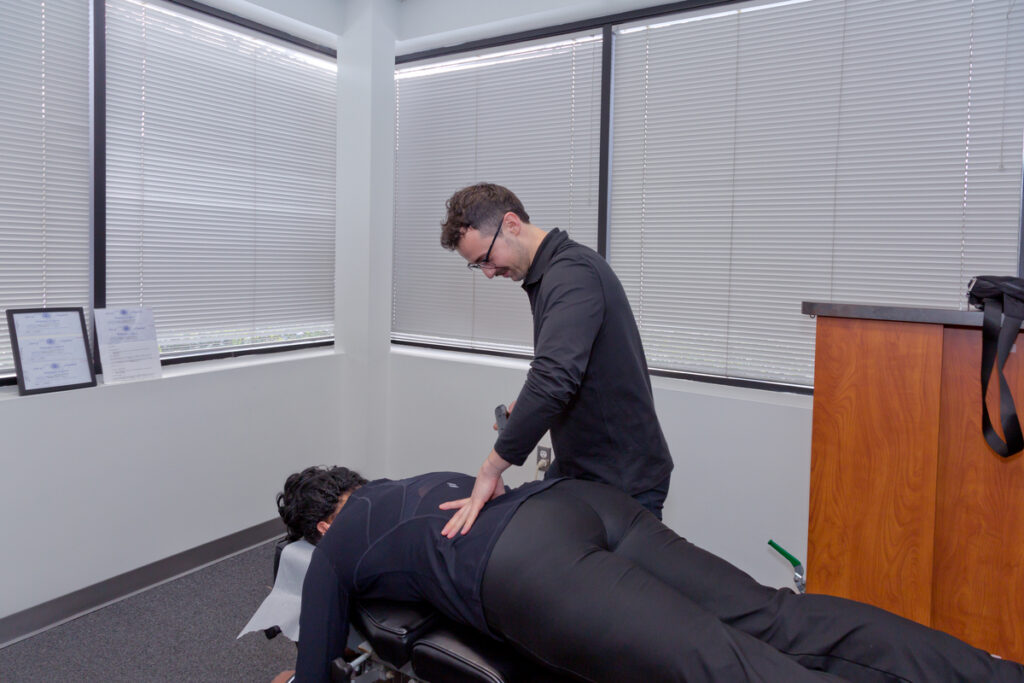
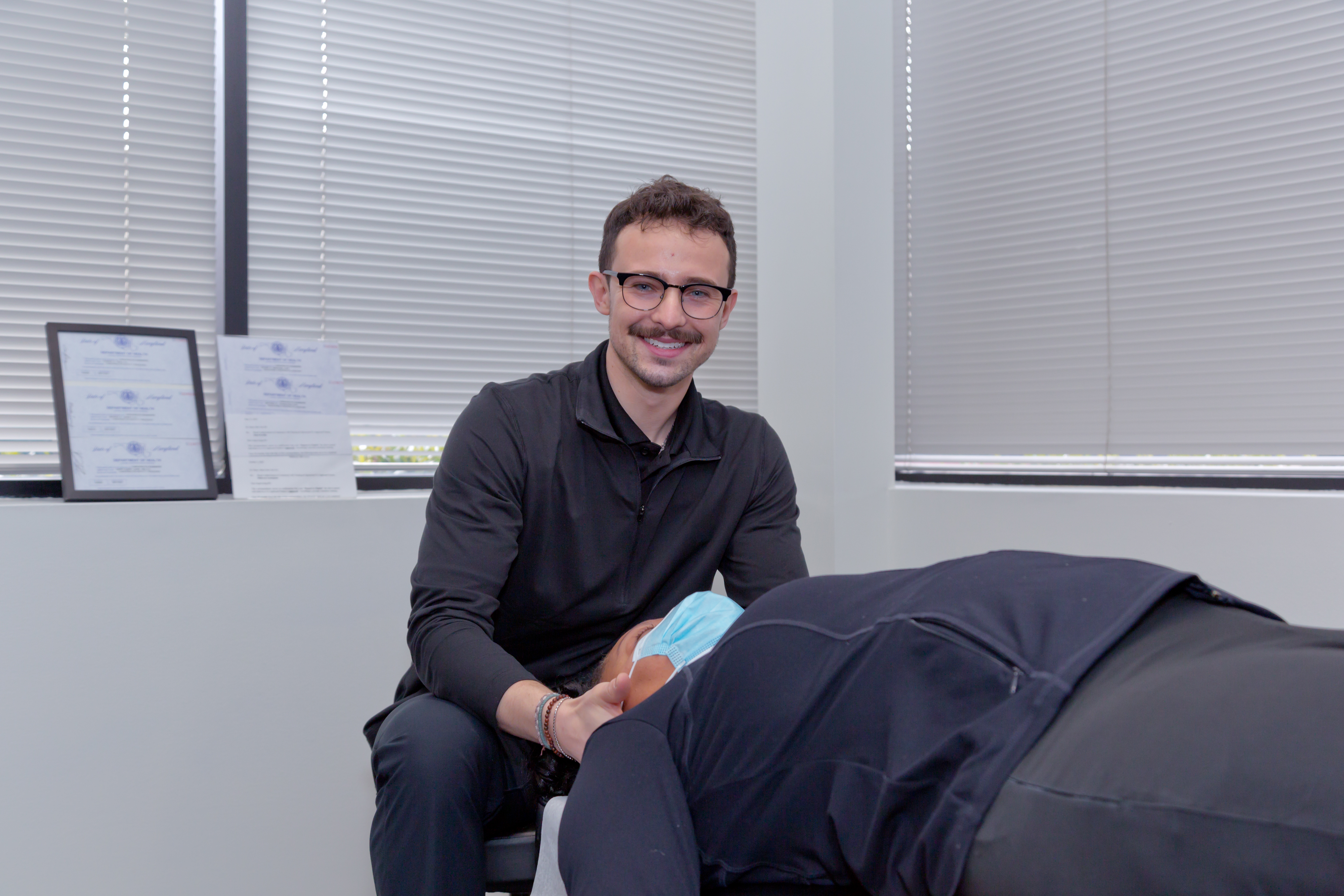
Chiropractic care is widely recognized as a conservative, non-invasive approach to managing spinal disc injuries. Organizations like the American College of Physicians (ACP) have recommended spinal manipulation and other conservative therapies as first-line options for many types of back and neck pain. At Living Wellness Chiropractic in Columbia, MD, Dr. Connor Reed takes a thorough, individualized approach to evaluating and caring for patients with disc-related concerns.
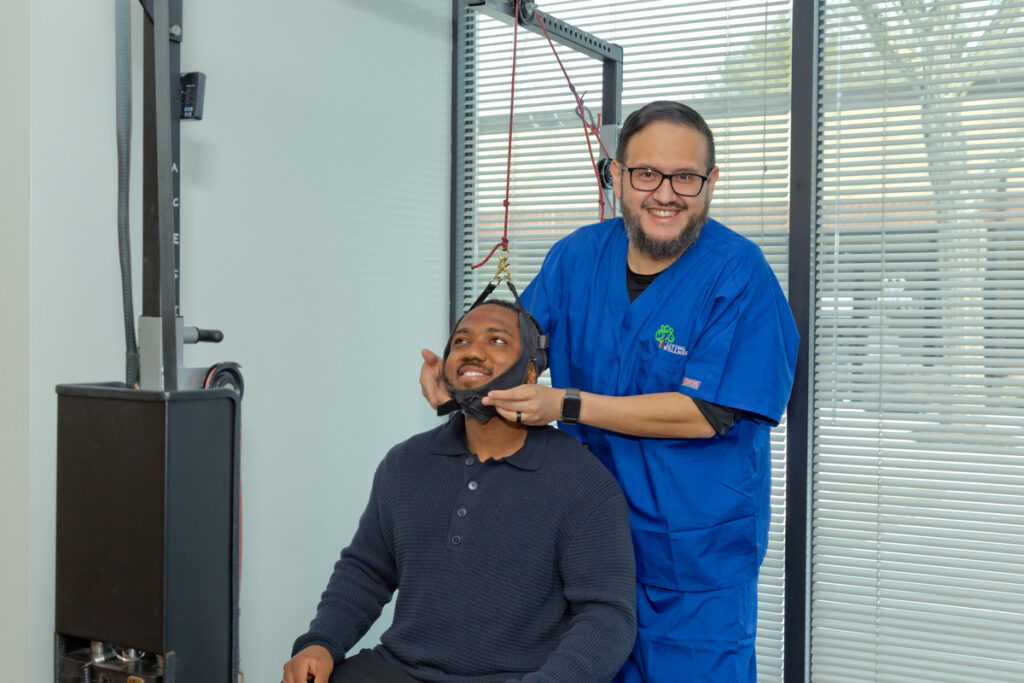
Chiropractic adjustments aim to restore proper movement and alignment to the spine, which can help reduce nerve irritation, decrease muscle tension, and improve overall spinal function. For disc injuries specifically, gentle mobilization techniques and traction-based approaches are often used to help take pressure off the affected disc and surrounding nerves. Care is always tailored to the individual — what works well for one patient may not be appropriate for another.
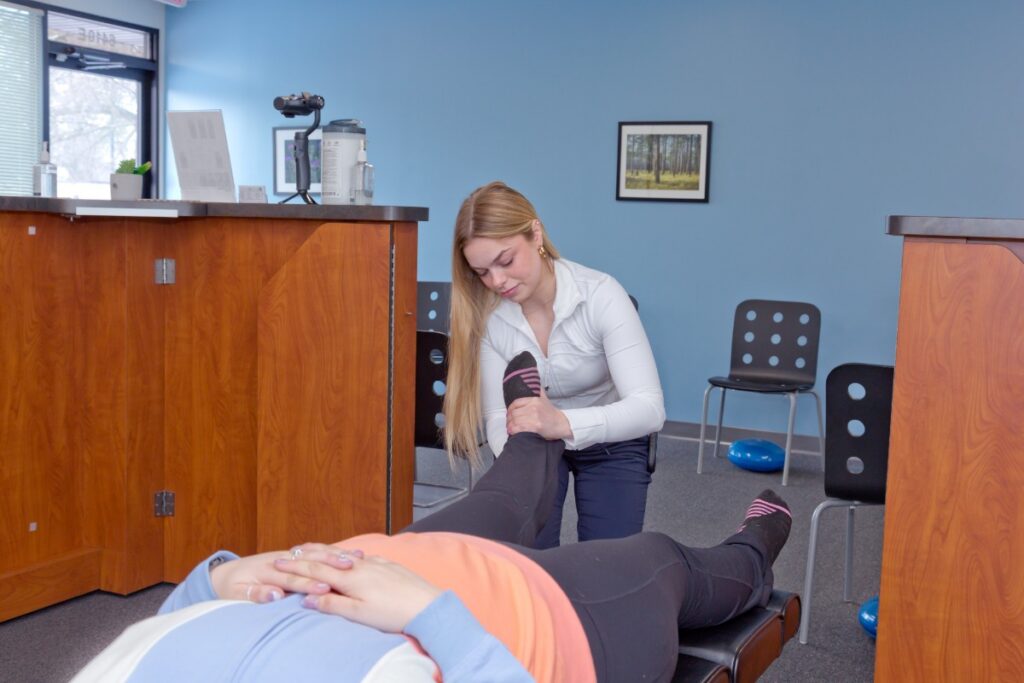
Beyond adjustments, the chiropractors at Living Wellness Chiropractic may also incorporate soft tissue therapy, rehabilitative exercises, and postural coaching into a patient’s plan. These complementary strategies support healing, strengthen the muscles that support the spine, and help reduce the likelihood of reinjury. The goal is never just to manage pain — it’s to help each patient move and live better over the long term.
Evidence from sources including the Cochrane Library and the NIH’s National Center for Complementary and Integrative Health (NCCIH) suggests that spinal manipulation and chiropractic care can be effective for reducing pain and improving function in patients with disc-related back and neck conditions. While chiropractic care isn’t the right fit for every situation, it’s a well-supported starting point for many people experiencing disc pain.
Practical Tips for Protecting Your Spine
Whether you’re currently dealing with a disc injury or simply want to protect your spinal health going forward, there are meaningful steps you can take every day. These aren’t complicated — they’re small, consistent habits that add up over time.
First, pay attention to how you sit. If you work at a desk, make sure your chair supports the natural curve of your lower back, your feet are flat on the floor, and your monitor is at eye level. Avoid slouching or craning your neck forward toward your screen. Setting a timer to remind yourself to stand and move every 30 to 45 minutes can make a real difference in how your spine feels by the end of the day.
When lifting — whether it’s a box, a child, or groceries — bend at the hips and knees, not at the waist. Keep the object close to your body and avoid twisting your spine while bearing weight. These lifting mechanics are especially important for anyone recovering from a lumbar disc injury.
Staying hydrated is more important for your discs than most people realize. Intervertebral discs rely on water to maintain their height and shock-absorbing capacity. Chronic dehydration can accelerate disc degeneration over time.
Regular movement is also essential. Gentle walking, swimming, and low-impact activity help circulate nutrients to spinal tissues and prevent the stiffness that comes with prolonged inactivity. If you’ve been told to rest completely because of a disc injury, it’s worth asking your chiropractor what level of movement is actually appropriate for your situation — complete bed rest is rarely recommended for disc pain anymore.
When to See a Chiropractor
If you’re experiencing persistent back or neck pain that hasn’t improved after a week or two, radiating pain into your arms or legs, unexplained numbness or tingling, or pain that worsens with sitting or coughing, it’s a good time to schedule an evaluation. Dr. Connor Reed at Living Wellness Chiropractic in Columbia, MD is experienced in assessing these types of presentations and determining whether chiropractic care is appropriate for your situation.
Early evaluation matters. The longer a disc injury goes unaddressed, the more likely secondary complications — such as muscle weakness, altered movement patterns, or nerve irritation — are to develop. Getting a clear picture of what’s happening in your spine allows your care team to design a plan that actually fits your needs.
There are also situations where chiropractic care alone may not be the right answer, and a good chiropractor will always tell you so. Red flags that warrant urgent medical attention include loss of bladder or bowel control, progressive leg weakness, severe pain following trauma, or signs of spinal cord compression. These symptoms require immediate evaluation by a medical physician or emergency care provider. At Living Wellness Chiropractic, co-managing care with other healthcare providers when appropriate is part of the commitment to patient well-being.
|
Type of Disc Injury |
What Happens |
Common Symptoms |
Typical Location |
|---|---|---|---|
|
Disc Bulge |
Outer layer extends beyond normal boundary; remains intact |
Mild local pain or no symptoms |
Lumbar or cervical spine |
|
Disc Herniation |
Inner gel pushes through a tear in the outer layer |
Radiating pain, numbness, tingling into arm or leg |
Lumbar or cervical spine |
|
Disc Protrusion |
Focal outward push of disc material |
Nerve root irritation, local or referred pain |
Lumbar spine most common |
|
Disc Extrusion |
Inner material fully breaks through outer wall |
Significant nerve compression, intense pain |
Lumbar or cervical spine |
|
Disc Sequestration |
Fragment separates and floats freely in spinal canal |
Severe neurological symptoms, possible motor loss |
Lumbar spine |
|
Degenerative Disc Disease |
Progressive thinning and drying of disc over time |
Chronic stiffness, aching, reduced range of motion |
Throughout the spine |
Myths vs. Facts About Spinal Disc Injuries
Myth: A “slipped disc” means your disc has actually slipped out of place.
Fact: The term “slipped disc” is a colloquial expression, not an anatomical description. Discs are securely attached to the vertebrae above and below them — they don’t literally slip. What actually happens is that the disc material bulges, herniates, or degenerates. Understanding this distinction helps reduce the fear often associated with a disc diagnosis.
Myth: If you have a disc injury, you need surgery.
Fact: The vast majority of spinal disc injuries resolve or improve significantly with conservative care — including chiropractic, physical therapy, and appropriate activity modification. Surgery is generally considered only when conservative approaches have been exhausted or when serious neurological compromise is present. Most patients never need surgical intervention.
Myth: Rest is the best treatment for a disc injury.
Fact: While a short period of relative rest may be appropriate immediately after an acute injury, prolonged bed rest has not been shown to improve disc-related pain — and can actually make things worse. Gentle, guided movement and exercise are typically a core part of recovery. The chiropractors at Living Wellness Chiropractic help patients understand exactly what level of activity is safe and beneficial for their specific situation.
Myth: Disc injuries only affect older people.
Fact: While disc degeneration does become more common with age, disc herniations and injuries can and do occur in younger adults, teenagers, and even children. Factors like heavy manual labor, high-impact sports, poor posture habits, and genetics can all contribute to early-onset disc problems.
Myth: If your pain goes away, the disc injury is healed.
Fact: Pain relief is important, but it doesn’t always mean the underlying structural issue has fully resolved. Disc injuries can remain vulnerable to re-injury if the supporting musculature isn’t rehabilitated and postural habits aren’t corrected. This is why the team at Living Wellness Chiropractic emphasizes ongoing spinal wellness, not just symptom management.
Final Thoughts from Living Wellness Chiropractic in Columbia, MD
Living with a spinal disc injury can be frustrating, frightening, and exhausting — but it doesn’t have to define your daily life. Here at Living Wellness Chiropractic, we believe that every patient in the Columbia, MD community deserves clear, honest information and compassionate care. Dr. Connor Reed is committed to meeting each patient where they are, helping them understand their condition, and building a care plan that makes sense for their individual needs and goals.
If you’ve been dealing with back pain, neck pain, or any of the symptoms described in this article, we encourage you to take that first step toward answers. You don’t have to live in pain, and you don’t have to navigate this alone. Our doors are open to the Columbia community, and we’d be honored to be part of your journey back to feeling well.
Frequently Asked Questions About Spinal Disc Injuries
Can a chiropractor treat a herniated disc?
Yes, chiropractic care is a well-recognized conservative approach for managing herniated disc symptoms. Chiropractors use techniques like spinal manipulation, mobilization, and therapeutic exercises to reduce nerve irritation and improve spinal function. The appropriateness of chiropractic care depends on the severity of the injury and will be assessed during your initial evaluation.
How long does it take to recover from a spinal disc injury?
Recovery timelines vary widely depending on the type and severity of the injury, the individual’s overall health, and how consistently they follow their care plan. Many patients begin to notice improvement within a few weeks of starting conservative care, though more significant injuries may take several months to fully resolve.
Is it safe to exercise with a disc injury?
In most cases, appropriate movement and exercise are actually encouraged during disc injury recovery. The key word is “appropriate” — the type, intensity, and timing of exercise should be guided by your chiropractor or healthcare provider based on your specific diagnosis. Exercising incorrectly can aggravate symptoms, while the right movements can speed healing.
What’s the difference between a bulging disc and a herniated disc?
A bulging disc occurs when the outer layer of the disc extends beyond its normal perimeter but remains intact. A herniated disc involves the inner gel-like material actually breaking through a tear in the outer layer. Herniations are generally more likely to cause significant nerve-related symptoms, though both conditions can vary widely in severity.
Can spinal disc injuries cause symptoms far from my back?
Yes — this is one of the most common sources of confusion for patients. When a disc presses on a nerve root, pain, numbness, or tingling can radiate along the path of that nerve, sometimes all the way down the leg or into the hand. This is why back or neck problems can cause symptoms that seem entirely unrelated to the spine.
Should I get an MRI if I think I have a disc injury?
Imaging like MRI can be helpful in confirming a disc injury diagnosis, but it’s not always necessary as a first step. Many chiropractors will conduct a thorough orthopedic and neurological examination first to assess your condition. If imaging is needed to guide care decisions, your provider will discuss that recommendation with you.
TL;DR — Key Takeaways
-
Spinal disc injuries occur when the cushioning discs between vertebrae are damaged, displaced, or degenerated — they range from mild bulges to complete sequestrations.
-
Common causes include poor posture, repetitive stress, acute trauma, and age-related degeneration.
-
Symptoms can include local back or neck pain, radiating limb pain, numbness, tingling, and muscle weakness, depending on whether nerves are involved.
-
Chiropractic care is a well-supported conservative option for many types of disc injuries, focused on reducing nerve irritation, restoring movement, and supporting long-term spinal health.
-
Dr. Connor Reed at Living Wellness Chiropractic in Columbia, MD is here to help you understand your condition and find a care path that works for you.