
That uncomfortable tingling in your arm. The burning sensation down your leg. The weird numbness in your fingers that won’t go away. If you’ve experienced any of these sensations, you’re not alone. Here at Living Wellness Chiropractic in Columbia, MD, we see patients every week who are struggling with these exact symptoms, often confused about what’s causing them and worried about what they mean. The good news is that many of these uncomfortable sensations stem from a common issue: a pinched nerve. Understanding what’s happening in your body is the first step toward finding relief and getting back to your normal activities.
What Is a Pinched Nerve?
A pinched nerve occurs when surrounding tissues—such as bones, muscles, tendons, or discs—apply excessive pressure to a nerve. This compression disrupts the nerve’s normal function, leading to pain, numbness, tingling, or weakness in the affected area. The medical term is “nerve compression” or “radiculopathy” when it involves spinal nerves.
Table of Contents
- Recognizing Pinched Nerve Symptoms
- Common Locations Where Nerves Get Pinched
- What Causes Nerve Compression?
- How Chiropractic Care Can Help
- Practical Self-Care Tips
- When to See a Chiropractor
- Myths vs. Facts About Pinched Nerves
- Final Thoughts
Recognizing Pinched Nerve Symptoms
Pinched nerve symptoms can vary depending on which nerve is affected and where the compression occurs. Many patients describe their symptoms differently, which is why it’s helpful to understand the full range of sensations that might indicate nerve compression.
Numbness is one of the most common signs. You might feel like a body part has “fallen asleep” even though you haven’t been sitting or lying in an awkward position. This sensation occurs because the compressed nerve can’t properly transmit sensory information.
Tingling, often described as “pins and needles,” happens when nerve signals become disrupted. Patients in Columbia frequently tell us it feels like tiny electrical currents running through their arms, hands, legs, or feet. This sensation may come and go or persist throughout the day.
Burning sensations can range from mild warmth to intense, fire-like discomfort. This occurs when irritated nerve fibers send pain signals to your brain. Some people describe it as a sunburn-like feeling beneath the skin.
Radiating pain is another hallmark symptom. Instead of staying localized, the discomfort travels along the nerve pathway. For example, a pinched nerve in your neck might cause pain that shoots down your shoulder, arm, and into your fingers.
Weakness in the affected area can develop over time. You might notice difficulty gripping objects, holding your arm overhead, or walking normally. This happens because motor nerve signals aren’t reaching the muscles properly.
Many patients also report that symptoms worsen with certain movements or positions. Turning your head, bending forward, or even lying down in specific ways might intensify the discomfort. This positional component provides important clues about where the nerve compression is occurring.
Common Locations Where Nerves Get Pinched
Understanding where nerve compression typically occurs can help you identify patterns in your own symptoms. The spine is the most common site because nerves exit between vertebrae and can become compressed by various structures.
The cervical spine, or neck region, is a frequent location for pinched nerves. When nerves in the neck become compressed, symptoms typically affect the shoulders, arms, hands, and fingers. Patients at Living Wellness Chiropractic often describe numbness in specific fingers, which helps us identify exactly which nerve root is involved.
The lumbar spine, or lower back, is another common site. Compression here leads to symptoms in the buttocks, legs, feet, and toes. The sciatic nerve, the longest nerve in your body, originates in the lower back and can become irritated by disc problems or spinal misalignments.
Peripheral nerves outside the spine can also become pinched. Carpal tunnel syndrome involves compression of the median nerve at the wrist. This condition causes numbness and tingling in the thumb, index, and middle fingers, particularly at night.
The ulnar nerve can become compressed at the elbow, a condition sometimes called “funny bone syndrome” when it’s chronic. This causes numbness in the ring and pinky fingers and weakness in the hand.
The thoracic outlet, where nerves pass between the neck and armpit, can also be a compression site. This is less common but can cause symptoms throughout the arm and hand.
Each location produces a distinct symptom pattern. This is why a thorough evaluation is important to determine exactly where the problem originates.
What Causes Nerve Compression?
Multiple factors can lead to pinched nerves, and understanding these causes helps in both treatment and prevention. At our Columbia practice, we see certain patterns emerge repeatedly among patients.
Herniated or bulging discs are significant contributors. The gel-like interior of a spinal disc can push through its outer layer, putting pressure on nearby nerve roots. This often results from gradual wear and tear or sudden injury.
Spinal misalignments, which chiropractors call subluxations, can narrow the openings where nerves exit the spine. Even small shifts in vertebral position can create enough pressure to irritate sensitive nerve tissue.
Bone spurs, which are bony projections that develop with arthritis, can encroach on nerve pathways. These typically develop over time as part of the aging process but can be accelerated by poor posture and biomechanics.
Muscle tension and spasms create indirect nerve pressure. Tight muscles can pull on vertebrae or directly compress nerves that pass through muscle tissue. This is common in the neck and lower back where chronic tension accumulates.
Inflammation from injury or repetitive strain causes tissues to swell, reducing the space available for nerves. This is why pinched nerve symptoms sometimes appear after an accident or develop gradually with repetitive activities.
Prolonged poor posture places abnormal stress on the spine and surrounding tissues. Many people who work at computers or use smartphones extensively develop forward head posture, which increases the risk of cervical nerve compression.
Weight gain can contribute by increasing pressure on spinal structures and changing biomechanics. The additional stress on joints and discs can lead to conditions that compress nerves.
Pregnancy sometimes causes nerve compression due to fluid retention, weight changes, and hormonal effects on ligaments. This is usually temporary but can be quite uncomfortable.
Repetitive movements at work or during sports can gradually create conditions favorable for nerve compression. Assembly line workers, musicians, and athletes who perform the same motions repeatedly are at increased risk.
How Chiropractic Care Can Help
Chiropractic care offers a conservative, non-invasive approach to addressing pinched nerve symptoms. At Living Wellness Chiropractic, our goal is to reduce nerve compression and restore normal function through targeted, gentle techniques.
The chiropractic approach begins with understanding exactly what’s causing your nerve compression. We perform a thorough evaluation that includes reviewing your health history, discussing your symptoms in detail, and conducting orthopedic and neurological tests. This helps us identify which nerve is affected and what’s compressing it.
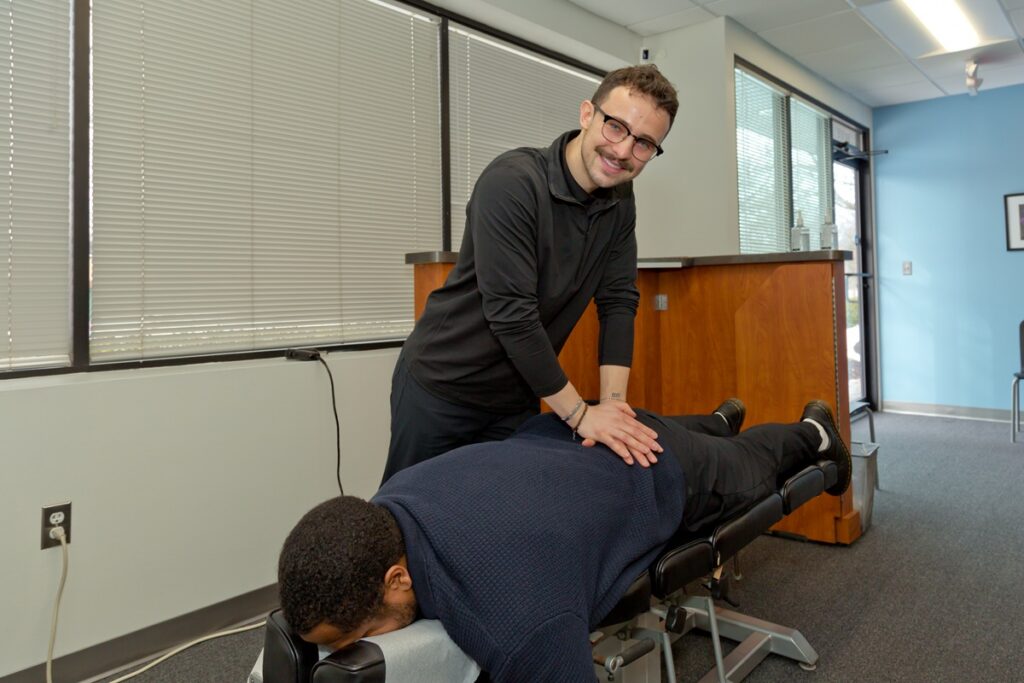
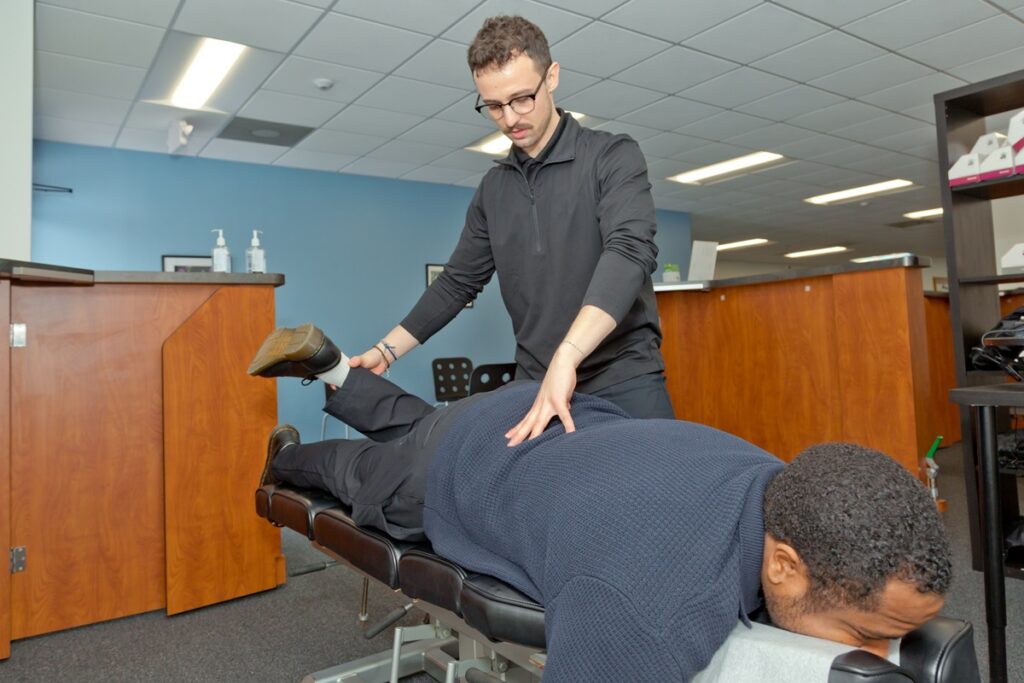
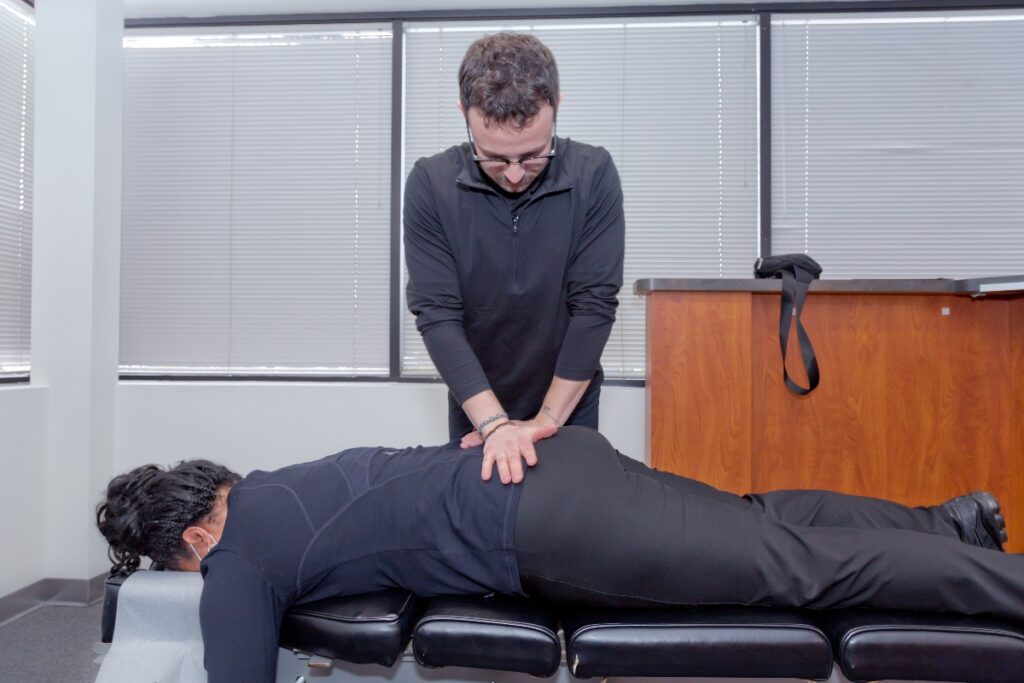
Spinal adjustments are a cornerstone of chiropractic care for pinched nerves. These precise, controlled movements help restore proper alignment to vertebrae, reducing pressure on nerve roots. Research suggests that spinal manipulation can be effective for certain types of radiculopathy and nerve-related pain.
The adjustments we provide at our Columbia office are tailored to your specific condition. For some patients, gentle mobilization techniques work best. Others respond well to traditional manual adjustments. We never use a one-size-fits-all approach.
Decompression techniques may be beneficial for certain patients. These methods create space between vertebrae, reducing pressure on discs and nerves. Some patients experience significant relief through targeted spinal decompression.
Soft tissue work addresses muscle tension that may be contributing to nerve compression. Tight muscles not only create discomfort themselves but can also pull vertebrae out of alignment or directly compress peripheral nerves.
Our care plans often include rehabilitative exercises designed to strengthen supporting muscles and improve flexibility. Strong, balanced muscles help maintain proper spinal alignment and reduce the likelihood of future nerve compression.
Posture and ergonomic guidance is another important component. We help patients identify daily habits that may be contributing to their condition and provide practical strategies for improvement. Small changes in how you sit, stand, and move can make a significant difference.
Many patients at Living Wellness Chiropractic notice improvement within the first few weeks of care, though the timeline varies based on the severity and chronicity of the condition. Some people experience relief after just a few visits, while others require longer-term management.
Evidence indicates that chiropractic care can be particularly helpful for cervical and lumbar radiculopathy when conservative care is appropriate. It offers an option for those seeking to avoid medications or more invasive procedures when suitable for their condition.
Practical Self-Care Tips
While professional care is important for pinched nerves, several self-care strategies can support your recovery and help prevent future episodes. These practical tips are things you can implement starting today.
Pay attention to your posture throughout the day. When sitting, keep your shoulders back and avoid slouching. Your computer screen should be at eye level so you’re not constantly looking down. Your feet should rest flat on the floor with your knees at about a 90-degree angle.
Take regular movement breaks if you work at a desk. Set a timer to remind yourself to stand up, stretch, and walk around every 30 to 45 minutes. This prevents tissues from becoming stiff and reduces sustained pressure on nerves.
Adjust your sleeping position if symptoms are worse at night. For neck-related nerve compression, a supportive pillow that maintains your neck’s natural curve is important. Avoid sleeping on your stomach, which forces your neck into rotation for extended periods. For lower back issues, placing a pillow between your knees when side-sleeping can help maintain spinal alignment.
Gentle stretching can help reduce muscle tension that contributes to nerve compression. Focus on slow, controlled movements rather than aggressive stretching. If a stretch increases your symptoms, stop immediately and try a gentler approach.
Stay active within your tolerance. Complete rest is rarely beneficial for musculoskeletal conditions. Light walking, swimming, or other low-impact activities help maintain circulation and prevent stiffness. Listen to your body and avoid activities that significantly worsen your symptoms.
Manage inflammation naturally when appropriate. While we can’t prescribe medications, maintaining a diet rich in anti-inflammatory foods like fatty fish, leafy greens, and berries may support your body’s healing processes. Staying well-hydrated is also important.
Avoid repetitive positions that aggravate symptoms. If you notice that certain activities consistently worsen your numbness or tingling, modify how you perform them or take more frequent breaks. This is especially important for work-related tasks.
Maintain a healthy weight to reduce stress on your spine. Extra weight, particularly around the midsection, alters spinal biomechanics and increases pressure on discs and nerves.
Practice stress management techniques. Chronic stress often manifests as muscle tension, particularly in the neck and shoulders. Deep breathing exercises, meditation, or gentle yoga can help reduce this tension.
When to See a Chiropractor
Knowing when to seek professional care is important for the best outcomes. Some pinched nerve symptoms resolve on their own with rest and self-care, but many benefit from professional intervention.
Consider scheduling an evaluation at Living Wellness Chiropractic if your symptoms persist for more than a few days despite self-care efforts. Early intervention often leads to faster resolution and prevents the condition from becoming chronic.
If numbness, tingling, or burning sensations are interfering with your daily activities or sleep, it’s time to seek help. You shouldn’t have to live with constant discomfort or disability.
Progressive weakness is a particularly important sign. If you notice that your grip strength is declining, you’re having difficulty walking, or you can’t perform normal movements, professional evaluation is important to prevent further deterioration.
Symptoms affecting both sides of your body require prompt attention. While pinched nerves typically cause one-sided symptoms, bilateral symptoms may indicate a more serious condition that needs medical evaluation.
Loss of bladder or bowel control is a medical emergency. This can indicate severe spinal cord compression and requires immediate medical attention. If you experience this symptom, go to the emergency room right away.
Symptoms following a significant trauma or accident should be evaluated promptly. Even if symptoms seem minor initially, they can progress over the following days.
Radiating pain that progressively worsens despite rest and self-care warrants professional attention. This pattern suggests that the underlying compression isn’t resolving on its own.
If you’re unsure whether your symptoms require professional care, err on the side of caution and schedule an evaluation. During your visit to our Columbia office, we can determine whether chiropractic care is appropriate for your condition or if referral to another provider is needed.
| Symptom Type | What It Feels Like | Common Locations | Typical Triggers |
|---|---|---|---|
| Numbness | “Fallen asleep” feeling, reduced sensation | Fingers, hands, feet, toes | Sustained postures, sleeping positions |
| Tingling | Pins and needles, buzzing sensation | Arms, legs, along nerve pathways | Movement, position changes |
| Burning | Fire-like discomfort, intense warmth | Skin surface along affected nerve | Activity, pressure on nerve |
| Radiating Pain | Sharp, shooting discomfort traveling | Neck to fingers, back to toes | Specific movements, coughing, sneezing |
| Weakness | Reduced strength, difficulty with tasks | Muscles served by affected nerve | Progressive compression over time |
Myths vs. Facts About Pinched Nerves
Myth: Pinched Nerves Always Require Surgery
Fact: The vast majority of pinched nerve cases respond well to conservative care including chiropractic treatment, physical therapy, and lifestyle modifications. Surgery is typically reserved for severe cases that don’t improve with conservative approaches or when there’s significant structural damage requiring surgical intervention.
Myth: You Should Rest Completely Until Symptoms Go Away
Fact: While avoiding activities that significantly worsen symptoms is wise, complete bed rest is rarely beneficial and can actually prolong recovery. Gentle movement and activity within your tolerance help maintain circulation, prevent stiffness, and support healing. The key is finding the right balance between rest and appropriate activity.
Myth: Numbness and Tingling Are Always Caused by Pinched Nerves
Fact: While pinched nerves are a common cause of these sensations, other conditions can produce similar symptoms including diabetes-related neuropathy, vitamin deficiencies, circulation problems, and various neurological conditions. This is why proper evaluation is important to identify the underlying cause and ensure appropriate treatment.
Myth: Cracking Your Own Neck or Back Will Fix a Pinched Nerve
Fact: Self-manipulation can be risky and ineffective. The popping sound you hear doesn’t necessarily indicate that anything therapeutic has occurred, and improper technique can potentially worsen the problem or cause injury. Chiropractic adjustments are specific, controlled, and targeted to address particular spinal segments based on thorough evaluation.
Myth: Once You Have a Pinched Nerve, You’ll Always Have Problems
Fact: Many people fully recover from pinched nerve episodes with appropriate care and lifestyle modifications. While some individuals may be more prone to recurrence, implementing proper ergonomics, maintaining good posture, staying active, and receiving periodic chiropractic care can significantly reduce the likelihood of future episodes.
Final Thoughts
Numbness, tingling, and burning sensations can be alarming, but understanding that they often stem from treatable nerve compression can provide reassurance. These symptoms are your body’s way of signaling that something needs attention. The good news is that with proper care, many people experience significant improvement and return to their normal activities.
Here in Columbia, Maryland, we’re fortunate to have a community that values proactive health care and conservative treatment approaches. At Living Wellness Chiropractic, we’re committed to helping our neighbors understand their symptoms, identify underlying causes, and work toward lasting solutions. Whether you’ve been dealing with these symptoms for days or years, there’s hope for improvement.
Remember that every person’s situation is unique. What works well for one patient may need to be adjusted for another. This is why individualized care matters. We take time to understand your specific symptoms, lifestyle, and goals so we can develop a care plan that makes sense for you.
If you’re experiencing numbness, tingling, or burning sensations, don’t ignore them or assume they’ll simply go away on their own. These symptoms deserve attention and often respond well to conservative chiropractic care. We’d be honored to evaluate your condition and discuss whether our approach might be right for you.
Living with nerve-related symptoms doesn’t have to be your normal. With the right support, guidance, and care, many people find significant relief and regain the comfort and function they thought they’d lost. Your journey toward feeling better starts with understanding what’s happening and taking that first step toward getting help.
Frequently Asked Questions
How long does it take for a pinched nerve to heal?
The healing timeline varies depending on the severity and cause of nerve compression. Some people notice improvement within a few days to weeks with appropriate care, while others with more chronic or severe compression may require several weeks to months. Consistent chiropractic care and following recommended self-care strategies typically support faster recovery.
Can a pinched nerve cause permanent damage?
While most pinched nerves resolve without permanent effects, prolonged severe compression can potentially lead to lasting nerve damage. This is why seeking timely professional care is important, especially if you’re experiencing progressive weakness or symptoms that persist despite self-care. Early intervention helps prevent complications and supports better outcomes.
Why do my symptoms seem worse at night?
Nighttime symptom worsening is common with pinched nerves for several reasons. During sleep, you may hold certain positions for extended periods without realizing it, which can increase pressure on already-compressed nerves. Additionally, inflammation that builds up during the day may be more noticeable when you’re trying to rest and not distracted by activities.
Is heat or ice better for pinched nerve symptoms?
Both can be helpful but serve different purposes. Ice helps reduce inflammation and is often beneficial in the first 48-72 hours after symptoms appear or after activities that aggravate your condition. Heat can help relax tight muscles and improve circulation, which may be more beneficial for chronic symptoms or muscle tension contributing to nerve compression.
Can stress cause pinched nerve symptoms?
While stress doesn’t directly pinch a nerve, it contributes to muscle tension, particularly in the neck and shoulders. This chronic tension can lead to muscle spasms that compress nerves or pull vertebrae out of alignment. Additionally, stress often causes people to adopt poor postures like hunching over, which increases the risk of nerve compression over time.
Will I need X-rays or other imaging for my symptoms?
Imaging needs depend on your specific situation. Many cases can be evaluated and treated effectively without imaging, especially when symptoms are relatively recent and there’s no history of significant trauma. However, if symptoms are severe, progressive, or not responding to initial care, imaging like X-rays or MRI may be recommended to better understand the underlying structures and rule out serious conditions.
TL;DR – Key Takeaways
- Numbness, tingling, and burning sensations are common symptoms of pinched nerves, which occur when surrounding tissues compress nerve pathways in the spine or elsewhere in the body.
- These symptoms can affect various body parts depending on which nerve is compressed, with the neck and lower back being the most common locations for nerve compression issues.
- Chiropractic care offers a conservative, non-invasive approach to addressing pinched nerves through spinal adjustments, soft tissue work, and corrective exercises tailored to your specific condition.
- Self-care strategies including proper posture, regular movement breaks, gentle stretching, and ergonomic modifications can support recovery and help prevent future episodes.
- Seek professional evaluation if symptoms persist beyond a few days, progressively worsen, cause significant weakness, or interfere with daily activities—early intervention typically leads to better outcomes.