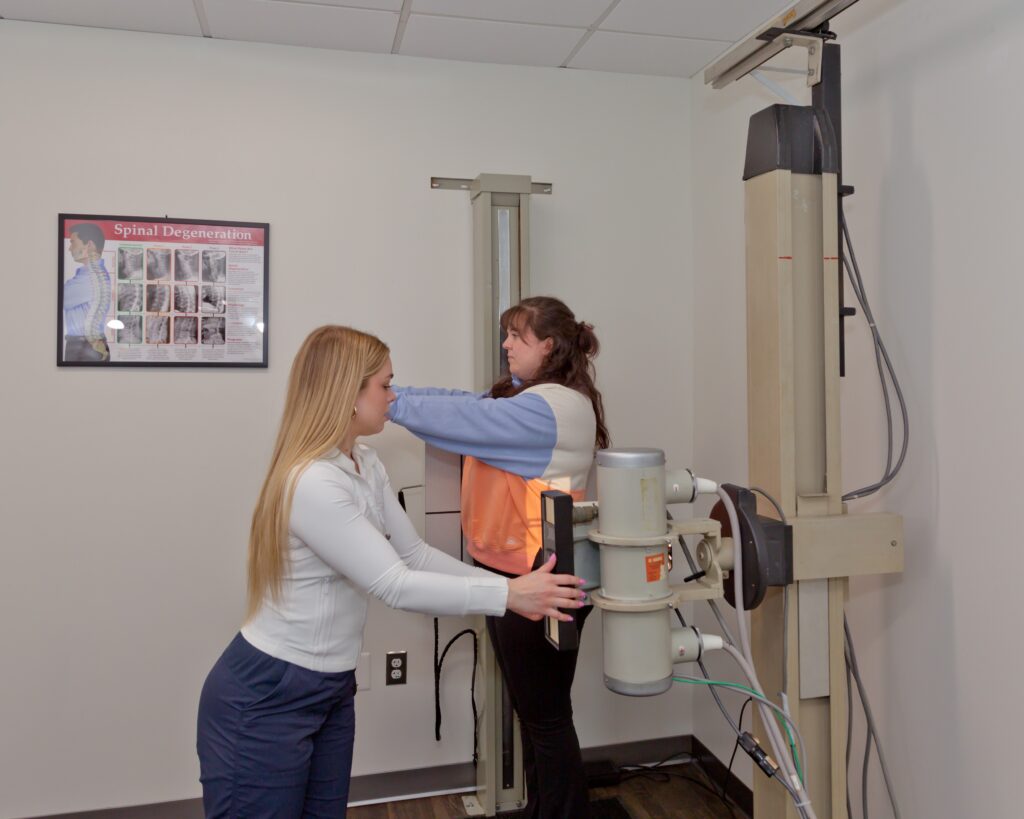

Chronic migraines can be incredibly challenging, but there are effective relief strategies that can help you find comfort and improve your quality of life. One of the first steps is to identify your triggers. Keeping a journal to track your migraines can be useful in recognizing patterns and avoiding those triggers.
In addition to tracking triggers, making simple lifestyle adjustments can have a significant impact. Consistent sleep patterns, staying well-hydrated, and engaging in regular exercise can all contribute to reducing the frequency and intensity of migraines. Remember, a well-aligned spine is essential for overall health, and chiropractic care can play a crucial role in achieving that balance.
Integrating relaxation techniques, such as deep breathing exercises or gentle yoga, can further aid in managing stress, which is a common trigger for migraines. Chiropractic adjustments help to alleviate tension in the body, promoting relaxation and improving your overall wellbeing.
It’s important to understand that everyone’s experience with migraines is unique, and finding the right approach for you is key. By consulting with a chiropractor, you can create a personalized plan that addresses your specific needs. Chiropractic care focuses on natural healing and maintaining spinal health, which can be instrumental in managing migraine pain.
As you explore these strategies, keep in mind that small changes can lead to big improvements in your health. Prioritize your wellness by considering chiropractic care as a foundation for pain relief and a healthier lifestyle. Let’s take the next steps together toward a migraine-free life!
Understanding Chronic Migraines
Understanding chronic migraines can feel overwhelming, especially if you’re dealing with them frequently. These intense headaches can last for hours or even days, and are often accompanied by nausea, as well as sensitivity to light and sound. It’s important to know that you’re not alone; millions of people experience chronic migraines, which are defined as occurring 15 or more days a month.
As a chiropractor, I believe that understanding your body and its signals is crucial for managing migraines effectively. Identifying triggers can play a significant role in alleviating your symptoms. Common triggers include stress, hormonal changes, and specific foods. Keeping a headache diary can help you track patterns and pinpoint what may be causing your migraines, allowing you to make informed lifestyle changes.
Chiropractic care can be a valuable resource in managing chronic migraines. By focusing on spinal health, we can help reduce tension and improve overall nervous system function, which may contribute to fewer headaches. Techniques such as spinal adjustments and soft tissue therapies can relieve pressure and restore balance, promoting your body’s natural healing processes.
Additionally, chronic migraines can significantly impact your daily life, affecting work and social activities. Acknowledging this can empower you to seek help and discuss your symptoms with a chiropractic professional. Through a holistic approach, we can work together to develop a personalized care plan that addresses your unique needs and helps you regain control over your health.
In addition to chiropractic care, consider incorporating some general wellness tips into your routine. Staying hydrated, maintaining a balanced diet, practicing relaxation techniques like yoga or meditation, and ensuring you get enough sleep can all contribute to a healthier lifestyle and potentially reduce the frequency of migraines.
Lifestyle Changes for Migraine Relief
Making lifestyle changes can greatly enhance your ability to manage chronic migraines, and chiropractic care plays a crucial role in this journey towards optimal health.
By adopting healthier habits alongside regular chiropractic adjustments, you can effectively reduce the frequency and intensity of your migraine attacks.
Here are some key changes to consider:
- Stay Hydrated: Dehydration is a common migraine trigger. Ensure you’re drinking plenty of water throughout the day. Proper hydration supports overall health and can complement the benefits of chiropractic care.
- Establish a Sleep Routine: Consistent sleep patterns are vital for regulating your body’s internal clock. A good night’s sleep can help reduce the likelihood of migraines. Chiropractic adjustments can also help improve sleep quality by relieving tension in the spine and promoting relaxation.
- Manage Stress: High stress levels can lead to increased migraine occurrences. Incorporate relaxation techniques such as yoga, meditation, or deep breathing exercises. These practices not only lower stress but can also enhance the benefits of chiropractic care by promoting a balanced body and mind.
By integrating these lifestyle changes with regular visits to your chiropractor, you can create a powerful approach to managing migraines naturally.
Chiropractic care focuses on spinal health and overall wellness, making it an excellent option for those seeking pain relief and improved quality of life.
Medications for Managing Chronic Migraines
When it comes to managing chronic migraines, it’s crucial to explore natural and holistic approaches that can help alleviate pain and promote overall wellness. As a chiropractor, I believe that chiropractic care offers a powerful way to address the underlying causes of migraines, rather than just masking the symptoms with medications.
Chiropractic adjustments can help improve spinal alignment, which plays a significant role in the nervous system and can often lead to a reduction in migraine frequency and intensity. By ensuring your spine is in optimal alignment, you may experience better communication between your brain and body, leading to fewer headaches.
In addition to chiropractic care, there are several natural strategies you can incorporate into your daily routine to support migraine relief:
- Stay Hydrated: Dehydration can be a trigger for migraines, so make sure you’re drinking plenty of water throughout the day.
- Manage Stress: Stress is a common contributor to migraines. Consider incorporating relaxation techniques such as deep breathing, meditation, or yoga into your routine.
- Regular Exercise: Engaging in regular physical activity can help reduce the frequency of migraines. Aim for activities like walking, swimming, or cycling that you enjoy.
- Maintain a Healthy Diet: Certain foods can trigger migraines in some individuals. Keep a food diary to identify and avoid any potential triggers.
- Adequate Sleep: Establish a regular sleep schedule to ensure you’re getting enough rest, as both too much and too little sleep can contribute to migraines.
- Posture Awareness: Poor posture can lead to tension in your neck and shoulders, which may trigger migraines. Be mindful of your posture throughout the day, especially if you work at a desk.
Preventive Medications Options
Finding effective ways to manage chronic migraines can greatly enhance your quality of life. While many people turn to medications, it’s essential to consider the benefits of a holistic approach, especially through chiropractic care. This natural method focuses on spinal health and overall wellness, which can play a crucial role in reducing migraine frequency and intensity.
Chiropractic care addresses the root causes of migraines by aligning the spine and removing interference with the nervous system. This can lead to improved function and reduced tension, which are often significant contributors to migraines.
Here are some valuable tips for managing migraines naturally:
- Regular Chiropractic Adjustments: Regular visits to a chiropractor can help maintain spinal alignment, reduce stress on the nervous system, and alleviate tension in the neck and shoulders, which may trigger migraines.
- Stay Hydrated: Dehydration can lead to headaches and migraines, so make sure to drink plenty of water throughout the day.
- Maintain a Healthy Diet: Eating a balanced diet rich in whole foods can help stabilize blood sugar levels and reduce migraine triggers.
- Stress Management Techniques: Practices such as yoga, meditation, or deep breathing exercises can help manage stress, a common migraine trigger.
- Sleep Hygiene: Ensure you’re getting enough restorative sleep by establishing a regular sleep schedule and creating a relaxing bedtime routine.
- Physical Activity: Regular exercise can reduce stress and tension, improving overall health and potentially decreasing the frequency of migraines.
By incorporating these natural strategies into your lifestyle and considering chiropractic care, you can pave the way for optimal health and find effective relief from chronic migraines without relying on medications. Always consult with your healthcare provider before making any significant changes to your health regimen.
Your journey to wellness is unique, and there are many paths to explore!
Acute Treatment Choices
While holistic approaches like chiropractic care can provide significant relief for chronic migraines, it’s important to understand how to manage acute migraine episodes effectively. When a migraine strikes, finding quick and natural relief should be the priority. One of the best first steps is to stay hydrated; drinking water can help ease symptoms. Additionally, applying a cold compress to your forehead can soothe the pain and provide comfort.
Chiropractic care is an excellent option for addressing the underlying issues that may trigger migraines. By aligning the spine and ensuring proper function of the nervous system, chiropractic adjustments can help reduce the frequency and intensity of migraine attacks. Regular visits to a chiropractor can also promote better overall health and wellness, supporting your body’s natural healing processes.
While over-the-counter medications like ibuprofen or acetaminophen can offer temporary relief, they should be used sparingly to avoid potential side effects. Instead, consider natural remedies such as essential oils or herbal teas known for their calming effects. Techniques such as deep breathing, meditation, and gentle stretching can also help in managing pain.
Remember, keeping track of your migraine patterns can be invaluable. Noting when they occur and any potential triggers can help you and your chiropractor develop a personalized plan for prevention and relief.
Always prioritize natural and holistic approaches to health. By choosing chiropractic care, you’re taking a proactive step towards achieving optimal health and wellness while effectively managing your migraines.
Non-Pharmacological Alternatives
Exploring non-pharmacological alternatives can uncover a range of effective strategies for managing chronic migraines, and as a chiropractor, I believe that chiropractic care stands out as one of the best options for achieving optimal health and wellness.
By focusing on spinal health and overall well-being, you can find relief from migraines without relying on medications. Here are a few options to consider, with an emphasis on the benefits of chiropractic care:
- Chiropractic Adjustments: Regular spinal adjustments can help alleviate tension in the neck and upper back, which may contribute to migraine onset. By ensuring that your spine is aligned, you can improve your nervous system function and reduce the frequency and severity of migraines.
- Cognitive Behavioral Therapy (CBT): While I advocate for chiropractic care, CBT can be a helpful tool for managing stress and changing negative thought patterns that may trigger migraines. Coupled with chiropractic treatments, it can enhance your overall wellness.
- Mindfulness and Relaxation Techniques: Incorporating practices like yoga and meditation into your routine can help reduce tension and promote relaxation. These techniques complement chiropractic care by enhancing your body’s ability to cope with stress, which can be a significant trigger for migraines.
- Lifestyle Tips: Maintain a consistent sleep schedule, stay hydrated, and eat a balanced diet rich in whole foods. These foundational habits can support your overall health and work synergistically with chiropractic care to diminish migraine occurrences.
By focusing on natural healing methods and maintaining a healthy spine, you can take proactive steps toward managing chronic migraines.
Chiropractic care, combined with mindfulness and healthy living practices, provides a holistic approach to achieving optimal health and well-being.
Alternative Therapies and Treatments
If you’re looking for relief from chronic migraines, chiropractic care can be an excellent option for managing your pain and promoting overall wellness. A chiropractor can help identify spinal misalignments that may contribute to your headaches, using gentle adjustments to restore proper alignment and function. This can lead to reduced migraine frequency and intensity while promoting relaxation in the body.
In addition to chiropractic adjustments, consider incorporating lifestyle changes and natural therapies that support spinal health and overall well-being. For example, maintaining good posture and ergonomic setups at work can alleviate unnecessary tension in your neck and back, potentially reducing migraine triggers.
You might also explore natural remedies like herbal supplements, such as butterbur and feverfew, which have been noted for their potential benefits in preventing migraines. However, it’s essential to consult with your chiropractor before starting any new supplement to ensure it aligns with your overall treatment plan.
Mindfulness and meditation are also beneficial practices to manage stress, which can be a common trigger for migraines. Regularly engaging in these techniques can help calm your mind and body, leading to fewer migraine episodes.
Lastly, yoga is a fantastic way to combine movement, breathing exercises, and meditation, all of which can enhance your spinal health and provide relief from tension. By integrating chiropractic care and these holistic approaches into your routine, you can discover effective tools for managing your chronic migraines naturally and improving your quality of life.
Identifying and Avoiding Triggers
To effectively manage chronic migraines, it’s essential to identify and avoid your personal triggers. One helpful tool is keeping a migraine diary, which can help you notice patterns and make necessary lifestyle adjustments for relief. By understanding what triggers your migraines, you can take proactive steps to minimize their impact on your daily life.
As a chiropractor, I believe that spinal health plays a crucial role in overall wellness and can significantly affect the frequency and intensity of migraines. Regular chiropractic adjustments can help improve spinal alignment, reduce tension, and promote better blood flow, all of which can contribute to migraine relief.
In addition to chiropractic care, here are some general tips to help you manage your migraines naturally:
- Stay Hydrated: Dehydration can be a common trigger, so make sure to drink plenty of water throughout the day.
- Maintain a Regular Schedule: Try to keep a consistent routine for meals, sleep, and activities. Irregular patterns can trigger migraines for some individuals.
- Practice Relaxation Techniques: Incorporating stress-reducing activities like yoga, meditation, or deep breathing exercises can help alleviate tension in your body.
- Limit Caffeine and Alcohol: These substances can be triggers for many people, so it may be helpful to monitor and limit your intake.
- Get Regular Chiropractic Care: Regular adjustments not only help with pain relief but also support your body’s natural healing processes, making you less susceptible to migraine triggers.
Common Migraine Triggers
Identifying and avoiding common migraine triggers is an important step in managing chronic migraines, and chiropractic care can play a key role in supporting your overall wellness.
By focusing on your environment and daily habits, you can reduce the likelihood of a migraine attack. Here are three common triggers to keep in mind, along with how chiropractic care can help:
- Food and Drink: Certain foods and beverages, like aged cheese, caffeine, and alcohol, can lead to migraines. Keeping a food diary can help you identify your personal triggers. Chiropractic care can also support digestive health, which may aid in minimizing food-related triggers.
- Stress: Both emotional and physical stress are known to provoke migraines. Incorporating relaxation techniques, such as deep breathing or meditation, can be beneficial. Regular chiropractic adjustments help reduce tension in the body, which can alleviate stress and promote a sense of calm.
- Weather Changes: Sudden shifts in weather, like temperature changes or high humidity, may contribute to migraine occurrences. While we can’t control the weather, chiropractic care can enhance your overall bodily function, making it easier for your body to adapt to environmental changes.
By focusing on these triggers and incorporating chiropractic care into your routine, you can take proactive steps toward a healthier, migraine-free life.
Keeping a Migraine Diary
Keeping a migraine diary can significantly improve your understanding of your body’s signals and help you manage your migraines more effectively. As a chiropractor focused on natural healing and wellness, I encourage you to track the details of each migraine episode. Make note of the date, time, intensity, and duration. This will help you identify patterns that may be connected to your spinal health and overall well-being.
Pay attention to potential triggers, including specific foods, changes in weather, stress levels, or disruptions in your sleep. Documenting your daily activities and any chiropractic adjustments or natural remedies you’ve used can also provide valuable insights. Over time, this detailed record can help you understand what might be contributing to your migraines.
Once you’ve identified these triggers, you can take proactive steps to minimize exposure. For example, maintaining a consistent sleep schedule and managing stress through relaxation techniques can be beneficial. Remember, a healthy spine plays a crucial role in your overall wellness, and regular chiropractic care can help support your body’s natural ability to heal.
Lifestyle Adjustments for Relief
Making lifestyle adjustments can often lead to significant relief from chronic migraines, especially when you incorporate chiropractic care into your routine. By understanding and addressing key triggers, you can better manage your migraines naturally. Here are some common triggers to consider, along with tips on how chiropractic care can support your journey to wellness:
- Dietary Choices: Certain foods, like aged cheeses and processed meats, can be migraine triggers. Keeping a food diary can help you identify which foods may be affecting you. Remember, chiropractic care can enhance your overall digestive health, supporting your body in processing nutrients more effectively.
- Sleep Patterns: Inconsistent sleep schedules or poor-quality sleep can increase the frequency of migraines. Establishing a regular sleep routine is crucial. Chiropractic adjustments can help relieve tension in your body, promoting better sleep and relaxation.
- Stress Levels: High stress or sudden changes in your routine can trigger migraine attacks. It’s vital to find healthy coping mechanisms, such as deep breathing exercises or mindfulness practices. Regular chiropractic sessions can also aid in stress relief by aligning your spine and reducing tension in your muscles.
Incorporating these lifestyle adjustments and considering the benefits of chiropractic care can help you manage your migraines more effectively. Remember, maintaining optimal spinal health is a key component of achieving overall wellness.
Creating a Migraine Management Plan
When it comes to managing chronic migraines, creating a personalized management plan is vital for finding relief and improving your overall well-being. As a chiropractor, I believe that considering the natural healing power of your body is essential in this journey.
Start by tracking your migraine triggers, such as certain foods, stress levels, or sleep patterns. Use a journal or an app to log your symptoms and their frequency. This record will help you identify patterns and make informed decisions about your health.
In addition to tracking your triggers, I encourage you to incorporate chiropractic care into your management plan. Regular chiropractic adjustments can help align your spine, improve nervous system function, and reduce tension that may contribute to migraines. Discuss your findings and your interest in chiropractic care with your healthcare provider to develop a holistic treatment plan that suits your needs.
Set realistic goals for yourself; managing migraines often takes time and patience. Alongside chiropractic care, make self-care a priority. Incorporate practices like regular exercise, staying hydrated, and using relaxation techniques such as deep breathing or yoga into your daily routine. These habits can complement your chiropractic care and promote a healthier lifestyle.
Lastly, keep evaluating and adjusting your plan based on what works best for you. Remember, consistency is key, and embracing a well-structured approach can significantly enhance your quality of life. By choosing chiropractic care, you’re taking a step towards natural wellness and pain relief.
Conclusion
Dealing with chronic migraines can be challenging, but there are natural relief strategies that can significantly enhance your quality of life. One of the best steps you can take is to understand your triggers. Pay attention to what might be causing your migraines—this could be stress, certain foods, or even poor posture.
In addition to identifying triggers, consider making some lifestyle adjustments. Regular physical activity, staying hydrated, and practicing relaxation techniques like yoga or meditation can help reduce the frequency and intensity of migraines. These lifestyle changes can also support your overall health and well-being.
Chiropractic care is a fantastic option for managing chronic migraines. Regular chiropractic adjustments can help realign your spine and improve your overall nervous system function, which may reduce the severity of your headaches. Many patients report significant relief from migraines after receiving chiropractic treatment.
Don’t forget about the importance of a healthy diet and proper sleep. Eating well and ensuring you get enough rest can make a huge difference in how your body handles stress and tension, which are common migraine triggers.
If you’re struggling with chronic migraines, don’t hesitate to reach out to your chiropractor. They can help you create a personalized wellness plan that focuses on natural healing and optimal health. Remember, with patience and the right support, you can take control of your migraines and lead a more comfortable, vibrant life.