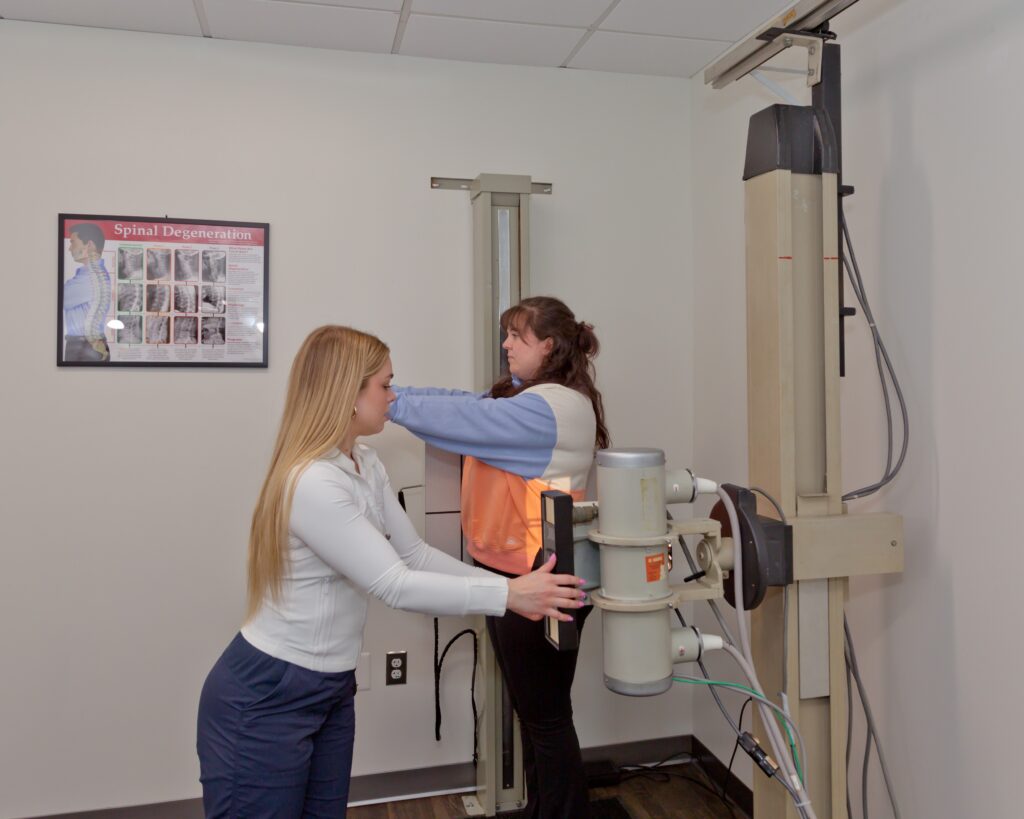

If you’re experiencing anxiety, you may find it encouraging to know that chiropractic care can be a powerful ally in your journey to relief. By focusing on spinal health and optimizing nervous system function, chiropractic adjustments can effectively reduce stress and foster a greater sense of calm.
But chiropractic care goes beyond just adjustments. Here are some essential tips to help you harness the full potential of chiropractic care for anxiety relief:
- Regular Adjustments: Consistent chiropractic visits can help keep your spine aligned, which is crucial for a well-functioning nervous system. This can lead to reduced tension and improved mood.
- Mind-Body Connection: Incorporating mindfulness practices, such as deep breathing or meditation, can enhance the effects of your chiropractic care. These techniques can help you stay grounded and centered.
- Healthy Lifestyle Choices: Focus on a balanced diet, regular exercise, and adequate sleep. These elements work synergistically with chiropractic care to promote overall wellness.
- Stress Management Techniques: Learn stress management techniques, such as yoga or tai chi, that can complement your chiropractic care and help you manage anxiety more effectively.
- Stay Hydrated: Drinking plenty of water is essential for your body to function well, including your nervous system. Hydration can play a role in how you feel day-to-day.
- Posture Awareness: Pay attention to your posture throughout the day. Good posture can relieve tension and prevent anxiety from escalating.
- Limit Caffeine and Sugar: These substances can heighten anxiety levels. Try to minimize their intake and focus on nourishing your body with whole foods.
- Connect with Nature: Spending time outdoors can have a calming effect. Consider taking walks in nature to boost your mood and enhance the benefits of chiropractic care.
- Communicate with Your Chiropractor: Be open about your anxiety symptoms during your visits. This allows your chiropractor to tailor your care plan to better suit your needs.
- Stay Patient: Relief may take time, so be patient with yourself and your body. Consistency with chiropractic care, along with these holistic practices, can lead to significant improvements over time.
By embracing chiropractic care and these complementary practices, you’re taking a proactive step towards managing your anxiety naturally. Your journey to optimal health starts with a commitment to your well-being, and chiropractic care can be your best choice for achieving that.
Understanding the Connection Between Spine Health and Anxiety
When you think about anxiety, it mightn’t be the first thing that comes to mind, but your spine plays a crucial role in your overall well-being and can significantly affect your mental health.
The spine is an essential part of your nervous system, which is responsible for how you handle stress and anxiety.
When your spine is misaligned, it can create tension and disrupt the signals that travel between your brain and body, leading to increased feelings of anxiety.
A healthy spine allows for clear communication within your nervous system, helping you feel more balanced and relaxed.
On the other hand, poor posture or spinal issues can lead to discomfort, which may worsen your anxiety levels.
This is where chiropractic care comes in.
Chiropractic adjustments can help restore proper alignment to your spine, promoting better nerve function and reducing tension throughout your body.
By addressing these misalignments, we can support not just your physical health but also your mental well-being.
Here are some general tips to help maintain a healthy spine and manage anxiety:
1. Practice Good Posture: Whether you’re sitting at a desk or standing, make sure to keep your spine aligned.
Sit with your back straight and shoulders relaxed, and use ergonomic furniture when possible.
2. Stay Active: Regular physical activity can help keep your spine healthy and reduce anxiety.
Consider activities like walking, yoga, or swimming that promote movement without putting strain on your back.
3. Manage Stress: Techniques such as deep breathing, meditation, or mindfulness can help reduce stress levels and promote relaxation.
4. Get Regular Chiropractic Care: Regular visits to a chiropractor can help ensure your spine stays aligned and functioning properly, which can help alleviate anxiety and improve your overall health.
Remember, taking care of your spine is a vital part of maintaining your mental health!
If you’re struggling with anxiety, consider discussing how chiropractic care can help you achieve optimal health and wellness.
How Chiropractic Adjustments Can Reduce Stress Hormones
Chiropractic adjustments are an essential part of achieving optimal health and can significantly help in reducing stress hormones, making it easier for you to manage anxiety. When your spine is properly aligned, it enhances how your entire body functions, including the regulation of cortisol, which is known as the primary stress hormone. Elevated cortisol levels can lead to increased feelings of anxiety and tension, but with regular chiropractic care, you can work towards lowering these levels naturally.
By correcting spinal misalignments, chiropractic adjustments boost your body’s ability to handle stress more effectively. This not only helps in promoting a calmer mind but also contributes to a more relaxed physical state. Many patients report experiencing not just relief from physical discomfort but also emotional benefits following their adjustments.
Moreover, chiropractic care enhances circulation and nerve function, which supports a healthier stress response and further aids in managing anxiety. If you’re seeking a natural approach to reducing stress hormones, incorporating chiropractic adjustments into your wellness routine is a fantastic choice.
Here are some additional tips to support your journey to a more balanced life:
- Practice Deep Breathing: Taking a few moments each day to focus on your breath can help calm your mind and reduce tension.
- Stay Active: Regular physical activity can help reduce stress and improve your overall mood.
- Maintain a Healthy Diet: Eating a balanced diet rich in fruits, vegetables, and whole grains can positively impact your stress levels.
- Get Enough Sleep: Prioritizing quality sleep is crucial for managing stress and maintaining overall health.
- Stay Hydrated: Drinking plenty of water can help your body function more efficiently and manage stress better.
The Role of the Nervous System in Anxiety Management
Understanding the vital link between your nervous system and anxiety management can empower you to take control of your mental health naturally. Your nervous system is key in how you experience stress and anxiety. When anxiety strikes, your body often enters a heightened state of alert, activating the sympathetic nervous system. This response can lead to physical symptoms like increased heart rate and shallow breathing, which can feel overwhelming.
Chiropractic care is an excellent way to support your nervous system’s function by ensuring your spine is properly aligned. When your spine is in alignment, it enhances nerve communication, which plays a crucial role in regulating your body’s stress response. Chiropractors focus on correcting misalignments, helping to calm the overactivity of the sympathetic nervous system and promoting a more relaxed state. This shift allows your body to regain balance, which can significantly reduce anxiety symptoms.
In addition to chiropractic adjustments, here are some simple tips you can incorporate into your daily routine to help manage anxiety:
- Breathing Exercises: Practice deep breathing techniques to help calm your nervous system. Inhale slowly through your nose, hold for a few seconds, and exhale gently through your mouth.
- Stay Active: Regular physical activity can help reduce anxiety levels. Consider activities like walking, yoga, or dancing to get moving and lift your mood.
- Mindfulness and Meditation: Spend a few minutes each day practicing mindfulness or meditation. This can help center your thoughts and reduce feelings of anxiety.
- Healthy Nutrition: Eating a balanced diet rich in whole foods can support your overall health and promote a sense of well-being.
- Get Enough Sleep: Prioritize restful sleep to give your body the chance to recharge and better handle stress.
Incorporating Regular Chiropractic Visits Into Your Routine
To truly experience the benefits of chiropractic care, it’s essential to make regular visits a key part of your wellness routine. Treat these appointments as a priority, much like you’d with exercise or eating nutritious foods. By committing to a consistent schedule, you’ll not only enhance your overall health but also manage stress and anxiety more effectively.
Chiropractic care is a natural and effective way to relieve pain and promote wellness. When you visit a chiropractor regularly, you help maintain proper spinal alignment, which is crucial for your body’s overall function. This proactive approach can prevent issues before they arise, saving you from discomfort in the long run.
Here are a few tips to incorporate chiropractic visits into your self-care regimen:
- Set a Routine: Just like you might schedule your workouts or meal prep, set aside specific days and times for your chiropractic appointments. Consistency is key!
- Combine with Other Health Practices: Consider pairing your chiropractic visits with other healthy habits, such as yoga or meditation, to enhance your relaxation and recovery.
- Listen to Your Body: Pay attention to how your body feels after each visit. Noticing improvements can reinforce the importance of your chiropractic care.
- Educate Yourself: Take the time to learn about the spine and how chiropractic care works. Understanding the connection between spinal health and overall wellness can motivate you to stay committed.
Establish a Schedule
Integrating regular chiropractic visits into your lifestyle can significantly boost your overall well-being. To truly benefit from your chiropractic care, it’s important to set up a consistent schedule that works for you. Determine how often you need to visit—whether that’s weekly, bi-weekly, or monthly—based on your individual health goals and needs. Once you’ve decided, mark these appointments on your calendar and treat them as essential commitments to your health.
Keeping a consistent schedule allows your body to respond more effectively to treatments, helping to alleviate discomfort and promote relaxation. Over time, this routine can help reduce anxiety and improve your overall mental state.
To further enhance the advantages of chiropractic care, consider pairing your visits with other self-care practices like gentle exercise or meditation. These complementary activities can amplify the benefits of your adjustments and contribute to a holistic approach to your health.
Prioritize Self-Care
Making time for self-care is crucial for maintaining both your mental and physical health, and one of the best ways to support this is by incorporating regular chiropractic visits into your routine. By prioritizing these visits, you not only address physical discomfort but also create a dedicated space for relaxation and stress relief.
Each chiropractic session works to realign your spine, which can improve your posture and alleviate tension that may contribute to feelings of anxiety. Many of my patients report feeling an uplift in their overall mood and energy levels after their treatments.
To maximize the benefits of chiropractic care, treat your appointments like any important event in your calendar—commit to them! This consistency can lead to lasting improvements in your well-being. Remember, taking care of yourself through chiropractic care isn’t selfish; it’s a necessary part of maintaining your health. When you invest in your own wellness, you become better equipped to face life’s challenges with resilience.
Here are some general tips to enhance your self-care routine alongside chiropractic care:
- Stay Active: Engage in gentle exercises like walking, stretching, or yoga to complement your chiropractic adjustments.
- Hydrate: Drink plenty of water to keep your joints lubricated and support overall health.
- Practice Good Posture: Be mindful of your posture throughout the day, whether sitting at a desk or using your phone; this can help reduce strain on your spine.
- Mindfulness and Relaxation: Consider incorporating mindfulness practices such as meditation or deep-breathing exercises to further reduce stress and promote relaxation.
- Listen to Your Body: Pay attention to any discomfort or tension and communicate this with your chiropractor during your visits.
The Benefits of Holistic Approaches to Anxiety Relief
Holistic approaches to anxiety relief emphasize the crucial mind-body connection, which can significantly influence your mental well-being. As a chiropractor, I can assure you that by focusing on both the physical and emotional aspects of health, we can promote natural stress reduction and help you achieve a more balanced state of mind.
Chiropractic care plays a vital role in this holistic approach. By addressing spinal health and ensuring proper alignment, we can enhance your nervous system function, which in turn supports mental clarity and emotional stability. Regular chiropractic adjustments can alleviate physical tension in the body, leading to a reduction in anxiety symptoms.
Here are some simple tips to incorporate holistic practices into your routine for better anxiety management:
- Stay Active: Regular physical activity, like walking or stretching, can help release endorphins, which are natural mood lifters.
- Mindful Breathing: Take a few moments each day to practice deep breathing exercises. This can calm your mind and reduce stress levels.
- Nutrition Matters: Eating a balanced diet rich in whole foods can positively influence your mood. Consider incorporating more fruits, vegetables, and whole grains into your meals.
- Stay Hydrated: Dehydration can affect your mood and energy levels, so make sure you’re drinking enough water throughout the day.
- Chiropractic Visits: Regular visits to your chiropractor can ensure that your spine is aligned, which supports overall health and well-being.
Mind-Body Connection
While many people often think of anxiety as solely a mental challenge, it’s essential to understand that our physical health greatly influences how we feel emotionally. The connection between your body and mind is powerful, and addressing one can lead to positive changes in the other. Chiropractic care is an effective way to nurture this mind-body connection and can provide natural relief from anxiety.
Here are some benefits of chiropractic care that can help you manage anxiety:
- Enhanced Relaxation: Chiropractic adjustments promote relaxation by relieving tension in your muscles and joints.
- Improved Posture: Better posture can reduce physical stress on your body, which in turn lowers overall tension and anxiety levels.
- Better Sleep Quality: Regular chiropractic visits can lead to improved sleep, helping you wake up refreshed and less anxious.
- Increased Body Awareness: Chiropractic care encourages you to tune into your body, making it easier to identify stress triggers and address them.
- Strengthened Immune System: A well-aligned spine supports your immune system, contributing to overall health and wellness, which can help manage anxiety more effectively.
Incorporating chiropractic care into your routine can empower you to take control of your anxiety naturally. Remember, seeking regular adjustments and maintaining a healthy lifestyle can lead to significant improvements in both your physical and emotional well-being.
Embrace the mind-body connection, and consider chiropractic care as a key part of your journey toward optimal health.
Natural Stress Reduction
When you explore natural stress reduction techniques, you’ll discover that holistic approaches can greatly improve your overall well-being. As a local chiropractor, I want to highlight how integrating chiropractic care into your routine can effectively address both physical and mental stressors, promoting deep relaxation and balance in your life.
Chiropractic adjustments can relieve tension in your spine, which plays a crucial role in the function of your nervous system. This can lead to a significant reduction in anxiety levels and help you feel more at ease.
In addition to chiropractic care, consider incorporating mindful practices like yoga, deep breathing, or meditation. These methods work hand in hand with chiropractic adjustments, allowing you to develop a stronger connection between your body and mind.
Engaging in these practices can help lower cortisol levels, boost emotional resilience, and enhance your overall mood.
Here are some simple tips to help you reduce stress naturally:
- Stay Active: Regular physical activity, even just a daily walk, can help alleviate stress and improve your mood.
- Prioritize Sleep: Aim for 7-9 hours of quality sleep each night to help your body recover and recharge.
- Practice Deep Breathing: Take a few moments each day to focus on your breath, inhaling deeply through your nose and exhaling slowly through your mouth.
- Mindful Moments: Set aside time for mindfulness or meditation to calm your mind and center your thoughts.
- Stay Hydrated: Drinking plenty of water throughout the day can help keep your body functioning optimally.
Techniques Chiropractors Use to Promote Relaxation
To promote relaxation and support your journey toward optimal health, I utilize a variety of chiropractic techniques designed to ease tension and restore balance in your body.
These methods not only help you unwind physically but also provide mental relief, making it easier to manage stress and anxiety. Here are some common techniques you can expect during your sessions:
- Spinal Adjustments: By realigning your spine, we can alleviate nerve pressure and enhance your body’s overall function. This helps to reduce pain and improve mobility, allowing you to feel more relaxed and at ease.
- Massage Therapy: Targeted massage techniques are employed to loosen tight muscles and boost circulation. This not only feels great but also promotes relaxation and reduces muscle tension.
- Soft Tissue Techniques: These gentle methods focus on releasing muscle knots and reducing overall tension. By addressing these issues, you can experience a greater sense of calm and well-being.
- Breathing Exercises: I often guide patients through deep breathing techniques. These exercises are simple yet effective ways to reduce stress and anxiety, helping you to feel grounded and relaxed.
- Education on Body Mechanics: Understanding proper body alignment can be transformative. I teach you how to maintain good posture and body mechanics in your daily life, which can help prevent future discomfort and anxiety.
In addition to these techniques, here are some general tips to help you achieve a more relaxed state throughout your day:
- Stay Hydrated: Drinking plenty of water can help your muscles stay relaxed and reduce tension.
- Practice Mindfulness: Taking a few moments each day to practice mindfulness or meditation can significantly lower your stress levels.
- Stretch Regularly: Incorporating gentle stretching into your routine can help alleviate tension and improve flexibility.
- Prioritize Sleep: Ensuring you get enough restful sleep is crucial for both mental and physical relaxation.
By choosing chiropractic care, you’re opting for a natural and holistic approach to health and wellness.
Together, we can work towards achieving a balanced and pain-free life, allowing you to thrive and feel your best.
The Impact of Posture on Mental Well-Being
Good posture is essential not only for your physical health but also for your mental well-being. As a local chiropractor, I want to emphasize how proper alignment can positively impact your mood and stress levels. When you sit or stand tall, your body communicates with your brain, boosting feelings of confidence and positivity. On the flip side, slouching can lead to increased anxiety and a sense of low energy.
Being mindful of your posture can lead to significant improvements in how you feel. When your spine is properly aligned, it enhances circulation and reduces physical tension, both of which are crucial for managing mental stress. You might find that practicing good posture not only helps alleviate discomfort but also enables you to tackle challenges with a clearer mind and greater resilience.
Incorporating posture awareness into your daily routine is a simple yet powerful way to support your mental health naturally. Here are a few tips to help you improve your posture throughout the day:
- Set Up Your Workspace: Make sure your desk and chair are ergonomically sound. Your feet should be flat on the ground, and your computer screen should be at eye level to avoid straining your neck.
- Take Regular Breaks: Stand up and stretch every 30 minutes. This can relieve tension and remind you to check your posture.
- Practice Core Strengthening Exercises: A strong core supports your spine and helps maintain good posture. Simple exercises like planks can be very effective.
- Mind Your Head Position: Keep your head aligned over your shoulders rather than jutting forward, especially when using devices.
- Seek Chiropractic Care: Regular visits to a chiropractor can help ensure your spine is aligned and functioning optimally. Chiropractic adjustments can relieve pain, improve posture, and enhance your overall well-being.
Combining Chiropractic Care With Other Therapies
While chiropractic care is highly effective on its own, integrating it with other natural therapies can enhance your overall results and support deeper healing. By combining different approaches, you can tackle anxiety and stress from multiple perspectives, allowing for a more comprehensive path to relief.
Here are some therapies that can complement your chiropractic care:
- Massage Therapy: This gentle touch reduces muscle tension and promotes relaxation, making you feel more at ease and ready to heal.
- Cognitive Behavioral Therapy (CBT): This approach helps you reframe negative thought patterns that can contribute to anxiety, allowing you to foster a more positive mindset.
- Meditation and Mindfulness: These practices encourage mental clarity and emotional balance, creating a peaceful state of mind that supports your overall health journey.
- Yoga: This beautiful combination of physical movement and breathing techniques helps alleviate stress and promotes flexibility, enhancing the benefits of your chiropractic adjustments.
- Nutritional Support: Eating a balanced diet rich in essential nutrients is vital for your overall well-being and can significantly impact your mental health.
Remember, chiropractic care is centered on natural healing and optimizing your body’s function. By adding these complementary therapies, you can empower yourself to achieve better health and live a more vibrant life.
Simple lifestyle changes, such as incorporating mindfulness practices or regular physical activity, can significantly enhance your wellness journey. Always consult with your chiropractor to tailor a plan that works best for you!
Lifestyle Changes to Enhance the Effects of Chiropractic Care
Integrating simple lifestyle changes into your daily routine can significantly enhance the benefits you receive from chiropractic care.
One of the best ways to support your body is through regular exercise. Engaging in just 30 minutes of physical activity most days of the week can uplift your mood and help reduce feelings of anxiety, making your chiropractic adjustments even more effective.
Don’t underestimate the power of good nutrition either! Filling your plate with a variety of fruits, vegetables, whole grains, and lean proteins can do wonders for your overall health and well-being. Staying hydrated is just as crucial, so remember to drink plenty of water throughout the day to keep your body functioning optimally.
Incorporating mindfulness practices, such as meditation or yoga, can further enhance the positive effects of your chiropractic sessions. These practices not only help alleviate stress but also promote relaxation, allowing your body to heal and respond better to adjustments.
Lastly, prioritize your sleep. Aim for 7-9 hours of quality rest each night to support your body’s natural healing processes. Quality sleep is essential for recovery and helps you maintain a balanced and healthy lifestyle.
Personalizing Your Chiropractic Treatment Plan for Anxiety
To effectively tackle anxiety through chiropractic care, it’s essential to create a personalized treatment plan that caters to your specific needs and circumstances. Since everyone experiences anxiety differently, your approach should reflect those unique experiences.
Here are some important factors to consider when tailoring your plan:
- Current Symptoms: Start by identifying what triggers your anxiety and how it shows up in your body. Understanding these physical manifestations can help us address them more effectively through chiropractic adjustments.
- Medical History: Be open about any past injuries or health conditions you’ve had. This information is crucial as it can influence the way we approach your treatment. Our goal is to ensure your spine and nervous system are functioning optimally to support your overall wellness.
- Lifestyle Choices: Your daily habits play a significant role in your health. Share your routines related to exercise, diet, and sleep patterns. Simple adjustments in these areas can enhance the benefits of chiropractic care.
- Stress Levels: Take a moment to evaluate your current stressors and how they affect your daily life. Identifying these stressors allows us to develop strategies to manage them effectively, enhancing your well-being.
- Goals: Setting clear and achievable goals for your treatment is vital. Whether your aim is to reduce anxiety symptoms or improve your overall health, having a target helps guide our sessions and track your progress.
By focusing on these factors, we can harness the power of chiropractic care to promote natural healing and optimal health. Remember, your spine plays a crucial role in your overall wellness, and keeping it aligned can lead to significant improvements in how you feel.
As you embark on this journey, keep in mind some general tips: stay active with regular physical activity, prioritize a balanced diet rich in nutrients, and establish a consistent sleep routine. These simple lifestyle changes, combined with chiropractic adjustments, can greatly enhance your ability to manage anxiety and promote a healthier, more vibrant life.
Conclusion
Incorporating chiropractic care into your anxiety relief plan can significantly enhance your overall well-being. By prioritizing spine health through regular adjustments and holistic practices, chiropractic care can help you effectively manage stress and boost your mental state.
Chiropractic adjustments work by aligning your spine, which can improve your body’s nervous system function and promote a sense of relaxation. This natural approach focuses on healing your body from the inside out, allowing you to experience a more balanced emotional state.
To maximize the benefits of chiropractic care, consider combining your treatment with lifestyle changes that promote relaxation and wellness. Here are some simple tips to incorporate into your daily routine:
- Mindful Breathing: Take a few moments each day to practice deep breathing exercises. This can help calm your mind and reduce anxiety.
- Balanced Nutrition: Fuel your body with nutritious foods that support overall health. Focus on whole foods, plenty of fruits and vegetables, and stay hydrated.
- Adequate Sleep: Prioritize getting enough restful sleep each night, as this plays a crucial role in managing stress and anxiety.
- Regular Exercise: Engage in physical activity that you enjoy, whether it’s walking, yoga, or dancing. Exercise releases endorphins, which can boost your mood.
- Stay Connected: Spend time with friends and family. Social connections can provide emotional support and help alleviate feelings of anxiety.
- Mindfulness and Meditation: Consider incorporating mindfulness practices or meditation into your routine to help center your thoughts and reduce stress.
- Consistent Chiropractic Visits: Regular chiropractic adjustments can help maintain spinal alignment, which supports your body’s ability to handle stress.
By personalizing your approach and focusing on chiropractic care, you can better address your unique needs and find peace and balance in your daily life. Remember, chiropractic care is a natural and effective way to promote optimal health and well-being, helping you to manage anxiety without the need for medications or invasive treatments.