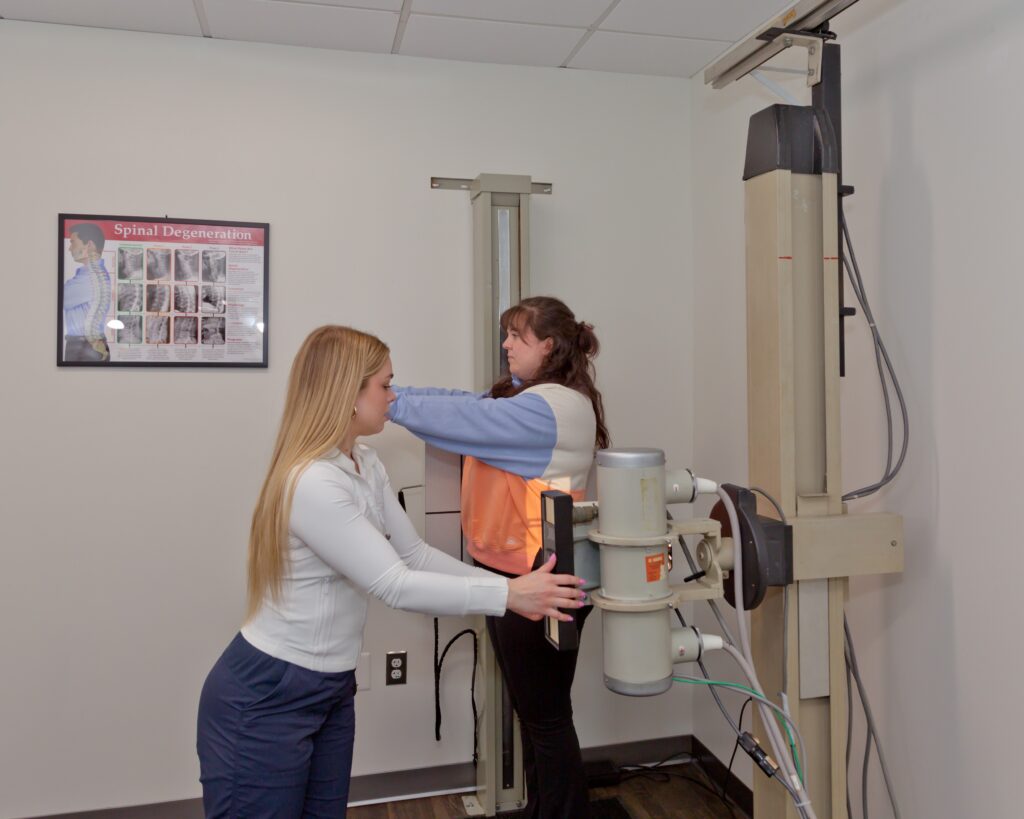

When stress starts to take a toll on your body and mind, chiropractic care can be a powerful way to find relief. By addressing the underlying issues related to your stress, such as tension in your muscles and misalignments in your spine, you can gain a clearer understanding of how your body reacts to pressure. Chiropractic adjustments help restore balance, allowing your body to function more optimally.
In addition to spinal adjustments, a chiropractor can guide you in developing effective coping strategies for managing daily stressors. This may include exercises to strengthen your core, stretches to relieve muscle tension, and tips on maintaining good posture, which can all contribute to a sense of well-being.
But it’s not just about treating symptoms; chiropractic care helps build resilience in your body. When your spine is aligned and your nervous system is functioning properly, you’re better equipped to handle life’s challenges. Are you ready to discover how chiropractic care can improve your overall health and wellness? Let’s dive deeper into the benefits of a holistic approach to stress relief.
Remember, taking small steps towards a healthier lifestyle can make a big difference. Regular chiropractic visits, combined with mindful practices like deep breathing, staying active, and prioritizing sleep, can help you manage stress naturally and effectively. Embrace the journey to optimal health with chiropractic care as your guiding star!
Key Takeaways
- Chiropractic care offers a safe and supportive environment where you can identify the physical stressors affecting your body, enhancing your awareness of how stress impacts your overall health.
- By working with a chiropractor, you can effectively address unresolved tension and discomfort in your body, which may be contributing to heightened stress levels.
- Regular chiropractic sessions can help foster resilience and stability in your body, equipping you with natural techniques to manage stress, especially during challenging life transitions.
- Incorporating practices such as spinal adjustments, posture awareness, and relaxation techniques can significantly support your overall well-being and physical health, helping you feel more balanced and at ease.
- Building a strong relationship with your chiropractor not only promotes physical healing but also provides emotional support, helping to buffer against stress and improve your mental health outcomes.
For optimal health, consider these takeaway tips: prioritize regular chiropractic visits to maintain spinal health, practice deep breathing exercises to reduce tension, and focus on proper posture throughout your day to help alleviate stress. Embrace natural healing methods to support your journey toward a healthier, more balanced life.
Understanding the Root Causes of Stress
While you might feel overwhelmed by stress, understanding its root causes is the first step toward effective relief—and this is where chiropractic care can play a crucial role. Take a moment to reflect on what’s triggering your stress. It could stem from work pressures, relationship issues, or financial concerns. Recognizing these triggers helps you identify patterns in your life, which is essential for both mental and physical well-being.
Sometimes, it’s not just one source but a combination that adds up, creating a heavy weight on your shoulders. This accumulated stress can lead to physical tension in your body, particularly around your spine. Chiropractic care focuses on aligning your spine and improving your overall nervous system function, which can alleviate not just physical pain but also help you manage stress more effectively.
You might also find that past experiences or unresolved emotions contribute to your current stress levels. Chiropractic adjustments can support your body’s natural healing process, promoting relaxation and a sense of calm. Additionally, consider incorporating simple practices into your daily routine, such as deep breathing exercises, regular physical activity, and maintaining a balanced diet.
Developing Effective Coping Strategies
As you face the challenges of stress, developing effective coping strategies is crucial for maintaining both your mental and physical well-being—and chiropractic care can play a significant role in this journey. First, take a moment to identify your stressors and pay attention to how they make you feel. Understanding your emotional responses can guide you in choosing the right coping techniques.
Incorporating chiropractic adjustments into your routine can help alleviate physical tension in your body, making it easier to manage stress. Regular visits to your chiropractor can promote better spinal health, which is closely connected to your overall wellness. Techniques such as deep breathing, mindfulness, and exercise can also help ground you during stressful moments, and they’re even more effective when combined with chiropractic care.
Consider journaling your thoughts and feelings as a way to process emotions and gain clarity. Establishing a daily routine can provide stability, making it easier to handle stress. Remember, social support is important too—talking to friends or family can lighten your load, and sharing your experiences with a chiropractor can give you additional insights into managing stress and pain.
Lastly, prioritize self-care practices like getting enough sleep, eating nutritious foods, and engaging in hobbies you love. Regular chiropractic care can enhance your overall health and support these self-care efforts. By integrating these strategies into your daily life, you’ll build resilience and be better equipped to handle stress when it arises, all while promoting a healthier spine and body.
Gaining Insights Through Professional Guidance
Seeking professional guidance through chiropractic care can provide fresh insights into managing stress and promoting overall wellness.
When you visit a chiropractor, you’re working with an expert who can help you understand how your body, particularly your spine, plays a crucial role in your overall health. By addressing any misalignments and promoting proper spinal function, chiropractic care can alleviate physical stress and tension, leading to better mental clarity and emotional balance.
Chiropractors utilize hands-on techniques to realign the spine and improve nervous system function, which can significantly reduce stress levels. This approach not only helps with immediate discomfort but also encourages healthier habits that resonate with your lifestyle.
Understanding how your body works allows you to gain greater awareness of your physical and mental state, which can lead to personal growth and healing.
During your chiropractic sessions, you’ll have the opportunity to discuss your concerns and uncover patterns that may be contributing to your stress. By focusing on your body’s alignment and function, you can learn to challenge negative thought patterns and develop healthier responses to life’s challenges.
In addition to chiropractic adjustments, consider incorporating these simple tips into your daily routine for a healthier, stress-free life:
- Practice Good Posture: Maintaining proper posture helps reduce strain on your spine and can alleviate stress on your body.
- Stay Active: Regular physical activity not only strengthens your body but also releases endorphins, which help improve your mood.
- Mindful Breathing: Take a few minutes each day to practice deep breathing exercises. This can calm your mind and reduce tension in your body.
- Stay Hydrated: Drinking enough water is essential for overall health and can help manage stress levels.
- Prioritize Sleep: Good quality sleep is vital for recovery and stress management. Aim for 7-9 hours per night.
Ultimately, chiropractic care empowers you to take control of your health and well-being, helping you manage stress naturally and effectively.
Embracing this holistic approach can lead to profound improvements in your physical and emotional health.
Improving Communication Skills
To reduce stress and promote overall wellness, enhancing your communication skills can make a significant impact on your life. By improving your active listening and expressing your emotions effectively, you not only strengthen your relationships but also contribute to your mental health.
Effective communication helps create an environment where you feel heard and understood, which can alleviate stress and tension in your body. This is particularly important as stress can manifest physically, leading to discomfort and misalignment in your spine.
Incorporating chiropractic care into your wellness routine can further support your journey to optimal health. Regular adjustments can help reduce physical tension, improve your posture, and enhance your overall well-being, making it easier to communicate effectively with others.
Here are some tips to take away:
- Practice active listening by giving your full attention to the speaker, which can help you connect on a deeper level.
- Express your feelings openly and honestly, as this can reduce misunderstandings and foster stronger bonds.
- Consider regular chiropractic visits to relieve physical stress and keep your spine aligned, which can enhance your overall communication and emotional wellness.
Enhancing Active Listening
Enhancing active listening can significantly improve your communication skills and strengthen your connections with others, which is essential for overall well-being. When you truly listen, you demonstrate respect and validation for the speaker, fostering a deeper understanding that can extend to your health and wellness journey.
To practice active listening, focus on what’s being said without interrupting or planning your response while they talk. This mindfulness can also apply to how you approach your own health. Use non-verbal cues, like nodding or maintaining eye contact, to show you’re engaged. In conversations about health and wellness, paraphrasing someone’s points can help confirm your understanding and encourage them to share more about their experiences.
This approach not only deepens conversations but also builds trust, which is vital when discussing topics like chiropractic care. By practicing active listening, you’ll notice a positive shift in your relationships; people will feel heard and valued, just as you want to feel when discussing your health.
Furthermore, embracing active listening can help reduce misunderstandings, particularly in the context of your health. Engaging openly with your chiropractor about your concerns and symptoms can lead to more effective treatment and a supportive environment.
Expressing Emotions Effectively
Effectively expressing your emotions can greatly enhance your relationships and improve your overall well-being. Just as maintaining proper spinal alignment is crucial for physical health, clear emotional communication is essential for mental health. When you share your feelings openly, it fosters understanding and connection with those around you. Here are some practical techniques to help you express your emotions effectively:
| Technique | Description | Benefit |
|---|---|---|
| Use “I” Statements | Share how you feel without blaming others | Reduces defensiveness and promotes healthier interactions |
| Be Specific | Describe your feelings in detail | Enhances clarity and understanding |
| Stay Calm | Manage your tone and body language | Encourages positive dialogue and reduces stress |
Just like regular chiropractic adjustments can help relieve tension in your body, practicing these techniques can help you articulate your emotions better and release emotional stress. Remember, expressing your feelings isn’t just about feeling better; it also strengthens your relationships and contributes to your overall wellness. So, give it a try and experience the benefits for yourself!
Building Resilience Against Future Stress
While stress is a natural part of life, building resilience can significantly enhance your ability to handle future challenges. Resilience isn’t just about bouncing back; it’s about growing stronger through adversity, and one effective way to cultivate this strength is by focusing on your overall wellness, including spinal health.
A positive mindset is essential. Concentrate on what you can control in your life and practice gratitude for the good things you have. This shift in perspective can help reduce stress and improve your overall well-being.
Chiropractic care plays a vital role in managing stress and enhancing resilience. By aligning your spine and improving your nervous system function, chiropractic adjustments can help alleviate physical pain and discomfort, which often contributes to stress.
Regular visits to a chiropractor not only promote healing but also foster a sense of relaxation and balance in your body.
Maintaining strong social connections is another key factor in building resilience. Surround yourself with supportive friends and family who can listen and encourage you. This emotional support can be a powerful buffer against stress.
Incorporating self-care activities into your routine is also important. Exercise, proper nutrition, and engaging in hobbies you enjoy can help recharge your mental and physical energy.
Consider gentle activities like yoga or walking, which also promote spinal health.
Lastly, remember that seeking chiropractic care is a proactive step towards managing stress and enhancing your resilience. Chiropractors can provide you with valuable tools and techniques to handle stress more effectively, ensuring you’re better prepared for whatever life throws your way.
Embrace these approaches, and you’ll be on the path to optimal health and wellness.
Enhancing Emotional Regulation
Building resilience is essential not only for coping with stress but also for enhancing your overall emotional well-being. As a chiropractor, I want to emphasize how integrating chiropractic care into your lifestyle can support emotional regulation and promote a more balanced life.
When you visit a chiropractor, you’re not just addressing physical discomfort; you’re also tapping into a holistic approach that can help you better understand your body and its responses. Chiropractic adjustments can improve your spinal alignment, which is crucial for your nervous system’s function. A well-functioning nervous system can lead to better emotional regulation, helping you identify and manage your feelings more effectively.
In addition to chiropractic care, there are practical techniques you can incorporate into your daily routine. For instance, practicing mindfulness through deep breathing exercises can help calm your mind and body, allowing you to process emotions without feeling overwhelmed. This simple practice can be enhanced by regular chiropractic visits, as a healthy spine and nervous system can improve your overall stress response.
Furthermore, chiropractic care can assist in alleviating physical pain that may be contributing to emotional distress. When you’re free from discomfort, it’s easier to focus on maintaining your emotional balance. By addressing both physical and emotional aspects of wellness, you can foster healthier responses in challenging situations.
Remember, it’s important to challenge negative thought patterns that can arise when you’re feeling stressed. Chiropractic care can provide you with the physical relief necessary to approach these thoughts with a clearer mind. As you enhance your emotional regulation through chiropractic support, you’ll likely notice improvements in your relationships and overall quality of life.
Ultimately, prioritizing your health through chiropractic care allows you to cultivate a deeper understanding of yourself, leading to a more fulfilling and resilient life. Embrace the journey to optimal health and wellness today!
Finding a Safe Space for Expression
Finding a safe space for expression is essential for managing stress and maintaining emotional balance, especially when it comes to your overall health and wellness. Just like regular chiropractic care helps align your spine and promotes physical well-being, creating a supportive environment allows you to freely share your thoughts and feelings without fearing judgment. Whether it’s in the office of a chiropractor, a wellness workshop, or a conversation with a trusted friend, having a secure space is vital for exploring your emotions.
At first, you may feel hesitant to open up, but remember that showing vulnerability is a sign of strength. Just as chiropractic adjustments help ease physical discomfort, expressing yourself can help you process your experiences and understand your feelings better. This doesn’t have to be limited to talking; journaling or engaging in creative activities can also offer a meaningful outlet for your emotions.
As you cultivate this safe space for self-expression, you may find it easier to confront challenging emotions and develop healthier coping strategies. Embracing the chance to express yourself can lead to significant improvements in your emotional health, which complements the physical benefits of chiropractic care.
Learning Relaxation Techniques
Learning relaxation techniques can significantly reduce your stress levels and enhance your overall well-being, which is important for maintaining a healthy spine. As a chiropractor, I often emphasize the connection between stress relief and spinal health. When you’re relaxed, your body can function better, and this includes your spine.
You can explore mindfulness and meditation practices that help you become more aware of your body and its needs. These techniques allow you to tune into areas of tension, which can be beneficial for your spinal alignment. Breathing exercises are another excellent way to promote relaxation; deep, controlled breathing can help alleviate tension in your muscles, including those supporting your spine.
Progressive muscle relaxation methods involve tensing and then relaxing different muscle groups, which can help you identify areas of discomfort and tension that may be affecting your spine. Each of these techniques offers unique benefits and can contribute to a more centered and at-ease state of being.
In addition to these relaxation techniques, incorporating regular chiropractic care into your wellness routine can help ensure your spine remains aligned and healthy. Chiropractic adjustments can relieve pain, improve mobility, and promote overall wellness without the need for surgeries or medications.
Mindfulness and Meditation Practices
While stress can feel overwhelming at times, incorporating mindfulness and meditation practices into your daily routine can provide a powerful counterbalance, promoting overall wellness that complements chiropractic care.
These techniques help you cultivate awareness and foster relaxation, which can be especially beneficial for managing stress and supporting spinal health. Here are four simple practices to get you started:
- Mindful Breathing: Focus on your breath, noticing each inhale and exhale. This simple exercise can help relieve tension in your body and mind, allowing for better spinal alignment and reducing discomfort.
- Body Scan: Gradually shift your attention through different body parts, consciously relaxing areas where you may hold tension. This practice not only promotes relaxation but also helps you become more aware of your body, which is essential in recognizing how your spine feels.
- Guided Imagery: Visualize a calming scene that brings you peace, allowing your mind to escape stressful thoughts. This can help reduce tension in your muscles and improve your posture, as relaxation naturally encourages better alignment.
- Meditation Apps: Use technology to access guided sessions that fit your schedule and preferences. Many apps include specific practices that focus on reducing stress and improving well-being, which can enhance the effects of your chiropractic care.
By integrating these mindfulness and meditation practices into your life, you can support your journey toward optimal health and wellness, enhancing the benefits of chiropractic care.
Breathing Exercises Techniques
Breathe deeply and allow the tension to melt away as you engage in various breathing exercises that not only promote relaxation but also contribute to your overall wellness—a key aspect of maintaining a healthy spine. One powerful technique is diaphragmatic breathing. To practice this, inhale deeply through your nose, letting your abdomen expand fully, and then exhale slowly through your mouth. This technique stimulates your diaphragm, which is essential for proper oxygen exchange and can help reduce stress.
Another effective exercise is the 4-7-8 technique. Inhale for four counts, hold your breath for seven, and then exhale for eight. This simple rhythm helps calm your nervous system and can be particularly beneficial if you’re dealing with discomfort or tension in your body.
Don’t forget about box breathing, which is a fantastic way to regain control and promote relaxation. Inhale for four counts, hold for four, exhale for four, and pause for four. This balanced approach can help clear your mind and enhance your focus, which is particularly important for maintaining a healthy lifestyle.
Incorporating these breathing exercises into your daily routine can significantly boost your emotional well-being and help you manage stress effectively. Remember, consistency is key! Prioritizing these practices can lead to improved spinal health and overall wellness.
As you explore these techniques, consider the importance of chiropractic care in your journey towards optimal health—it can be a powerful ally in achieving pain relief and enhancing your quality of life.
Progressive Muscle Relaxation Methods
As a chiropractor, I understand the importance of managing stress for your overall health and wellness. One effective technique you can incorporate into your routine is progressive muscle relaxation (PMR). This method not only helps relieve tension but also supports your body’s natural healing process. Here’s how to practice PMR:
- Find a Quiet Space: Look for a calm and comfortable place where you can relax without interruptions. This will help you focus on your body and mind.
- Breathe Deeply: Begin with a few deep breaths. Inhale through your nose, filling your lungs, and then exhale slowly through your mouth. This will help center your thoughts and prepare your body for relaxation.
- Tense and Relax: Start from your toes and work your way up. Tense each muscle group for about five seconds, then release the tension completely. Move through your body, focusing on each area until you reach your head. This process helps you become more aware of where you hold stress.
- Focus on Sensations: As you practice PMR, pay close attention to the difference between tension and relaxation. This awareness allows you to experience a deeper sense of calm and helps your body let go of stress.
Incorporating PMR into your daily routine can significantly reduce stress and enhance your well-being. Remember, regular chiropractic care also plays a crucial role in managing stress and promoting optimal health.
By addressing spinal alignment and function, chiropractic adjustments can enhance your body’s natural ability to heal and maintain balance.
Take the time to care for yourself with techniques like PMR and regular chiropractic visits to support your journey toward a healthier, more relaxed life.
Fostering Self-Compassion and Awareness
To cultivate self-compassion and awareness, it’s essential to treat yourself with the same kindness that you’d offer to a friend. Often, we can be our own harshest critics, especially during stressful times. Instead of allowing negative self-talk to take over, practice speaking to yourself in a supportive and understanding way. It’s completely normal to feel overwhelmed or anxious, and acknowledging these feelings without judgment is a crucial step towards healing.
Start by paying attention to your thoughts and emotions. Keeping a journal can be a helpful tool for reflecting on your experiences and recognizing patterns in your self-talk. When you notice negative thoughts creeping in, take a moment to pause and reframe those thoughts. Consider what you’d say to someone facing the same situation; this shift in perspective can foster a more compassionate mindset.
Incorporating mindfulness practices into your daily routine can also enhance your self-awareness. Spend a few minutes each day focusing on your breath or simply observing your surroundings. This grounding practice can help you respond to stress with compassion rather than criticism, ultimately leading to better emotional and physical health.
Creating a Personalized Stress Management Plan
To create a personalized stress management plan, it’s essential to first identify your unique stressors. This can include anything from work pressures to personal relationships. By pinpointing what causes you stress, you can better address those factors.
Next, set achievable goals that will help you manage these stressors effectively. For example, consider incorporating regular chiropractic visits into your routine. Chiropractic care not only helps alleviate physical pain but also promotes relaxation and overall well-being, making it an excellent ally in stress management.
Finally, embrace healthy coping strategies that resonate with you. This could include practicing mindfulness, engaging in gentle exercises, or utilizing deep-breathing techniques. Remember, chiropractic care can enhance these practices by improving your spinal health, which is crucial for your body’s ability to cope with stress.
Incorporating these steps into your life can lead to a more balanced state of mind and better overall health. Prioritize your well-being, and consider chiropractic care as a natural and effective way to achieve optimal health and relieve stress.
Assessing Personal Stressors
Understanding your personal stressors is essential for effective stress management and overall wellness. By identifying what triggers your stress, you can develop strategies to cope with them while also considering how chiropractic care can support your journey to a healthier, pain-free life. Here are four common stressors you might evaluate, along with how chiropractic care can help:
- Work-related pressures: Stress from deadlines, heavy workloads, and challenging workplace relationships can lead to physical tension, especially in your back and neck. Regular chiropractic adjustments can help reduce this tension, improve your posture, and enhance your overall comfort at work.
- Life changes: Major events like moving, starting a new job, or dealing with family issues can create emotional and physical stress. Chiropractic care can provide a natural way to alleviate the physical symptoms of stress, helping you feel more balanced and centered during life transitions.
- Health concerns: Chronic conditions or mental health challenges can contribute to stress, often manifesting as pain or discomfort in your body. Chiropractic adjustments can assist in relieving pain, improving your mobility, and promoting a sense of well-being, all of which can positively impact your mental health.
- Financial worries: Financial anxieties can create a heavy burden on your mind and body. While chiropractic care is an investment in your health, it often proves to be a cost-effective solution for pain relief and wellness, helping you manage stress without the added burden of expensive medications or surgeries.
Setting Achievable Goals
Recognizing your personal stressors is just the first step to managing stress effectively, and chiropractic care can play a vital role in this journey. By focusing on achieving optimal health, you can enhance your overall well-being and alleviate stress-related tension in your body.
Start by identifying what you want to accomplish: do you want to feel more relaxed, improve your time management, or develop better communication skills? Chiropractic care can support these goals by promoting spinal health, which is closely linked to your body’s ability to handle stress. A balanced spine allows for better nerve function, leading to improved relaxation and mental clarity.
To make your goals more achievable, break them down into smaller, manageable steps. For instance, if you aim to reduce anxiety, consider setting a goal to practice mindfulness for five minutes each day, alongside regular chiropractic adjustments. These adjustments can help alleviate physical tension that contributes to stress and anxiety, allowing you to feel more at ease.
Regularly check your progress with your chiropractor, as they can provide guidance and adjustments tailored to your specific needs. Celebrate small victories along the way, like feeling more relaxed after an adjustment or noticing improved focus throughout your day. These small wins can motivate you to keep moving forward on your path to wellness.
Incorporating Healthy Coping Strategies
While stress is a natural part of life, incorporating healthy coping strategies into your routine can significantly enhance how you manage it, complementing the benefits of chiropractic care. Creating a personalized stress management plan can help you respond effectively to the challenges life throws your way.
Here are four strategies to consider that align with a holistic approach to wellness:
- Mindfulness practices: Engage in meditation or deep-breathing exercises. These techniques can help ground you and promote relaxation, which can enhance your overall spinal health by reducing tension in your body.
- Physical activity: Regular exercise, such as walking, yoga, or stretching, can release endorphins, improve your mood, and support a healthy spine. Incorporating movement into your daily routine not only helps relieve stress but also strengthens your muscles and improves your posture.
- Social support: Connecting with friends or family to share your feelings can provide emotional relief and perspective. Positive social interactions can reduce stress levels and encourage a supportive environment, which is essential for overall well-being.
- Creative outlets: Exploring hobbies like painting, writing, or any form of artistic expression can be a fantastic way to relieve tension and process emotions. Engaging in creativity allows your mind to relax, which can positively impact your physical health and spinal alignment.
Conclusion
Incorporating chiropractic care into your wellness routine can be a transformative approach to stress relief. By addressing the underlying issues that contribute to physical tension and discomfort, you can enhance your overall health and well-being. Regular chiropractic adjustments help to improve spinal alignment, which in turn can promote better communication within your body’s nervous system, leading to reduced stress levels.
In addition to chiropractic adjustments, learning techniques to improve your posture and ergonomics can greatly contribute to how your body handles stress. Simple changes, such as taking regular breaks while working at a desk or practicing mindful breathing, can help alleviate tension. Embracing practices like gentle stretching or yoga can also complement your chiropractic care, fostering a deeper sense of relaxation and self-awareness.
Remember, prioritizing self-care through chiropractic care not only helps with pain relief but also empowers you to manage stress effectively. So, take that step towards a more balanced, healthier life today—your body will thank you!