
If you’re serious about improving your athletic performance, understanding the secrets to speedy recovery is essential. Many people think recovery is just about taking a break, but there’s so much more to it. With the right strategies, you can boost your body’s ability to recover quickly and effectively.
One of the most crucial elements of recovery is sleep. Quality rest helps your body repair itself and can enhance your performance. Aim for 7-9 hours of uninterrupted sleep each night, and consider establishing a bedtime routine to help you wind down.
Nutrition also plays a significant role in how well you recover. Fueling your body with whole, nutrient-rich foods can provide the energy you need for optimal performance. Include plenty of fruits, vegetables, lean proteins, and healthy fats in your diet.
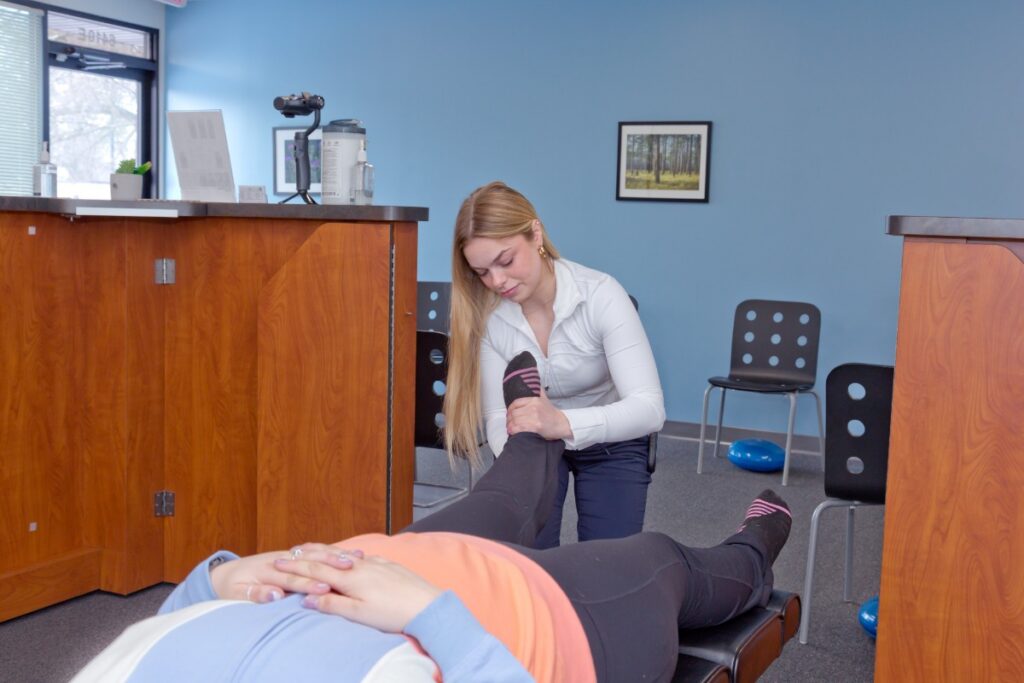
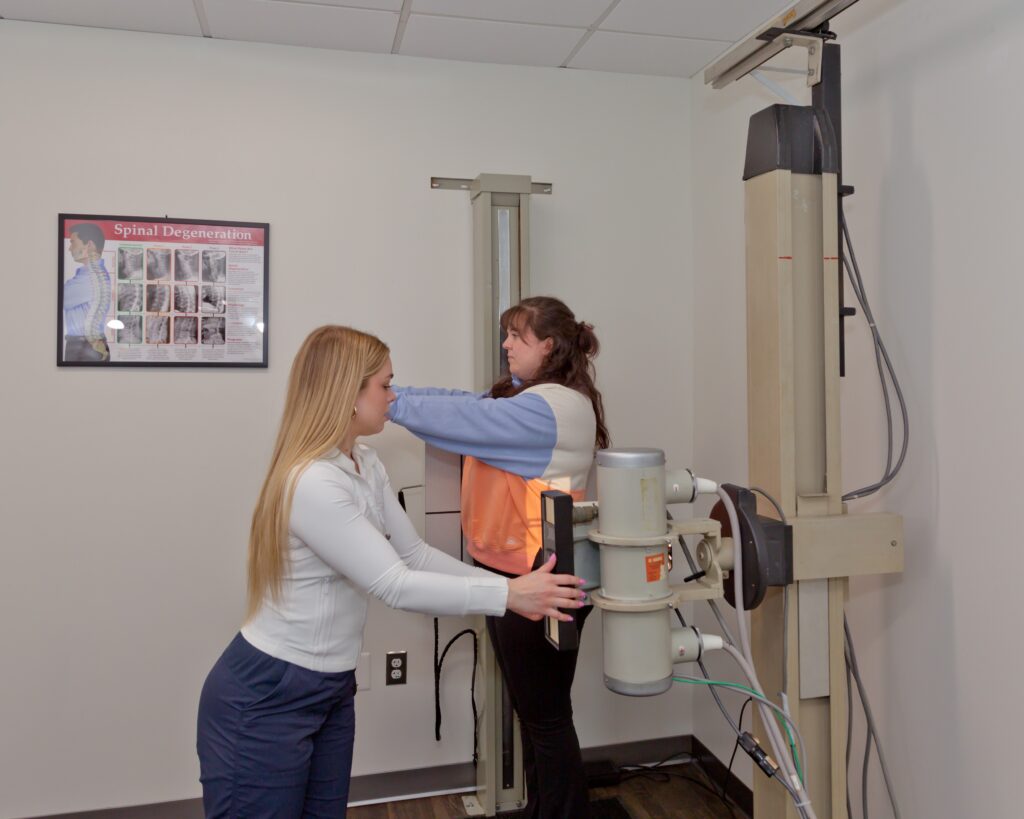
Another key component is incorporating chiropractic care into your recovery routine. Regular chiropractic adjustments can help align your spine, improve your posture, and enhance your overall body function. This natural approach to healing can alleviate pain and tension, allowing for a smoother recovery process.
Additionally, try incorporating gentle stretching or yoga into your routine. These practices can improve flexibility and reduce muscle tightness, promoting better recovery.
Lastly, stay hydrated! Proper hydration is vital for muscle recovery, so make sure you’re drinking enough water throughout the day.
By focusing on these essential elements—sleep, nutrition, chiropractic care, gentle movement, and hydration—you can significantly improve your recovery time and enhance your athletic performance. Remember, taking care of your body naturally is the best way to achieve optimal health and wellness.
Key Takeaways
- Prioritize recovery by incorporating gentle stretching and low-impact activities, which not only enhance muscle repair but also help prevent injuries. Chiropractic care can support these methods by ensuring your spine is properly aligned, promoting better overall movement and flexibility.
- Aim for 7–9 hours of quality sleep each night. Sleep is vital for healing and muscle recovery, and regular chiropractic adjustments can improve your sleep quality by reducing discomfort and promoting relaxation.
- Stay hydrated and replenish electrolytes with water and nutrient-rich foods. Proper hydration supports muscle function and reduces fatigue. Consider visiting a chiropractor who can provide personalized advice on maintaining optimal hydration for your body.
- After a workout, enjoy a balanced meal that includes proteins, carbohydrates, and healthy fats within 30–60 minutes. This helps maximize recovery benefits. Pair this with chiropractic care to ensure your body is functioning at its best, aiding in nutrient absorption and muscle repair.
- Explore recovery techniques like cryotherapy, compression therapy, and mindfulness practices. Chiropractic care can complement these methods by relieving tension and stress in your body, enhancing both physical and mental resilience. Regular chiropractic visits can help you maintain your body’s balance, making recovery from workouts easier and more efficient.
By integrating these practices with chiropractic care, you can achieve optimal health and wellness, ensuring a speedy recovery and a more active lifestyle.
The Importance of Recovery in Athletic Performance
While you might focus on training hard, it’s crucial to understand that recovery is just as important for enhancing your athletic performance. Skipping recovery can lead to fatigue, a higher risk of injury, and less impressive results. After intense workouts, your muscles need time to repair and rebuild, which is vital for building strength and endurance.
Incorporating recovery into your routine allows your body to adapt to the stresses of training, ultimately optimizing your performance. Recovery isn’t just about resting; it also involves active recovery methods like gentle stretching or engaging in low-impact activities that promote movement without overexertion.
One of the best ways to support recovery is through chiropractic care. Regular adjustments can help reduce tension, improve mobility, and enhance your overall well-being. When your spine is aligned properly, your nervous system functions optimally, which is essential for healing and recovery.
Additionally, quality sleep plays a significant role in recovery. During sleep, your body works hard to heal and repair itself, making it an essential component of your athletic journey.
Nutritional Strategies to Enhance Recovery
Fuel your body with the right nutrients to enhance your recovery and support your overall wellness. After intense workouts, your muscles require protein to repair and rebuild. Opt for lean sources such as chicken, fish, or plant-based options like lentils and quinoa. Remember, carbohydrates are also vital; they help replenish your energy stores. Whole grains, fruits, and vegetables are excellent choices to keep you energized and ready for your next activity.
Don’t overlook the importance of healthy fats, which can help reduce inflammation and support your body’s healing processes. Add avocados, nuts, and olive oil to your meals for a nutritious boost. Timing your meals is key; try to enjoy a balanced meal or snack within 30 to 60 minutes post-exercise to maximize the benefits of your hard work.
Vitamins and minerals are crucial for your overall health and muscle function. Incorporating a colorful variety of fruits and vegetables ensures you’re getting a wide range of essential nutrients. By adopting these nutritional strategies, you’ll not only enhance your recovery but also support your body in achieving optimal health.
Additionally, consider how chiropractic care can complement your wellness journey. Regular chiropractic adjustments can help alleviate pain, improve mobility, and enhance your body’s natural ability to heal. By prioritizing both nutrition and chiropractic care, you’ll be on the path to a healthier, more active lifestyle. Remember, taking care of your body through proper nutrition and chiropractic support is a natural way to promote your overall well-being and performance.
Hydration: The Key to Optimal Recovery
Hydration is crucial for your recovery and overall well-being, especially when it comes to maintaining a healthy spine. As a chiropractor, I want to emphasize how proper hydration can’t only enhance your performance but also support your body’s natural healing processes. Keeping your fluid levels balanced and replenishing electrolytes after intense workouts is essential in helping your body bounce back.
When you’re well-hydrated, your muscles and joints function better, which can reduce the risk of pain and discomfort. Here are some simple tips to improve your hydration and recovery:
- Drink Water Regularly: Aim to drink water throughout the day, not just during or after workouts. This helps maintain fluid balance in your body.
- Electrolyte Replenishment: After intense exercise, consider consuming foods or drinks rich in electrolytes, like bananas or coconut water, to help replenish what you’ve lost through sweat.
- Timing is Key: Hydrate before, during, and after your workouts to maximize recovery. This can prevent dehydration and support your spinal health.
- Listen to Your Body: Pay attention to signs of dehydration, such as fatigue, headaches, or dry mouth. If you notice these symptoms, increase your fluid intake.
- Align with Chiropractic Care: Regular chiropractic adjustments can improve your body’s function and efficiency, making it easier for you to stay active and hydrated.
Importance of Fluid Balance
To achieve peak recovery after intense physical activity, maintaining fluid balance is crucial, especially for those who value natural wellness and holistic health. When you exercise, your body loses fluids through sweat, and if you don’t replenish them, it can hinder your recovery process. Dehydration can lead to fatigue, decreased performance, and longer recovery times, which can impact your overall well-being.
As a chiropractor, I encourage you to prioritize hydration as a part of your wellness routine. Drinking water before, during, and after your workout can make a significant difference. Listen to your body’s thirst signals and keep an eye on the color of your urine; a pale yellow is a good indicator that you’re well-hydrated. Instead of just gulping down large amounts of water at once, aim for consistent fluid intake throughout the day to maintain that balance.
Proper hydration isn’t just about quenching your thirst—it’s vital for aiding in nutrient transport, regulating body temperature, and supporting muscle function, all of which are essential for effective recovery. By focusing on your fluid balance, you can help your body bounce back faster from physical exertion and maintain optimal health.
Electrolyte Replenishment Strategies
Replenishing electrolytes plays a vital role in your recovery after intense workouts, and it can also support your overall wellness. When you sweat, you lose important minerals like sodium, potassium, and magnesium, which are crucial for your body’s function. To help your body bounce back, consider adding electrolyte-rich foods such as bananas, spinach, or coconut water to your post-workout meals.
While sports drinks can be a convenient option, it’s best to choose those that are low in sugar to avoid extra calories. You might also explore electrolyte tablets or powders that can be easily mixed with water for a quick boost.
Listening to your body is key. If you experience fatigue or cramping, it might indicate that you need more electrolytes. Staying proactive with your hydration and nutrition strategies not only supports your recovery but also enhances your overall performance in future workouts.
In addition to focusing on electrolytes, don’t forget the importance of chiropractic care in your health journey. Regular chiropractic adjustments can help keep your body aligned, improve your posture, and reduce discomfort, paving the way for better performance and recovery. By integrating chiropractic care into your wellness routine, you can promote natural healing and achieve optimal health. Take charge of your well-being, and remember that a holistic approach—combining proper nutrition, hydration, and chiropractic care—can lead to the best results for your body.
Timing Your Hydration
Timing Your Hydration for Optimal Recovery
After an intense workout, knowing when to hydrate is just as important as the fluids you choose. Your body loses significant amounts of water and electrolytes during exercise, so timing your hydration can greatly impact your recovery. Aim to drink water or electrolyte-rich beverages within 30 minutes post-workout; this not only supports your recovery but also helps keep your spine and muscles healthy. Staying hydrated ensures that your body can properly flush out toxins and maintain good joint function, which is vital for overall wellness.
Continue to sip fluids regularly throughout the day, especially if you’re feeling thirsty or if your urine appears darker than usual. Proper hydration isn’t just about chugging water all at once; instead, consistent and mindful hydration keeps your muscles functioning optimally and aids in recovery. This is especially important for those engaging in regular chiropractic care, as hydration supports the alignment and health of your spine.
Listen to your body and adjust your fluid intake based on the intensity and duration of your workouts. Remember, staying well-hydrated can help prevent soreness and stiffness, allowing you to bounce back stronger for your next session. By incorporating proper hydration strategies into your routine, you can enhance your overall health and wellness, making chiropractic care an even more effective part of your journey towards optimal health.
Innovative Recovery Techniques and Tools
As a local chiropractor, I want to share with you some innovative recovery techniques that can enhance your healing process and support your overall performance, all while focusing on natural wellness. One popular method is cryotherapy, which involves exposing your body to extreme cold to help reduce inflammation and soreness. However, if you’re looking for a more gentle approach, consider incorporating chiropractic adjustments into your routine. These adjustments can help realign your spine, alleviate pain, and promote better overall function.
Another effective recovery technique is compression therapy. This method improves circulation and helps flush out toxins from your body after intense workouts. Alongside this, myofascial release tools, such as foam rollers or massage balls, can be beneficial in relieving tension and improving flexibility. Remember, regular chiropractic care can also aid in maintaining proper muscle balance and reducing tension throughout your body.
Infrared saunas are gaining popularity too, as they promote muscle relaxation and detoxification. While enjoying these saunas, don’t forget the importance of spinal health; maintaining a healthy spine can enhance your overall wellness and recovery.
Wearable technology can also be a helpful addition to your recovery routine. Devices that track your recovery metrics can provide insights into when to push yourself and when to rest. However, the best guidance often comes from listening to your own body and consulting with your chiropractor to ensure you’re on the right path.
Lastly, proper nutrition plays a vital role in recovery. Incorporating natural supplements, like BCAAs and electrolytes, can be beneficial. But remember, a balanced diet rich in whole foods is the foundation of good health and recovery.
The Role of Sleep in Athletic Recovery
As a local chiropractor, I want to share an important aspect of athletic recovery that often gets overlooked: the power of sleep. Quality sleep is crucial for your body to repair and regenerate, especially after physical activity. During deep sleep, the body releases growth hormones that are essential for muscle recovery and tissue repair. Without enough rest, you may experience slower recovery times and a drop in your performance.
To optimize your sleep and overall wellness, aim for 7-9 hours of uninterrupted sleep each night. Establishing a consistent sleep schedule can significantly enhance your sleep quality. Create a calming environment by keeping your bedroom dark and cool, which can help you drift off more easily. It’s also a good idea to avoid screens before bedtime, as the blue light from devices can interfere with your natural sleep cycle.
Mental Recovery: Strategies for a Strong Comeback
Mental recovery is just as important as physical recovery when it comes to achieving optimal health and performance. To ensure a strong comeback, it’s essential to focus on your mental well-being. Start by setting realistic goals that are easily achievable. Break your recovery down into small, manageable steps, and take time to celebrate each victory, no matter how small.
Visualization techniques can be incredibly beneficial. Imagine yourself not just overcoming obstacles but thriving in your sport, filled with confidence and determination. This mental imagery can help reinforce a positive mindset.
Incorporating mindfulness practices into your daily routine can also aid in mental recovery. Simple activities like meditation or deep-breathing exercises can help clear your mind and reduce feelings of anxiety, allowing you to focus better on your goals.
Surround yourself with supportive teammates and coaches who uplift you. A positive environment plays a significant role in building mental resilience and can enhance your overall recovery process.
If you find yourself facing persistent mental challenges, don’t hesitate to seek guidance from a professional. A sports psychologist can help tailor strategies that fit your specific needs, ensuring you navigate your mental hurdles effectively.
Remember, a strong mind works hand-in-hand with a healthy body. Alongside these practices, consider visiting a chiropractor. Chiropractic care not only promotes physical recovery through spinal adjustments but also enhances your overall wellness. A healthy spine contributes to better nerve function, which can improve your mood and mental clarity, leading to a more positive outlook on your recovery journey.
Prioritizing both your mental and physical health will set you up for a triumphant return to the field.
Conclusion
Incorporating these recovery strategies into your routine can significantly enhance your athletic performance and help you bounce back faster, all while focusing on natural healing methods. Prioritizing quality sleep is crucial; it allows your body to repair itself and recover from the wear and tear of physical activity. Fuel your body with the right nutrients—think whole foods rich in vitamins and minerals—to support your recovery and keep your energy levels high. Staying hydrated is also essential; proper hydration can help prevent cramps and aid in muscle function.
Don’t overlook the power of gentle active recovery, such as light stretching and walking, which can promote blood flow and reduce stiffness. Mindfulness practices, like meditation, can help keep your mind sharp and focused, which is just as important as physical recovery.
Most importantly, consider incorporating chiropractic care into your routine. Regular adjustments can help align your spine, improve your overall mobility, and alleviate pain, making it easier for your body to recover. By embracing these natural techniques, including chiropractic, you’ll not only recover quicker but also lay a solid foundation for your next big achievement in sports and wellness. Remember, taking care of your spine is key to optimal health and performance!