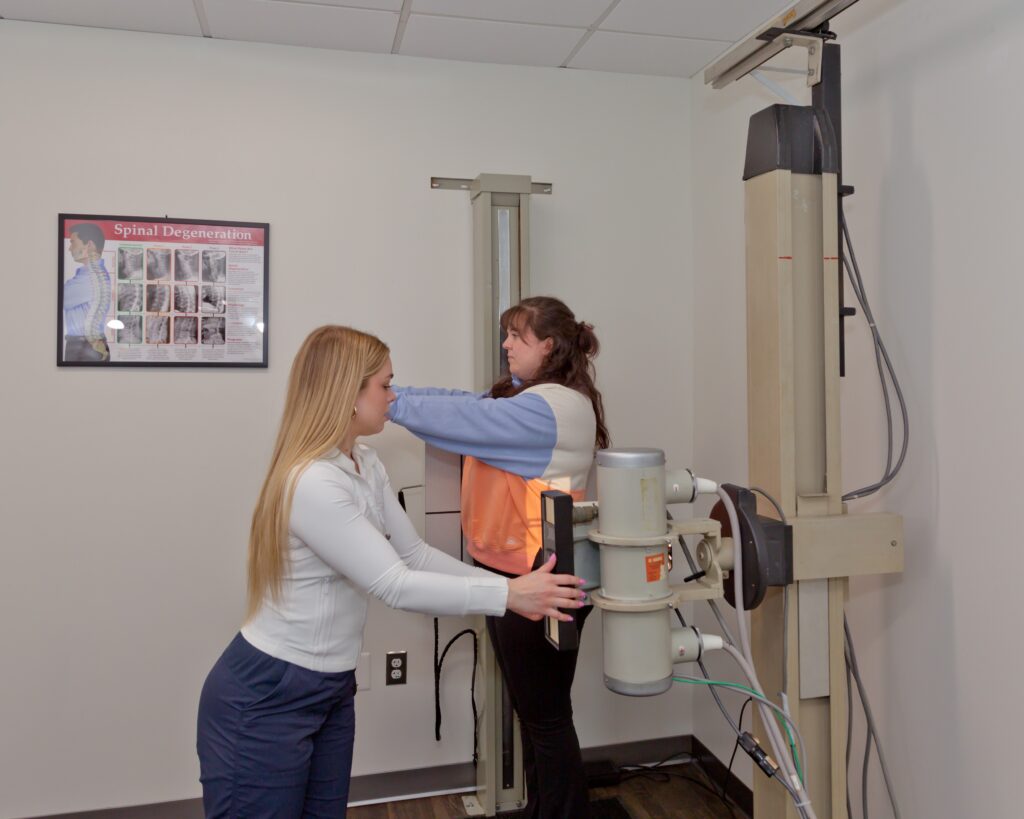

If you’re dealing with chronic tension headaches, you may be pleasantly surprised by the healing power of chiropractic care. Chiropractors utilize a range of natural techniques, from spinal adjustments to lifestyle and nutritional guidance, to tackle the underlying causes of your discomfort. Each method is designed to work in harmony, offering a comprehensive approach to headache management. Interested in how these strategies can work together to provide relief? Let’s dive into the top ten ways chiropractic care can make a real difference in your life.
- Spinal Adjustments: By realigning the spine, chiropractors can relieve pressure on nerves that may be contributing to headache pain. This adjustment can improve overall spinal function and reduce tension.
- Posture Correction: Poor posture is a common culprit for tension headaches. Chiropractors can help identify and correct postural issues, leading to less strain on your neck and shoulders.
- Muscle Relaxation Techniques: Chiropractors often incorporate various techniques such as massage or myofascial release to relax tight muscles that can trigger headaches.
- Stress Management: Stress is a major factor in tension headaches. Chiropractors can provide guidance on stress reduction techniques, such as breathing exercises and mindfulness practices.
- Nutritional Advice: Your diet plays a crucial role in your overall health. A chiropractor can recommend nutritional changes that may help reduce the frequency and intensity of headaches.
- Exercise Recommendations: Regular physical activity can help prevent tension headaches. Chiropractors can design personalized exercise programs that strengthen muscles and improve flexibility.
- Hydration Tips: Staying hydrated is essential for preventing headaches. Chiropractors can provide advice on proper hydration and its impact on your overall wellness.
- Ergonomic Adjustments: Whether at work or home, your environment can contribute to headaches. Chiropractors can suggest ergonomic modifications to your workspace to reduce strain.
- Lifestyle Coaching: Chiropractors can offer insights into healthy lifestyle choices that promote overall well-being, helping you manage stress and tension more effectively.
- Holistic Approach: Chiropractic care focuses on the body as a whole. By addressing not just the symptoms but the root causes of tension headaches, chiropractors aim to restore balance and promote long-term health.
By exploring these strategies, you can experience significant relief from chronic tension headaches naturally and effectively. Chiropractic care offers a safe, non-invasive path to optimal health, allowing you to live a more comfortable and vibrant life. Remember, it’s essential to communicate with your chiropractor about your symptoms and goals to create a tailored plan just for you. Embrace the journey to wellness and let chiropractic care guide you every step of the way!
Key Takeaways
As a local chiropractor, I want to share with you the wonderful ways chiropractic care can relieve chronic tension headaches. Here are some effective methods that can help you feel better naturally:
- Chiropractic Adjustments: Regular adjustments help correct spinal misalignments. This not only enhances blood flow but also reduces muscle tension that often contributes to chronic tension headaches. By realigning your spine, we can alleviate the pressure that builds up in your neck and shoulders.
- Manual and Soft-Tissue Therapies: Techniques such as trigger point therapy can work wonders. By focusing on tight muscles, we can release tension and improve your overall mobility, which in turn alleviates headache pain.
- Heat Therapy: Applying heat to tight muscles can be incredibly soothing. It helps to relax those tense areas and improves circulation, relieving the pressure that might be triggering your headaches.
- Posture and Ergonomics: Maintaining good posture is key in preventing unnecessary strain on your neck and shoulders. Simple adjustments to your workspace or how you sit can make a big difference in reducing the frequency of headaches.
- Stress Management: Techniques like yoga and deep breathing are fantastic for managing stress, which is often a major contributor to chronic headaches. Incorporating these practices into your daily routine can help keep tension at bay.
Remember, chiropractic care focuses on natural healing and achieving optimal health without the need for medications or surgeries. By addressing the root cause of your tension headaches through these gentle and effective methods, you can enjoy a healthier, pain-free life. If you’re struggling with headaches, I encourage you to reach out and explore how chiropractic care can make a positive impact on your well-being!
Spinal Adjustments to Alleviate Tension
When tension headaches strike, spinal adjustments can be a game-changer for relief. These adjustments focus on correcting misalignments in your spine, which can lead to muscle tension and discomfort in your head. By bringing your spine back into proper alignment, I can help enhance blood flow and nerve function, which may significantly reduce your headache pain.
During your visit, I’ll take the time to evaluate the state of your spine and gently apply pressure to specific areas that need attention. This not only helps to alleviate tension but also encourages relaxation throughout your entire body. Many patients report feeling immediate relief after just one session, and regular adjustments can lead to long-lasting benefits.
One of the added perks of improved spinal alignment is better posture. Good posture can play a crucial role in preventing future tension headaches. By incorporating regular chiropractic adjustments into your wellness routine, you empower yourself to manage stress more effectively and support a healthier lifestyle overall.
Soft Tissue Therapy for Muscle Relaxation
Soft tissue therapy is an excellent way to relax tight muscles and ease the discomfort of tension headaches. As your local chiropractor, I want to share how this natural approach can help you achieve optimal health without the need for surgeries or medications.
During soft tissue therapy, I utilize gentle techniques such as massage, stretching, and myofascial release to address the root causes of your muscle tension. By concentrating on specific areas, we can enhance blood flow to your muscles, improving oxygen delivery and aiding in the healing process.
As you go through this therapy, you’ll likely feel reduced muscle stiffness and increased mobility, allowing you to enjoy your daily activities more freely. Additionally, I can provide you with simple strategies to maintain muscle relaxation at home.
This may include gentle stretching exercises, staying hydrated, and practicing good posture throughout your day. These tips can help keep tension headaches at bay and promote overall wellness.
Incorporating soft tissue therapy into your routine is a proactive step towards lasting relief and better health. I encourage you to reach out to me for guidance on how this effective method can support your journey to a pain-free life.
Together, we can work towards your wellness goals and help you feel your best naturally.
Posture Correction Techniques
Proper posture is vital for preventing tension headaches and enhancing overall health. When you maintain a neutral spine and keep your head aligned over your shoulders, you significantly reduce strain on your neck and upper back muscles. As a chiropractor, I assess your posture to pinpoint areas needing improvement and recommend specific exercises to strengthen your core and enhance your spinal alignment.
Making ergonomic adjustments in your workspace can also help immensely. Ensure your chair provides adequate support for your lower back, and position your computer screen at eye level to prevent hunching. Remember to take regular breaks to stretch and reset your posture; these small actions can lead to significant benefits.
Incorporating mindfulness about your posture throughout the day is another effective strategy. By becoming more aware of how you sit, stand, and move, you can greatly diminish the frequency and intensity of tension headaches. With consistent practice, maintaining proper posture will become easier, leading to lasting relief.
Chiropractic care is one of the best ways to achieve optimal health and wellness. By focusing on natural healing and spinal education, we can work together to ensure your body functions at its best. If you’re struggling with tension headaches or poor posture, don’t hesitate to reach out for assistance. Together, we can create a healthier, happier you!
Stress Management Strategies
Many individuals often overlook how stress can contribute to tension headaches. Effectively managing stress can significantly reduce the frequency and intensity of these headaches, and chiropractic care can play a vital role in helping you achieve that balance.
Here are some simple strategies you can integrate into your daily routine, alongside the benefits of chiropractic care:
- Practice deep breathing: Take a few minutes each day to focus on your breath. Deep breathing can help calm your mind and reduce tension. Remember, chiropractic adjustments may also help improve your body’s response to stress by aligning your spine and optimizing nerve function.
- Engage in physical activity: Regular exercise is essential for overall health and wellness. It releases endorphins, which are natural stress relievers. Plus, maintaining a healthy spine through chiropractic adjustments can enhance your physical performance and help prevent injuries.
- Establish a relaxation routine: Whether it’s yoga, meditation, or simply reading, find activities that help you unwind. Incorporating gentle stretches into your routine can be beneficial for your spine, and many chiropractors offer guidance on specific exercises that promote relaxation and spinal health.
- Prioritize sleep: Quality sleep is crucial for recovery and stress management. A well-aligned spine can improve your sleep quality, and regular chiropractic care can help address any musculoskeletal issues that may be interfering with your rest.
- Connect with others: Spending time with friends or family can alleviate stress and improve your mood. Consider discussing your wellness journey with your chiropractor; they can provide support and guidance tailored to your needs.
Nutritional Guidance for Headache Relief
When it comes to alleviating tension headaches, proper nutrition can be incredibly beneficial. As a chiropractor, I believe that incorporating specific nutrients into your diet can help reduce the frequency and intensity of headaches, alongside the natural healing benefits of chiropractic care. Focusing on hydrating foods, magnesium-rich options, and anti-inflammatory ingredients can enhance your overall wellness.
Here’s a simple overview of foods that can support your body in managing headaches:
| Nutrient | Recommended Foods |
|---|---|
| Hydration | Watermelon, cucumber, oranges |
| Magnesium | Spinach, nuts, whole grains |
| Omega-3 Fatty Acids | Salmon, flaxseeds, walnuts |
Staying hydrated and consuming a balanced diet rich in whole foods is essential. Also, limiting processed foods, sugars, and caffeine can significantly help in managing those pesky tension headaches.
It’s important to remember that chiropractic care plays a vital role in achieving optimal health. Regular chiropractic adjustments can help alleviate tension in your neck and spine, which may contribute to headache relief. By combining good nutrition with chiropractic care, you can empower your body to combat tension headaches more effectively and promote overall wellness.
Exercise Recommendations for Strengthening
To effectively manage and prevent tension headaches, it’s essential to incorporate targeted exercises into your daily routine. These exercises not only strengthen specific muscle groups but also promote better posture, which can significantly alleviate headache symptoms.
As a chiropractor, I believe that chiropractic care combined with these simple exercises can lead to optimal health and natural relief. Here are some exercises to consider:
- Neck Stretches: Gently tilt your head from side to side to stretch tight neck muscles. This can help release built-up tension and improve flexibility.
- Shoulder Rolls: Roll your shoulders forward and backward to relieve tension in the upper back. This exercise is a great way to relax after a long day at your desk.
- Chin Tucks: Pull your chin gently toward your chest. This exercise strengthens your neck muscles and promotes proper spinal alignment, which is crucial for reducing headache pain.
- Upper Back Extensions: Stand tall and arch your back slightly. This helps open up your chest, relieving tightness in the upper back and improving overall posture.
- Core Strengthening: Engaging in exercises like planks or sit-ups helps support your overall posture. A strong core can reduce strain on your neck and shoulders, which can contribute to tension headaches.
Incorporating these exercises into your routine can make a significant difference in managing chronic tension headaches. Remember, regular chiropractic care complements these exercises by addressing spinal alignment and overall wellness.
Prioritize your health naturally, and consider visiting your chiropractor for personalized guidance to enhance your well-being.
Trigger Point Therapy to Release Tension
Trigger point therapy is a powerful technique that can help you find relief from tension and discomfort, especially if you suffer from headaches. As a chiropractor, I focus on identifying specific muscle knots, known as trigger points, that may be the underlying cause of your pain. By applying targeted pressure to these areas, we can release muscle tightness and promote relaxation throughout not just your head, but also your neck and shoulders.
During a session, I’ll use my hands or specialized tools to gently apply pressure to these trigger points. This focused approach helps to break down tension in the muscles, encourages healthy blood flow, and reduces inflammation. As a result, you may feel immediate relief from pain and an improvement in your mobility.
Incorporating trigger point therapy into your wellness routine can also be a proactive way to prevent future headaches. Keeping your muscles relaxed and balanced is key to maintaining overall health and well-being. If you struggle with chronic tension headaches, consider making trigger point therapy part of your journey towards natural relief.
Here are some simple tips you can practice at home to complement your chiropractic care:
- Stay Hydrated: Drinking plenty of water can help reduce muscle tension.
- Practice Good Posture: Be mindful of your posture, especially while working at a desk, to avoid unnecessary strain on your neck and shoulders.
- Regular Stretching: Incorporate gentle stretching into your daily routine to keep your muscles flexible and relaxed.
- Take Breaks: If you spend long periods sitting or doing repetitive tasks, take short breaks to move around and relieve tension.
Heat and Cold Therapy Applications
When you’re experiencing tension headaches, incorporating heat and cold therapy into your routine can be incredibly beneficial. As a chiropractor, I often emphasize the importance of these natural methods for pain relief and wellness.
Heat therapy is excellent for relaxing tight muscles and enhancing blood flow, which can alleviate the pressure that often contributes to headaches. You might consider using a warm compress or heating pad on your neck and shoulders to help ease muscle tension.
On the other hand, cold therapy can be effective in reducing inflammation and numbing pain. A cold pack or a bag of frozen peas wrapped in a cloth applied to your forehead or the back of your neck can provide quick relief.
By understanding how to effectively use these therapies, you can empower yourself to manage your headaches better. Remember, while these methods can help, maintaining a healthy spine through regular chiropractic care can address the root causes of tension headaches and promote overall wellness.
Incorporate these techniques into your self-care routine, and consider visiting a chiropractor for a personalized plan to ensure your spine and nervous system are functioning optimally. Your journey to a pain-free life starts with natural, holistic approaches!
Benefits of Heat Therapy
Heat therapy is a fantastic natural approach to ease tension headaches, providing a comforting way to reduce discomfort. By increasing blood flow and relaxing tight muscles, heat therapy can be incredibly beneficial in alleviating headache pain. Here are some of the key benefits that highlight why you should consider integrating heat therapy into your wellness routine, alongside chiropractic care:
- Relaxes tense muscles: Heat helps loosen tight muscles, promoting relaxation and reducing stiffness, which is essential for overall spinal health.
- Improves circulation: The warmth boosts blood flow, delivering vital oxygen and nutrients to your muscles and tissues, supporting recovery and wellness.
- Reduces pain perception: By applying heat, you can distract your brain from pain signals, making it easier to manage discomfort naturally.
- Enhances flexibility: Heat therapy increases your range of motion in tight areas, making it easier to move and reducing the risk of injury.
- Creates a calming effect: The soothing warmth can create a sense of comfort and well-being, contributing to overall mental and physical health.
Incorporating heat therapy into your daily routine, along with regular chiropractic adjustments, can significantly enhance your relief from chronic tension headaches. Remember to listen to your body and combine these practices for a holistic approach to your health.
Always consult with your chiropractor for personalized advice on how to best integrate heat therapy into your wellness plan.
Cold Therapy Techniques
While heat therapy is often recommended for easing tension headaches, don’t overlook the benefits of cold therapy techniques as part of your pain management strategy. Applying cold packs to your forehead or neck can help numb pain and reduce inflammation. A simple and effective method is to use an ice pack wrapped in a cloth for about 15-20 minutes. You might also find relief with a cold gel mask that molds to your face, delivering a soothing sensation.
These cold therapy methods can assist in constricting blood vessels, which may lessen the intensity of your headache. Moreover, incorporating cold therapy into your relaxation routine can help you manage stress more effectively. This is particularly beneficial for those suffering from chronic tension headaches.
In addition to these techniques, remember that chiropractic care plays a vital role in achieving optimal health and wellness. By addressing misalignments in your spine, a chiropractor can help improve your overall body function and reduce headache frequency and intensity. Always feel free to discuss these cold therapy methods and how they can complement your chiropractic treatment with your chiropractor. Together, we can develop a comprehensive approach to managing your tension headaches and enhancing your well-being.
Lifestyle Modifications to Reduce Frequency
Making simple lifestyle modifications can significantly reduce the frequency of tension headaches and promote overall wellness. As a chiropractor, I believe that addressing the root causes of pain through natural methods is essential for optimal health. Here are some effective strategies to help you achieve a healthier mind and body, leading to fewer headaches:
- Stay Hydrated: Ensure you drink plenty of water throughout the day. Dehydration can be a sneaky trigger for headaches, so keeping hydrated is a simple yet powerful way to protect yourself.
- Manage Stress: Incorporating stress-relief techniques like yoga or meditation can help alleviate tension that contributes to headaches. These practices not only calm the mind but also promote better spinal alignment and overall wellness.
- Maintain Good Posture: Be mindful of your posture, especially if you spend long hours at a desk. Poor posture can strain your neck and shoulders, leading to headaches. Consider regular chiropractic adjustments to maintain proper spinal alignment, which can help prevent tension buildup.
- Get Enough Sleep: Aim for 7-9 hours of quality sleep each night. Adequate rest supports your body’s healing processes and can greatly reduce headache frequency. If you’re having trouble sleeping, a chiropractor can help identify any underlying issues contributing to sleep disturbances.
- Limit Caffeine and Alcohol: Be cautious with your intake of caffeine and alcohol. Both can lead to dehydration and may trigger headaches. Finding a balance and reducing these substances can have a positive impact on your overall health.
Implementing these lifestyle adjustments can make a significant difference in managing tension headaches and enhancing your well-being. Remember, chiropractic care is a natural and effective way to support your body in achieving optimal health and pain relief.
Embrace these tips, and consider visiting your chiropractor for personalized strategies that work best for you.
Patient Education on Headache Management
Understanding your headache triggers is essential for effectively managing and preventing future episodes. One of the best ways to stay informed about your condition is through regular check-ups with your chiropractor. Chiropractors specialize in spinal health, and they can help identify any misalignments or tension that may contribute to your headaches. By focusing on natural healing methods, chiropractic care can be a powerful tool for pain relief and overall wellness.
Here are some tips to take control of your headache management:
- Keep a Headache Diary: Document when your headaches occur and what may have triggered them. This can help you and your chiropractor identify patterns and make necessary adjustments to your care.
- Stay Hydrated: Dehydration can often lead to headaches. Make sure to drink plenty of water throughout the day.
- Maintain Good Posture: Poor posture can strain your neck and back, potentially leading to headaches. Be mindful of your posture at work and home, especially if you spend long hours sitting.
- Incorporate Relaxation Techniques: Practices like deep breathing, meditation, or gentle yoga can help reduce stress, a common headache trigger.
- Regular Chiropractic Adjustments: Regular visits to your chiropractor can help keep your spine aligned, reduce tension in your muscles, and promote better overall health, which can significantly decrease the frequency and intensity of headaches.
Understanding Headache Triggers
Identifying headache triggers is essential for effectively managing tension headaches, and as a chiropractor, I believe that understanding these triggers can help you take proactive steps toward natural healing and better health.
Here are some common headache triggers to be aware of, along with tips on how chiropractic care can play a role in alleviating them:
- Stress: High-pressure situations or emotional strain can lead to tension. Regular chiropractic adjustments can help reduce stress by promoting relaxation and improving overall spinal health. Consider incorporating stress-relief techniques like deep breathing or yoga alongside your chiropractic care.
- Poor posture: Slouching or straining your neck can contribute significantly to headaches. Chiropractic care focuses on aligning the spine and improving posture, which can alleviate the tension that leads to headaches. Be mindful of your posture, especially when sitting for long periods, and consider taking breaks to stretch your neck and back.
- Dehydration: Not drinking enough water can cause significant discomfort, including headaches. Staying hydrated is crucial for overall health.
Remember to drink plenty of water throughout the day, especially if you’re active. Proper hydration also supports spinal health by maintaining the cushioning in your discs.
- Sleep disturbances: Irregular sleep patterns or insufficient rest may trigger headaches. Establishing a consistent sleep routine is important. Chiropractic care can help improve your sleep quality by addressing any spinal misalignments that might be affecting your rest.
- Caffeine: Excessive caffeine intake or withdrawal can lead to headache episodes. If you enjoy caffeine, try to consume it in moderation and be mindful of your body’s response. Chiropractic adjustments can help manage tension headaches that may arise from caffeine-related issues by promoting relaxation and reducing overall tension in the body.
Incorporating chiropractic care into your wellness routine can provide effective pain relief and enhance your overall health.
Importance of Regular Check-ups
Many people underestimate the significance of regular check-ups when it comes to managing tension headaches. You may feel that once you’ve found some relief, there’s no need to keep visiting your chiropractor. However, these check-ups are crucial for maintaining your well-being and ensuring ongoing headache relief.
During your chiropractic appointments, I can evaluate your progress, identify any new triggers that might be contributing to your headaches, and tailor your treatment plan to fit your current needs. Consistent visits help maintain proper spinal alignment and muscle balance, which are essential in reducing the chances of future headaches.
Additionally, these appointments provide a valuable opportunity for you to voice any concerns or changes you’ve noticed in your condition. Keeping an open line of communication is key to effective care. By staying proactive with your chiropractic visits, you can enjoy long-term relief and enhance your overall quality of life.
Here are some simple tips to help manage tension headaches and support your well-being:
- Stay Hydrated: Dehydration can contribute to headaches, so be sure to drink plenty of water throughout the day.
- Practice Good Posture: Maintaining proper posture, especially while sitting or working at a desk, can help prevent tension from building up in your neck and shoulders.
- Regular Exercise: Engaging in regular physical activity can improve circulation and reduce stress, which may help alleviate headache symptoms.
- Stretch and Relax: Incorporating stretching and relaxation techniques such as yoga or deep breathing exercises can help relieve tension in your muscles.
- Sleep Well: Ensure you’re getting adequate rest, as a lack of sleep can trigger headaches.
Conclusion
Incorporating chiropractic methods can significantly alleviate chronic tension headaches and promote overall wellness. By emphasizing spinal adjustments, stress management techniques, and healthy lifestyle changes, you can take meaningful steps toward achieving relief from pain. It’s essential to maintain regular appointments with your chiropractor and stay informed about your headache triggers.
Chiropractic care focuses on restoring balance in your body, which can help reduce both the frequency and intensity of your headaches. Some simple tips include practicing good posture, staying hydrated, and incorporating relaxation techniques such as deep breathing or gentle stretches into your daily routine.
Don’t hesitate to reach out to your local chiropractor for personalized support and guidance tailored to your needs. Together, we can work towards a healthier, pain-free life through the power of natural healing and wellness!