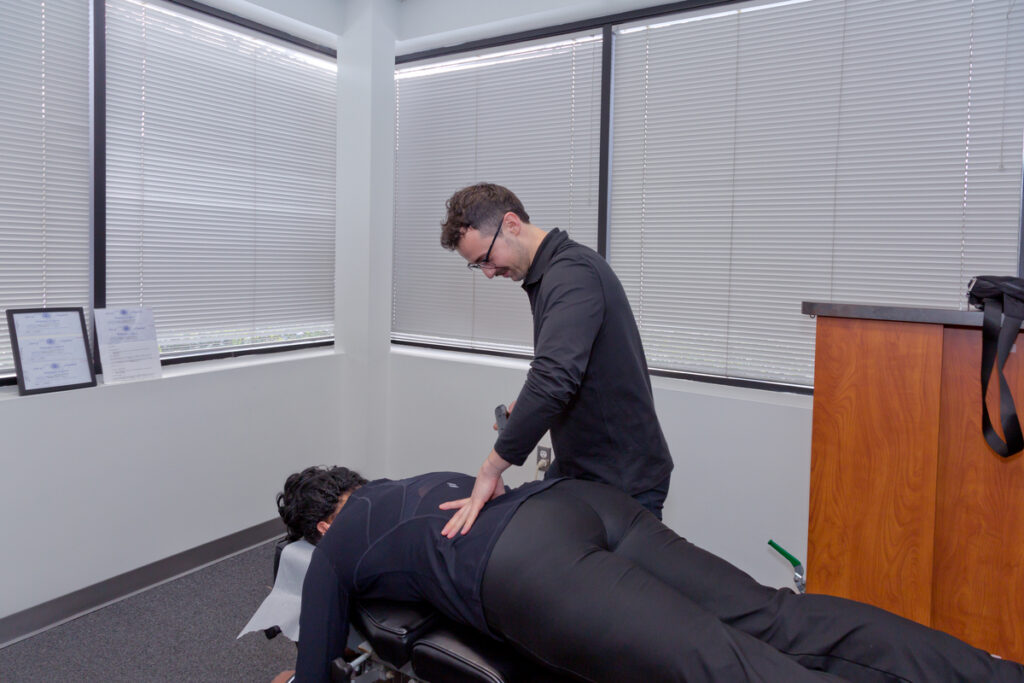

If you’re dealing with chronic migraines, you may feel disheartened by traditional treatments that often just cover up your symptoms. As a chiropractor, I want to share how alternative care, particularly chiropractic care, can provide a more effective solution. Rather than just treating the pain, chiropractic focuses on addressing the underlying issues that may be contributing to your migraines.
Through spinal adjustments and holistic methods, chiropractic care aims to restore balance and function to your body, which can lead to a reduction in migraine frequency and intensity. By correcting misalignments in your spine, we can help relieve nerve pressure and improve the communication between your brain and body, promoting natural healing.
In addition to chiropractic adjustments, consider incorporating some simple lifestyle changes to support your wellness. Staying hydrated, maintaining a healthy diet rich in fruits and vegetables, managing stress through techniques like yoga or meditation, and ensuring you get enough sleep can all contribute to fewer headaches.
Chiropractic care is a safe and natural way to promote overall well-being and pain relief. If you’re ready to explore a holistic approach that focuses on your health, chiropractic might be the best choice for you. Let’s work together to find the right strategies to help you live a pain-free life!
Understanding Chronic Migraines
When you experience chronic migraines, it’s more than just a headache; it can significantly disrupt your daily life and leave you feeling fatigued. Chronic migraines often occur 15 or more days a month, affecting your ability to work, socialize, and even enjoy the simple pleasures of life. Common triggers may include stress, certain foods, or changes in your sleep patterns, but pinpointing these triggers can sometimes be tough.
The pain associated with chronic migraines can range from moderate to severe and is often accompanied by uncomfortable symptoms like nausea and heightened sensitivity to light and sound. This unpredictability can make it challenging to plan your day. Some individuals even experience aura, which includes visual disturbances that can be confusing.
Understanding chronic migraines is crucial for effective management, and this is where chiropractic care can play a significant role. By focusing on spinal health, chiropractic adjustments can help alleviate tension and misalignments that may contribute to headaches. Many patients report experiencing fewer migraines and reduced pain levels after incorporating chiropractic care into their wellness routine.
Here are some general tips for managing chronic migraines naturally:
- Stay Hydrated: Dehydration can trigger migraines, so make sure you’re drinking plenty of water throughout the day.
- Maintain a Regular Sleep Schedule: Consistent sleep patterns can help reduce the frequency of migraines. Try going to bed and waking up at the same time every day.
- Practice Stress Reduction Techniques: Activities like yoga, meditation, and deep breathing exercises can help manage stress, which is a common trigger for migraines.
- Monitor Your Diet: Keep a food diary to identify any potential food triggers. Common culprits include aged cheeses, processed meats, and alcohol.
- Incorporate Regular Chiropractic Visits: Regular adjustments can help improve spinal alignment, reduce tension, and promote overall wellness, which may lead to fewer migraines.
Limitations of Conventional Treatments
Chiropractic care can be an excellent option for those suffering from chronic migraines, offering a natural path to relief.
While many traditional treatments, such as over-the-counter pain relievers, may provide only short-term comfort and can even lead to rebound headaches with frequent use, chiropractic care focuses on uncovering the root causes of your migraines.
Unlike prescription medications that often come with a laundry list of side effects like nausea and dizziness, chiropractic care prioritizes your overall wellness.
By addressing spinal alignment and nervous system function, chiropractic adjustments can help reduce the frequency and intensity of migraine episodes without the unwanted side effects associated with drugs.
One of the greatest advantages of chiropractic care is its personalized approach.
Each patient’s experience with migraines is unique, and as a chiropractor, I work closely with you to identify your specific triggers and develop a tailored treatment plan.
Strong communication is key in this process, and I encourage open dialogue to ensure you feel supported and understood throughout your healing journey.
In addition to chiropractic adjustments, here are some general wellness tips to help manage migraines naturally:
- Stay Hydrated: Dehydration can trigger migraines, so make sure you’re drinking plenty of water throughout the day.
- Maintain a Regular Sleep Schedule: Keeping a consistent sleep routine can help prevent migraines. Aim for 7-9 hours of quality sleep each night.
- Incorporate Relaxation Techniques: Stress is a common trigger for migraines. Techniques such as yoga, meditation, or deep breathing exercises can help reduce stress levels.
- Monitor Your Diet: Certain foods might trigger migraines in some individuals. Keeping a food diary can help you identify if specific foods are contributing to your headaches.
- Consider Regular Chiropractic Visits: Regular adjustments can help keep your spine aligned and your nervous system functioning optimally, which may lead to fewer migraines.
Exploring chiropractic care as your primary option for migraine relief can lead you to a healthier, more vibrant life.
It’s time to take a step towards holistic healing and embrace a natural approach to wellness!
The Holistic Approach to Healing
Embracing a holistic approach to healing means understanding that your body, mind, and spirit work together. When it comes to migraine relief, addressing all these aspects can lead to better results. Instead of just treating the symptoms, it’s important to look at the underlying factors that may be contributing to your migraines, such as stress, diet, and emotional health.
As a chiropractor, I believe that chiropractic care is a fantastic way to support your overall wellness. By focusing on spinal health and alignment, we can help reduce tension and improve your body’s ability to function optimally, which may in turn lessen the frequency and intensity of migraines.
In addition to regular chiropractic adjustments, integrating practices that support your mental and emotional well-being can make a big difference. Consider incorporating mindfulness techniques like meditation or gentle yoga into your routine to help manage stress.
Engaging in regular physical activity is also essential, as it promotes overall health and wellness.
Nutrition is another key piece of the puzzle. Paying attention to what you eat can help you identify potential triggers for your migraines. Opt for a balanced diet filled with whole foods, and stay hydrated to support your body’s needs.
Ultimately, taking a comprehensive approach to your health empowers you to take control and foster a deeper connection with yourself. By focusing on creating harmony within your body, mind, and spirit, you can live a happier, healthier life. Remember, chiropractic care isn’t just about pain relief; it’s about enhancing your overall wellness so you can thrive.
Common Alternative Therapies for Migraines
When managing chronic migraines, many individuals seek relief through various methods, and as a local chiropractor, I want to highlight the effectiveness of chiropractic care as a primary approach to achieving optimal health and wellness.
While alternative therapies like acupuncture and herbal remedies can provide some support, chiropractic care addresses the root causes of pain and discomfort in a holistic manner.
Chiropractic adjustments focus on the alignment of the spine and the nervous system, which can significantly reduce the frequency and intensity of migraines.
By ensuring that your spine is properly aligned, we can alleviate pressure on nerves that may contribute to migraine symptoms.
Additionally, chiropractic care promotes overall wellness by enhancing your body’s natural healing abilities.
Incorporating regular chiropractic visits into your wellness routine can help you manage migraines effectively.
Here are some general tips to consider:
- Stay Hydrated: Dehydration is a common trigger for migraines. Make sure to drink plenty of water throughout the day.
- Maintain a Consistent Sleep Schedule: Lack of sleep or irregular sleep patterns can contribute to migraine attacks. Aim for 7-8 hours of quality sleep each night.
- Manage Stress: Stress is a known trigger for migraines. Consider integrating relaxation techniques such as deep breathing, meditation, or yoga into your daily routine.
- Keep a Migraine Diary: Tracking your migraine patterns, triggers, and relief methods can help identify what works best for you and provide valuable information for your chiropractor.
- Practice Good Posture: Poor posture can lead to tension in the neck and shoulders, which may trigger migraines. Be mindful of your posture, especially if you spend long hours at a desk.
By prioritizing chiropractic care and these simple lifestyle changes, you can take significant steps toward managing your migraines and enhancing your overall health.
Acupuncture Benefits Explored
As a local chiropractor, I want to share some insights on managing chronic migraines, a condition that many individuals struggle with. While acupuncture has gained popularity as a potential alternative therapy, I firmly believe that chiropractic care is one of the most effective ways to address the underlying issues contributing to migraines.
Chiropractic care focuses on the alignment of the spine and the overall health of your nervous system. When your spine is properly aligned, it can help restore balance to your body, improve energy flow, and alleviate tension that may trigger migraines. Many of my patients report not only a reduction in the frequency and intensity of their migraines but also an overall improvement in their well-being after receiving chiropractic adjustments.
Here are some general tips for managing migraines naturally:
- Maintain Good Posture: Poor posture can lead to tension in your neck and shoulders, which may contribute to headache pain. Be mindful of your posture, especially when sitting for long periods.
- Stay Hydrated: Dehydration can be a significant trigger for migraines. Make sure to drink plenty of water throughout the day.
- Regular Exercise: Engaging in regular physical activity can help reduce stress and tension, which are common migraine triggers. Aim for at least 30 minutes of moderate exercise most days of the week.
- Stress Management: Incorporate relaxation techniques like deep breathing, yoga, or meditation into your routine to help manage stress levels.
- Regular Chiropractic Visits: Consistent chiropractic care can help keep your spine aligned and your nervous system functioning optimally, which may help prevent migraines over time.
Herbal Remedies Overview
Many individuals seek natural ways to manage chronic migraines, and while herbal remedies have become popular, it’s essential to consider the holistic approach of chiropractic care for overall wellness. Chiropractic adjustments can help improve spinal alignment, which may reduce the frequency and intensity of headaches, including migraines.
Herbs like feverfew and butterbur have gained attention for their potential benefits, but it’s important to remember that everyone’s body responds differently. Instead of solely relying on these remedies, incorporating regular chiropractic care can provide a strong foundation for your health. Chiropractic adjustments can help relieve tension in the neck and spine, which might be contributing to your migraine pain.
Additionally, ginger can be a helpful natural remedy for nausea often associated with migraines. However, the best way to address migraine symptoms is to look at the bigger picture of your health. Staying hydrated, maintaining a balanced diet, and managing stress through relaxation techniques can all play significant roles in reducing migraine occurrences.
Before trying any new remedies, always consult with a healthcare professional. Remember, while herbal remedies can be helpful for some, chiropractic care is a natural and effective way to promote overall health and wellness. Listen to your body, prioritize spinal health, and explore the benefits of chiropractic care in your journey to manage migraines.
Nutritional Considerations and Dietary Changes
When dealing with chronic migraines, it’s important to consider how your diet can influence your symptoms. As a chiropractor, I believe in the power of natural healing, and your nutritional choices can play a significant role in your overall wellness. Incorporating anti-inflammatory foods, such as leafy greens, nuts, and fatty fish, can help reduce inflammation in the body. Staying hydrated is equally essential, as dehydration can trigger migraines.
Additionally, you might want to try an elimination diet to help pinpoint any food triggers that could be contributing to your headaches. By removing certain foods from your diet and gradually reintroducing them, you can gain insights into what might be causing your discomfort.
Anti-inflammatory Foods
Incorporating anti-inflammatory foods into your diet can significantly enhance the management of chronic migraines, and as a chiropractor, I believe in the power of natural healing to support your overall wellness. By focusing on fresh fruits and vegetables—particularly berries, leafy greens, and citrus—you can boost your intake of antioxidants, which are essential for reducing inflammation.
Fatty fish such as salmon and sardines are fantastic sources of omega-3 fatty acids, known for their ability to combat inflammation. Including these in your diet can support your body’s natural healing processes. In addition, healthy fats found in nuts, seeds, and olive oil are great choices that can help nourish your body.
Don’t overlook the power of spices like turmeric and ginger; they’ve well-documented anti-inflammatory properties that can further assist in alleviating pain and discomfort. On the flip side, it’s wise to steer clear of processed foods, dairy, and excessive sugar, as these can trigger inflammation and worsen migraine symptoms.
Chiropractic care is also an effective way to address the underlying issues that may be contributing to your migraines. Regular adjustments can help improve spinal alignment and reduce tension, promoting better overall health.
By combining these dietary changes with chiropractic care, you can support your body’s natural defenses and potentially decrease the frequency and intensity of your migraine episodes.
Hydration Importance
While anti-inflammatory foods are essential for managing chronic migraines, it’s crucial not to overlook hydration. Staying well-hydrated helps your body function at its best, which can significantly reduce the frequency and intensity of migraine attacks. Dehydration is a common headache trigger, so make it a point to drink plenty of water throughout the day.
Listen to your body; if you feel thirsty, that’s an indication that you need more fluids. Incorporating water-rich foods such as cucumbers, oranges, and watermelon into your diet can also boost your hydration levels. Herbal teas can be a soothing and hydrating option as well.
Be mindful of excessive caffeine and alcohol, as they can lead to dehydration and may exacerbate headache symptoms. By prioritizing hydration, you’re not just taking a step toward better migraine management, but you’re also supporting your overall health and well-being.
As a chiropractor, I encourage you to make hydration a daily habit, alongside regular chiropractic care, which can help align your spine and improve your body’s natural healing abilities. Together, these practices can lead you to a healthier, more vibrant life. Remember, staying hydrated is a simple yet powerful way to support your journey to optimal health!
Elimination Diet Benefits
An elimination diet can be a valuable strategy for discovering food triggers that may be contributing to your chronic migraines. By removing specific foods from your diet, you can better understand which items might be affecting your symptoms. Begin by eliminating common culprits like dairy, gluten, and processed foods, and make sure to keep a detailed journal of your migraine occurrences.
As you reintroduce foods one at a time, pay close attention to any changes in how you feel. This process not only helps you identify potential triggers but can also lead to improved nutrition and overall wellness. Many people notice they feel better, have more energy, and experience fewer migraines after making these dietary adjustments.
It’s essential to remember that while diet plays a significant role in your health, regular chiropractic care can also be incredibly beneficial. Chiropractic adjustments help align the spine, which can reduce tension and improve nerve function, contributing to overall wellness. By combining a mindful approach to your diet with chiropractic care, you can empower yourself to take control of your health and find effective relief from migraines and other discomforts.
In addition to focusing on your diet and chiropractic care, here are some general tips to support your wellness journey:
- Stay Hydrated: Drink plenty of water throughout the day to help keep your body functioning optimally.
- Manage Stress: Practice relaxation techniques such as deep breathing, yoga, or meditation to reduce stress, which can be a trigger for migraines.
- Get Regular Exercise: Incorporate physical activity into your routine to boost your mood and overall health.
- Prioritize Sleep: Aim for a consistent sleep schedule to ensure you’re well-rested, as lack of sleep can exacerbate migraines.
Mind-Body Techniques for Pain Management
When dealing with chronic migraines, finding effective pain management strategies is essential. As a chiropractor, I believe that mind-body techniques can be valuable tools to complement your journey toward optimal health. These approaches help harness the connection between your mind and body, promoting relaxation and reducing pain naturally. Here are three effective techniques to consider integrating into your wellness routine:
- Meditation: Engaging in mindfulness or guided meditation can help calm your mind and lower stress levels, which are often triggers for migraines. Taking just a few minutes each day to focus on your breath and clear your mind can lead to significant improvements in your overall well-being.
- Deep Breathing: Practicing deep breathing exercises is a simple yet powerful way to reduce tension and increase oxygen flow throughout your body. This can provide immediate relief during migraine episodes. Try inhaling deeply through your nose, holding for a moment, and exhaling slowly through your mouth. Repeat this several times to help alleviate pain and restore calm.
- Visualization: Using mental imagery to picture a calm, pain-free environment can help shift your focus away from discomfort and encourage relaxation. Imagine a serene place where you feel safe and at ease. This technique can be particularly helpful during a migraine, as it promotes a sense of peace and can aid in pain reduction.
In addition to these techniques, remember that regular chiropractic care can play a significant role in managing migraines. By addressing spinal misalignments, we can help improve nervous system function, which may reduce the frequency and intensity of migraine attacks.
Prioritizing your spinal health is a key component of achieving long-term wellness and pain relief.
Incorporating these mind-body techniques along with chiropractic care can empower you to take charge of your health and manage chronic migraines more effectively. Remember, a holistic approach to wellness is often the best path to a pain-free life!
The Role of Physical Therapy and Exercise
Incorporating chiropractic care into your migraine management plan can significantly enhance your overall well-being.
Chiropractic adjustments help promote better blood flow and reduce muscle tension, which are common triggers for migraines. As a chiropractor, I can develop a personalized program that focuses on spinal alignment, posture correction, and gentle exercises tailored to your specific needs, addressing any underlying issues that may contribute to your pain.
Regular physical activities, such as walking, swimming, or yoga, complement chiropractic care by releasing endorphins, which can naturally alleviate pain and elevate your mood.
Even moderate exercise can improve your sleep quality and lower stress levels—both crucial factors in managing migraines effectively.
Chiropractic care also teaches you proper body mechanics to avoid movements that might aggravate your condition.
By integrating these approaches into your daily routine, you can empower yourself to take control of your migraines and enhance your quality of life.
Here are some general tips to support your migraine management:
- Stay Hydrated: Drink plenty of water throughout the day, as dehydration can trigger migraines.
- Maintain a Consistent Sleep Schedule: Aim for regular sleep patterns to improve your overall health and reduce migraine occurrences.
- Practice Stress-Relieving Techniques: Engage in relaxation methods such as meditation, deep breathing, or gentle stretching to ease tension.
- Monitor Your Diet: Keep track of any foods that might trigger your migraines and aim for a balanced diet rich in fruits, vegetables, and whole grains.
- Get Regular Chiropractic Adjustments: Regular visits can help maintain spinal health and prevent tension build-up that may lead to migraines.
Exploring Herbal Remedies and Supplements
Many individuals dealing with chronic migraines seek natural approaches to find relief, and as a chiropractor, I believe in the power of holistic healing methods. While I encourage chiropractic care as a primary path to wellness, there are also some herbal remedies and supplements that can complement your journey to better health. Here are three options you might consider, alongside your chiropractic treatments:
- Butterbur: This herb has been studied for its potential to reduce the frequency of migraine attacks. If you decide to explore butterbur, make sure to choose a PA-free version to ensure its safety.
- Feverfew: Known for its natural anti-inflammatory effects, feverfew may help lessen both the intensity and frequency of migraines. Incorporating it into your routine could be beneficial, especially when combined with chiropractic adjustments that focus on spinal health and reducing tension in the body.
- Magnesium: This essential mineral is crucial for nerve function and can play a role in preventing migraines. If your diet lacks enough magnesium-rich foods, considering a supplement could be a helpful addition to your wellness plan.
While these natural options can be useful, the best approach to managing migraines often involves a combination of techniques, including regular chiropractic care.
Adjustments can help alleviate tension in the spine and improve overall nerve function, which may lead to a reduction in migraine occurrences.
Remember, before trying any new supplement or remedy, it’s always wise to consult with a healthcare provider who respects your desire for natural healing. They can help ensure you’re making safe choices tailored to your specific health needs.
Embrace a holistic approach to wellness by prioritizing chiropractic care, staying active, maintaining good hydration, and considering natural supplements as supportive tools in your journey toward optimal health.
Personal Success Stories With Alternative Care
Countless individuals have turned to alternative care for chronic migraines and discovered remarkable success, particularly through chiropractic care. You might be surprised to learn how many people have experienced significant relief by focusing on spinal health and wellness. For example, one woman found that regular chiropractic adjustments reduced her migraine frequency from several times a week to just once a month. Another individual reported that incorporating spinal alignment techniques into his routine helped alleviate stress, which is often a common trigger for migraines.
You may resonate with someone who made lifestyle changes, such as improving their posture and staying active, and noticed a drastic decrease in migraine episodes. These personal stories emphasize the effectiveness of chiropractic care in addressing the root causes of pain. If you’re struggling with chronic migraines, know that you’re not alone; many have walked this path and found hope and relief through natural methods.
As a chiropractor, I encourage you to explore how spinal health can contribute to your overall well-being. Here are some tips you can take away:
- Stay Active: Regular physical activity can help keep your spine healthy and reduce tension that may lead to migraines.
- Practice Good Posture: Maintaining proper posture while sitting or working can alleviate strain on your spine and neck, reducing the risk of headaches.
- Stay Hydrated: Dehydration can trigger migraines, so make sure to drink plenty of water throughout the day.
- Consider Regular Adjustments: Regular chiropractic check-ups can help maintain spinal alignment and reduce the frequency of migraines.
Their journeys inspire you to explore chiropractic care as a path to relief, knowing that a healthier spine might just be the key to your wellness. Remember, the journey to optimal health is within your reach, and chiropractic care can guide you there.
Conclusion
If you’re dealing with chronic migraines, alternative care, particularly chiropractic care, can offer significant benefits. By focusing on the root causes of your pain and promoting holistic healing, chiropractic adjustments can help relieve your symptoms without the need for medications. Techniques such as spinal adjustments can realign your spine, reducing tension and improving nervous system function, which can lead to fewer and less intense migraines.
In addition to chiropractic care, incorporating healthy nutrition and mind-body techniques can enhance your overall wellness. Staying hydrated, maintaining a balanced diet, and practicing stress-reducing exercises like yoga or meditation can further support your journey to relief.
Don’t hesitate to explore these natural options and find a personalized approach that resonates with you. Remember, your path to a healthier, migraine-free life starts with taking proactive steps toward wellness. Embrace chiropractic care and discover the potential for lasting relief!